
Why Right-to-Repair Could End the Era of Disposable Tech
Mission Overview: From Disposable Gadgets to Durable, Repairable Tech
Over the last decade, smartphones, laptops, and wearables have become thinner, sleeker—and far harder to repair. Glued batteries, proprietary screws, and software locks have pushed many users toward replacement instead of repair, feeding a global e‑waste problem and rising costs for consumers.
The modern right‑to‑repair movement is the response: a push from consumers, lawmakers, environmental groups, and independent technicians to ensure that devices can be opened, fixed, and updated safely and affordably. Coverage from outlets like Ars Technica, The Verge, and Wired has turned repairability into a mainstream tech story, not just a niche hobbyist concern.
At the same time, repair‑friendly products like the modular Framework Laptop DIY Edition and Fairphone smartphones are proving that longer‑lasting, open‑to‑repair hardware can be commercially viable.
“If you can’t fix it, you don’t really own it.”
Visualizing the Repair Revolution
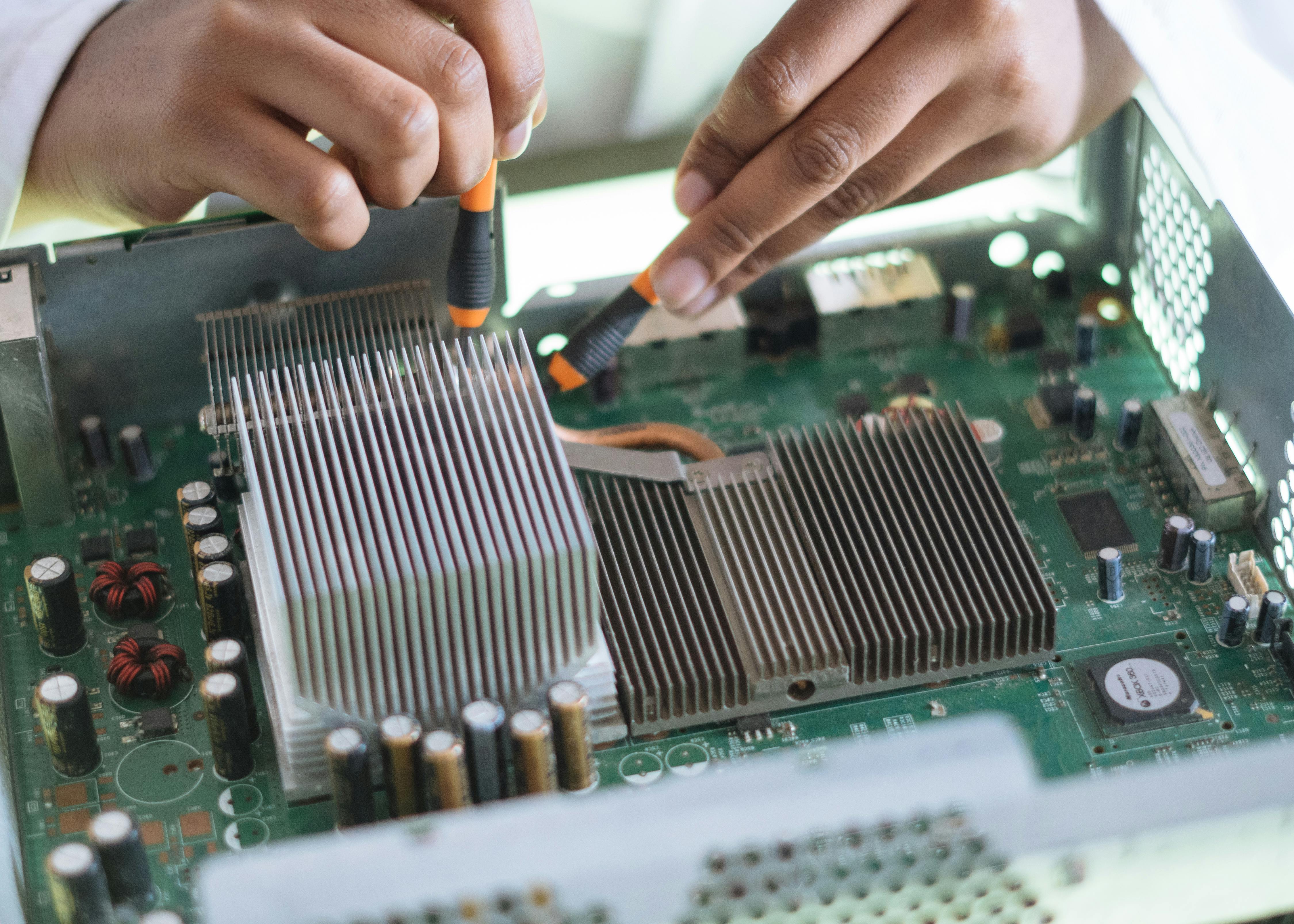
High‑skill independent repair shops and DIY enthusiasts are central to the movement. Their teardowns, repair guides, and social media content help demystify modern electronics and show that—contrary to common belief—many “unfixable” devices can be brought back to life.
Mission Overview: Key Right‑to‑Repair Laws and Policy Momentum
Policy has moved rapidly between 2022 and early 2026, as governments respond to consumer frustration, cost‑of‑living pressures, and e‑waste targets.
United States: State‑Level Breakthroughs and Federal Signals
- State laws: New York, Minnesota, and Colorado have passed comprehensive or sector‑specific right‑to‑repair laws covering consumer electronics, farm equipment, and powered wheelchairs. These laws typically require manufacturers to make parts, tools, and documentation available to owners and independent repairers.
- California’s Digital Right‑to‑Repair Act (2023): Widely covered by The Verge, it obliges manufacturers of many consumer electronics to offer parts, tools, and repair documentation for up to seven years, depending on device price.
- Federal interest: The FTC, following a 2021 report to Congress, has signaled willingness to act against “illegal repair restrictions,” while presidential executive orders have encouraged agencies to support competition in repair markets.
European Union: Ecodesign and Software Longevity
- The EU’s Ecodesign and Right‑to‑Repair frameworks push manufacturers to ensure spare parts availability and reasonable repair options for products such as washing machines, displays, and soon a broader range of electronics.
- Draft rules under the Green Deal and upcoming Ecodesign for Sustainable Products Regulation (ESPR) are expected to tie repairability and software support directly to product approvals and sustainability labels.
Other Regions
The UK, Australia, and Canada are also considering or updating repair‑related rules, especially around consumer electronics and agricultural equipment, often inspired by EU standards and activist pressure.
“There is scant evidence to support manufacturers’ justifications for repair restrictions.”
Technology: How Design Choices Dictate Repairability and Longevity
Repair outcomes are often decided at the design table. Choices about adhesives, fasteners, component modularity, and firmware locks determine whether a device can be economically serviced or must be thrown away.
Hardware Design Levers
- Modular components: Devices like the Framework 13" DIY Laptop and Fairphone handsets use swappable modules for screens, ports, and cameras, dramatically reducing repair time and cost.
- Fasteners vs. glue: Screws (especially standard ones like Phillips or Torx) allow parts to be removed safely, while pervasive glue makes repairs messy and often dangerous—particularly for lithium‑ion batteries.
- Documented disassembly procedures: Clear service manuals, exploded diagrams, and part numbers (historically common for appliances and PCs) are being revived as part of compliance strategies.
Software, Firmware, and Diagnostics
Modern repair is as much a software problem as a hardware one:
- Paired components: Some devices cryptographically “pair” components (like screens or batteries) to the motherboard. Without manufacturer‑approved calibration tools, a third‑party part may trigger warning messages or disable features.
- Diagnostic access: Pro‑level diagnostics used in authorized repair centers are often locked. Laws increasingly require fair access so independent shops can properly troubleshoot hardware.
- Bootloader and firmware locks: These can block the installation of alternative operating systems or extended security patches, even when the hardware is fully functional.
iFixit’s public repairability scores, routinely cited by tech publications, quantify these design decisions and influence consumer perception, putting pressure on manufacturers to improve.
Inside a Repair‑Friendly Laptop

Modular, screw‑based designs make common repairs—such as battery or storage replacement—accessible to skilled hobbyists and independent shops, without specialized proprietary tools.
Scientific Significance: E‑Waste, Carbon Footprints, and Lifecycle Analysis
Right‑to‑repair intersects directly with environmental science and lifecycle assessment (LCA). Extending device life can be one of the single most effective ways to cut the climate impact of consumer electronics.
Why Device Longevity Matters Environmentally
- Embodied emissions: A large share of a smartphone or laptop’s lifetime carbon footprint comes from manufacturing and global logistics, not daily energy use. Keeping devices in service for an extra 2–3 years can significantly reduce emissions per year of use.
- E‑waste volume: According to the UN’s Global E‑waste Monitor, the world generates tens of millions of tonnes of electronic waste annually, much of it under‑recycled and often exported to regions with weaker environmental protections.
- Critical materials: Electronics contain cobalt, rare earths, gold, and other materials that carry high environmental and social extraction costs. Repair and reuse lower the demand for new mining.
Economic and Social Dimensions
On the economic side, repair strengthens local service ecosystems:
- Independent repair shops create skilled jobs in local communities.
- Lower‑income users benefit disproportionately from affordable repair options, keeping them connected to digital services longer.
- Schools, nonprofits, and small businesses can stretch technology budgets by refurbishing instead of replacing fleets of devices.
“The most sustainable product is the one you already own.”
Milestones: How Industry and Policy Have Shifted
Several high‑profile developments between 2021 and 2025 mark inflection points in the debate.
Manufacturer Self‑Service Programs
Major brands have launched self‑repair initiatives, often after intense scrutiny:
- Apple Self Service Repair: Provides parts, tools, and manuals for select iPhone and Mac models. Tech media, including The Verge, note that while it’s a step forward, prices and complexity still make professional repair or replacement more appealing for many users.
- Samsung and Google partnerships with iFixit: Collaboration to supply genuine parts and guides for phones and tablets, expanding independent repair options in North America and Europe.
- Framework & Fairphone as reference designs: Their high repairability scores and modular architecture are frequently cited in policy hearings and environmental reports as examples that better design is feasible.
Media and Community Benchmarks
- iFixit’s teardown scores have become a de‑facto benchmark for repairability, with coverage across Ars Technica, TechRadar, and Engadget.
- Popular YouTube channels such as Louis Rossmann and This Does Not Compute bring nuanced repair and policy discussions to millions of viewers.
- TikTok and Instagram reels showing successful phone and console repairs regularly go viral, normalizing the idea that fixing tech is both possible and worthwhile.
DIY Repair Culture in Action

Online tutorials and community forums lower the barrier to entry, enabling more people to attempt safe, small‑scale repairs like battery swaps, SSD upgrades, and screen replacements.
Challenges: Security, Safety, and Business Models
Despite momentum, right‑to‑repair faces technical, legal, and economic challenges.
Security and Privacy Concerns
Manufacturers argue that unrestricted repair access could:
- Expose devices to tampering, weakening encryption or secure elements.
- Increase the risk of counterfeit parts that compromise performance or safety.
- Endanger user data privacy if unvetted repairers mishandle storage components.
Advocates counter that these concerns can be mitigated with:
- Certification schemes for independent repairers.
- Clear guidelines around secure element handling and data sanitization.
- Standardized, auditable diagnostic tools rather than opaque, vendor‑locked systems.
Safety and Liability
Lithium‑ion batteries, high‑voltage circuits, and compact assemblies do pose real safety risks. Mis‑repairs can cause fires, shocks, or device failure. The policy challenge is to allow repair while governing:
- Clear labeling and documentation of hazards.
- Training standards for professional technicians.
- Liability frameworks that distinguish between manufacturing defects and repair errors.
Economic Incentives and Design Lock‑In
Many current revenue models assume regular device replacement cycles:
- Short upgrade cycles drive sales of new flagship phones, laptops, and accessories.
- Closed ecosystems (e.g., proprietary ports, exclusive accessories) create long‑term vendor lock‑in.
- Subscription and trade‑in programs can nudge users toward frequent upgrades rather than repair.
Policymakers are increasingly scrutinizing these practices for anticompetitive effects, while sustainability‑focused investors evaluate companies based on repairability, durability, and take‑back programs.
Technology & Software: When Updates Decide Device Lifespan
Even if hardware is perfectly functional, lack of software support can render a device effectively obsolete—no security patches, incompatible apps, and broken online services.
Update Policies as a Longevity Metric
- Android and iOS phones: Premium devices often receive 5+ years of OS and security updates; budget devices sometimes get far less, a gap increasingly highlighted by Ars Technica and security researchers.
- IoT devices and smart home gear: Routers, cameras, and smart speakers frequently lose support sooner, becoming security liabilities despite working hardware.
- Laptops and PCs: Extended support policies for Windows, ChromeOS, and major Linux distributions influence how long hardware can be safely used in homes, schools, and enterprises.
Emerging Regulatory Approaches
Some proposals, especially in the EU, explore setting minimum software‑support periods for connected devices. This ties security maintenance directly to consumer protection and sustainability goals.
For technically inclined users, moving to more open ecosystems—such as Linux on older laptops or de‑Googled Android forks on phones—can extend life, though this requires skill and carries trade‑offs in app compatibility and support.
Practical Strategies for Device Longevity
Consumers can make purchase and maintenance choices that support both right‑to‑repair and their own wallets.
Before You Buy: What to Look For
- Repairability information: Check iFixit teardown scores, manufacturer service documentation, and reviews from outlets like TechRadar and Wired Gear.
- Spare parts availability: Confirm that batteries, screens, and keyboards can be purchased separately for your specific model.
- Upgradeable components: For laptops and desktops, prioritize models with accessible RAM and storage (standard SO‑DIMMs, M.2 SSDs) instead of soldered components.
Tools and Resources for Safe DIY Repair
A basic toolkit can make simple repairs safer and more feasible. Popular options include:
- A precision screwdriver set like the iFixit Moray Precision Bit Set, which covers most smartphone, laptop, and console screws.
- An anti‑static mat and wrist strap, such as the Rosewill Anti‑Static Wrist Strap, to reduce electrostatic discharge risks while working on PCBs.
- A good opening tool kit (spudgers, picks, suction cups), for example the iFixit iOpener Toolkit, for dealing with screens and glued seams.
Always consult detailed, model‑specific guides from reputable sources (e.g., iFixit, manufacturer manuals, or highly rated YouTube tutorials) and avoid working on high‑risk components—such as swollen batteries—without proper safety procedures.
Everyday Maintenance to Extend Device Life

Simple actions like keeping vents dust‑free, using quality chargers, and managing battery health (avoiding extreme heat, not leaving devices in hot cars) can delay the need for both repairs and replacements.
Conclusion: Toward a Less Disposable Digital Future
Right‑to‑repair is no longer a fringe idea; it is reshaping how we design, buy, and maintain technology. Legislators are pushing back against unnecessary repair barriers, manufacturers are experimenting with more open and modular designs, and consumers are learning to value longevity as much as raw performance.
The next phase of the movement will likely focus on:
- Codifying minimum software‑support periods for connected devices.
- Embedding repairability standards into public procurement policies.
- Scaling refurbishing and reuse markets alongside recycling.
For individual users, the most impactful steps are surprisingly simple: choose more repairable products, maintain them carefully, repair when possible, and support policies and companies that treat you as the true owner of your devices—not just a temporary user.
Further Learning and Helpful Resources
To stay informed and deepen your understanding of right‑to‑repair and device longevity, explore:
- iFixit – Right to Repair overview for campaigns, teardowns, and repair guides.
- Right to Repair Europe for EU policy updates and advocacy materials.
- YouTube phone repair tutorial playlists for model‑specific visual guidance.
- The Verge’s right‑to‑repair coverage hub for ongoing reporting on laws and industry moves.
- Ars Technica – Gadgets for in‑depth analysis of update policies and hardware design trends.
References / Sources
Selected sources for further reading and verification:
- U.S. FTC – “Nixing the Fix” report on repair restrictions
- The Verge – Right‑to‑Repair news and analysis
- Wired – Right‑to‑Repair coverage
- iFixit – Device teardowns and repairability scores
- Right to Repair Europe – News and policy updates
- UN Global E‑waste Monitor – Global e‑waste statistics and reports
