
Why New Jersey’s Flu Season Is So Severe Right Now (And How To Protect Your Household Fast)
New Jersey is in the middle of one of the worst flu seasons in the country right now. The state is listed among a small group with “very high” flu activity, and across the U.S., flu-related hospitalizations have nearly doubled in just a single week. If you made it through the holidays without a fever, cough, or body aches, you may have dodged New Jersey’s early flu surge—for now.
This guide walks you through what’s going on in New Jersey, what “very high” flu activity actually means, and the most effective, evidence-based steps to protect yourself, your family, and especially older adults and kids. The goal isn’t to scare you—it’s to give you clear, practical options so you can feel more in control this season.

How Bad Is Flu Season in New Jersey Right Now?
According to the latest federal surveillance data, New Jersey is currently categorized as having “very high” influenza-like illness (ILI) activity. That means:
- Doctor and urgent care visits for flu-like symptoms are well above what’s expected for this time of year.
- Flu is spreading in communities, not just in isolated pockets like schools or nursing homes.
- Nationwide, flu-related hospitalizations nearly doubled in a single week, a sign that this surge is both fast and significant.
Flu seasons are unpredictable, but a spike this steep, this early, means people in New Jersey should take preventive steps seriously—especially those with higher risk of complications.
Who’s Most at Risk From This Flu Surge?
Anyone can catch the flu, even if you’re generally healthy. But certain groups in New Jersey are more likely to end up in the ER or hospital if they get sick:
- Adults 65 and older – Higher risk of pneumonia, hospitalization, and complications.
- Infants and young children – Especially kids under 5, and particularly under age 2.
- Pregnant people – Flu can be more severe during pregnancy, and vaccination also protects newborns.
- People with chronic conditions – Such as asthma, COPD, heart disease, diabetes, kidney disease, or weakened immune systems.
- Residents of long-term care facilities – Where infections spread quickly in close quarters.
“Most people who get flu will recover in a few days to less than two weeks, but some people are at high risk of developing serious flu-related complications.” – U.S. Centers for Disease Control and Prevention (CDC)
Why Is Flu Surging So Fast in New Jersey?
Several factors likely explain why New Jersey is seeing such intense flu activity:
- Holiday gatherings: Travel, indoor parties, and family events give flu viruses plenty of opportunities to spread.
- Indoor air in winter: Cold weather pushes people indoors into drier air, where viruses survive longer and spread more easily.
- Overlapping viruses: Flu, COVID-19, and RSV are all circulating, straining healthcare and making it easier for infections to be missed early on.
- Vaccine uptake: If fewer people get vaccinated, flu has more “fuel” to spread—especially in high-density areas like parts of New Jersey.
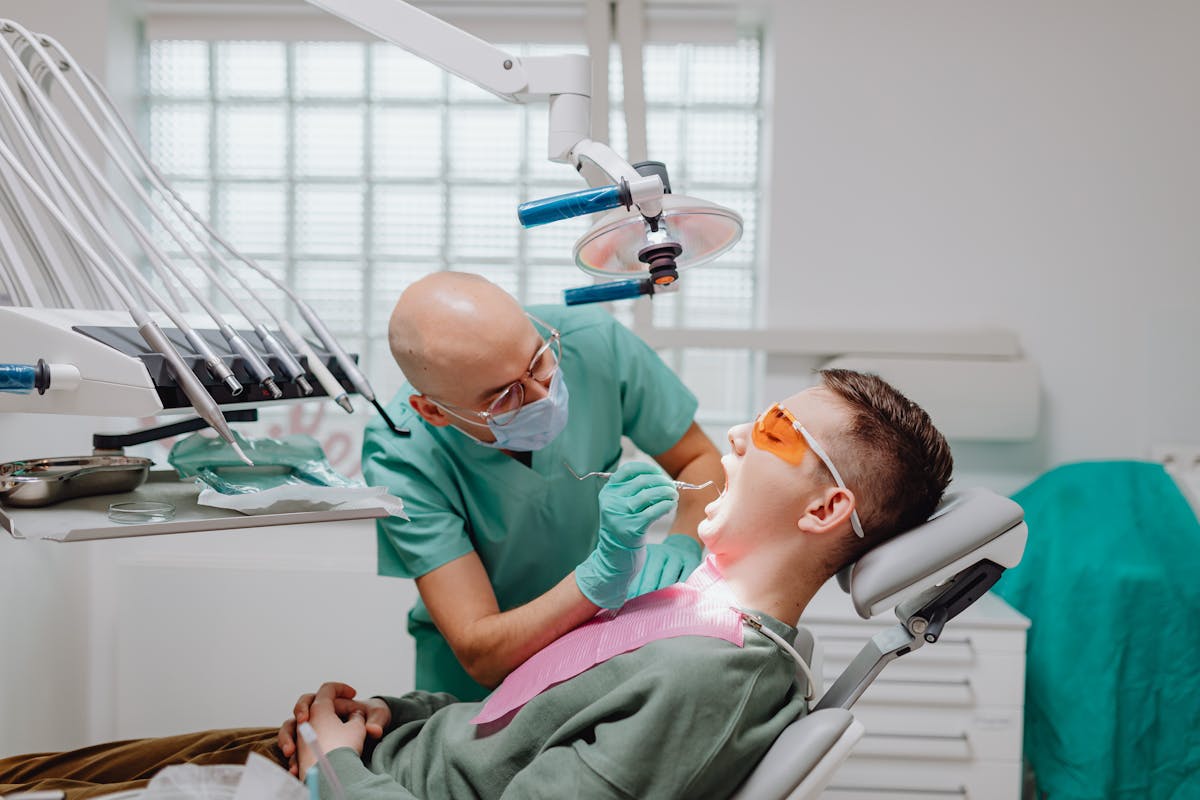
Flu Symptoms: What to Watch For (and When to Call a Doctor)
Flu often hits suddenly. Many people in this current surge describe going from “fine” to “miserable” in less than a day. Typical symptoms include:
- Fever or feeling feverish/chills
- Cough and sore throat
- Runny or stuffy nose
- Muscle or body aches
- Headaches
- Extreme fatigue (feeling “wiped out”)
- Sometimes vomiting and diarrhea (more common in children)
Most Effective Ways to Protect Yourself in New Jersey Right Now
No strategy is perfect, but combining several proven approaches makes a big difference—especially when flu activity is “very high.”
1. Get a Flu Shot If You Haven’t Yet
Seasonal flu vaccines don’t completely eliminate your risk, but they lower your chances of getting sick and make illness less severe if you do catch the virus. That translates into fewer ER visits, hospitalizations, and missed days of work or school.
- It’s recommended for everyone 6 months and older, with rare exceptions.
- High-dose or adjuvanted vaccines are available for adults 65+ and are designed to improve protection.
- It’s not “too late” in New Jersey—even during a surge, vaccination can help protect you from the rest of the season.
You can find flu shots at most pharmacies, primary care offices, community clinics, and some workplaces. Many locations in N.J. offer walk-in appointments.
2. Strengthen Daily Habits That Cut Transmission
The basics still work, especially when the virus is everywhere:
- Wash your hands frequently with soap and water for at least 20 seconds, especially after being in public spaces.
- Avoid touching your eyes, nose, and mouth with unwashed hands.
- Stay home when sick and keep kids home if they’re ill; pushing through often spreads flu to others.
- Cover coughs and sneezes with a tissue or your elbow, not your hands.
- Improve ventilation at home and at work by opening windows when possible or using air purifiers.
3. Consider Masks in Higher-Risk Settings
High-quality masks (like surgical or KN95) can reduce the spread of respiratory droplets that carry flu viruses, especially:
- On crowded public transit
- In urgent care or hospital waiting rooms
- In crowded indoor events during peak flu weeks

A Real-World Example: One New Jersey Family’s Flu Experience
A primary care clinician in central New Jersey recently described a family of five who came into the office over the holidays:
The parents had delayed vaccines, assuming they’d “get around to it after New Year’s.” Their oldest child came home from school with a sudden high fever and cough. Within 48 hours, three family members had tested positive for flu. The vaccinated grandparent who lived with them also got sick—but recovered faster and avoided the ER, while the unvaccinated father ended up in urgent care for dehydration and breathing trouble.
This kind of story is playing out across N.J. right now. It highlights two realities:
- Vaccination doesn’t guarantee you won’t get sick, but it often means fewer complications and faster recovery.
- Flu spreads quickly within households—so one person’s prevention steps protect others, too.
What If You Get Sick? Testing, Treatment, and Timing
If you develop sudden flu-like symptoms—especially if you’re in a higher-risk group—timing matters.
Step 1: Reach Out Early
Call your healthcare provider or an urgent care center within the first 24–48 hours of symptoms if possible. They may recommend:
- A flu test (sometimes combined with COVID-19 testing).
- Starting antiviral medication such as oseltamivir (Tamiflu) if you’re at higher risk or very ill.
Step 2: Ask About Antiviral Medications
Antivirals don’t “cure” flu, but when started within 48 hours of symptom onset, they can:
- Shorten the length of illness by about a day on average.
- Reduce the risk of complications like pneumonia in higher-risk patients.
They’re especially important for older adults, pregnant patients, people with chronic conditions, and young children.
Step 3: Supportive Care at Home
For most otherwise-healthy people, home care focuses on:
- Plenty of fluids (water, broths, electrolyte drinks).
- Rest—don’t try to “push through” a high fever.
- Over-the-counter fever reducers and pain relievers as appropriate (check with a clinician for children).
- Isolating from vulnerable household members as much as possible.

Supporting Your Body Through Flu Season (Without the Hype)
There’s no supplement or “hack” that can make you immune to flu. But evidence-based basics can help your immune system function as well as possible:
- Sleep: Aim for 7–9 hours for most adults; sleep loss is linked with higher infection risk.
- Nutrition: Focus on whole foods—fruits, vegetables, lean proteins, whole grains, and healthy fats.
- Hydration: Even mild dehydration can worsen fatigue and headaches.
- Activity: Regular moderate exercise supports overall health; avoid intense workouts if you’re already feeling run down.
- Stress management: Chronic high stress can impact immune function over time. Short walks, breathing exercises, and brief breaks from news can help.
What a Difference Prevention Can Make: A Before/After Snapshot
To visualize how your actions can change outcomes during a surge like New Jersey’s, imagine two households with similar exposure:
Before: Minimal Prevention
- No one is vaccinated.
- Family attends multiple crowded indoor events without masks.
- First sick person keeps going to work or school.
Result: Most of the household becomes ill within days, higher chance of severe illness for older or high-risk members, and more missed school/work.
After: Layered Protection
- Most household members are vaccinated.
- Masks used in crowded indoor spaces during peak weeks.
- First sick person stays home and isolates early; others monitor symptoms closely.
Result: Fewer people get sick, illness is often milder, and vulnerable members are more likely to avoid serious complications.
What the Science Says: Trusted Resources
For ongoing updates on New Jersey’s flu situation and national trends, rely on data-driven, noncommercial sources:
- CDC FluView Weekly U.S. Influenza Surveillance Report
- CDC: People at Higher Risk from Flu
- WHO: Seasonal Influenza Fact Sheet
- New Jersey Department of Health – Influenza Information
Evidence from multiple seasons shows that flu vaccination reduces the risk of severe illness, hospitalizations, and death, particularly among older adults and people with chronic conditions.
Moving Forward: Simple Steps You Can Take This Week
New Jersey’s current flu surge is serious, but it’s not hopeless. Even if you feel like you’re “behind” this season, there is still plenty you can do to lower your risk and protect the people around you.
Over the next 7 days, consider choosing two or three concrete actions:
- Schedule flu shots for yourself and any eligible family members.
- Decide when you’ll use a mask (for example, in crowded indoor spaces or healthcare settings).
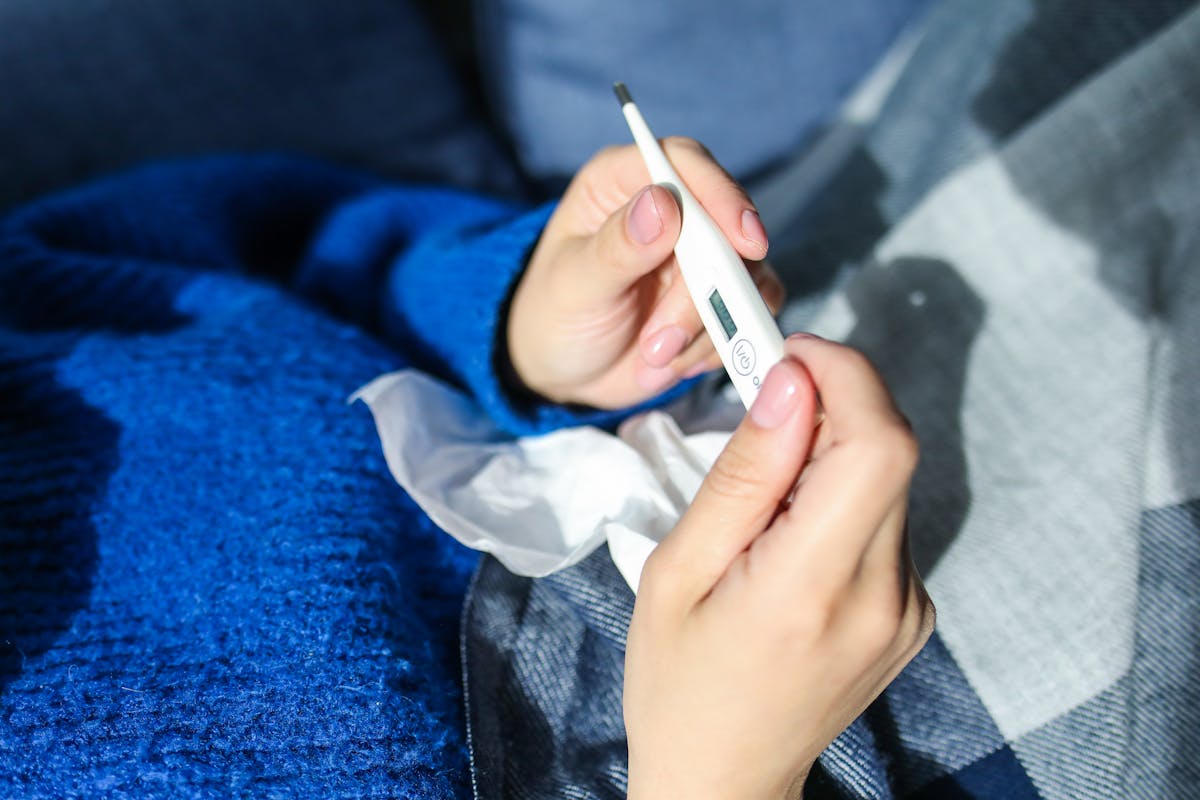
- Set up a small “sick day kit” at home: thermometer, fever reducer, tissues, electrolyte drinks.
- Review warning signs of severe illness with your household so everyone knows when to seek help.
You don’t need to be perfect to make a difference. Layered, realistic steps—taken consistently—can help you navigate one of the toughest flu seasons in America with more confidence and less anxiety.
