
Why Marvel’s Avengers: Doomsday Could Rewrite the MCU and Kill Superhero Fatigue
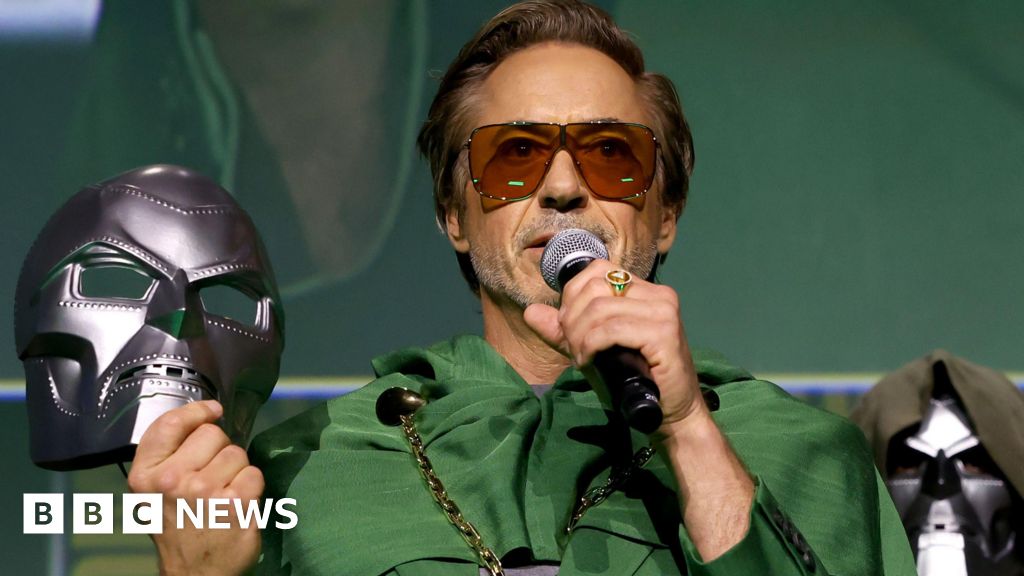
Marvel’s Avengers: Doomsday is being set up as the movie that’s supposed to prove the Marvel Cinematic Universe still has some tricks left after 37 films and a whole lot of “superhero fatigue” discourse. The headline hook, of course, is Robert Downey Jr returning to Marvel not as Tony Stark, but as the MCU’s new big bad: Doctor Doom. Between the multiverse fallout, a franchise in search of focus, and Marvel’s most iconic villain finally entering the chat, there’s a lot riding on this film.
Why Avengers: Doomsday Matters Right Now
After a sprawling Multiverse Saga, inconsistent box office, and scattered storytelling, Marvel needs a clean statement of intent. Doomsday is being framed as that statement: a team-up movie with legacy weight, a prestige villain, and a chance to re-center the MCU around one clear threat instead of infinite timelines and variants.
The State of the MCU: 37 Films In and Feeling the Strain
With 37 films already released in the Marvel Cinematic Universe, the franchise has gone from novelty to default Hollywood infrastructure. That ubiquity has turned “superhero fatigue” from think-piece buzzword into a genuine industry concern, as even die-hard fans struggle to keep up with shows, specials, and multiversal side quests.
Post-Endgame, Marvel leaned harder into the multiverse with projects like Loki, Doctor Strange in the Multiverse of Madness, and Spider-Man: No Way Home. The result was creatively ambitious but narratively scattered: a lot of alternate timelines, not much emotional through-line. Avengers: Doomsday is being positioned as a course correction—less “infinite possibilities,” more “one overwhelming problem.”

Robert Downey Jr as Doctor Doom: A Risk or a Masterstroke?
The headline-grabber is simple: after playing Tony Stark in 10 Marvel films, Robert Downey Jr is back—but this time as Victor Von Doom. It’s the sort of meta casting move that could either feel like stunt gimmickry or inspired reinvention, depending on how the film handles it.
Downey’s return arrives fresh off renewed critical approval for his post-Marvel work, and Marvel clearly wants to harness both nostalgia and his prestige halo. The twist is that Doctor Doom is not just another villain; in the comics he’s a tragic, obsessive genius who thinks he should be running the world—for its own good.
“Doom doesn’t see himself as a villain. He sees a broken world and believes he’s the only one ruthless and brilliant enough to fix it.”
Casting the former face of Marvel heroism as its new face of authoritarian certainty plays into that duality. If the film leans into the idea that in another life Tony Stark could have been Doom, there’s serious thematic potential—not just fan-service shock value.

Who Is Doctor Doom in the MCU Version?
On the page, Doctor Doom is the monarch of Latveria, a scientist-sorcerer whose mix of arrogance, trauma, and genius makes him both terrifying and occasionally sympathetic. Translating that to the MCU after years of multiverse chaos means positioning Doom as the villain who isn’t just another variant or cosmic accident—he’s the one who looks at the mess and decides to impose order.
- Political power: Expect Doom’s rule over Latveria to introduce real-world geopolitical texture the MCU has often side-stepped.
- Science and sorcery: His combination of tech and mysticism lets him connect storylines from Doctor Strange to Iron Man.
- Moral certainty: Done well, Doom should frighten heroes not because he’s chaotic, but because he’s terrifyingly convinced he’s right.
In a post-Endgame landscape where the Avengers are emotionally and ideologically scattered, Doom can function as a dark mirror: a broken genius who reacted to cosmic trauma by doubling down on control, not collaboration.
Plot Clues: What Doomsday Seems to Be About
Marvel is, predictably, keeping tight control over specific plot details, but the title alone—Avengers: Doomsday—signals an apocalyptic, maybe even timeline-ending event. In industry chatter, the film is being described less as a continuation of scattered Phase 4 and 5 threads and more as a consolidation: a “this is what all of that was leading to” moment.
Based on how Marvel has structured previous crossover events, expect:
- A fractured roster of Avengers brought back together by a single, catastrophic Doom-driven event.
- Fallout from earlier multiverse meddling finally collapsing into one tangible crisis.
- A moral dilemma about who gets to decide the fate of reality: the messy, fallible heroes, or Doom’s hyper-rational authoritarianism.
The smart money is on Doomsday serving as a pivot into a slightly leaner, more grounded MCU, where multiverse chaos becomes background lore rather than the main attraction.
Can Avengers: Doomsday Cure Superhero Fatigue?
Superhero fatigue isn’t just about capes and masks; it’s about repetition. Same structure, same quips, same city-destroying third act. For Doomsday to feel like an antidote, it has to do more than stack cameos and multiverse Easter eggs—it has to justify its own existence.
There are a few ways it could move the needle:
- Commit to consequence: Endgame worked because things changed. If Doomsday reshapes the board—retiring characters, elevating new ones, closing arcs—it might earn its stakes.
- Focus the story: A single, coherent threat in Doom is easier to invest in than six timelines and three cosmic entities.
- Shift the tone: A slightly more political, morally ambiguous story could help the MCU feel like it’s evolving with its audience rather than repeating old tricks.
“Audiences aren’t tired of superheroes; they’re tired of feeling like what they’re watching doesn’t matter.”
The risk, of course, is that the film tries to be both a multiverse spectacle and a grounded reset, and ends up pleasing no one. The line between “epic” and “overstuffed” has never been thinner.
Cast, Characters, and How They Might Fit Together
Beyond Robert Downey Jr’s Doctor Doom, Avengers: Doomsday is expected to pull from across the MCU’s current lineup and its incoming heroes. Think of it as a generational crossover: veterans from the Infinity Saga sharing the screen with newer faces introduced in later phases.
Roles and dynamics to watch for include:
- Legacy Avengers: Any returning originals will carry emotional weight, especially in scenes opposite Downey’s Doom.
- New leaders: Characters like Sam Wilson’s Captain America and others will likely be positioned as the next era’s decision-makers.
- Wildcard allies: Mystical or cosmic heavy-hitters (think sorcerers, cosmic beings) could be crucial if Doom blends magic and tech as in the comics.
Industry Stakes: Marvel, Disney, and the Franchise Pivot
From an industry perspective, Avengers: Doomsday isn’t just another tentpole—it’s a referendum on the entire Marvel strategy. Post-pandemic theatrical volatility and uneven streaming returns have forced studios to rethink the “endless content” model. For Marvel and Disney, a massive, well-received Avengers film could justify tightening the slate and treating crossovers as events again, not obligations.
- Box office pressure: The performance of Doomsday will influence budgets and ambition for future MCU entries.
- Brand rehab: A strong critical reception could reframe recent stumbles as setup rather than decline.
- Cross-media impact: Success here ripples into Disney+ strategy, merchandise, and even park attractions.

Trailers, Teasers, and What to Watch For
As marketing ramps up, the trailers for Avengers: Doomsday will set audience expectations. How prominently Marvel features Robert Downey Jr, how much Doom’s face and backstory they reveal, and whether the footage emphasizes character drama over pure spectacle will all be tells for the film’s priorities.
When an official trailer is available, you’ll typically find it on the Marvel Entertainment YouTube channel. It’s worth paying attention to:
- The tone of Doom’s dialogue—messianic, bitter, or eerily calm?
- Whether the footage leans on nostalgia for the original Avengers.
- How clearly the central conflict is framed: is this about the end of the world, or the end of a particular way of being a hero?
Early Verdict: High Risk, High Narrative Reward
On paper, Avengers: Doomsday is exactly what the MCU needs: a focused threat, a marquee villain, and a sense that all this interconnected storytelling is building to something concrete again. Casting Robert Downey Jr as Doctor Doom is a big, almost mischievous swing that could either deepen the franchise’s thematic resonance or snap the audience’s suspension of disbelief.
The key question isn’t just “Can Marvel pull this off?” but “Can it make this feel necessary?” If Doomsday delivers real change—emotional, political, and structural—it has a shot at turning the superhero-fatigue narrative on its head. If not, it risks becoming the moment the MCU finally felt like its own multiverse: infinite, impressive, and strangely hollow.
For now, what we know is this: Marvel is betting its future on a villain who believes only he can fix a broken world—and on an audience willing to give this universe one more world-ending shot.
