
Why Fiber Is the New Wellness Powerhouse (and How to Use It Safely)
Fiber is suddenly everywhere. From “fibermaxxing” videos on TikTok to snack bars shouting grams of fiber on the label, it’s starting to edge out protein as the nutrient of the moment—especially among younger consumers who are laser-focused on gut health.
Behind the trend, though, is a real and important story: most people are not getting enough fiber, and that shortfall may affect digestion, blood sugar, cholesterol, and even long‑term disease risk. At the same time, overdoing it overnight or following extreme social media advice can leave you bloated, gassy, and frustrated.
In this guide, we’ll unpack why fiber is getting so much attention, what the science supports, how to increase your fiber intake safely, and how to separate helpful gut‑health habits from hype.

The Fiber Gap: Why This “It Nutrient” Actually Matters
Despite the hype, fiber isn’t new. What is new is the massive gap between how much fiber most people eat and how much research suggests is helpful.
- In the US and many other countries, the average adult gets only about 15 grams of fiber per day.
- Most guidelines recommend roughly 25 grams per day for women and 38 grams per day for men, or about 14 grams per 1,000 calories.
- Some research suggests benefits may continue even higher—around 30–35 grams daily—if increased gradually and tolerated well.
That shortfall, sometimes called the “fiber gap,” is one reason health experts are excited to see people finally paying attention to this overlooked nutrient.
Why Fiber Is Becoming the New Protein
Protein had its moment as the star nutrient—fueling everything from high-protein yogurts to fortified cereal. Fiber is now stepping into the spotlight for a different reason: it supports systems we feel every day, especially digestion and energy.
From a scientific perspective, fiber is linked with a broad range of potential benefits:
- Digestive regularity. Fiber adds bulk and softness to stool, which can help prevent constipation and support more comfortable, predictable bowel movements.
- Gut microbiome support. Certain fibers act as prebiotics, feeding beneficial gut bacteria that may play roles in immunity, mood, and metabolism.
- Blood sugar control. Soluble fiber slows down digestion and carbohydrate absorption, which can help blunt blood sugar spikes after meals.
- Cholesterol and heart health. Some soluble fibers bind to cholesterol in the gut, helping reduce LDL (“bad”) cholesterol over time when part of an overall healthy lifestyle.
- Satiety and weight management. High‑fiber foods tend to be more filling, which can help with appetite control without strict dieting.
“If protein is the macronutrient that keeps your muscles strong, fiber is the one that keeps your inner ecosystem humming. Most people feel the difference within a few weeks—if they increase it gradually and listen to their bodies.”
— Registered Dietitian, Digestive Health Clinic
The key difference from protein: fiber is found almost entirely in plants—whole grains, beans, lentils, fruits, vegetables, nuts, and seeds. That makes the fiber conversation also a conversation about eating more whole, minimally processed foods.
Inside the Fibermaxxing Trend: Help or Hype?
On TikTok and other platforms, “fibermaxxing” usually means aggressively increasing fiber—sometimes up to 40–60 grams per day—often through supplements, powders, or ultra‑fortified packaged foods in the name of gut health and debloating.
There are some positives to this movement:
- More people are learning what fiber is and why it matters.
- Recipes featuring beans, lentils, oats, chia seeds, and veggies are trending.
- Brands are reformulating products to add at least some real fiber.
But there are also pitfalls when social media advice skips over nuance:
- Jumping from low fiber to a huge increase overnight can cause bloating, gas, and cramps.
- Some “high‑fiber” snacks use isolated fibers just to boost label numbers, not necessarily overall diet quality.
- People with digestive conditions (like IBS, IBD, or after GI surgery) may need a tailored fiber approach, not a one‑size‑fits‑all trend.
The Science of Fiber: Soluble, Insoluble, and Fermentable Types
“Fiber” isn’t just one thing. Different types act differently in the body, and a mix appears to be most beneficial.
Soluble Fiber
Soluble fiber dissolves in water to form a gel-like substance. It is often fermented by gut bacteria and is linked with cholesterol reduction and better blood sugar control.
- Sources: oats, barley, beans, lentils, peas, apples, citrus, psyllium husk.
Insoluble Fiber
Insoluble fiber does not dissolve in water and provides bulk, helping move material through the digestive tract.
- Sources: whole wheat, brown rice, bran, many vegetables, nuts, seeds.
Prebiotic & Fermentable Fibers
Some fibers, like inulin and certain oligosaccharides, are highly fermentable and are considered prebiotics—they feed beneficial gut microbes.
- Sources: onions, garlic, leeks, asparagus, bananas, chicory root, Jerusalem artichokes.

Current research does not point to a single “best” fiber. Instead, regularly eating a diverse range of plant foods seems to be the most consistent pattern associated with positive gut and metabolic outcomes.
How Much Fiber Do You Actually Need?
General recommendations for total dietary fiber (from food, not just supplements) are:
- Women (up to age 50): about 25 grams per day
- Men (up to age 50): about 38 grams per day
- Adults over 50: slightly lower targets (around 21 g for women, 30 g for men) due to typically lower calorie needs
Many experts now talk about fiber in terms of grams per 1,000 calories—roughly 14 grams per 1,000 calories consumed. That scaling can be more realistic across different body sizes and activity levels.
Remember, these are population-level guidelines. Your ideal range may differ based on:
- Your current diet and how much fiber you’re used to
- Digestive conditions (like IBS, IBD, or gastroparesis)
- Hydration, movement, medications, and overall health
How to Increase Fiber Safely (Without Miserable Bloating)
Many people try to “fix” a low-fiber diet in a week—and then swear off fiber completely when the gas and cramping hit. The body needs time to adapt to higher fiber intake, especially fermentable types.
Step-by-Step Fiber Ramp-Up Plan
- Find your baseline. Track your usual intake for 2–3 days with a nutrition app or by eyeballing labels. Many people discover they’re under 15 grams per day.
- Add 3–5 grams per day for a week. For example, add:
- 1 small apple with skin (about 3–4 g)
- 2 tablespoons of chia or ground flax (about 4–5 g)
- Increase again the following week. Gradually layer in another serving of beans, lentils, or vegetables. Aim to move toward 25–30+ grams over several weeks, not days.
- Drink more water. Fiber works best when you’re hydrated. A simple rule: aim for pale yellow urine most of the day, unless your doctor recommends fluid restriction.
- Move your body. Gentle walking or light activity helps the gut stay mobile and can ease gas and bloating during the transition.

If you notice significant discomfort, step back slightly and hold at a lower level for a week before increasing again.
Fiber-Focused Eating: Food-First Strategies That Work
While supplements can play a role for some people, a “food first” approach brings along vitamins, minerals, and beneficial plant compounds that isolated fibers can’t replace.
Simple Food Swaps for More Fiber
- Swap white bread for 100% whole-grain bread or sprouted grain bread.
- Choose oatmeal or bran cereal instead of low-fiber breakfast options.
- Replace some meat in tacos or chili with beans or lentils.
- Keep the skins on fruits and vegetables when edible and well-washed.
- Snack on nuts, seeds, and fresh fruit instead of chips or candy.
Sample High-Fiber Day (Approx. 30–35 g)
- Breakfast: Oatmeal topped with berries and chia seeds
- Snack: Apple with a handful of almonds
- Lunch: Lentil soup with a side salad and whole‑grain bread
- Snack: Carrot sticks with hummus
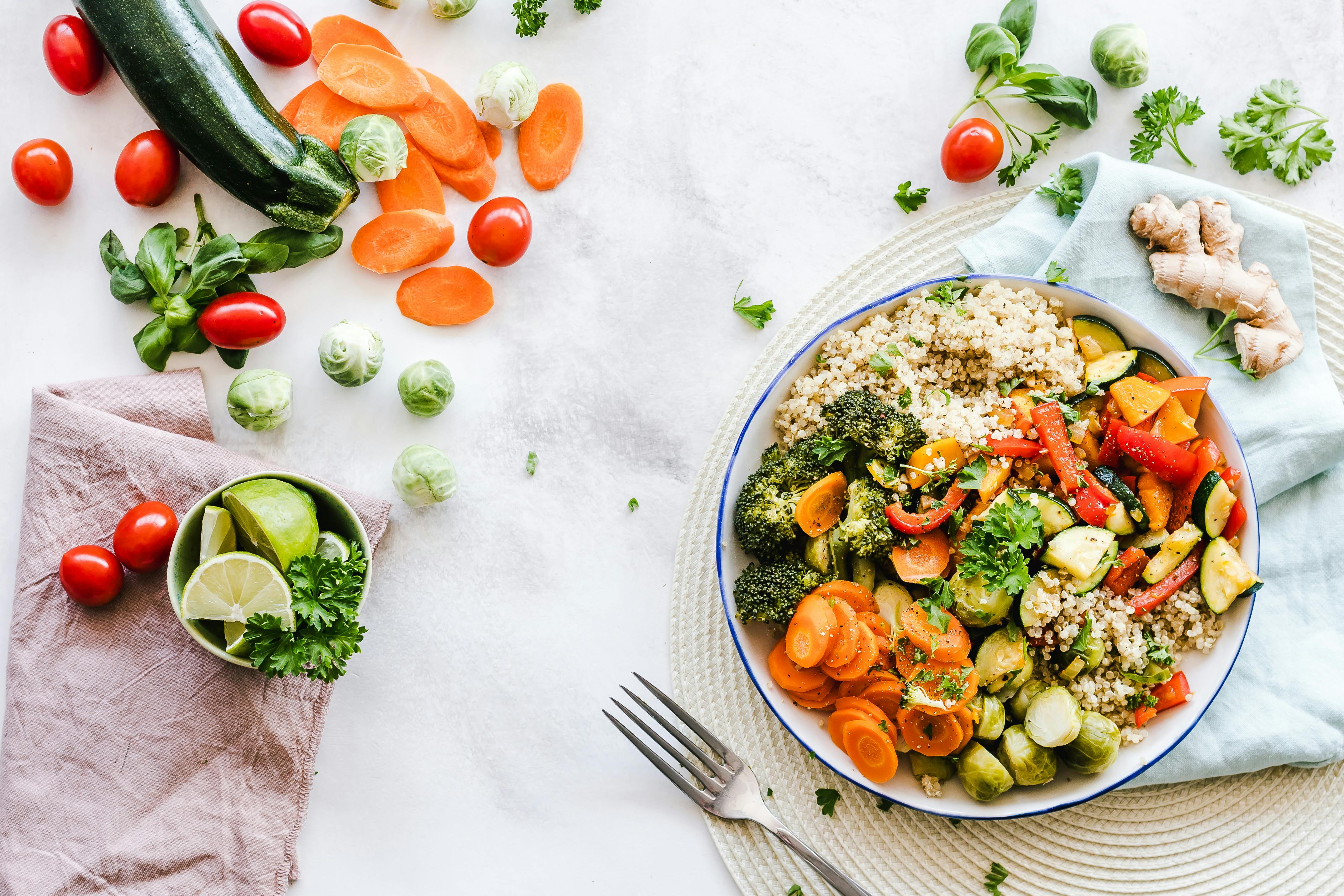
- Dinner: Brown rice, roasted vegetables, and grilled fish or tofu
What About Fiber Supplements and Fortified Foods?
Fiber powders, gummies, and fortified bars can be useful tools—but they’re not magic solutions. The quality and type of added fiber matter.
Common supplemental fibers include:
- Psyllium husk: A soluble, gel‑forming fiber with good evidence for improving constipation and modestly lowering cholesterol when used consistently.
- Inulin/chicory root fiber: A prebiotic fiber that can be helpful at low doses but may cause gas and bloating in some people at higher doses.
- Polydextrose, maltodextrin, resistant starches: Often added to processed foods to boost fiber numbers, with varying effects on satiety and gut comfort.
If you use supplements:
- Start with a small dose and increase slowly.
- Drink plenty of water with each serving.
- Watch for changes in bowel habits or discomfort and adjust as needed.
- Let your healthcare provider know, especially if you take medications or have existing health conditions.
Common Obstacles (and How Real People Work Through Them)
Even with the best intentions, everyday life can make high-fiber eating feel hard. Here are some frequent challenges and realistic strategies.
“High-Fiber Foods Don’t Agree With My Stomach”
Many people notice gas, bloating, or changes in stool when they first add beans, whole grains, or cruciferous vegetables.
- Soak and rinse beans well, or choose canned beans and rinse thoroughly.
- Try smaller portions more often instead of large amounts at once.
- Experiment with lower‑FODMAP options if you have IBS (with professional guidance).
“When I tried to go from zero to ‘gut health queen’ in a week, I was miserable. What finally worked was adding just half a cup of beans a few times a week and building from there over a couple of months.”
— Case study, 27-year-old with sensitive digestion
“I Don’t Have Time to Cook”
- Keep frozen vegetables, microwaveable brown rice, and canned beans on hand.
- Choose prepared soups or salads that list beans, lentils, or whole grains among the first ingredients.
- Build a “fiber booster” habit: add a handful of spinach, a spoonful of chia, or a side of fruit to whatever you’re already eating.
When More Fiber Isn’t Better: Safety Considerations
While most healthy adults benefit from increasing fiber toward guideline ranges, more is not always better, especially if changes are rapid or if health conditions are present.
Talk to a healthcare professional before major fiber changes if you:
- Have inflammatory bowel disease (Crohn’s disease or ulcerative colitis)
- Have been told to follow a low‑fiber or low‑residue diet
- Have a history of intestinal narrowing, strictures, or certain GI surgeries
- Experience unexplained weight loss, persistent abdominal pain, or blood in stool
Fiber vs. Protein: Do You Have to Choose?
The rise of fiber doesn’t mean protein is “over”—your body needs both. The real opportunity is shifting from a protein‑only obsession to a more balanced, fiber‑and‑protein mindset.
Think about building meals that:
- Include a solid source of protein (fish, poultry, tofu, tempeh, eggs, beans, Greek yogurt)
- Are built on a base of high-fiber plants (whole grains, beans, lentils, vegetables, fruits, nuts, seeds)

When you pair protein with fiber, you tend to feel fuller longer, support your microbiome, and create a more stable energy curve throughout the day.
Further Reading and Evidence-Based Resources
For readers who want to dive deeper into the science of dietary fiber and gut health, these authoritative resources are a good starting point:
Bringing It Home: Make Fiber Your Quiet Daily Ally
Fiber may be trending on social media, but its real power isn’t flashy. It’s in the quiet, behind‑the‑scenes support it gives your digestion, blood sugar, cholesterol, and long‑term health when you include it consistently—day after day, meal after meal.
You don’t need to chase extreme “fibermaxxing” goals or overhaul your life overnight. A more sustainable path is to:
- Know roughly how much fiber you’re getting now.
- Increase your intake slowly, listening to your body.
- Focus on real, plant-based foods most of the time.
- Use supplements thoughtfully when needed, not as your main source.
If gut health is your goal this year, consider a simple experiment: for the next two weeks, add one extra high‑fiber food to your plate each day and notice how you feel. That small, consistent step can do far more for your long‑term health than any overnight trend.
Your call-to-action: Pick one meal tomorrow and upgrade it with at least 5 extra grams of fiber—from beans, whole grains, vegetables, fruit, nuts, or seeds—and build from there.
