
Why Celebrities Are Obsessed with the ‘Clean Girl’ Mediterranean Diet (and How to Cook It at Home)
Celebrities Go ‘Clean Girl’ Mediterranean: Olive Oil, Fish, and Longevity Eating
Modern Mediterranean-style eating has stepped into the social media spotlight, reimagined as the ultra-curated “clean girl” or longevity diet. Instead of fad-like restriction, this trend leans into vibrant vegetables, silky extra-virgin olive oil, grilled fish, whole grains, and plenty of herbs— all framed by minimalist kitchens, sunlit salad bowls, and the promise of long-term health.
Beneath the aesthetic, though, is a deeply researched way of eating associated with reduced risk of heart disease, certain cancers, and cognitive decline. What’s changed isn’t the food itself, but the storytelling: influencers and celebrities are turning Mediterranean eating into a lifestyle narrative of glow, energy, and graceful aging.
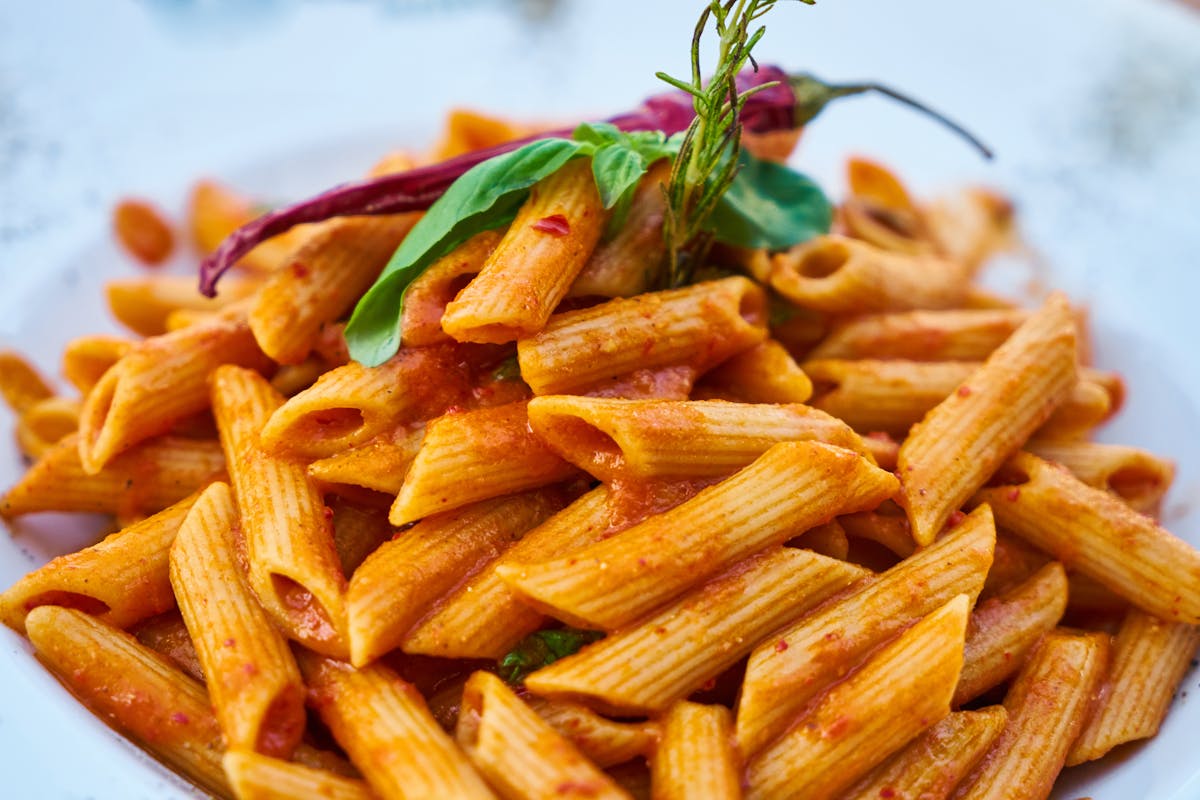
From Traditional Mediterranean Plates to “Clean Girl” Longevity
The Mediterranean diet isn’t new; it’s been studied for decades in countries like Greece, Italy, and Spain. Historically, it grew out of simple, regionally available foods: garden vegetables, legumes, whole grains, olives and olive oil, modest amounts of fish and dairy, and only occasional red meat or sweets. Food was seasonal, shared, and relaxed.
Today, that same template is being filtered through celebrity and influencer culture. On TikTok and YouTube, you’ll see “What I eat in a day on the Mediterranean diet” videos: juicy tomato–cucumber salads with feta, grain bowls piled with chickpeas and herbs, grilled salmon over roasted vegetables, and snack plates of hummus, olives, and nuts. The core pattern hasn’t changed—it’s just gotten a glossy, aspirational rebrand.
“Minimalist kitchen, maximal flavor” could be the unofficial tagline of this modern Mediterranean moment.
- More focus on visuals and lifestyle (linen napkins, clean countertops, sunlit plates).
- Language of “glow,” “anti-inflammatory,” and “longevity” instead of just “healthy.”
- Videos centered on simple, repeatable meals over complicated recipes.
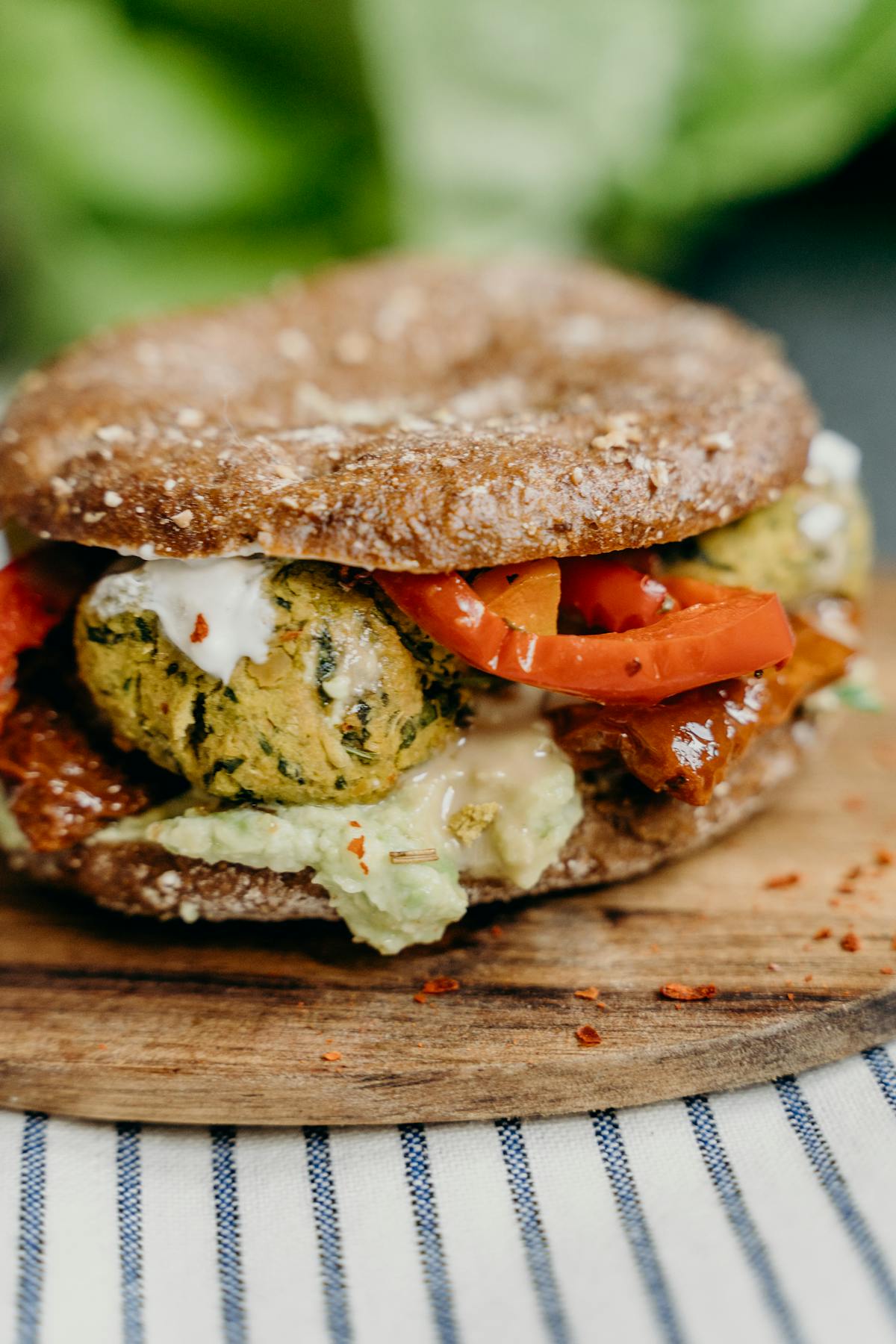
Why Mediterranean-Style Eating Supports Longevity
When you strip away the buzzwords, the Mediterranean diet is compelling because it aligns so well with what nutrition science has been telling us for years. It emphasizes foods naturally rich in fiber, antioxidants, and healthy fats, while keeping ultra-processed items to a minimum.
Many researchers reference so-called Blue Zones—regions where people tend to live longer, healthier lives. Mediterranean areas like parts of Italy and Greece often share certain eating patterns: olive oil as the main fat, plenty of legumes and veggies, modest fish, and limited processed foods.
Key Mediterranean Diet Benefits (Backed by Research)
- Heart health: Higher intake of monounsaturated fats (especially from olive oil) and omega-3 fats from fish is linked to lower cardiovascular risk.
- Brain support: Antioxidant-rich fruits, vegetables, and extra-virgin olive oil may help protect against cognitive decline.
- Stable energy & gut health: Whole grains and legumes provide fiber that supports a diverse gut microbiome and more stable blood sugar.
- Reduced chronic disease risk: Overall patterns show associations with lower rates of certain cancers and type 2 diabetes.
The “Clean Girl” Aesthetic Meets Mediterranean Food
The clean girl or “old money” aesthetic—think slicked-back hair, dewy skin, neutral wardrobes, and airy interiors—goes hand in hand with this new wave of Mediterranean eating. Food is styled to look effortless and pristine: a bowl of yogurt drizzled with olive oil and honey, a single grilled fish over lemony greens, or a sliced avocado beside a tangle of arugula and tomatoes.
On social feeds, these meals are framed as non-restrictive yet body-conscious: ways to stay toned, energized, and “glowing” without counting calories. Long captions often reference longevity science and anti-inflammatory eating, even if the day-to-day behavior simply looks like smart, balanced home cooking.
- Short-form videos showing quick assembly meals over elaborate cooking.
- Frequent shout-outs to extra-virgin olive oil as a daily ritual.
- Beautifully arranged mezze-style plates with hummus, veggies, olives, and nuts.
Is the Trend Accessible—or Just Aesthetic?
While this Mediterranean-inspired longevity lifestyle can be truly nourishing, there are valid critiques. Hyper-polished videos and talk of imported olive oils or specialty fish can make the pattern feel exclusive, expensive, or out of touch with everyday budgets.
In reality, the traditional Mediterranean way of eating is rooted in frugality and simplicity: beans over steak, grains over fancy cuts of fish, in-season produce over perfect-looking imports. Frozen vegetables, canned beans, and local fish can absolutely fit the pattern and are often closer to how real Mediterranean families eat.
One-Pan Mediterranean Salmon with Chickpeas & Tomatoes
To bring this “clean girl” Mediterranean idea straight to your kitchen, here’s a weeknight-friendly, nutrient-packed recipe: tender baked salmon nestled into a garlicky mix of chickpeas, cherry tomatoes, and olives, all bathed in lemony extra-virgin olive oil. It’s vibrant, satisfying, and beautifully aligned with longevity-style eating—without requiring a professional food stylist.

Ingredients
For the salmon & vegetables
- 4 salmon fillets (about 4–5 oz / 115–140 g each), skin-on if possible
- 2 cups (about 300 g) cherry or grape tomatoes, halved
- 1 can (15 oz / 425 g) chickpeas, drained and rinsed
- 1/3 cup (about 50 g) pitted Kalamata olives, halved
- 1 small red onion, thinly sliced
- 3 cloves garlic, thinly sliced or minced
- 3 tbsp extra-virgin olive oil, plus more for drizzling
- 1 lemon, zest and juice (plus extra wedges for serving)
- 1 tsp dried oregano (or 2 tsp fresh, chopped)
- 1 tsp dried thyme or rosemary
- 1/2 tsp smoked or sweet paprika
- Salt and freshly ground black pepper, to taste
To finish
- 2 tbsp chopped fresh parsley or basil
- Crumbled feta cheese (optional, about 1/4 cup / 30 g)
- Cooked whole grains for serving (e.g., farro, brown rice, or quinoa)
Equipment
- Large rimmed baking sheet or roasting pan
- Mixing bowl
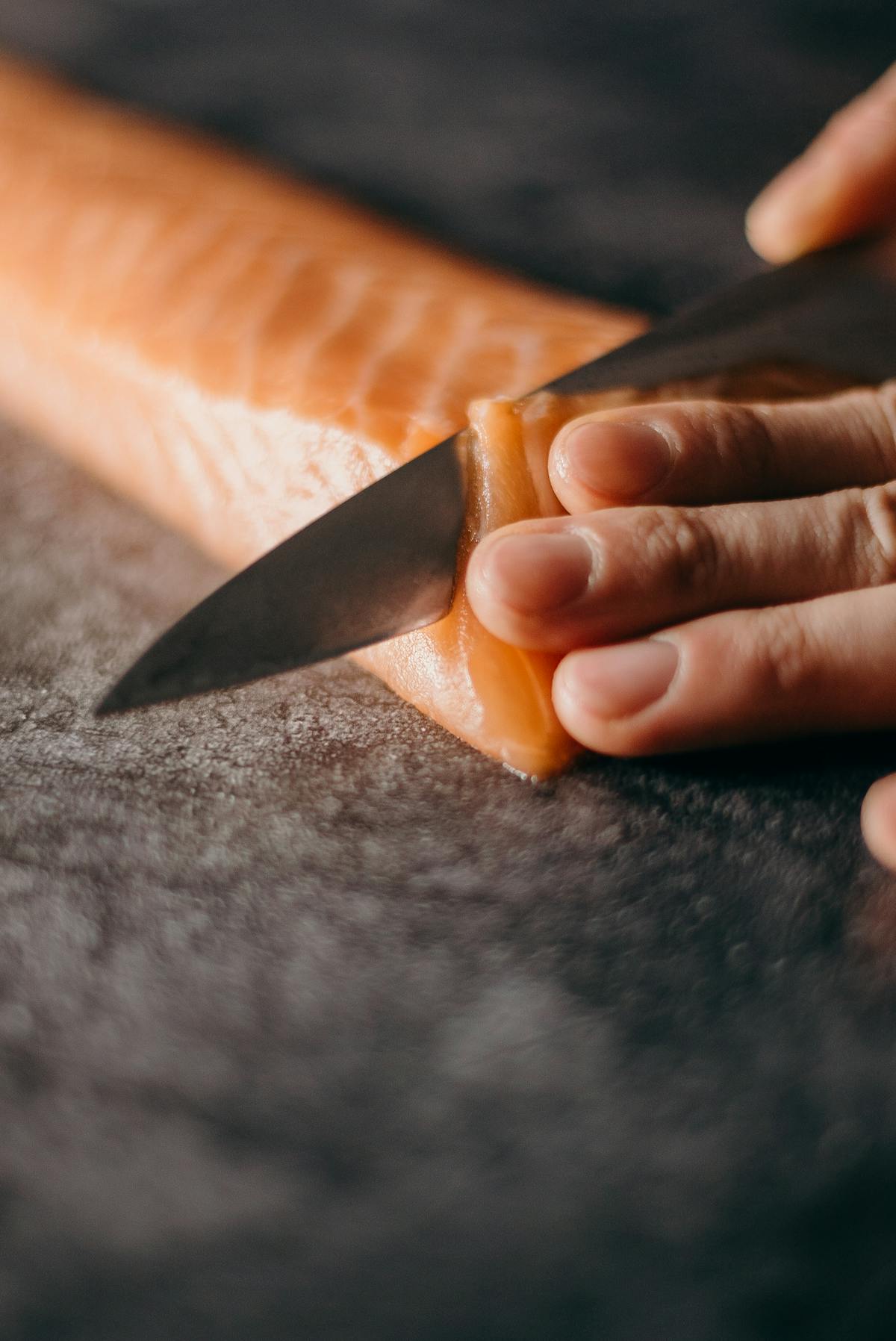
- Sharp knife and cutting board
- Zester or fine grater for lemon zest
- Measuring spoons and cups
Step-by-Step Instructions
- Preheat the oven.
Heat your oven to 400°F (200°C). Line a baking sheet with parchment paper for easier cleanup, if you like. - Toss the chickpeas and vegetables.
In a large bowl, combine the cherry tomatoes, chickpeas, olives, red onion, and garlic. Add the olive oil, lemon zest, lemon juice, oregano, thyme, paprika, and a generous pinch of salt and pepper. Toss until everything is lightly coated and glossy. - Spread on the pan.
Pour the chickpea–tomato mixture onto the baking sheet and spread into an even layer, leaving a few gaps for the salmon fillets. - Season the salmon.
Pat the salmon fillets dry with a paper towel. Season both sides with salt, pepper, and a light drizzle of olive oil. Nestle the fillets skin-side down among the vegetables. - Roast until just cooked.
Roast for 12–15 minutes, or until the salmon is nearly opaque and flakes easily with a fork. Thinner fillets will cook faster; thicker center-cut pieces may need an extra 2–3 minutes. - Broil for a touch of color (optional).
If you like a deeper golden finish, switch to broil for 1–2 minutes at the end, watching closely to avoid overcooking. - Finish with herbs and feta.
Remove from the oven and immediately sprinkle with chopped parsley or basil and crumbled feta, if using. Add a final squeeze of lemon and a drizzle of fresh extra-virgin olive oil over the top for aroma and shine. - Serve the clean girl style.
Spoon a generous scoop of the chickpea–tomato mixture into shallow bowls, top with a salmon fillet, and serve alongside a portion of warm whole grains. Garnish with extra herbs and lemon wedges.
Tips, Variations & Dietary Swaps
Storage & Reheating
One-pan Mediterranean meals like this are excellent for meal prep—just be gentle when reheating the fish to keep it moist.
- Fridge: Store leftovers in an airtight container for up to 2 days. Keep the salmon pieces on top of the vegetables so they don’t break apart.
- Freezer: Cooked salmon can be frozen, but the texture is best when enjoyed fresh or within a day or two. The chickpea–vegetable mixture freezes better on its own.
- Reheating (oven): Warm in a 275°F (135°C) oven for 8–10 minutes, just until the salmon is heated through.
- Reheating (stovetop): Gently reheat the chickpeas and vegetables in a covered skillet with a splash of water or broth; add the salmon at the end to warm through.
Serving Suggestions & Complementary Dishes
To lean fully into the Mediterranean longevity feel, surround this salmon with simple, vibrant sides rather than heavy extras.
- Fresh salad: A crisp tomato–cucumber salad with red onion, parsley, and a light olive oil–lemon dressing.
- Leafy greens: Arugula or mixed greens tossed with lemon, olive oil, and a pinch of sea salt.
- Whole grains: Warm farro or barley for chewy texture and extra fiber.
- Mezze board: Hummus, crudités, and a small handful of nuts for an appetizer or light lunch.
- Simple dessert: Fresh seasonal fruit—berries, figs, or orange slices—with a drizzle of honey and a spoon of yogurt.
Bringing Mediterranean Longevity Eating into Your Everyday Life
The clean girl Mediterranean trend may look glamorous, but at its heart it’s about something simple: building most of your meals around plants, healthy fats, and minimally processed ingredients—and doing it in a way that feels joyful rather than punishing.
You don’t need a marble countertop or rare olive oil to participate. A can of chickpeas, a pile of tomatoes, some frozen fish, and a bottle of good-enough extra-virgin olive oil are powerful tools. If you can get into the habit of filling your plate with color, drizzling with olive oil, and seasoning generously with herbs, you’re already living much of the Mediterranean longevity story.
Start with one recipe—like the one-pan salmon above—and let it evolve. Swap in your favorite vegetables, try different legumes, experiment with grains from your own culture. The most sustainable Mediterranean diet is the one that genuinely fits your tastes, budget, and lifestyle.

