
Why Blue Zones & Mediterranean Meals Are the New Longevity Food Trend Everyone’s Cooking
Mediterranean‑Inspired & Blue Zones Eating: The Longevity Diet Trend (Plus a Cozy Bean Stew Recipe)
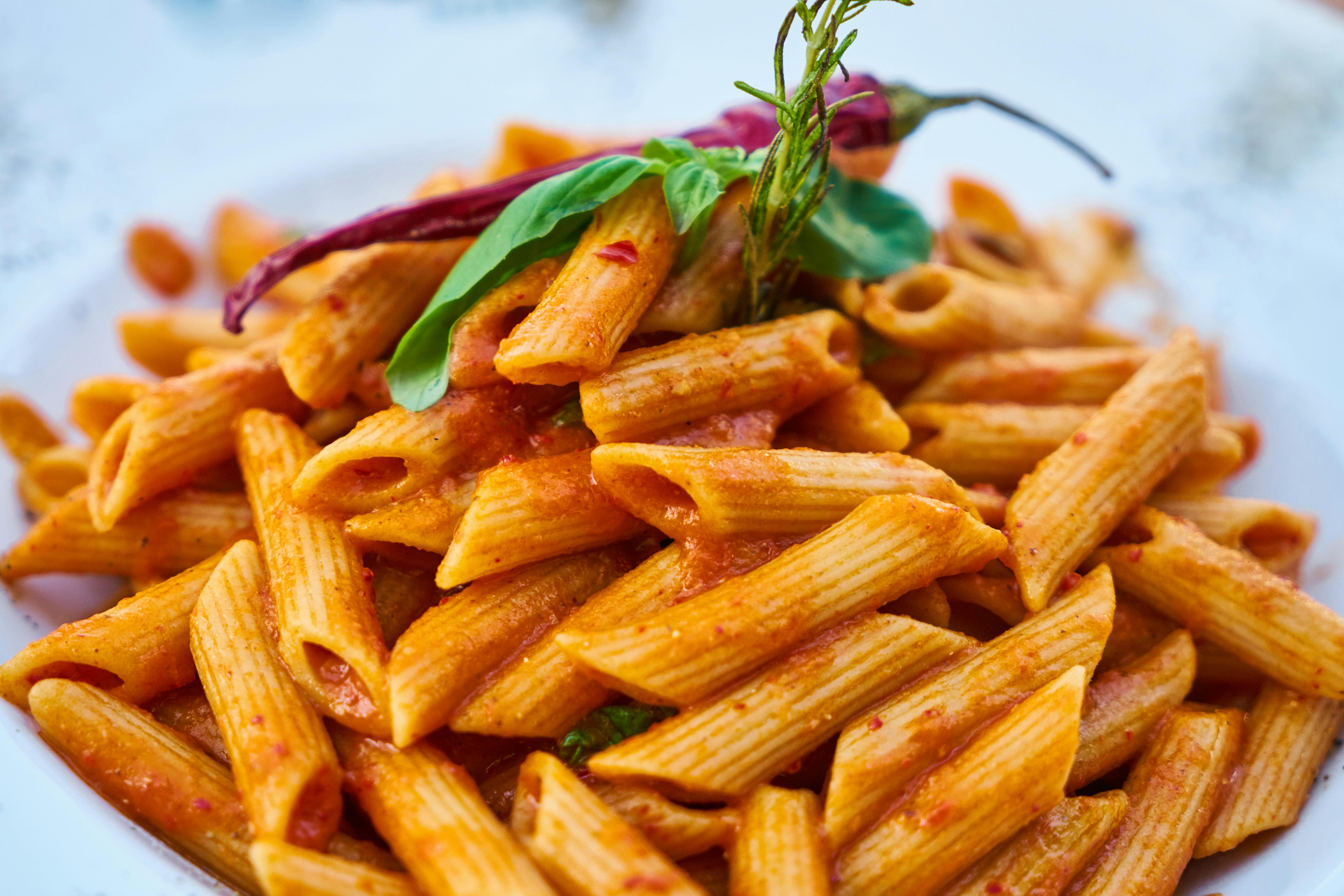
Mediterranean-style diets and Blue Zones inspired eating are having a moment—and for good reason. Instead of rigid rules and rapid weight-loss promises, this trend celebrates slow, joyful meals built around plants, whole grains, beans, olive oil, and community. From Sardinia to Okinawa, traditional ways of eating are being reimagined in home kitchens as “longevity meals” that are as comforting as they are nourishing.
On Netflix, TikTok, and YouTube, creators share big pots of bean stews, lentil soups, sourdough dipped in extra-virgin olive oil, and vibrant vegetable platters. The Mediterranean diet has shifted from “heart-healthy plan” to full lifestyle: walking after meals, eating with friends, and savoring food slowly. At the same time, dietitians remind us that the goal isn’t to copy one village’s menu, but to embrace the core principles—mostly plants, minimally processed foods, healthy fats, and supportive social habits—wherever we live.
Why Mediterranean & Blue Zones Eating Is Trending
The rise of longevity-focused eating is a quiet rebellion against extreme elimination diets. Instead of cutting carbs or fearing fats, people are leaning into:
- Abundance over restriction: Adding beans, veggies, nuts, and olive oil rather than obsessing over what to remove.
- Whole, minimally processed foods: Big salads, grain bowls, hearty stews, and homemade breads replace ultra-processed snacks.
- Lifestyle, not just diet: Blue Zones emphasize walking, low stress, and shared meals as much as the food itself.
On social platforms, hashtags like #mediterraneandiet, #bluezones, and #longevitymeals highlight:
- Budget-friendly bean dishes.
- Meal prep ideas centered on lentils, chickpeas, and whole grains.
- Flexible recipes that can be adapted to different cultures and pantries.
“The key is not to perfectly copy Sardinian or Okinawan menus, but to adopt the underlying principles: mostly plants, minimally processed foods, healthy fats, and strong social and lifestyle habits.”
The Science Behind Longevity‑Focused Eating
From a research perspective, Mediterranean-style dietary patterns are among the most well-studied in the world. Observational studies and randomized controlled trials have repeatedly linked them to:
- Lower cardiovascular disease risk and improved cholesterol profiles.
- Better blood sugar regulation and reduced risk of type 2 diabetes.
- Reduced inflammation and improved metabolic health markers.
- Lower all-cause mortality over time.
Blue Zones and Mediterranean diets share several nutrient-dense cornerstones:
- Legumes (beans, lentils, chickpeas): Packed with fiber, plant protein, magnesium, and potassium.
- Whole grains: Provide sustained energy and feed beneficial gut microbes.
- Nuts & seeds: Rich in healthy fats, minerals, and satisfying crunch.
- Olive oil: A source of monounsaturated fats and polyphenols, linked to heart health.
- Plenty of vegetables and fruits: High in vitamins, antioxidants, and diverse fibers.

A Cozy Mediterranean‑Inspired Longevity Bean Stew
To bring these Blue Zones and Mediterranean principles into your kitchen, let’s make a Hearty Mediterranean‑Inspired White Bean & Vegetable Stew. It’s naturally high in fiber, vegetarian (and easily made vegan), and built almost entirely from pantry staples—perfect for weeknights and meal prep.
Imagine a pot of beans simmering gently with sweet onion, garlic, tomatoes, and fragrant herbs. The stew thickens as the beans release their starch, while a final drizzle of bright, peppery olive oil ties it all together. Serve it with a chunk of whole‑grain bread or a scoop of barley, and you have a complete, deeply satisfying longevity‑style meal.
Quick Recipe Summary
Prep Time: 15 minutes
Cook Time: 35 minutes
Total Time: ~50 minutes
Servings: 4 generous bowls
Difficulty: Easy
Diet: Vegetarian, easily vegan, high-fiber, Mediterranean-inspired
Ingredients for Mediterranean‑Inspired White Bean & Vegetable Stew
Pantry & Fresh Ingredients
- 2 tbsp extra‑virgin olive oil, plus more for drizzling
- 1 medium yellow onion, finely chopped
- 2 medium carrots, diced
- 2 celery stalks, diced
- 3–4 garlic cloves, minced
- 1 red bell pepper, chopped (optional but recommended)
- 1 tsp fine sea salt, plus more to taste
- Freshly ground black pepper, to taste
- 1 tsp smoked paprika or sweet paprika
- 1 tsp dried oregano
- 1 tsp dried thyme or dried rosemary, lightly crushed
- 1 bay leaf
- 1 can (400 g / 14 oz) crushed or diced tomatoes, unsalted if possible
- 2 cans (400 g / 14 oz each) white beans (cannellini, Great Northern, or butter beans), drained and rinsed
- 3–4 cups (720–960 ml) low‑sodium vegetable broth or water, more as needed
- 1 small bunch lacinato (Tuscan) kale or spinach, stems removed and leaves roughly chopped
- 1–2 tbsp freshly squeezed lemon juice (about 1/2 lemon), plus extra wedges for serving
- 2–3 tbsp chopped fresh parsley or basil for garnish
To Serve (Optional but Delicious)
- Warm whole‑grain or sourdough bread
- Cooked barley, farro, or brown rice
- A spoonful of plain yogurt or plant-based yogurt (for a creamy swirl)
- Extra chili flakes for gentle heat
Equipment You’ll Need
- Large, heavy-bottomed pot or Dutch oven (at least 4–5 quarts)
- Cutting board and sharp chef’s knife
- Wooden spoon or heat-safe spatula
- Measuring cups and spoons
- Ladle for serving
Step‑by‑Step Instructions
- Prep your vegetables.
Chop the onion, carrots, celery, bell pepper (if using), garlic, and greens. Having everything ready makes the cooking process smooth and relaxed.
- Sauté the aromatics.
Warm 2 tbsp olive oil in your pot over medium heat. Add the onion, carrots, and celery with a pinch of salt. Cook, stirring occasionally, for 6–8 minutes until the onion is translucent and the vegetables have softened slightly.
Gently sautéing onion, carrot, and celery builds the sweet, savory base of the stew. - Add garlic and spices.
Stir in the garlic and bell pepper. Cook for 1–2 minutes until fragrant but not browned. Sprinkle in the smoked paprika, oregano, thyme (or rosemary), and another small pinch of salt. Toast the spices in the oil for about 30 seconds to bloom their flavors.
- Build the stew base.
Pour in the crushed or diced tomatoes and stir, scraping up any bits stuck to the bottom of the pot. Add the drained beans, bay leaf, and 3 cups of broth or water. Stir well to combine.

Beans, tomatoes, and aromatics come together into a hearty, Mediterranean-inspired stew base. - Simmer gently.
Bring the stew to a gentle boil, then reduce the heat to low and partially cover. Simmer for 20–25 minutes, stirring occasionally, until the vegetables are very tender and the flavors have melded. If the stew becomes too thick, add more broth or water 1/4 cup at a time.
- Add the greens.
Stir in the chopped kale or spinach. Simmer for another 5 minutes (a bit longer for kale, shorter for spinach) until the greens are tender and bright. Turn off the heat, remove the bay leaf, and stir in the lemon juice.

Adding greens at the end keeps them vibrant and preserves their delicate flavor and nutrients. - Season and finish.
Taste and adjust: add more salt, pepper, or lemon juice as needed. If you like a silkier mouthfeel, swirl in another teaspoon or two of olive oil. The stew should taste bright, savory, and deeply comforting.
- Serve the longevity bowl.
Ladle the stew into warm bowls. Top with chopped parsley or basil, an extra drizzle of olive oil, and a grind of black pepper or pinch of chili flakes. Serve with whole‑grain bread or over a scoop of barley or brown rice.

Serve your Mediterranean-inspired bean stew with rustic bread or grains for a complete, Blue Zones style meal.
Variations: Make It Your Own (Blue Zones Style)
- Greek‑inspired: Add a spoonful of olives near the end and sprinkle with crumbled feta (or vegan feta) before serving.
- Sardinian twist: Use chickpeas and barley, and add extra rosemary for an earthy aroma.
- Okinawa‑inspired fusion: Swap some of the beans for sweet potato cubes and add a splash of soy sauce or tamari.
- Spicier version: Add a pinch of chili flakes with the garlic, or stir in a spoonful of harissa for heat and complexity.
- Extra‑protein upgrade: Stir in cooked lentils or add a small handful of toasted nuts or seeds on top.
Storage & Reheating Tips
Refrigerator
Let the stew cool to room temperature, then transfer to an airtight container. Store in the fridge for up to 4 days. The flavors often deepen by day 2.
Freezer
Portion into freezer-safe containers, leaving a little headspace. Freeze for up to 3 months. Thaw overnight in the refrigerator before reheating.
Reheating
- Stovetop: Warm in a small pot over medium-low heat, adding a splash of water or broth if it has thickened. Stir occasionally until hot.
- Microwave: Heat in a microwave‑safe bowl in 1–2 minute bursts, stirring in between, until steaming.
Serving Ideas & Complementary Dishes
To build a full Mediterranean‑inspired, Blue Zones‑style meal around this stew, pair it with:
- Simple green salad with mixed leaves, cucumber, tomato, lemon, and olive oil.
- Whole‑grain side like barley, farro, brown rice, or quinoa.
- Marinated vegetables (eggplant, peppers, or artichokes) for extra color and flavor.
- A small serving of fermented dairy such as plain yogurt, if it fits your diet.
- Fresh fruit—oranges, berries, or seasonal fruit—to finish the meal lightly.
If you enjoy wine and it aligns with your health needs, a small glass of red wine with a meal—sipped slowly and socially— can fit into some Mediterranean patterns, though it’s always optional and never required for health.
Key Takeaways: Bringing Longevity Eating Home
Mediterranean and Blue Zones eating isn’t about perfection or strict rules. It’s about small, delicious choices that add up:
- Center meals around plants, especially beans, whole grains, and vegetables.
- Use olive oil and nuts instead of highly processed fats.
- Choose minimally processed, simple ingredients most of the time.
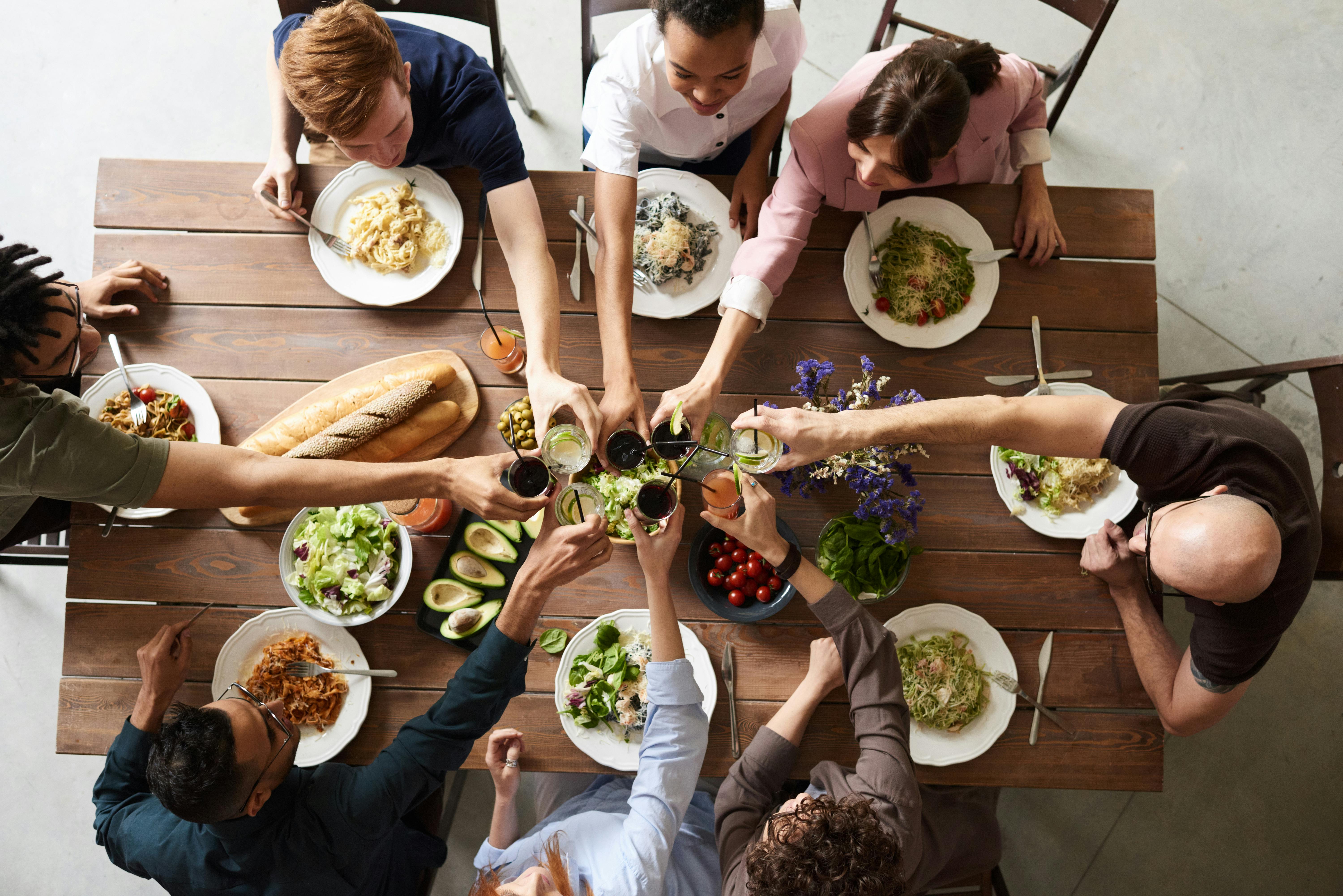
- Eat slowly, ideally with others, and move your body regularly.
- Let your food reflect your culture and preferences while honoring these core principles.
This bean stew is just one template: a warm, comforting bowl that fits beautifully into a longevity‑focused way of eating. Make it once, then tweak it until it feels like your own signature “live‑well” pot of goodness.
