
Why ‘AI‑PCs’ and Smart Laptops Could Change Everyday Computing Forever
AI‑PCs and next‑generation “smart laptops” sit at the intersection of cutting‑edge hardware, operating systems, and the generative AI boom. From Windows Copilot+ PCs to Apple’s emerging on‑device models and Qualcomm/Intel/AMD NPU‑powered designs, the industry is racing to build machines that feel more like intelligent partners than passive tools.
In this article, we’ll unpack what NPUs are, how AI copilots work on modern laptops, what tech reviewers and researchers are actually finding in benchmarks, and what this means for performance, privacy, and the future of personal computing.
Mission Overview: What Is an “AI‑PC”?
“AI‑PC” is a marketing term, but underneath the buzzword there is a concrete architectural shift: laptops and desktops now ship with a third compute engine alongside the CPU and GPU—namely, an NPU or similar AI accelerator. These chips are tuned for neural network inference, allowing features like:
- Real‑time speech‑to‑text transcription and translation
- On‑device copilots for coding, writing, and email triage
- Background blur, eye‑contact correction, and noise suppression in video calls
- Image upscaling, enhancement, and lightweight generation
- Context‑aware automation (e.g., summarizing documents, spotting deadlines in emails)
“We’re designing PCs where AI is not a feature you open, but a capability that permeates everything you do on the device.”
Tech outlets such as The Verge, Engadget, TechRadar, and Ars Technica now routinely benchmark this third processor class, asking whether it meaningfully changes day‑to‑day computing—or simply adds another sticker on the palm rest.
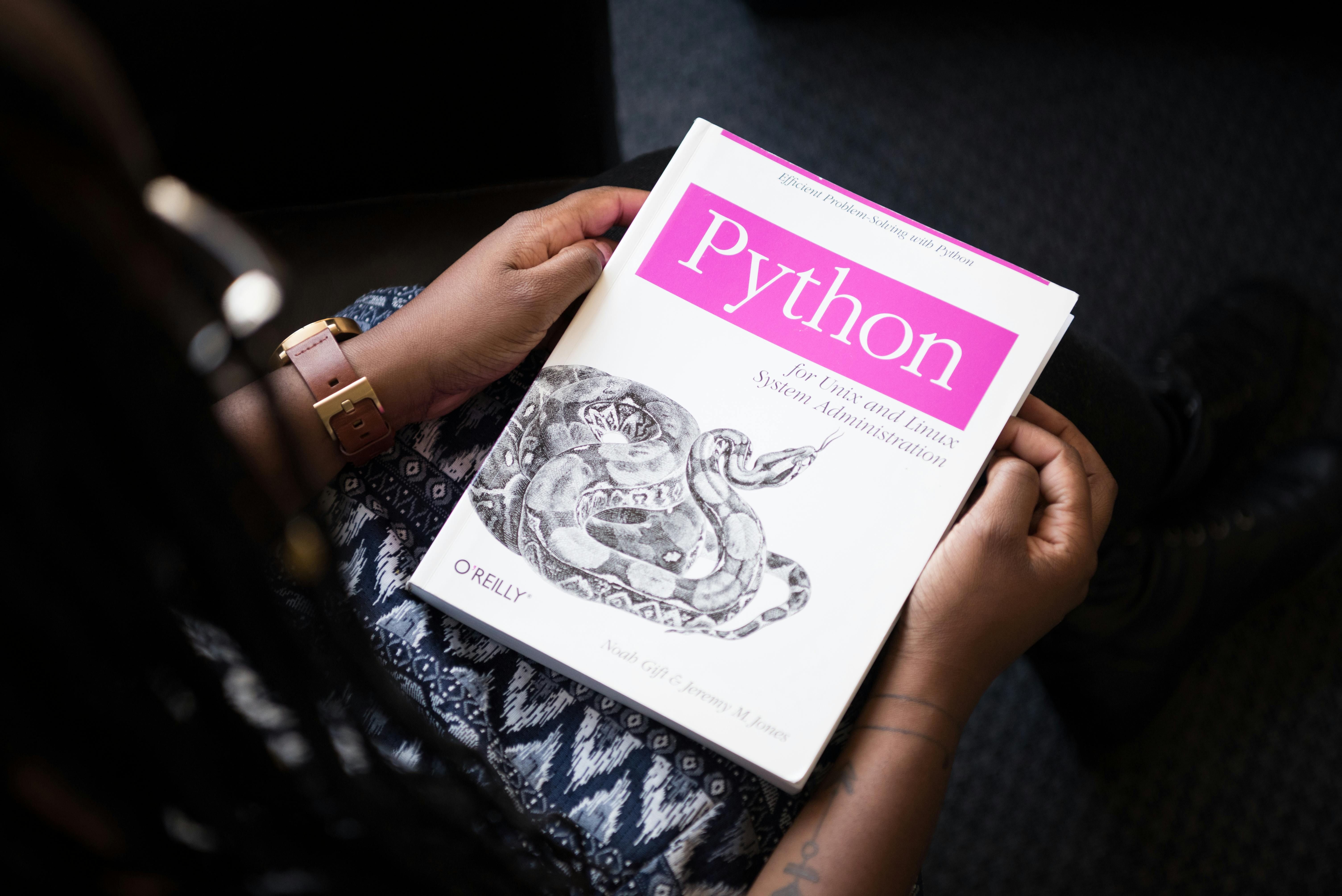

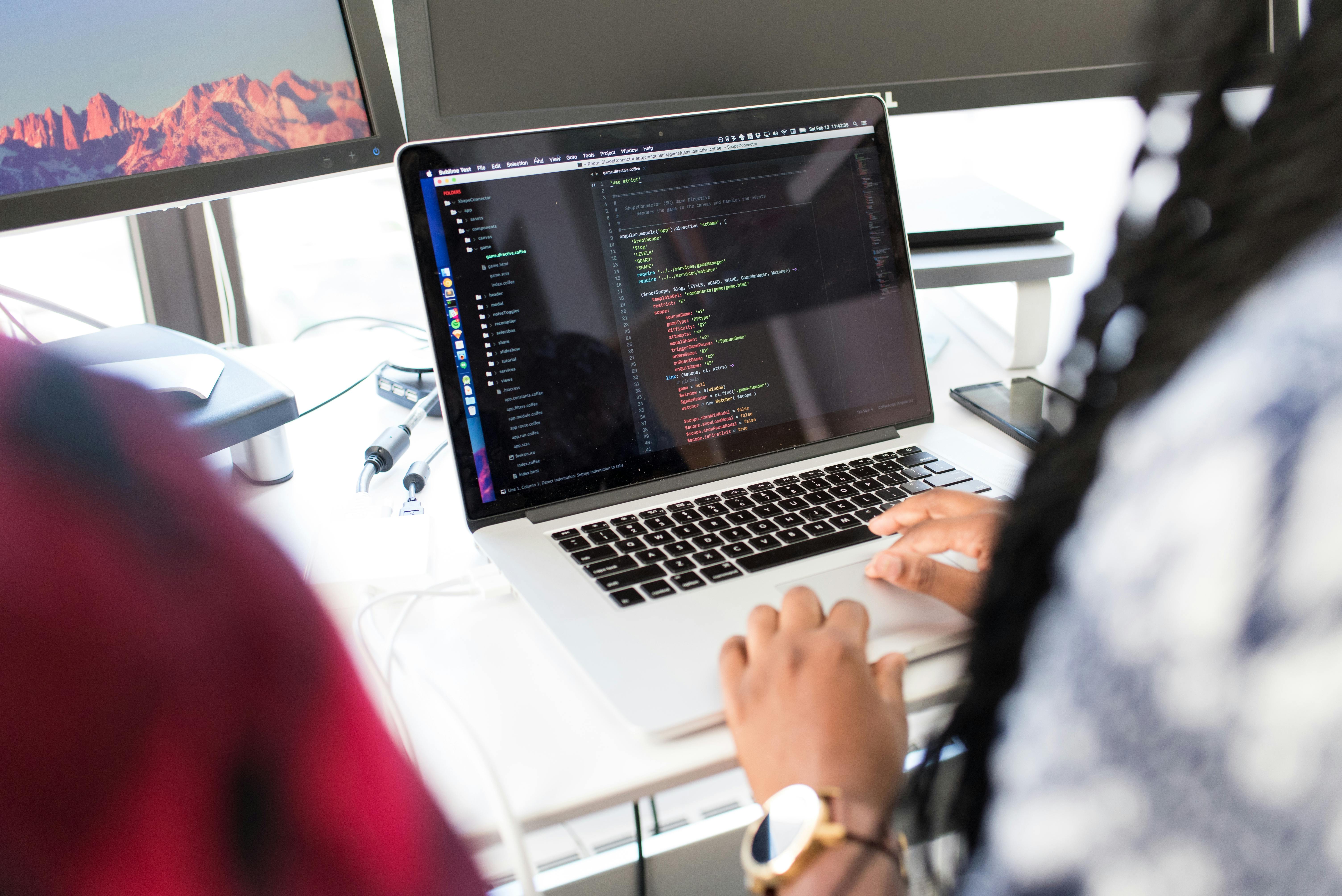
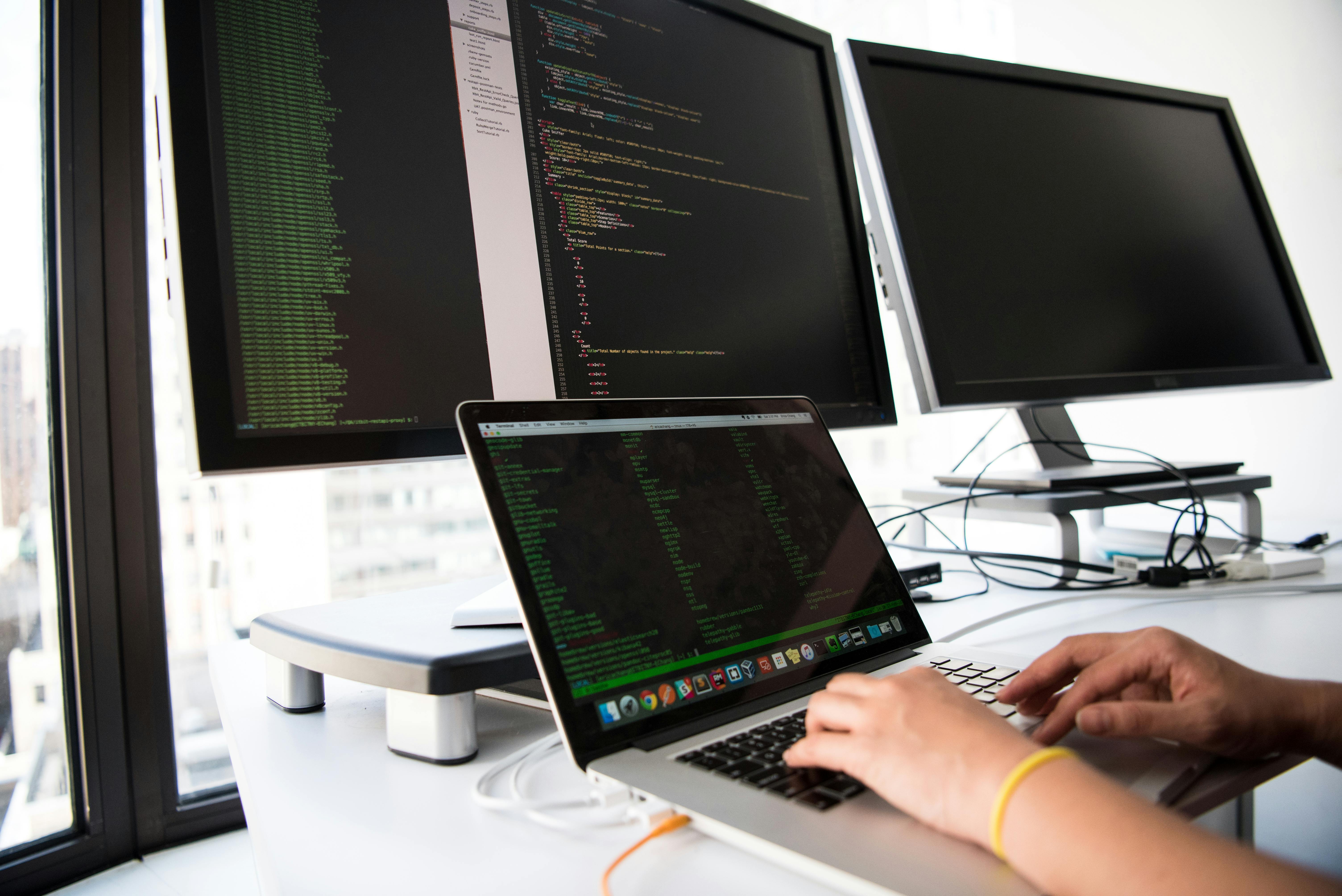
Visualizing the AI‑PC Era
Technology: NPUs, Copilots, and the New PC Architecture
Traditional laptops rely on CPUs for general tasks and GPUs for graphics and heavy parallel workloads. NPUs add a third path optimized for tensor operations, low‑precision arithmetic (INT8, FP8, mixed precision), and massive parallelism.
What Is an NPU?
A Neural Processing Unit is a specialized accelerator designed to execute neural network inference efficiently. Instead of maximizing single‑threaded performance (like a CPU) or graphics throughput (like a GPU), NPUs optimize:
- Throughput on matrix multiplications: Core operation behind transformers and CNNs.
- Low‑power execution: Sustained performance within tight laptop power and thermal budgets.
- On‑chip memory and bandwidth: Keeping weights and activations close to the compute units.
For example:
- Intel Core Ultra (Meteor Lake / Lunar Lake) integrates an NPU branded as “Intel AI Boost.”
- AMD Ryzen AI APUs ship with XDNA‑based NPUs for Windows Copilot+ PCs.
- Qualcomm Snapdragon X Elite / X Plus SoCs deliver up to tens of TOPS of NPU performance for ARM‑based AI‑PCs.
- Apple uses its “Neural Engine” in M‑series chips (M1–M4) for on‑device inferencing in macOS and iOS.
How AI Copilots Use the Hardware
“Copilot” has become a generic label for AI assistants that blend large language models (LLMs) with contextual data from your device and apps. The implementation varies by platform:
- Local inference on NPUs: Smaller, optimized models (e.g., 1–10B parameters) run fully on‑device for latency‑sensitive tasks like live transcription, smart replies, or “rewrite this email.”
- Hybrid cloud + local: The PC pre‑processes or summarizes data locally, then selectively calls large cloud LLMs for complex tasks (code generation, deep reasoning).
- Offload to GPU/CPU when needed: If models exceed NPU capacity, workloads spill over to GPU or CPU, at the cost of power and heat.
“The most interesting AI‑PCs are not just faster laptops; they are new runtime environments where workloads fluidly move between CPU, GPU, NPU, and the cloud.”
Software Stacks and APIs
To expose these capabilities, vendors ship new runtime layers:
- Windows: Windows Studio Effects, Windows Copilot, ONNX Runtime, DirectML, and the Windows AI Library for developers.
- macOS: Core ML, Metal Performance Shaders, and tooling to quantize and deploy models to the Neural Engine.
- Cross‑platform: ONNX, TensorRT, and PyTorch/XLA backends targeting NPUs and GPUs.
Scientific Significance: Why Local AI Matters
Moving AI workloads from the cloud to the edge is not merely a UX upgrade; it is a shift in the science and economics of computing.
Latency, Bandwidth, and Energy
Local inference dramatically reduces round‑trip latency and network dependence:
- Interactive tasks: Code completion and text editing need sub‑100 ms responses for a fluid experience.
- Offline capability: Travelers, field workers, and journalists benefit from AI even with limited connectivity.
- Energy trade‑offs: Running small models on NPUs can be more energy‑efficient than repeatedly hitting cloud APIs.
Privacy and Data Residency
On‑device AI has the potential to reduce exposure of sensitive data:
- Emails, contracts, and internal documents can be summarized locally.
- Voice recordings and meeting transcripts do not need to leave the device.
- Personal context (calendar, browsing history) can remain private while still informing AI suggestions.
“Edge AI enables new privacy‑preserving architectures by bringing inference to where the data is generated.”
Human–Computer Interaction
The AI‑PC push is also a live experiment in next‑generation interfaces:
- Natural language as a primary interface: Talking to your laptop about documents, code, or media.
- Context‑aware automation: Systems that “notice” deadlines, tasks, or patterns and propose actions.
- Multimodal computing: Combining text, voice, images, and screen content in unified AI workflows.
Researchers in HCI and ubiquitous computing are watching closely to see whether these assistants become genuinely useful collaborators or intrusive overlays that users disable.
Milestones: How We Got Here
The AI‑PC story is the convergence of several historical threads in hardware and AI research.
Key Milestones in AI‑PC Development
- Early GPU compute (2006–2012): CUDA, OpenCL, and early deep learning labs demonstrated that parallel hardware could accelerate neural networks dramatically.
- Mobile NPUs (2017–2020): Apple’s A‑series Neural Engine, Google’s Pixel Visual Core/TPU, and Qualcomm Hexagon DSPs popularized on‑device AI for phones.
- Transformer revolution (2017+): Models like BERT and GPT made text understanding and generation mainstream, but initially required data center‑class GPUs.
- Consumer LLM boom (2022–2023): ChatGPT and other generative systems triggered a surge in demand for AI‑assisted work and creativity tools.
- First “AI‑PC” branding (2023–2024): Intel, AMD, Qualcomm, and Microsoft coordinated to define NPU performance thresholds for Copilot+ PCs.
- Hybrid and local models (2024–2026): More capable small and medium‑sized models (e.g., Llama variants, Phi, Gemma‑class models) became deployable on laptops with quantization and optimization.
YouTube channels like Linus Tech Tips, David Bombal, and MKBHD have chronicled this shift with teardown videos, NPU benchmarks, and “day in the life with an AI laptop” experiments.
Real‑World Workloads: How People Actually Use AI‑PCs
Across YouTube, TikTok, and tech forums, several recurring patterns emerge in how users test and adopt AI‑PCs:
- Developers: Running local code copilots, testing containerized LLMs, and using NPUs to accelerate inference for internal tools.
- Content creators: Leveraging AI‑powered noise reduction, auto‑cut, smart b‑roll suggestions, and captioning in tools like Premiere Pro, DaVinci Resolve, and CapCut.
- Knowledge workers: Using AI to summarize meetings, draft proposals, clean up spreadsheets, and manage overflowing inboxes.
- Students: Running study assistants, citation helpers, and note‑summarization tools while universities grapple with new academic integrity rules.
Benchmark videos often compare:
- NPU vs GPU vs CPU power draw during sustained AI tasks.
- Latency differences between cloud‑only copilots and hybrid/local setups.
- Battery life impact when AI features are toggled on or off.
Early impressions suggest that while GPUs still dominate for large, heavy models, NPUs are winning for continuous, low‑power workloads like live transcription, background effects, and lightweight on‑device models.
Privacy, Security, and Enterprise Concerns
AI‑PC marketing strongly emphasizes privacy: by processing more data locally, vendors claim to reduce the risk of mass data collection in the cloud. However, the reality is nuanced.
Potential Privacy Gains
- Documents can be indexed and summarized locally instead of uploaded.
- Voice assistants may transcribe audio on‑device and send only anonymized or partial data if needed.
- Local models can be customized to your data without sharing it externally.
Remaining Risks and Open Questions
- Telemetry: Many systems still send usage metrics and prompts to vendors for “quality improvement.”
- Model updates: Updated models downloaded from the cloud may change behavior, raising transparency issues.
- Enterprise governance: Companies must ensure that on‑device AI respects data loss prevention (DLP) and compliance constraints.
“On‑device AI is not inherently private or safe; it merely changes where the risks and responsibilities lie.”
Enterprise buyers, as reported by outlets like TechCrunch and Recode, are demanding:
- Clear separation between consumer and enterprise copilots.
- Auditable logs of AI actions and data access.
- Policy controls to restrict which data AI assistants can see.
Choosing an AI‑PC: Practical Buying Guide
If you are considering an AI‑PC or smart laptop, focus on more than just the “AI” badge. Evaluate the full system.
Key Specifications to Consider
- NPU performance: Check TOPS ratings and supported frameworks (ONNX, DirectML, Core ML).
- CPU/GPU balance: Ensure the CPU and integrated/discrete GPU are strong enough for your non‑AI workloads.
- Memory and storage: 16 GB RAM is a realistic baseline for serious AI work; 32 GB is ideal for local models.
- Battery life: Look for independent reviews with AI features enabled.
- Thermals and noise: Sustained NPU/GPU workloads can reveal weak cooling designs.
Popular AI‑Ready Laptops (U.S. Market Examples)
These machines are frequently highlighted in reviews as being well‑suited for AI‑assisted workflows:
- ASUS Zenbook S 14 OLED (Copilot+ PC, Intel Core Ultra) – Known for a strong NPU, OLED display, and portability.
- Lenovo Yoga 7i (Intel Core Ultra) – 2‑in‑1 form factor with NPU acceleration and solid battery life.
- Microsoft Surface Laptop (Copilot+ PC, Snapdragon X Elite) – Flagship ARM‑based AI‑PC optimized for Windows Studio Effects and Copilot.
- Apple MacBook Air 13‑inch (M3) – While not labeled as an “AI‑PC,” Apple’s Neural Engine and optimized software make it strong for on‑device AI tasks in macOS.
Always cross‑check with recent reviews from sources like The Verge laptop reviews and Notebookcheck for up‑to‑date performance and battery testing.
Challenges: Hype, Fragmentation, and Sustainability
Despite the excitement, AI‑PCs face several critical challenges.
1. Hype vs. Real Utility
Reviewers at outlets like Wired and The Verge have questioned whether early AI features are transformative or just incremental:
- Some “AI” branding covers features that existed before (noise suppression, OCR) with improved models.
- Recall‑style features that record and index your entire screen raise major privacy and UX concerns.
- Many tasks still rely on cloud models despite the presence of NPUs.
2. Software Fragmentation
Developers must navigate a patchwork of vendor‑specific SDKs, making cross‑platform AI app development harder:
- Different ONNX extensions and runtime quirks between Intel, AMD, and Qualcomm.
- Separate optimization pipelines for Windows and macOS (DirectML vs Core ML).
- Rapidly evolving APIs that may break compatibility or require frequent rewrites.
3. Environmental and Ethical Considerations
While NPUs are energy‑efficient at the device level, the overall ecosystem has costs:
- Embodied energy: Manufacturing new AI‑PCs consumes resources; upgrading solely for AI stickers may not be sustainable.
- Cloud complement: Hybrid models still depend on energy‑intensive data centers.
- AI ethics: Local models can inherit biases, hallucinate, or generate misleading content without clear guardrails.
“We have to design AI systems—cloud or edge—with safety and societal impact as first‑class constraints, not afterthoughts.”
Getting Started: Building Your Own Local AI Toolkit
If you already own a reasonably recent laptop—even if it’s not branded an “AI‑PC”—you can start experimenting with local AI today.
Example Local AI Stack
- LLMs: Use tools like Ollama or LM Studio to run quantized models on CPU/GPU/Apple Neural Engine.
- Transcription: Deploy Whisper variants locally for speech‑to‑text.
- Vision: Run image captioning or simple generative models via ONNX Runtime or PyTorch.
For developers interested in hands‑on experimentation, a good starting hardware kit is a mid‑range NPU‑equipped laptop plus an external SSD for datasets. Accessories like:
- Samsung T7 Portable SSD – for fast local storage of models and media.
- Anker USB‑C Hub – to connect multiple peripherals while testing AI video and audio workflows.
Conclusion: Are AI‑PCs Worth It?
AI‑PCs and next‑gen smart laptops are not a passing fad; they are the early stages of a broader shift toward ambient, context‑aware computing. NPUs, improved software stacks, and on‑device models collectively move intelligence closer to the user, with tangible benefits in responsiveness and privacy.
However, the value you get today depends heavily on your workload:
- High value: Developers, video editors, podcasters, heavy note‑takers, and people who live in video calls.
- Moderate value: General office users who appreciate small but persistent boosts (better autocorrect, smart email replies).
- Limited short‑term value: Light browsers and casual users whose needs are already met by older hardware.
The safest strategy is to treat AI‑PCs as “future‑proofed” devices. If you already plan to upgrade, choosing a machine with a capable NPU and good overall specs positions you well for the next several years of software evolution—without buying into the most speculative promises.
Additional Tips and Resources
To stay current on AI‑PC developments:
- Follow hardware‑focused sites like Tom’s Hardware and Notebookcheck for deep dives.
- Track AI research through arXiv and conference talks (NeurIPS, ICML, ICLR) on efficient and edge AI.
- Watch engineering‑focused YouTube channels that benchmark NPUs and local models.
- Join communities like Hacker News and relevant subreddits (e.g., r/hardware, r/MachineLearning) for real‑world experiences.
As small, efficient models improve and standards around NPU programming mature, expect AI‑PCs to move from a niche enthusiast topic to the default way consumers think about computers—always‑on, context‑aware, and increasingly capable of understanding the world around them.
References / Sources
- The Verge – AI‑PC and Copilot+ PC coverage
- Ars Technica – Laptop and NPU teardown articles
- Engadget – AI‑PC news and reviews
- TechRadar – Best AI laptops guide
- Microsoft – Windows AI platform documentation
- Apple – Machine Learning and Core ML documentation
- Google AI Blog – On‑device and edge AI posts
- Electronic Frontier Foundation – AI privacy and security commentary
