
Why 2026 Could Break Media — And How Audiences Can Still Save It
2026: The Year Media’s Slow Crisis Turns Urgent
The media meltdown people have been nervously forecasting for a decade is no longer hypothetical in 2026. Streaming is shedding shows, movie slates are shrinking, local newsrooms are vanishing, and misinformation is filling the gaps faster than anyone can plug them. In a recent analysis for NPR, critic-at-large Eric Deggans argues that while the moment looks ominous, audiences have far more power than they realize to decide what survives — and what doesn’t.
This isn’t just about whether your favorite prestige drama gets a fourth season. It’s about whether trustworthy journalism and ambitious entertainment can still exist in an ecosystem increasingly optimized for rage, virality, and short-term profit.

How We Got Here: From Peak TV to Peak Uncertainty
To understand why 2026 feels so precarious, it helps to rewind. The 2010s were the Peak TV era: Netflix, Hulu, Amazon, and later Disney+, Max, and others fought for subscribers with increasingly expensive series. At the same time, digital news outlets chased ad dollars with scale-at-all-costs strategies.
Then came reality: investors lost patience, interest rates rose, cord-cutting accelerated, and the economics of “growth first, profit later” collapsed. Studios and streamers merged, downsized, or rebranded; newsrooms suffered layoffs or shuttered completely; social media became an even bigger gatekeeper of attention.
“The worst thing about today’s media environment is that, bad as it is, it's easy to imagine how things might get worse in 2026.”
— Eric Deggans, NPR critic-at-large
Deggans’ piece frames 2026 not as a sudden cliff but as the point where long-running trends converge: consolidation at the top, chaos in the middle, and a scramble for survival at the bottom.
Hollywood in 2026: Fewer Movies, Safer Bets, Weirder Gaps
The film and TV business enters 2026 still wobbling from pandemic shutdowns, labor strikes, and a streaming correction. The result is a landscape where theatrical releases skew heavily toward mega-franchises, while mid-budget films and experimental series struggle for air.
- Blockbusters still rule — Superhero stories and familiar IP continue to dominate release calendars, even as franchise fatigue sets in.
- Mid-budget dramas vanish — The kind of adult-focused, non-franchise films that once filled multiplexes are now festival darlings looking for a streamer, or they go straight to VOD.
- Series orders shrink — Fewer episodes, fewer seasons, and far less tolerance for slow-building shows.
Streaming platforms are also learning that owning everything isn’t sustainable. Expensive library titles get pulled for tax write-offs, international licensing deals reappear, and algorithm-driven promotion often buries riskier fare in favor of sure-things.
Streaming in 2026: From “Everything Library” to “Just Enough”
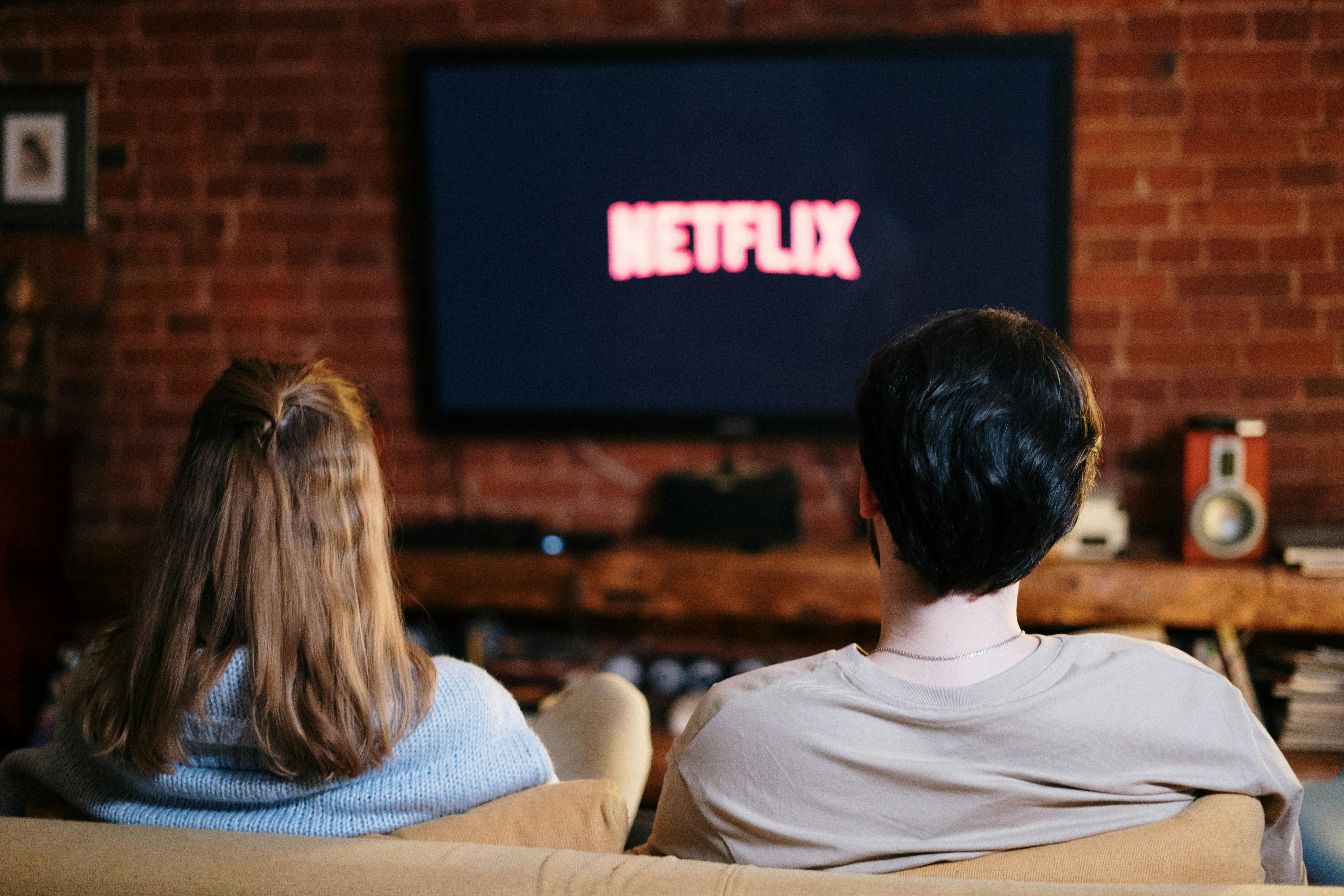
The streaming wars of the early 2020s promised unlimited choice for a single subscription. By 2026, that illusion is gone. Services are hiking prices, bundling like old-school cable, and bolting on ad tiers that look suspiciously like the TV they replaced.
Deggans highlights how this shift reshapes what gets made: executives favor shows that travel globally, retain subscribers, and inspire social chatter. That pressures creators to lean into recognizable formats and clear hooks.
- Algorithm anxiety: Creators design around “skip intro” and “watch next” behavior, hoping to survive early drop-off.
- Shorter runs: Getting past a second or third season is harder; long-arc storytelling becomes a luxury.
- Licensing returns: Old network and cable shows are back in demand as cheap, reliable comfort viewing.
For audiences, the paradox is clear: there’s more content than ever, but the space for unusual, challenging work is shrinking inside mainstream platforms.
Journalism Under Siege: Misinformation vs. Shrinking Newsrooms
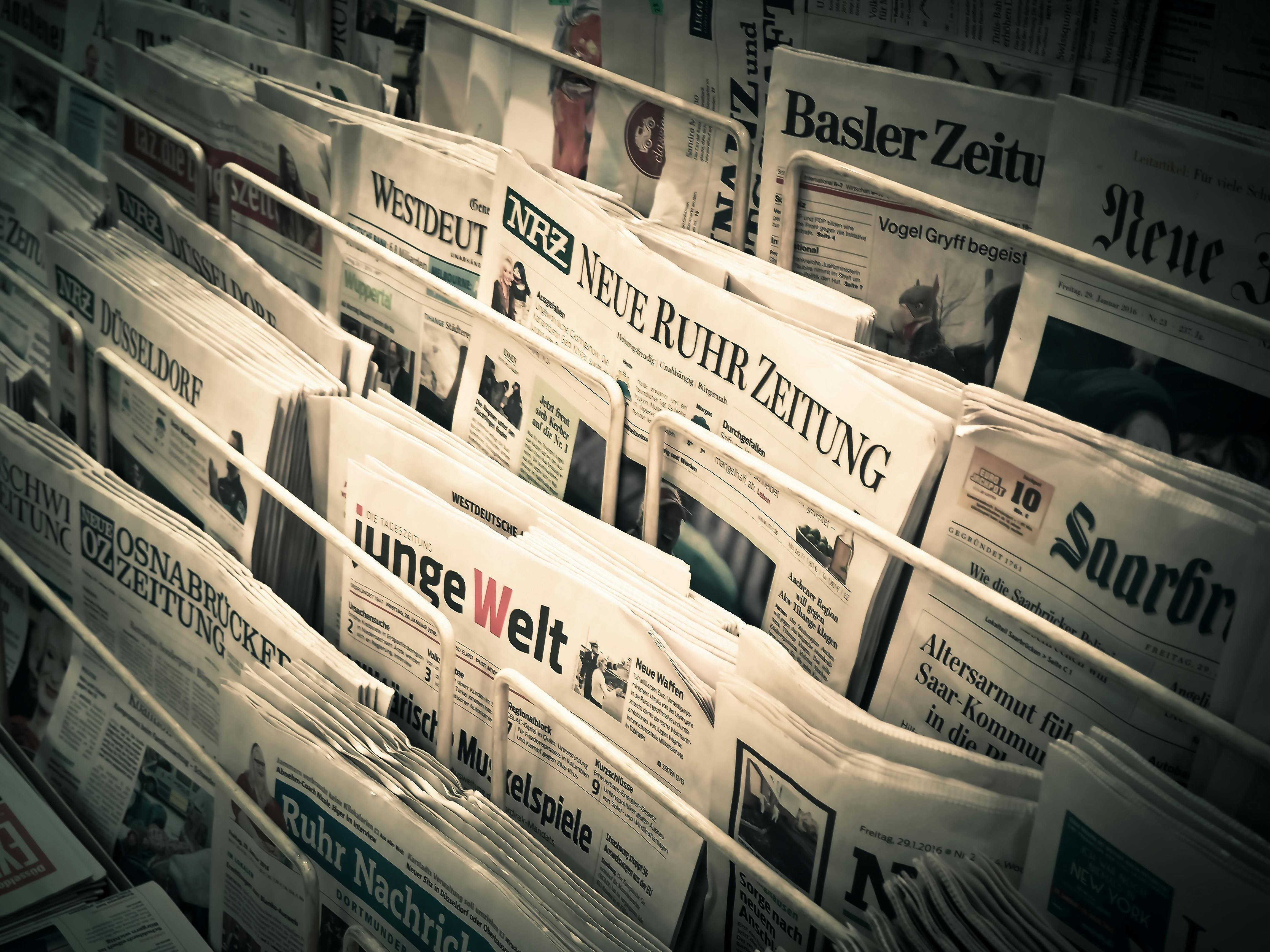
While Hollywood wrestles with profit and IP, traditional journalism faces a more existential question: can a broad public still access reliable reporting in a system that doesn’t really pay for it? Deggans points out that local outlets in particular are “buffeted on all sides by misinformation.”
The business model collapse is old news by now — classified ads vanished, digital ads migrated to Big Tech, and many readers got used to consuming news for free. But 2026 adds new layers: AI-generated content floods search results, partisan outlets weaponize outrage, and social platforms de-prioritize links to original reporting.
- Local news deserts: Entire regions now lack a robust daily newspaper or TV newsroom, leaving room for rumor and conspiracy.
- Trust gaps: Poll after poll shows audiences distrust institutions but still rely on headlines they see in feeds.
- Burnout in the ranks: Repeated layoffs and harassment of reporters erode the profession’s bench strength.
“In an age where anyone can publish, the hardest thing to sustain isn’t attention — it’s trust.”
— Paraphrasing a common theme in media criticism echoed by Deggans
Audiences Have More Power Than They Think in 2026
A core argument in Deggans’ NPR analysis is that even in this bleak climate, audiences aren’t powerless. The entire system still runs on attention — and to a surprising extent, on relatively small groups of dedicated viewers and readers who signal what they’re willing to support.
A few thousand new digital subscriptions can keep a local newsroom alive. A concentrated burst of viewing can nudge a streamer toward renewing a show. A vocal, organized fanbase can influence release strategies or even rescue “canceled” projects.
- Where you click matters — Outrage clicks reward the loudest, not the most accurate or creative voices.
- What you pay for matters more — Subscriptions, tickets, and donations are the strongest votes you can cast.
- What you share shapes the feed — Reposting considered journalism or under-the-radar art helps it reach beyond the converted.

Reading Deggans: Strengths, Weaknesses, and What He Gets Right
As a critic-at-large, Deggans is less interested in quarterly earnings than in what this shifting landscape feels like for ordinary people. His NPR piece draws lines between Hollywood’s cost-cutting, the erosion of local journalism, and the daily experience of trying to find something both worthwhile and trustworthy to watch or read.
Where the analysis lands strongly:
- He connects entertainment churn and news fragility as part of one attention economy, not separate silos.
- He foregrounds the role of audiences, refusing the easy narrative that “the algorithms” are solely to blame.
- He highlights the emotional toll: constant change makes it feel like nothing stable can be built.
Where it feels a bit thin:
- The piece hints at policy solutions (like antitrust or public funding for news) but doesn’t dig into them.
- Global perspectives are limited; non-U.S. markets often have different safeguards and public media structures.
Still, as a cultural temperature check, it’s effective: you come away with a sense of alarm, but also with a to-do list for your own media habits.
Possible Futures: Three Paths for News and Entertainment
If 2026 is an inflection point, what comes next? Extrapolating from Deggans’ concerns and broader industry trends, you can sketch a few rough scenarios.
- Algorithmic Monoculture
A handful of platforms and conglomerates dominate distribution. Most people consume a narrow band of content surfaced by recommendation engines, while independent work survives only at the margins. - Fragmented Niches
Audiences splinter into micro-communities supported directly through subscriptions, crowdfunding, and memberships. There’s less shared culture, but more diversity of voices — for those who can find them. - Hybrid Civic Media
Governments, philanthropies, and communities step up funding for public-interest journalism and arts, while commercial outlets lean into bigger, more populist entertainment. Public media becomes a stabilizing force amid commercial volatility.
Reality will likely be a messy blend of all three. Which elements dominate depends, in part, on how audiences behave now — what they demand, support, and reject.

Practical Ways to Support the Media Future You Want
Deggans’ central message is that 2026 doesn’t have to be the start of a long slide into worse news and duller entertainment. But avoiding that outcome requires more than nostalgic complaining about how things used to be.
A few concrete actions matter more than doomscrolling:
- Pick 1–2 outlets to pay for — a local paper, a public radio station, or a trusted digital magazine.
- Show up for ambitious work — buy tickets, rent the film, or stream the show in its early window.
- Audit your sharing habits — before reposting, check the source, headline, and date.
- Support creators directly — via memberships, Patreon-style platforms, or merch.
- Teach news & media literacy — especially to younger viewers and readers who may not remember a pre-algorithm world.
None of this single-handedly fixes Hollywood or rescues journalism. But at scale, these behaviors are exactly the signals that executives, editors, and investors read when they decide what to fund next.
Conclusion: 2026 Is a Warning Shot, Not the Credits
The ominous feeling around media in 2026 — from Hollywood’s retrenchment to journalism’s fragility — is justified. Deggans captures that sense that things could get worse quickly, and that none of the old models are coming back intact.
But the same technologies that empower misinformation and corporate consolidation also make it easier than ever to support the work you actually value, whether that’s a hyperlocal newsroom, a daring indie film, or a public media institution trying to serve everyone.
If there’s one takeaway from Deggans’ NPR piece, it’s this: 2026 is less a closing chapter than a test. Audiences can continue drifting through the feeds, letting algorithms decide what survives — or they can start acting like the stakeholders they already are.
