Why 10,000 Steps Is a Myth – And What Really Helps You Live Longer
You’ve probably heard it a hundred times: “Hit 10,000 steps a day if you want to live longer.” But here’s the twist – that iconic number didn’t come from a lab or a medical journal. It came from a 1960s marketing campaign for a pedometer in Japan. The science we have now paints a much more flexible – and encouraging – picture.
If you’re juggling work, family, fatigue, or an injury, chasing 10,000 steps can feel like yet another standard you’re failing to meet. You’re not failing. The target is just outdated. What really matters for longevity is a mix of:
- Getting “enough” steps (often fewer than 10,000)
- Walking a bit faster, at least some of the time
- Adding resistance training to protect muscle, bones, and metabolism

The 10,000 Steps Myth: Where It Came From (And Why It Stuck)
The “10,000 steps” rule traces back to a Japanese pedometer released before the 1964 Tokyo Olympics. It was called Manpo-kei, which roughly means “10,000 steps meter.” The number sounded impressive, round, and memorable – perfect for marketing. What it wasn’t based on at the time was long-term epidemiological research.
“There is nothing magical about 10,000 steps. For health and longevity, more is better than less, but the benefits start well below that number.” — Summary of findings from multiple large cohort studies published between 2019–2025
The idea stuck because it’s simple and easy to remember. But simplicity can also be misleading. For some people, 10,000 steps is too low to be challenging; for others, it’s unrealistically high. What you actually need depends on your age, baseline fitness, and how intensely you move.
What New Research Says: Fewer Steps Can Still Boost Longevity
Over the last decade, more people have worn activity trackers in large studies, giving researchers a clearer picture of how step counts relate to risk of early death, heart disease, and other conditions. Multiple studies published up to 2025 point to a similar conclusion: the biggest health gains happen when people move from very low activity to moderate levels – and that level is often below 10,000 steps.
- 4,000–6,000 steps/day is often associated with a noticeably lower risk of early death compared with being mostly sedentary.
- 6,000–8,000 steps/day appears to deliver substantial additional benefit, particularly in middle-aged and older adults.
- Beyond about 8,000–10,000 steps/day, benefits continue but tend to level off – you get smaller returns for each extra step.
One large analysis of tens of thousands of participants found that even around 4,000 steps per day was associated with a significantly lower risk of all-cause mortality compared with very low step counts. Another set of studies in older adults (60+) showed strong protective effects around 6,000–8,000 steps per day.
Why Walking Speed and Intensity Matter More Than Chasing a Number
Steps are only part of the story. How hard your heart and muscles are working – your intensity – is a major predictor of health outcomes. Brisk walking, where you can talk but not sing, is typically considered moderate intensity. Short bursts where you’re breathing harder and can only say a few words count as vigorous intensity.
- People with a faster habitual walking pace tend to have lower risks of heart disease and early death, regardless of exact step count.
- Studies using wearables show that bouts of moderate-to-vigorous activity pack more benefit per minute than low-intensity strolling.
- Even brief “exercise snacks” – 1–3 minute brisk efforts sprinkled through your day – are associated with better cardiovascular health.

This doesn’t mean you need to turn every walk into a race. It does mean that a smaller number of higher-quality steps can be more powerful than a bigger number of casual ones.
The Missing Piece: Resistance Training for a Longer, Stronger Life
Walking, cycling, and general movement are fantastic for your heart and metabolism. But for long-term vitality, you also need to protect your muscle mass and strength. After about age 30, most of us gradually lose muscle unless we regularly challenge it. This loss (sarcopenia) is linked to:
- Higher risk of falls and fractures
- Slower metabolism and easier weight gain
- Reduced independence in later life
Resistance training – using your body weight, resistance bands, free weights, or machines – directly counters this. Large studies and meta-analyses up to 2025 show that people who strength train at least 1–2 times per week tend to have:
- Lower all-cause mortality risk
- Better blood sugar control
- Improved bone density and joint health
A Realistic Weekly Plan for Longevity: Steps, Speed, and Strength
There’s no single “perfect” routine, but the pattern below reflects what many longevity and exercise guidelines now converge on: regular moderate movement, some higher-intensity bursts, and consistent resistance training.
- Set a sustainable step goal
- If you’re below 3,000 steps/day: aim for 4,000–5,000 most days.
- If you’re at 4,000–6,000: nudge toward 6,000–8,000.
- Use your phone or watch as a guide, but don’t obsess over perfection.
- Add two “brisk blocks” per day
- Choose 5–10 minutes in the morning and evening.
- Walk at a pace that raises your heart rate and shortens your sentences.
- Try hills, stairs, or simply a faster flat route.
- Do 2–3 resistance sessions each week
Each session can be 20–40 minutes and can be done at home or in a gym:
- Lower body: squats or sit-to-stands, lunges or step-ups, hip hinges (deadlifts with light weights or bands).
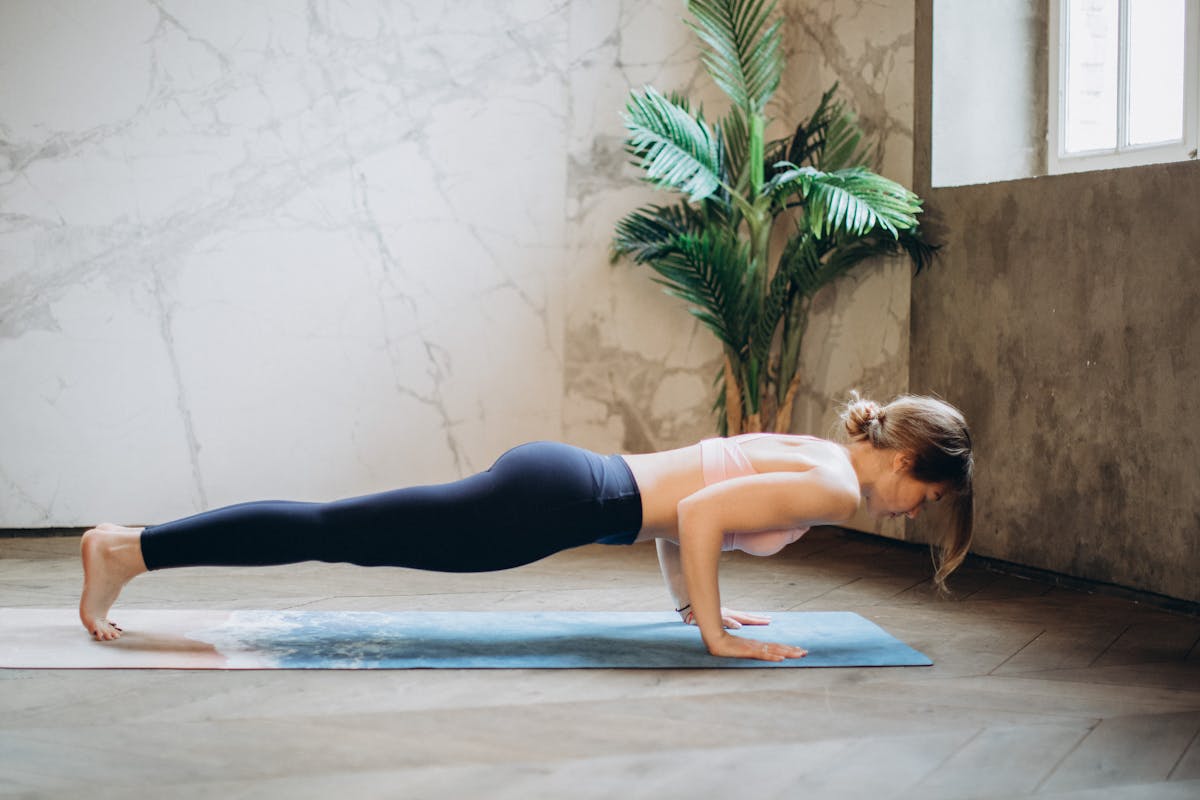
- Upper body: push-ups (incline if needed), rows (bands or dumbbells), overhead presses.
- Core: planks, side planks, dead bugs, bird-dogs.
- Sprinkle “movement snacks” into your day
- Stand up and walk for 1–3 minutes every hour of sitting.
- Calf raises while you wait for the kettle; bodyweight squats before a shower.
- Short, frequent bouts help counteract the risks of prolonged sitting.
- Prioritize recovery and sleep
- 7–9 hours of sleep helps your muscles adapt and your heart recover.
- Take at least one lighter day per week: gentle walking, stretching, or cycling.

Common Obstacles (and How to Navigate Them Without Guilt)
Life is messy. Illness, pain, caregiving, shift work, and mental health struggles can all make “perfect” routines impossible. You can still move toward better health by focusing on what’s realistically in your control.
1. “I sit all day for work.”
- Set a 45–60 minute timer to stand up, stretch, and walk briefly.
- Take phone calls while pacing or walking outside when possible.
- Use stairs instead of lifts for at least one or two floors.
2. “My joints hurt when I walk too much.”
- Try softer surfaces (tracks, trails) and supportive shoes.
- Swap some walking for low-impact options like cycling, swimming, or elliptical.
- Focus strongly on strength training to support your joints.
- If pain is persistent or worsening, speak with a healthcare professional for a tailored plan.
3. “I feel too tired to exercise.”
- Start tiny: 3–5 minutes of gentle walking or mobility can actually improve energy.
- Move earlier in the day, before fatigue fully sets in.
- Check in with your doctor if fatigue is ongoing, severe, or unexplained.
4. “I lose motivation when I miss a few days.”
- Redefine success as “showing up most days,” not “never missing.”
- Use identity-based goals: “I’m someone who moves daily,” instead of “I’ll do 10,000 steps forever.”
- Track streaks of any movement (even 5 minutes), not just big workouts.
A Real-World Example: From 2,500 Steps to Sustainable Longevity Habits
Consider “Alex,” a 52-year-old office worker who was averaging about 2,500 steps a day, mostly from commuting and walking around the house. Alex felt constantly tired, had creeping weight gain, and a family history of heart disease. The idea of 10,000 steps felt impossible, so he did nothing for years.
Working with a coach, Alex set a different goal:
- Increase to 4,000–5,000 steps/day within one month.
- Add two 10-minute brisk walks during lunch and after dinner.
- Begin two 20-minute resistance workouts per week using dumbbells at home.
Over six months:
- Average daily steps rose gradually to about 7,000.
- Resting heart rate decreased, and blood pressure improved.
- Alex reported better sleep, less knee pain (thanks in part to strength work), and more stable energy during the day.

Alex never once hit 10,000 steps in that time – and yet his health markers and quality of life moved clearly in the right direction. That’s the real power of moving away from a myth and towards evidence-based, doable habits.
The Science Behind These Recommendations
While this article can’t cover every individual study, here’s the type of evidence these recommendations draw on:
- Step count and mortality – Large observational studies in adults and older adults that track daily steps and link them with long-term outcomes like heart disease and mortality. Many show strong benefits at 6,000–8,000 steps and diminishing returns above ~10,000.
- Walking speed and intensity – Research showing that a faster self-selected walking pace and higher time spent in moderate-to-vigorous physical activity is associated with lower cardiovascular and all-cause mortality risk.
- Resistance training and longevity – Meta-analyses indicating that 1–2 sessions of resistance training per week are linked with reduced risk of early death and chronic disease, even after accounting for aerobic activity.
- Sedentary time and “movement snacks” – Studies suggesting that breaking up long periods of sitting with short walks or light activity improves markers such as blood sugar and blood pressure.
As always, association doesn’t prove direct cause and effect, and individual responses vary. Still, the consistency of findings across different populations and methods gives us reasonable confidence that:
- Moving more than you currently do is beneficial.
- Some brisk or higher-intensity effort is especially helpful.
- Strength training adds unique, powerful benefits that walking alone doesn’t provide.
Bringing It All Together: Your Next Best Step
You don’t need 10,000 steps to live a long, active life. That number was a clever slogan, not a medical prescription. What matters far more is consistent movement, a bit of intentional intensity, and regular resistance training that keeps your muscles and bones strong.
If you remember just three things, let them be these:
- Move more than you do now, even if that’s just an extra 1,000–2,000 steps most days.
- Walk with purpose a couple of times per day – enough to feel your heart and breath respond.
- Strength train at least twice a week with movements that challenge your major muscle groups safely.
Choose one tiny action you can start today: a 5-minute brisk walk after a meal, 10 bodyweight squats before coffee, or simply standing up each hour. The road to a longer, stronger life isn’t measured in a perfect daily number – it’s built one doable step at a time.