
Urgent Measles Exposure Alert in North Carolina: What You Need to Know and Do Now
Measles Exposure Reported in Gaston County, NC: What This Means for You
News that a person with measles traveled through Gaston County while infectious can feel unsettling, especially if you or your family were recently in busy public places. Measles is highly contagious, but there are clear, evidence-based steps you can take right now to understand your risk, protect yourself, and support your community’s health.
Based on information from the North Carolina Department of Health and Human Services (NCDHHS) and current CDC guidance, this article breaks down what happened, who may be affected, how measles spreads, and exactly what to do if you think you were exposed.
What Happened in Gaston County? A Clear Summary
According to NCDHHS, a person infected with measles traveled through Gaston County while they were contagious. Public health officials typically:
- Identify the exact locations (such as clinics, restaurants, airports, or stores) where the person went while infectious.
- Determine the dates and time windows when others may have been exposed.
- Notify the public about those locations and times, so people who were there can watch for symptoms and, if needed, get preventive care.
- Reach out directly to high-risk individuals (for example, via clinics, schools, or childcare centers).
For the most accurate and current details about specific exposure locations and times, check:
- North Carolina Department of Health and Human Services (NCDHHS)
- CDC Measles (Rubeola) page
- Your local county health department website or hotline
“Because measles is so contagious, a single case in a traveler can lead to dozens of secondary cases if people around them are not immune. Rapid public notification and vaccination are our best tools to stop spread.”
— Infectious disease specialist, summarizing current CDC guidance
Who Is Most at Risk From This Measles Exposure?
Not everyone who was in Gaston County during the exposure period is at equal risk. Measles risk depends mainly on your immunity and whether you were in an exposure location at the right time.
People at higher risk of infection include:
- Unvaccinated children and adults
- People who received only one dose of MMR (and never got the second dose)
- Infants under 12 months who are too young for routine MMR, unless they received an early dose due to travel or outbreak guidance
- People with weakened immune systems (for example, from cancer treatment, certain medications, or immune disorders)
- Pregnant people without confirmed immunity
People usually considered protected:
- Anyone with documented two doses of MMR vaccine, given at appropriate ages
- People born before 1957 (many are presumed to have natural immunity from past exposure)
- Those with a blood test (measles IgG) showing immunity
Measles Symptoms: What to Watch For After Possible Exposure
Measles doesn’t show up right away. The incubation period (time from exposure to first symptoms) is usually:
- 7–14 days for initial symptoms
- About 14 days (range 7–21 days) until the rash appears
According to the CDC, typical measles symptoms appear in stages:
- Early symptoms (prodrome):
- High fever (often 103–105°F / 39.4–40.5°C)
- Cough
- Runny nose (coryza)
- Red, watery eyes (conjunctivitis)
- Inside the mouth: Tiny white spots on a red background (Koplik spots) on the inner cheeks; these may appear 2–3 days after early symptoms.
- Rash: 3–5 days after symptoms begin, a red, blotchy rash starts on the face at the hairline and spreads downward to the trunk and limbs.
Think You Were Exposed to Measles in North Carolina? Step-by-Step Guide
If you were at one of the listed exposure locations in Gaston County during the specified times, here’s a practical, prioritized approach:
1. Check your immunity status
- Look for your vaccination records (or your child’s records) to confirm two documented doses of MMR.
- If records are missing, call your healthcare provider or clinic that usually handles your vaccines.
- Ask whether you are considered immune based on age, vaccination history, or lab tests.
2. Contact your healthcare provider or local health department
Call first, before going in person, especially if you have symptoms. This allows staff to protect other patients and prepare an isolation room if needed.
- Tell them when and where you may have been exposed.
- Share your vaccination status and whether you’re pregnant, immune-compromised, or caring for an infant.
- Ask about next steps (vaccine, immune globulin, testing, or monitoring).
3. Consider post-exposure prevention (time-sensitive)
Evidence-based options recommended by CDC and public health agencies include:
- MMR vaccine within 72 hours of exposure for people without evidence of immunity. This can reduce the chance of getting measles or make illness milder.
- Immune globulin (IG) within 6 days of exposure for high-risk individuals (infants, pregnant people without immunity, and those who are immune-compromised), when recommended by a clinician.
4. Monitor for symptoms for at least 21 days
- Take your temperature if you feel unwell.
- Watch for cough, runny nose, red eyes, and any rash.
- Limit contact with high-risk individuals (infants, pregnant people, immune-compromised) during the monitoring period if you are unsure of your immunity.
5. If symptoms appear, isolate and call for guidance
People with measles are usually contagious from 4 days before the rash appears until 4 days after.
- Stay home and avoid public places, school, work, and childcare.
- Call your provider or urgent care/ER in advance; let them know you may have measles and were part of the Gaston County exposure.
- Wear a well-fitting mask if you must leave home to seek care.
How Measles Spreads—and Why One Case Is Taken So Seriously
Measles is among the most contagious viruses we know. Public health agencies move quickly because a single infection can trigger an outbreak in communities with low vaccination coverage.
Key facts about measles transmission
- Measles spreads through respiratory droplets and tiny airborne particles when an infected person breathes, coughs, or sneezes.
- The virus can remain in the air and on surfaces in a room for up to 2 hours after the person leaves.
- About 9 out of 10 unvaccinated people close to someone with measles will become infected, according to CDC data.
This level of contagiousness is why NCDHHS warns people even if exposure happened in common spaces like waiting rooms, restaurants, or transportation hubs.
MMR Vaccine: Your Best Defense Against Measles
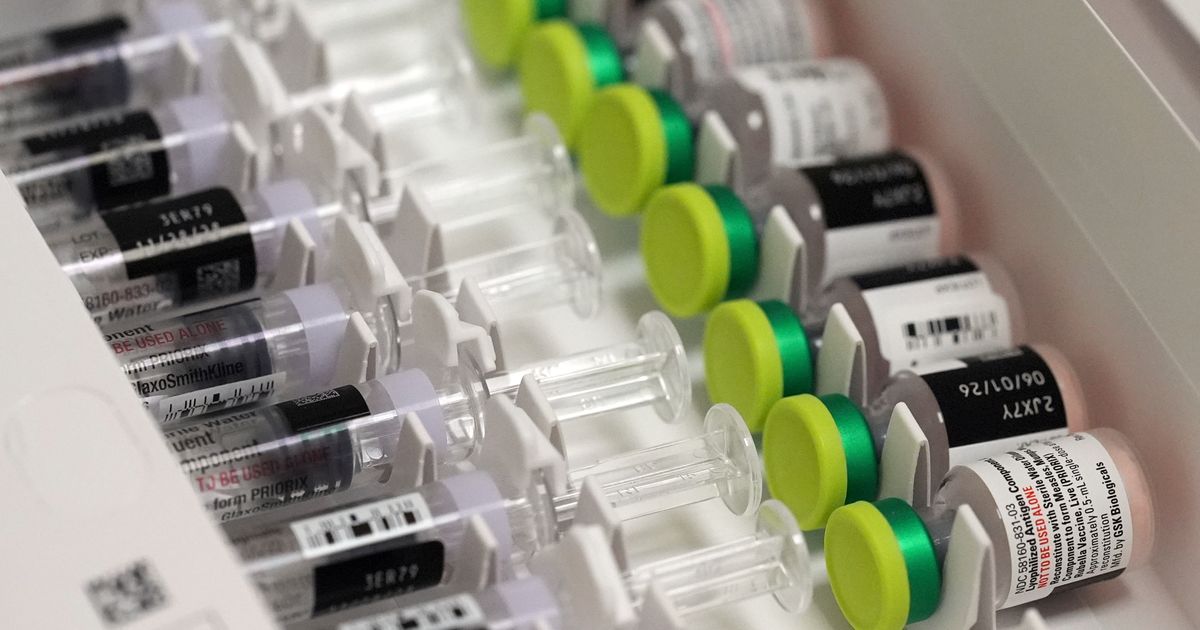
The measles, mumps, and rubella (MMR) vaccine has decades of safety and effectiveness data. When communities keep high immunization rates, measles struggles to spread—even if an infectious traveler passes through.
Current CDC-recommended MMR schedule
- First dose: 12–15 months of age
- Second dose: 4–6 years of age (can be given earlier if at least 28 days after the first dose)
- Adults born in 1957 or later should have at least one dose; certain groups (college students, healthcare workers, travelers) may need two doses.
Effectiveness
- One dose of MMR is about 93% effective at preventing measles.
- Two doses are about 97% effective, based on large CDC and WHO studies.

Common Obstacles: “What If I Can’t Find Records or See a Doctor Quickly?”
Real life is messy—records get lost, schedules are tight, and not everyone has an established doctor. Here are practical ways people in North Carolina and elsewhere have navigated these challenges:
Lost or incomplete vaccination records
- Call previous pediatricians, primary care clinics, or schools; many keep immunization records for years.
- Ask your state or local immunization registry (often accessible through your health department).
- If records can’t be found in time, your provider may recommend simply getting MMR; extra doses are generally safe for most people.
Limited access to a primary care provider
- Check with local health departments—they often run low-cost or free vaccination clinics.
- Some pharmacies can provide MMR for adults and older teens; call ahead to confirm availability and age limits.
- Community health centers (FQHCs) typically offer vaccines on a sliding fee scale.
“During a prior measles scare in our area, a mother I worked with couldn’t find her son’s vaccine card. Instead of waiting, she visited a local health clinic that confirmed they could safely give another MMR dose. That quick decision meant far less worry for her family over the next three weeks.”
— Pediatric nurse, reflecting on a community measles response
Simple Prevention Habits During a Measles Alert
While vaccination is the cornerstone of measles prevention, a few additional habits can reduce spread during an active alert:
- Stay home and seek telehealth when possible if you or your child have fever and rash.
- Wear a well-fitting mask in healthcare settings if you have respiratory symptoms.
- Cover coughs and sneezes; wash or sanitize hands regularly.
- Avoid visiting high-risk settings (NICUs, oncology wards, or nursing homes) if you are unvaccinated or recently exposed.

Evidence and Reliable Resources
The information in this article is based on guidance from leading public health authorities and peer-reviewed research available as of early 2026. For ongoing updates related to this specific North Carolina exposure, refer to:
Moving Forward: Calm, Informed, and Prepared
Hearing about a measles exposure in Gaston County can stir up understandable worry, especially for parents of young children or people with health conditions. But worry doesn’t have to turn into panic when you have a clear plan.
By confirming your vaccination status, watching for symptoms, following public health alerts from NCDHHS, and reaching out promptly for care if needed, you’re doing exactly what experts recommend to protect both your household and your community.
If you live in or traveled through the affected areas in North Carolina:
- Check official NCDHHS updates for specific locations and times.
- Verify your MMR vaccination status for you and your children.
- Call your healthcare provider or local health department if you may have been exposed, especially if anyone in your home is high-risk.
Public health responses work best when communities stay informed and engaged. Your actions—getting vaccinated, paying attention to alerts, and seeking care responsibly—play a real, measurable role in stopping measles in its tracks.
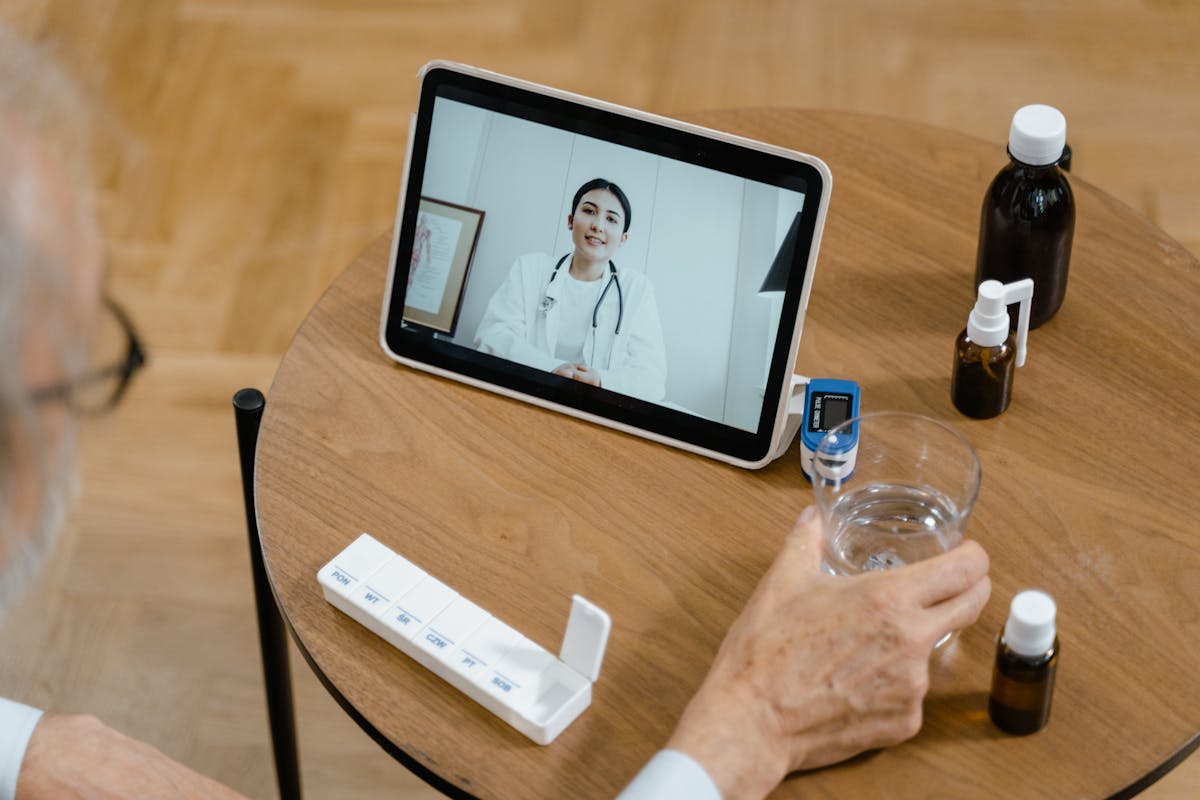
Take one step today—check your vaccination records, bookmark your local health department’s website, or schedule a call with your provider. Small, informed actions add up to strong community protection.
