Trump, the Super Bowl, and the Soundtrack Wars: Why Bad Bunny and Green Day Are Suddenly Political
Donald Trump says he’s skipping the 2026 Super Bowl in Santa Clara — but he’s still determined to be part of the broadcast. In a new interview, the former president blasted two of the game’s marquee music acts, Bad Bunny and Green Day, declaring himself “anti-them” and turning what should be a multi-billion-dollar entertainment event into yet another proxy battle in the culture wars.

Trump vs. the Super Bowl Soundtrack
The Super Bowl has evolved from a football championship into Hollywood’s most-watched variety show, with the halftime and pregame lineups curated as carefully as any music festival. Trump’s decision to single out Bad Bunny and Green Day says less about their set lists and more about how pop music, politics, and the NFL keep crashing into each other — especially in an election year.
What Trump Actually Said — and Why It Matters
In the interview, Trump confirmed he would not attend the February 8 Super Bowl in Santa Clara, California, then pivoted quickly to the entertainment lineup. He criticized the inclusion of Puerto Rican global superstar Bad Bunny and veteran punk-pop band Green Day, and framed his reaction as a broader rejection of their politics and perceived values.
“I’m anti-them,” Trump said, positioning himself as the counterprogramming to the artists on the NFL’s biggest stage.
On the surface, this is standard Trump media strategy: pick a highly visible cultural moment, find a foil, and turn it into a loyalty test for his base. But the target here — two acts with very different audiences and histories — shows how much the NFL’s music strategy has diversified, and how much that irritates certain corners of conservative media.
Bad Bunny and Green Day: Why These Artists Hit a Nerve
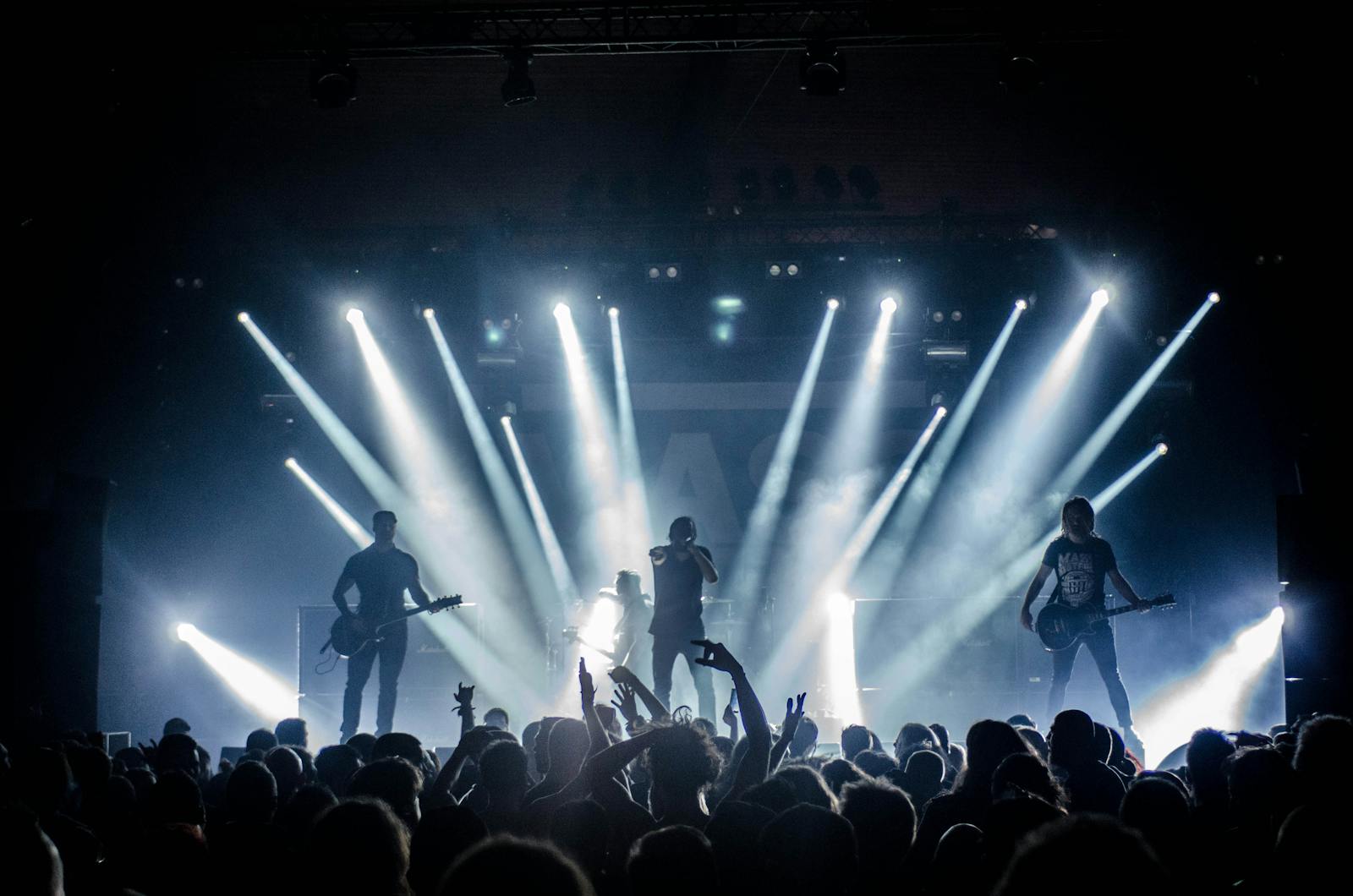
The pairing of Bad Bunny and Green Day encapsulates the modern Super Bowl: global pop dominance next to legacy rock with a long political streak.
- Bad Bunny is arguably the most influential Latin music artist of the last decade, leading the reggaeton & trap en español wave into full mainstream status. His visuals, gender-fluid styling, and outspoken support for Puerto Rican issues have turned him into both a pop idol and a political symbol.
- Green Day, who broke big in the mid-1990s, reinvented themselves with the 2004 rock opera American Idiot, a pointed critique of the George W. Bush era. Since then, they’ve been a shorthand for anti-establishment, left-leaning punk on arena stages.
In other words, these aren’t safe, apolitical choices. They’re artists with receipts: protest songs, pointed comments at award shows, and, in Green Day’s case, literal Broadway adaptations of their political music.
The NFL’s Halftime Strategy: From Controversy-Shy to Culture-Forward
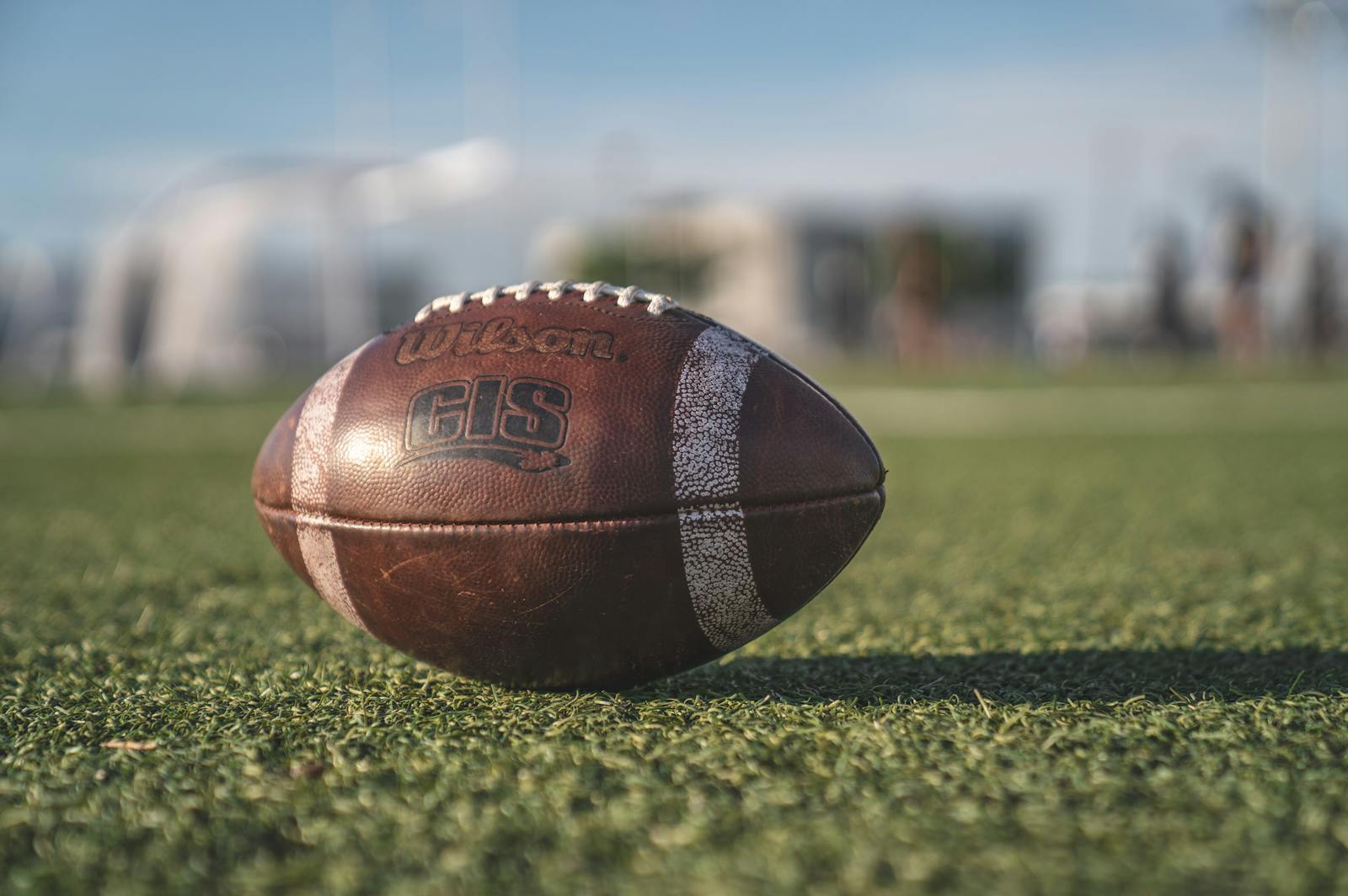
The NFL spent years trying to keep its entertainment “neutral,” especially after controversies around player protests and Colin Kaepernick. But since partnering with Roc Nation, the league has leaned harder into star power and cultural relevance — even when that means courting backlash.
Recent halftime shows featuring artists like Rihanna, The Weeknd, Shakira and Jennifer Lopez — and the West Coast rap all-star set with Dr. Dre, Snoop Dogg, Kendrick Lamar, Mary J. Blige, and Eminem — signaled a shift. The league is betting that embracing pop culture’s center of gravity matters more than avoiding a few angry headlines.
As one TV executive told The Hollywood Reporter, “You don’t book the most-watched music slot on Earth to play it safe — you book it to prove you still matter.”
Trump’s criticism, in that sense, functions almost like a performance review from the culture wars: if the lineup annoys him, it’s probably resonating with the younger and more diverse audiences the NFL is desperate to keep.
When Every Halftime Show Feels Like a Referendum
Trump’s “I’m anti-them” line plays into a familiar pattern: transforming entertainers into shorthand for entire political identities. Over the last decade, the Super Bowl has become a recurring flashpoint:
- Debates over performers “endorsing” or “boycotting” the NFL in the Kaepernick era
- Outrage cycles around perceived “political messages” in choreography, costumes, or even camera shots
- Calls for viewers to mute or skip performances based on the artists’ public statements
In that climate, Trump skipping the game in person doesn’t diminish his presence; it amplifies it. His comments ensure that coverage of Bad Bunny and Green Day won’t just be about their stagecraft, but also about who feels represented — or threatened — by their presence.
Strengths, Weaknesses, and What This Means for Super Bowl Culture
Evaluating this moment as an entertainment story — not just a political dust-up — reveals both upsides and drawbacks.
What the NFL Gets Right
- Relevance: Booking Bad Bunny keeps the Super Bowl tethered to the streaming-era mainstream, where Spanish-language pop routinely dominates global charts.
- Range: Pairing that with Green Day taps older millennials and Gen X viewers who remember when rock radio could still swing elections.
- Conversation: Like it or not, controversy keeps the Super Bowl at the center of national discourse beyond X’s trending page and the Monday morning recap shows.
Where It Gets Messy
- Polarization fatigue: For fans who just want football and a spectacle, having every act framed as “pro” or “anti” someone is exhausting.
- Artist blowback: Performers can be reduced to political avatars instead of being discussed on artistic terms — vocals, visuals, arrangements.
- Commercial calculations: The more the NFL leans into culture-war-adjacent bookings, the harder it is to pretend these are purely creative choices.

Trump, Ratings, and the 2026 Election-Year Media Ecosystem
The timing here isn’t subtle. In an election cycle, every mass-viewing event becomes potential campaign fodder. While Trump won’t be in the stadium, his comments help shape how partisan outlets cover the game:
- Right-leaning media frames Bad Bunny and Green Day as symbols of “woke” entertainment.
- Liberal outlets counter with think pieces about diversity, free expression, and the global reach of Latin music.
- The NFL plays referee, insisting the show is “about the fans” while enjoying the free PR.
The Super Bowl doesn’t just sell ads anymore; it sells narratives about who America is and who gets to speak for it.

Final Take: A Game, a Concert, and a Culture Clash
Seen in isolation, Trump deciding not to attend the Super Bowl is a scheduling note. What gives it weight is his decision to attack the music acts — Bad Bunny and Green Day — as a kind of shorthand for everything his movement claims to oppose: multicultural pop, progressive politics, and a younger, more global fan base.
For the NFL, that tension is both risk and reward. Every time a politician denounces a halftime act, it reinforces that the league has finally embraced the reality of 21st-century pop culture: music isn’t background noise anymore; it’s the main event, and it comes with values attached.
When the lights go down in Santa Clara, most viewers will still be judging the show on simpler terms — Was it fun? Did the vocals land? Did the staging deliver a viral moment? — but the backdrop Trump has drawn around it won’t disappear. This Super Bowl isn’t just a contest between two teams; it’s a referendum on who gets to own the soundtrack to American spectacle.