
Timothy Busfield Controversy: How Hollywood Handles Allegations in the Social Media Age
Emmy-winning actor and director Timothy Busfield has turned himself in to New Mexico authorities following child sex abuse allegations he strongly denies, a development that raises difficult questions about due process, media coverage, and how Hollywood responds when long-respected figures face serious criminal accusations.
According to reporting from CBS News, an arrest warrant was issued in New Mexico, and Busfield surrendered to police on Tuesday. In a video shared with TMZ, he characterized the accusations as “all lies,” setting up a legal and cultural clash that will likely unfold in courts, newsrooms, and social feeds simultaneously.
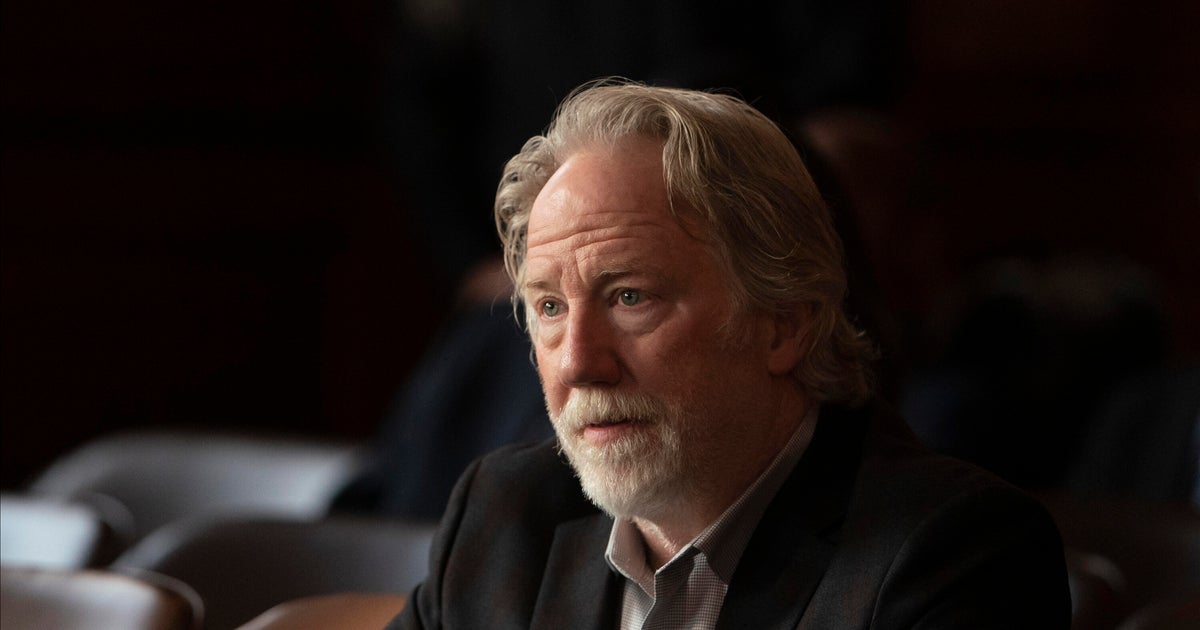
Timothy Busfield: From ‘thirtysomething’ to Emmy Winner
For many TV viewers, Timothy Busfield is part of the visual DNA of late-20th-century American drama. He broke through with his role as Elliot Weston on ABC’s thirtysomething, a defining series of the late 1980s that helped shape the dramedy format. He later appeared in projects ranging from The West Wing and Studio 60 on the Sunset Strip to sports favorite Field of Dreams.
Busfield isn’t just a familiar face; he’s also an industry multi-hyphenate. Beyond acting, he’s directed episodes of network staples like Sports Night, Las Vegas, and more recent series work, building a reputation as a reliable, low-profile craftsman in front of and behind the camera.
The New Mexico Case: What’s Publicly Known So Far
Reporting as of January 15, 2026, indicates that authorities in New Mexico issued an arrest warrant for Busfield in connection with child sex abuse allegations. Specific legal filings and charges are still emerging, and, as is typical in such cases, details about the accuser or accusers are limited or sealed to protect privacy.
Busfield turned himself in after the warrant was made public, an action that suggests a legal strategy of cooperation rather than evasion. Turning oneself in is often framed by defense attorneys as a way to demonstrate respect for the court process and to potentially influence bail and pre-trial conditions.
“These allegations are all lies.”
— Timothy Busfield, in video provided to TMZ
At this stage, the case is in its earliest phase. No trial has taken place, no verdict has been reached, and under U.S. law Busfield is presumed innocent unless and until a court determines otherwise. For audiences and employers alike, that presumption now has to coexist with the serious nature of the accusations.
CBS News, TMZ, and the Split-Screen of Modern Coverage
The story’s early trajectory underscores how entertainment controversies unfold now: a traditional outlet like CBS News reports the warrant and surrender, while a tabloid-adjacent platform like TMZ carries Busfield’s forceful denial on video. The combination gives audiences both official court-facing information and an emotional statement meant for public consumption.
This split-screen effect — sober legal updates on one side, viral clips on the other — shapes how allegations land in the public imagination. For many people, Busfield’s on-camera insistence that the claims are “all lies” will sit side by side with headlines about “child sex abuse allegations,” leaving viewers to navigate a fraught middle ground with incomplete facts.

Hollywood’s Ongoing Reckoning with Misconduct Allegations
Allegations of misconduct involving entertainment figures have been a recurring feature of the post-#MeToo era. Though each case is unique, the pattern is familiar: an allegation surfaces, public pressure mounts, lawyers issue dueling statements, and studios decide whether to pause, recast, or distance themselves from the accused.
Busfield’s situation differs from some of the highest-profile Hollywood scandals in scale and visibility, but it lands in an industry still recalibrating its response protocol. Networks and streamers are now more likely to:
- Review existing contracts for morality clauses.
- Quietly assess whether upcoming projects can proceed without the accused.
- Monitor public sentiment before issuing any definitive statement.
As of mid-January 2026, there has not been a widely reported cascade of professional fallout for Busfield on the scale seen with other disgraced figures. But industry decisions often lag behind legal developments; studios tend to move cautiously until more facts surface.

Presumption of Innocence vs. Audience Discomfort
Stories like this create a familiar ethical tension: legally, the presumption of innocence is foundational. Culturally, audiences may feel immediate discomfort revisiting an actor’s work once allegations of serious abuse have surfaced, regardless of the eventual outcome.
Ethically responsible coverage walks a careful line:
- Clearly labeling claims as “allegations” until a verdict is reached.
- Avoiding sensational or graphic description of accusations.
- Recognizing that both alleged victims and the accused have rights that need protection.
“You can’t un-hear an allegation. Once it’s out there, it inevitably colors how people experience past performances — even if the courts later clear the accused.”
— Media ethicist quoted in industry commentary on misconduct reporting
For now, viewers who grew up with Busfield’s work are left to navigate these conflicting impulses: maintaining a commitment to due process while acknowledging the seriousness of any allegation involving harm to minors.
Revisiting Busfield’s Screen Legacy Amid Controversy
It’s impossible to ignore the cognitive dissonance that can arise when a performer associated with sensitive, often emotionally nuanced roles faces severe criminal accusations. Busfield has long played characters rooted in earnestness — from an anxious but loving dad archetype on thirtysomething to the quietly persistent reporter Danny Concannon on The West Wing.
Some viewers may choose to separate art from artist, continuing to watch past work while withholding judgment until a legal resolution. Others may decide to step back from his filmography altogether. Streaming culture makes both routes easy: his past work is a search bar away, but also simple to skip.

What Comes Next — in Court and in Culture
In the short term, the Busfield case will likely move through familiar legal milestones: arraignment, possible plea discussions, evidentiary hearings, and — if it proceeds that far — trial. Each step will generate another round of headlines and, potentially, new information that could shift public perception.
For Hollywood, the case slots into a broader conversation about how to respond when long-established, seemingly low-drama figures face serious allegations. Unlike the mega-franchises dependent on marquee stars, Busfield’s projects tend to be ensemble-driven and older, which may blunt some immediate economic stakes while still raising real questions about syndication, streaming, and residual visibility.
Until the legal process runs its course, the most responsible position — for both audiences and commentators — is a measured one: track developments, resist rushing to judgment, and remember that the truth of what happened will be determined in a courtroom, not in the comment section.
However the case resolves, it will join a growing list of entertainment-world controversies that are reshaping how we think about fame, accountability, and the complicated afterlife of beloved television and film.
