
Thrifted Luxury & Dupe-Hunting: How to Look Expensive on a Secondhand Budget
If your champagne taste is stuck on a tap-water budget, welcome home. Today’s fashion universe has a cheat code: thrifted luxury and clever ‘dupe’ hunting. Think of it as style parkour—vaulting over full-price tags, flipping off fast fashion waste, and landing squarely in outfits that look like old-money, but cost new-coin.
Across TikTok, YouTube, and Instagram, “come thrift with me” and “designer dupe haul” videos are basically the new reality TV: part treasure hunt, part styling masterclass, part “how did you find Prada in that bin?”. And underneath the entertainment, there’s a smart shift happening—toward sustainable fashion, budget-conscious wardrobes, and vintage designer resale that’s actually wearable in real life, not just on moodboards.
Let’s walk through how to hunt thrifted luxury, spot good dupes, and build a wardrobe that whispers “I summer in Capri” even if you actually commute on public transport.
Why Thrifted Luxury Is Having a Main-Character Moment
Three forces are powering the current boom in thrifted luxury and vintage designer resale:
- Economic reality check. Inflation is doing the most, rent is auditioning for villain of the year, and paying full price for a new-season luxury bag is… a choice. Thrifting and resale let you buy into the look without selling a kidney.
- Sustainability glow-up. Buying secondhand is one of the easiest sustainable fashion moves you can make. You’re extending the life cycle of garments and reducing demand for new production—aka less waste, less guilt, more outfit pics.
- Algorithm-approved drama. Thrift content thrives because it has a built-in plot twist: Will they find vintage Armani? Is that Y2K Prada nylon bag real? Did they just turn a 90s menswear blazer into the perfect “quiet luxury” moment?
The vibe: fashion as a scavenger hunt, with the prize being a wardrobe that looks curated by a stylist, not by your overdraft limit.
Luxury Thrifting 101: How to Look Expensive on a Clearance Rack
Thrifting isn’t just “grab everything that’s under $10 and hope for the best.” It’s more like detective work with better outfits. Here’s how creators are finding the good stuff—and how you can, too.
1. Shop in the right corners of the chaos
- Blazers & outerwear: This is where vintage Armani, Max Mara, and Ralph Lauren like to hide. Check the men’s section too—oversized tailoring is still trending.
- Bags & small leather goods: Look for structured shapes, solid stitching, and quality zippers. Even if it’s not a big designer name, it can still look luxe.
- “Bougie” neighborhoods: Thrift stores near wealthier areas or business districts tend to have a higher chance of surprise designer drops.
2. Learn the label language
Fashion labels are basically tiny résumés sewn into your clothes. Read them like a hiring manager:
- Fabric first: Wool, cashmere, silk, linen, cotton poplin, and high-quality denim are green flags. If it feels like plastic and squeaks when you move, put it back.
- Made in… clues: “Made in Italy”, “Made in France”, “Made in USA” (especially on vintage), or Japanese labels often signal higher quality construction.
- Old logos & fonts: Vintage Burberry, Celine, Gucci and others may have older tag designs—search recent authentication guides before assuming it’s fake or worthless.
3. Test quality like a pro
Even without knowing the brand, let the garment introduce itself:
- Feel the weight: Heavier fabrics drape better and usually last longer.
- Inspect stitching: No loose threads, skipped stitches, or unraveling seams if you want that “I inherited this” energy.
- Check lining & buttons: Fully lined blazers, real horn or metal buttons, and hidden inner pockets are all “I used to be expensive” signs.
Think of yourself as a luxury archaeologist: you’re excavating the good stuff from under a pile of fast-fashion fossils.
Dupe Hunting: Because Your Card Limit Says No, But Your Aesthetic Says Yes
While some shoppers go full Indiana Jones for actual designer pieces, others play the “dupe” game—finding budget versions of trending items that serve the same look without the same price (or waiting list).
1. Decide what’s worth duping
Not everything needs to be a replica of a runway piece. Save dupes for:
- Micro-trends: Viral sneakers, ultra-specific bags, Y2K belts, novelty tops—anything you might be over in six months.
- Experimenting with silhouettes: Wide-leg cargoes, extreme platforms, super-cropped jackets—try the budget version before committing long-term.
- “Quiet luxury” staples: A well-cut blazer, sleek loafers, or simple structured bags can be found at thrift stores or affordable brands for a fraction of the price.
2. Look for the vibe, not the logo
The smartest dupes don’t scream “I’m trying to be that other bag.” Instead, they nail the same:
- Shape (curved hobo, boxy crossbody, slim shoulder bag)
- Color palette (black, camel, cream, chocolate brown = instant elevated)
- Details (clean lines, minimal branding, refined hardware)
This gives you the look without sliding into costume territory. You’re inspired, not impersonating.
3. Ethics check: dupe, don’t counterfeit
There’s a big difference between a dupe and a fake.
- Dupes: Inspired shapes and silhouettes, no copycat logos.
- Counterfeits: Illegal logo copying and brand names slapped on low-quality items.
When creators talk about conscious fashion, they usually draw the line at counterfeits. You can enjoy the trend without supporting shady production or confused authenticity.
Upcycling: When Your Tailor Is Basically Your Co-Designer
The real magic of thrifted fashion happens after checkout. That slightly-too-big blazer or “almost right” pair of jeans? They’re one alteration away from main-character energy.
1. Tailoring is your secret luxury ingredient
Scroll through any vintage fashion creator’s feed and you’ll see the same pattern: oversized men’s blazer → nip the waist → shorten the sleeves → instant “old-money meets streetwear”.
- Blazers: Ask for waist shaping, sleeve shortening, and sometimes shoulder padding removal for a softer look.
- Jeans & trousers: Hemming and slight tapering can turn “dad jeans” into “effortless off-duty model” jeans.
- Shirts: Crop, dart, or turn into a layering piece you wear open over tanks and tees.
2. Easy DIY upgrades for non-crafty people
Not everyone wants to run a full sewing studio out of their living room. Try low-commitment upgrades:
- Swap basic plastic buttons for tortoiseshell, metal, or mother-of-pearl.
- Add a simple fabric belt to cinch oversized dresses or blazers.
- Cuff sleeves and pants intentionally—neat cuffs can look tailored without actual tailoring.
Upcycling is where sustainable fashion meets personal style. You’re not just buying clothes; you’re editing them.
How to Style Thrifted Finds So You Look Curated, Not Confused
The line between “incredible vintage” and “I raided the costume closet” is thin—but manageable. The trick is mixing your thrifted treasures with modern pieces so everything feels intentional.
1. The 1–1 rule
Pair one statement thrifted piece with one modern basic, then repeat. For example:
- Vintage designer blazer + modern white tee + contemporary sneakers
- Thrifted silk blouse + current straight-leg jeans + sleek belt
- Retro leather jacket + simple knit dress + clean ankle boots
This keeps the outfit grounded. You’re not time traveling; you’re time-mixing.
2. Build a secondhand capsule wardrobe
Creators are increasingly building full capsule wardrobes from thrifted basics. Look for:
- A black or navy blazer that actually fits your shoulders
- High-quality straight or wide-leg denim in a mid-wash
- Neutral knitwear (grey, cream, black, camel)
- A structured leather or faux leather bag in black or brown
- White or striped button-down shirt
Once the base is set, you can add the fun stuff—Y2K pieces, bold prints, quirky accessories—without your wardrobe turning into a chaos museum.
3. Accessories: your budget-friendly glow-up
Accessories are where dupe culture shines:
- Look for belts with subtle hardware that mimic luxury silhouettes.
- Choose sunglasses with simple lines over heavy branding.
- Layer thrifted scarves on bags, around necks, or as hair accessories for instant “I planned this” energy.
You’d be surprised how often it’s the belt, bag, and shoes doing the visual heavy lifting, not the logo on your tag.
Thrift Store Etiquette: How to Be Stylish Without Being a Villain
As thrift fashion becomes more popular, conversations about ethics are getting louder—and they should. You can build your dream wardrobe and not contribute to gentrifying the very spaces that make it possible.
1. Don’t hoard the essentials
Many creators now say: leave the true basics (plain tees, kids’ clothes, essential winter wear) for people who rely on thrift pricing. Instead:
- Focus on special pieces: blazers, coats, statement shoes, unique fabrics.
- Shop higher-priced or specialty sections if you’re reselling or flipping.
- Donate regularly—especially quality items you’ve outgrown in size or style.
2. Be transparent if you resell
If you’re running a curated resale shop on Depop, Vinted, Instagram, or elsewhere, clarity builds trust:
- Mention when pieces are thrifted or vintage.
- Disclose alterations or upcycling details.
- Factor in your time, styling, and cleaning—but avoid wild markups just because something “looks designer.”
Think of yourself as a matchmaker between great clothes and their next main character, not a cartoon villain cackling over $10 thrift flips listed for $300.
Your New Fashion Era: Champagne Style, Recycled Bottle Budget
Thrifted luxury and vintage designer resale sit at the crossroads of budget fashion, sustainable style, and aspirational aesthetics. With a bit of label literacy, some dupe discernment, and a dash of creativity, you can:
- Dress like your Pinterest board without wrecking your finances
- Experiment with trends while keeping your wardrobe grounded in timeless staples
- Support more sustainable shopping habits and extend the life of existing clothes
So the next time your feed serves you a bag that costs more than your monthly rent, remember: someone out there is wearing a thrifted blazer, a dupe bag, and more confidence than any logo can buy. That someone can absolutely be you.
Grab a tote, charge your phone (for mirror pics, obviously), and head to the nearest thrift store or resale app. Your future favorite outfit is already hanging on a rack somewhere—just waiting for you to give it a second life and a first-class moment.
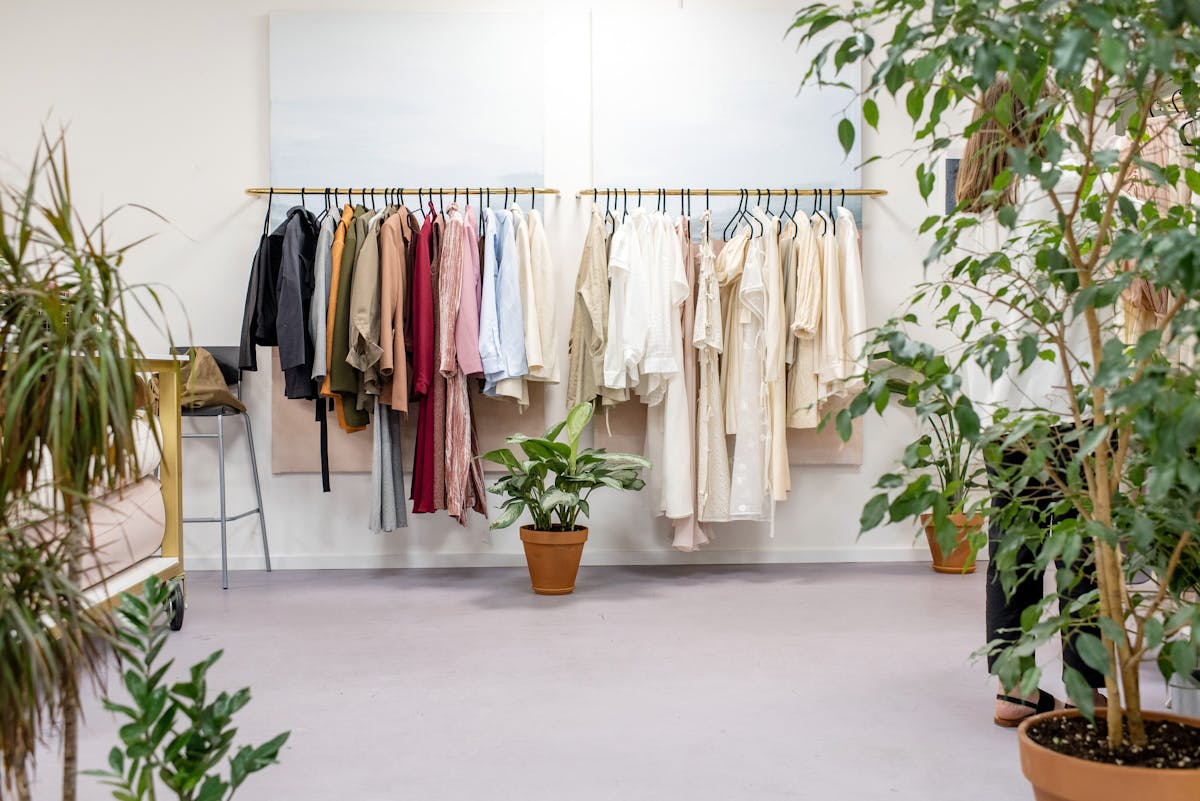
Supports sentence: "Shop in the right corners of the chaos" and the list of blazers & outerwear as prime luxury-thrifting zones.
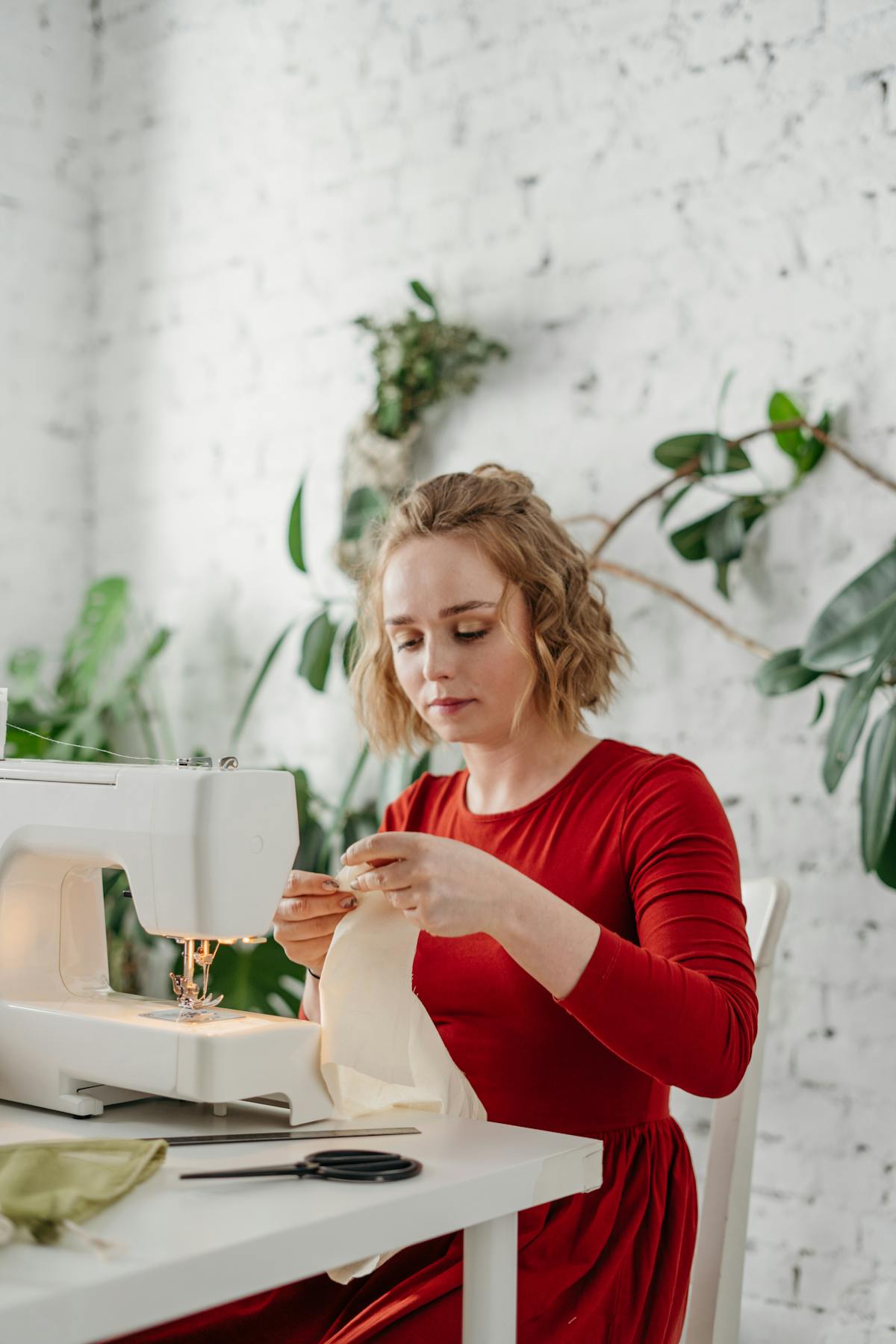
Supports section: "Upcycling: When Your Tailor Is Basically Your Co-Designer" and the point that tailoring is your secret luxury ingredient.
