Thrift-Flipped Chic: How Upcycled ‘Designer Dupes’ Are Secretly Running Your Closet
Home of the Closet Glow-Up: Welcome to Thrift-Flip Chic
Somewhere between your overstuffed closet and your underwhelming outfit mirror selfie lies a magical place I like to call “Home of the Closet Glow-Up.” It’s where thrift-flipping, upcycled designer dupes, and sustainable fashion all curl up on the same stylish sofa and gossip about fast fashion.
Thrift-flipping—buying secondhand clothes and transforming them into trend-aligned, designer-inspired pieces—is having a major main-character moment on TikTok, YouTube, and Instagram as of today. Think of it as wardrobe renovation: instead of knocking down walls, you crop shirts, reshape jeans, and add enough attitude to make a luxury brand slightly nervous.
The best part? You don’t need a fashion degree, a designer budget, or the patience of a couture atelier. You just need a bit of creativity, a willingness to experiment, and maybe a seam ripper that understands it’s about to work overtime.
Why Thrift-Flipping Feels So Right (On Your Body and Your Conscience)
Economic pressure is real, and for many of us, “designer handbag” currently translates to “reusable grocery tote with personality.” Thrift-flipping cleverly sidesteps the price tags of luxury fashion while still letting you play with similar silhouettes, colors, and details.
It also fits neatly into sustainable and ethical fashion narratives. Every time you upcycle an old blazer or turn sad jeans into a smug little mini skirt, you:
- Extend garment life, which keeps clothes out of landfills.
- Reduce demand for new production, which means less pressure on resources and workers.
- Practice circular fashion, aka the “reuse, rework, re-slay” cycle.
Algorithms love a good glow-up story. Before-and-after transformations perform extremely well because they’re visually satisfying and educational. In one short clip, you get inspiration, entertainment, and that tiny hit of “I could do that” confidence.
The Men’s Shirt That Moved Out and Came Back as a Crop Top
Oversized men’s dress shirts are the unsung heroes of thrift-flip content. They’re cheap, plentiful, and come with built-in drama: cuffs, collars, and enough fabric to feel like you’re sewing with a small parachute.
Common glow-ups include:
- Cropped button-up: Chop the hem, tuck in the raw edge, and add darts if you want shape. Pair with high-waisted trousers and suddenly you’re that person who “just threw this on.”
- Wrap blouse: Remove the buttons, add side ties, and wrap like a robe top. Super forgiving, super chic.
- Shirt dress: If it’s long enough, snatch in the waist with a belt or elastic, and you have a day dress with boardroom energy and brunch intentions.
Styling tip: tie your thrift-flipped shirt into multiple roles—office, date night, and weekend—by swapping just three things: bottoms, shoes, and jewelry. The shirt is the lead; everything else is supporting cast.
Denim Surgery: Turning Baggy Jeans into Trend Gold
Vintage denim is the bread and butter of thrift-flipping. And like bread and butter, it’s versatile, comforting, and occasionally crumbs all over your life when the sizing label lies.
Creators are reshaping baggy jeans into:
- Wide-leg cargos with added side pockets and a cinched waist.
- Y2K mini skirts made by removing the inseam, overlapping the panels, and sewing them into a skirt (bonus points for raw hems).
- Patchwork denim using scraps from old jeans to create panels, stripes, or asymmetrical designs.
For those who hate fussy sewing, here’s a low-effort, high-payoff hack:
“If you can sew in a straight line, you can absolutely fake a designer-adjacent denim moment.”
Add visible contrast stitching, patch pockets, or knee panels. Suddenly, you’ve got jeans that look like they walked out of a runway lookbook, not the clearance bin.
Vintage Suits, New Attitude: Corporate, But Make It Main Character
Vintage suits are the underpriced gems of many thrift stores. They’re often high-quality wool or blends, but the cuts can scream “board meeting 1997.” Thrift-flipping turns them into:
- Two-piece sets with a cropped blazer and tailored trousers.
- Shorts suits where long trousers become tailored shorts, perfect for that “I’m professional but also fun” energy.
- Corset top and mini skirt combos sliced from the original blazer and skirt, styled with boots for a designer runway dupe.
To style your flipped suit three ways:
- Streetwear: pair with chunky sneakers, a graphic tee, and a cap.
- Office: classic shirt, refined loafers, understated jewelry.
- Date night: swap in a satin camisole, heels, and a bold earring moment.
The beauty of thrift-flipped tailoring is that you control the drama level. Want sharp shoulders and a cinched waist reminiscent of high-end designers? Tailor the waist and slightly pad the shoulders. Want relaxed cool? Keep it boxy and roll the sleeves.
Jacket Glow-Ups and the Art of the Designer “Dupe”
Thrifted leather and denim jackets are prime real estate for creative upcycling. Many creators take inspiration from luxury brands—not to copy, but to pay cheeky homage.
Popular upgrades include:
- Hand-painted motifs inspired by recognizable patterns (think geometric monograms or signature color blocking), but without trademarked logos.
- Patchwork panels in contrasting fabrics like tartan, satin, or corduroy for a runway-adjacent look.
- Embroidery and beading to nod toward couture-level detail, but with your own twist—initials, symbols, or phrases.
This “dupe culture” is less about faking it and more about fashion fan art. You’re acknowledging the reference while telling your own story. It’s like cosplay for clothes.
How to Style One Thrift-Flip in Three Completely Different Lives
The smartest thrift-flippers don’t just show the sewing; they show the styling. A single upcycled piece can carry your entire weekly wardrobe if you treat it like a chameleon.
Let’s say you’ve thrift-flipped a men’s shirt into a wrap blouse. Here’s how to give it multiple personalities:
- Streetwear mode: style with baggy jeans, chunky sneakers, and a crossbody bag. Add layered necklaces and leave the sleeves slightly rolled.
- Office-appropriate: tuck into tailored trousers or a midi skirt. Add a slim belt, loafers, and a minimal watch.
- Night out: pair with a mini skirt or leather-look pants, heels, and statement earrings. Tighten the wrap for a cinched waist and more dramatic neckline.
To elevate any thrift-flip instantly, lean on accessories with structure: belts, bags, and shoes that look polished even if they weren’t expensive. A clean, structured bag will make even the most chaotic DIY top look intentional.
The Ethics of Flipping: Cute Outfits, Conscious Choices
Thrift-flipping lives under the big umbrella of ethical fashion, but it’s not automatically halo-worthy. Creators and shoppers are increasingly discussing the nuance.
A few guidelines to keep your flips kind as well as cute:
- Prioritize damaged or overlooked items—stained collars, missing buttons, minor tears—pieces less likely to be bought by people who rely on thrift stores for basics.
- Avoid over-buying staples like plain tees, basic jeans, and plus-size basics that are already limited in many locations.
- Be transparent if you resell. If you’re charging a high markup for thrift-flipped pieces, share the story: the work, time, and quality upgrades that justify the price.
Ethical fashion doesn’t have to feel restrictive or judgmental. Think of it as fashion with receipts: you know where your pieces came from, and you can stand by the choices you made.
Plus-Size and Menswear Thrift-Flips: Everyone Gets a Glow-Up
Plus-size fashion and menswear communities are claiming their well-deserved space in thrift-flip culture, and the results are some of the most creative projects online right now.
In plus-size fashion, creators are:
- Tailoring thrifted dresses for better fit through darts, elastic panels, or added side strips.
- Converting oversized men’s shirts into on-trend belted shirt dresses or peplum tops.
- Building silhouettes that mainstream retailers often ignore: dramatic sleeves, fitted corset-style bodices, or wide-leg trousers in actual breathable fabrics.
In mens fashion, common flips include:
- Tapering vintage trousers for a modern slim or straight leg.
- Softening dated suit jackets with shorter lengths or deconstructed shoulders.
- Turning old sports jerseys into fashion-forward tops—think cropped, layered, or combined with contrasting fabrics.
The message is clear: thrift-flipping is for every body and every style. If ready-to-wear won’t make space for you, a thrift store and a sewing machine just might.
Skill-Building: Your Sewing Machine Is a Gym Membership for Your Wardrobe
Thrift-flip content doesn’t stop at “look what I made”—it often includes tutorials, pattern drafting tips, and sewing hacks that turn viewers into makers.
If you’re new to this:
- Start with non-stretch fabrics like cotton shirts and woven trousers. They’re easier to handle and forgive slightly wonky seams.
- Learn three core moves: taking in side seams, hemming, and adding elastic. You can flip at least 70% of thrift finds with just those skills.
- Use basting stitches (long, removable stitches) for your first attempt so you can tweak fit before fully committing.
Think of each project as a workout: your technique gets stronger, your style gets sharper, and your closet gets noticeably more “you” with every rep.
Building a Thrift-Flip-Friendly Wardrobe: Your New Home Base
To make thrift-flipping a lifestyle instead of a one-time craft project, set up your wardrobe like a functional, stylish home base:
- The foundation pieces: well-fitting jeans, neutral trousers, simple skirts, and solid tops. These are your “walls and floors” that everything else decorates.
- The statement flips: an upcycled blazer, custom-painted jacket, patchwork jeans, or a reworked dress. These act like bold furniture pieces in a room.
- The accent accessories: belts, bags, jewelry, and shoes that can dress pieces up or down. Think throw pillows, but for outfits.
When you thrift, shop with a plan. Ask:
- “Can this be worn multiple ways once it’s flipped?”
- “Does it add something new to my wardrobe ‘home,’ or is it a duplicate couch?”
- “Will Future Me thank me for this project, or quietly block me?”
Your goal is a closet where everything either fits now, can be flipped to fit, or inspires a future project you actually have time for.
Closing the Loop: Circular Fashion, But Make It Cute
Thrift-flipping and upcycled designer dupe culture prove that sustainable fashion doesn’t have to look like a beige linen sermon. It can be bold, colorful, experimental, and just a bit mischievous.
When you:
- Rescue garments from obscurity,
- Rework them into trends you love, and
- Style them with confidence and creativity,
you’re not just getting dressed. You’re curating a personal fashion universe that feels like home—one where your values, your budget, and your best outfits can all coexist.
So dust off that forgotten blazer, liberate those baggy jeans from the back of the drawer, and give that thrifted men’s shirt the character arc it deserves. Your next favorite “designer dupe” might already be hanging in your closet, waiting for its makeover montage.
Suggested Images (Strictly Relevant)
Below are carefully selected, royalty-free, high-quality images that directly reinforce key concepts from the blog.
Image 1: Upcycled Men’s Shirt Transformations
Placement location: Directly after the section titled “The Men’s Shirt That Moved Out and Came Back as a Crop Top.”
Supported sentence/keyword: “Oversized men’s dress shirts are the unsung heroes of thrift-flip content.”
Image description: A realistic photo showing three men’s dress shirts in different stages of thrift-flipping laid out on a neutral table or hanging on a simple clothing rack: one intact oversized men’s shirt, one partially altered into a cropped top (with pins or chalk marks visible), and one fully transformed into a stylish wrap blouse. No people visible. Background simple and uncluttered. Fabrics in classic shirt patterns (stripes, solid light blue, or white) to clearly convey the transformation process.
SEO-optimized alt text: “Upcycled men’s dress shirts displayed in stages of thrift-flipping from oversized shirt to cropped top and wrap blouse.”
Example source URL:
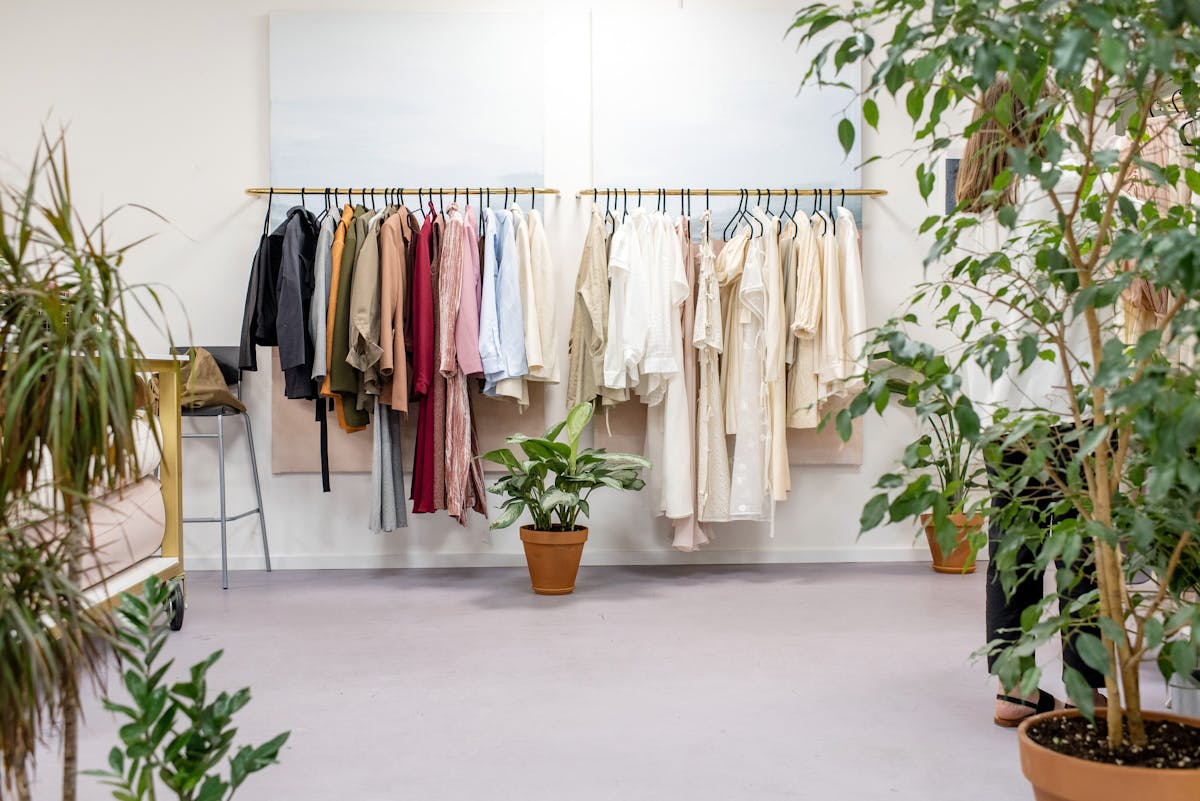
Image 2: Patchwork and Reshaped Denim
Placement location: After the paragraph ending with “Suddenly, you’ve got jeans that look like they walked out of a runway lookbook, not the clearance bin.” in the “Denim Surgery” section.
Supported sentence/keyword: “Patchwork denim using scraps from old jeans to create panels, stripes, or asymmetrical designs.”
Image description: A realistic top-down photo of several pairs of denim pieces on a worktable: one pair of intact jeans, one pair being cut and pinned into a skirt shape, and multiple denim patches arranged in a patchwork layout. Visible sewing tools (scissors, measuring tape, chalk, pins) to clearly illustrate the flipping process. No people visible. Focus on the patchwork panels and different shades of denim.
SEO-optimized alt text: “Worktable with vintage jeans being upcycled into patchwork denim using cut panels and sewing tools.”
Example source URL:
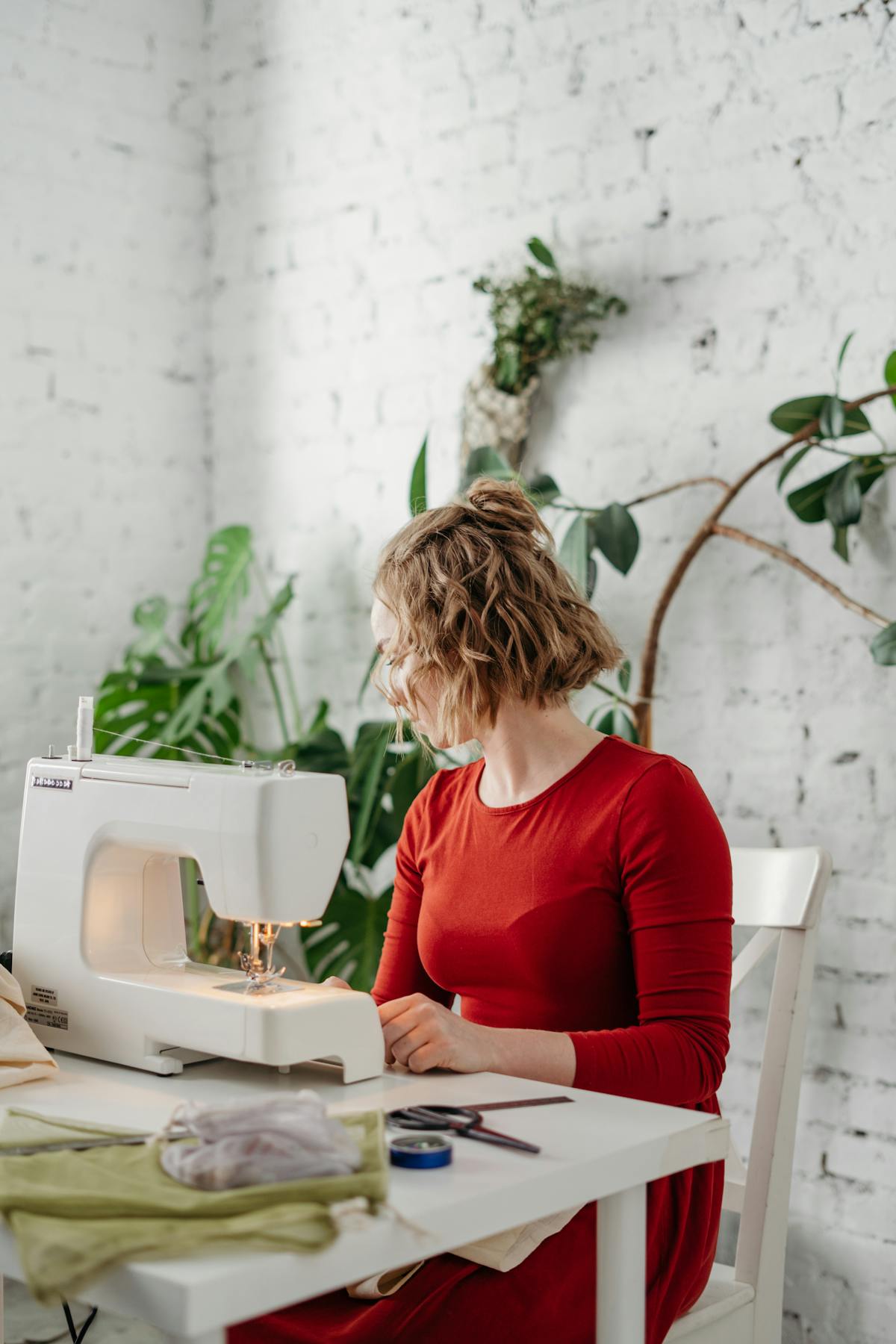
Image 3: Custom-Painted Jacket as Designer-Inspired Dupe
Placement location: After the bullet list of “Hand-painted motifs, Patchwork panels, Embroidery and beading” in the “Jacket Glow-Ups and the Art of the Designer ‘Dupe’” section.
Supported sentence/keyword: “Thrifted leather and denim jackets are prime real estate for creative upcycling.”
Image description: A realistic photo of the back of a thrifted denim or faux-leather jacket laid flat on a table, featuring a clearly visible hand-painted geometric or pattern-based design (no recognizable logos). Paints and brushes placed nearby to indicate DIY work. No people visible. The design should look stylish and fashion-forward, evoking designer-inspired customization without infringing on trademarks.
SEO-optimized alt text: “Thrifted denim jacket with custom hand-painted geometric design and painting tools for designer-inspired upcycling.”
Example source URL: