
The Streaming Squeeze: How Password Crackdowns and Price Hikes Are Reshaping Netflix, Spotify, and More
The “streaming squeeze” is upending how people watch, listen, and pay for entertainment. What started as a simple escape from cable—one or two cheap, ad‑free apps—has evolved into a crowded ecosystem of services, bundles, and algorithms. Major video platforms like Netflix, Disney+, and Max, along with music and podcast services such as Spotify, Apple Music, and YouTube Music, are now enforcing password‑sharing rules, raising subscription prices, and rolling out ad‑supported tiers. At the same time, telecom, hardware, and media companies are stitching these services together into ever more complicated bundles.
For users, this means higher monthly bills, more login friction, and uncertainty about which shows, movies, and albums will be available tomorrow. For platforms, it’s an attempt to stabilize profits in a maturing market. For creators, it’s a recalibration of royalties, discoverability, and bargaining power. Understanding this shift requires looking not just at entertainment, but at the underlying technology, data, and business models driving every decision.
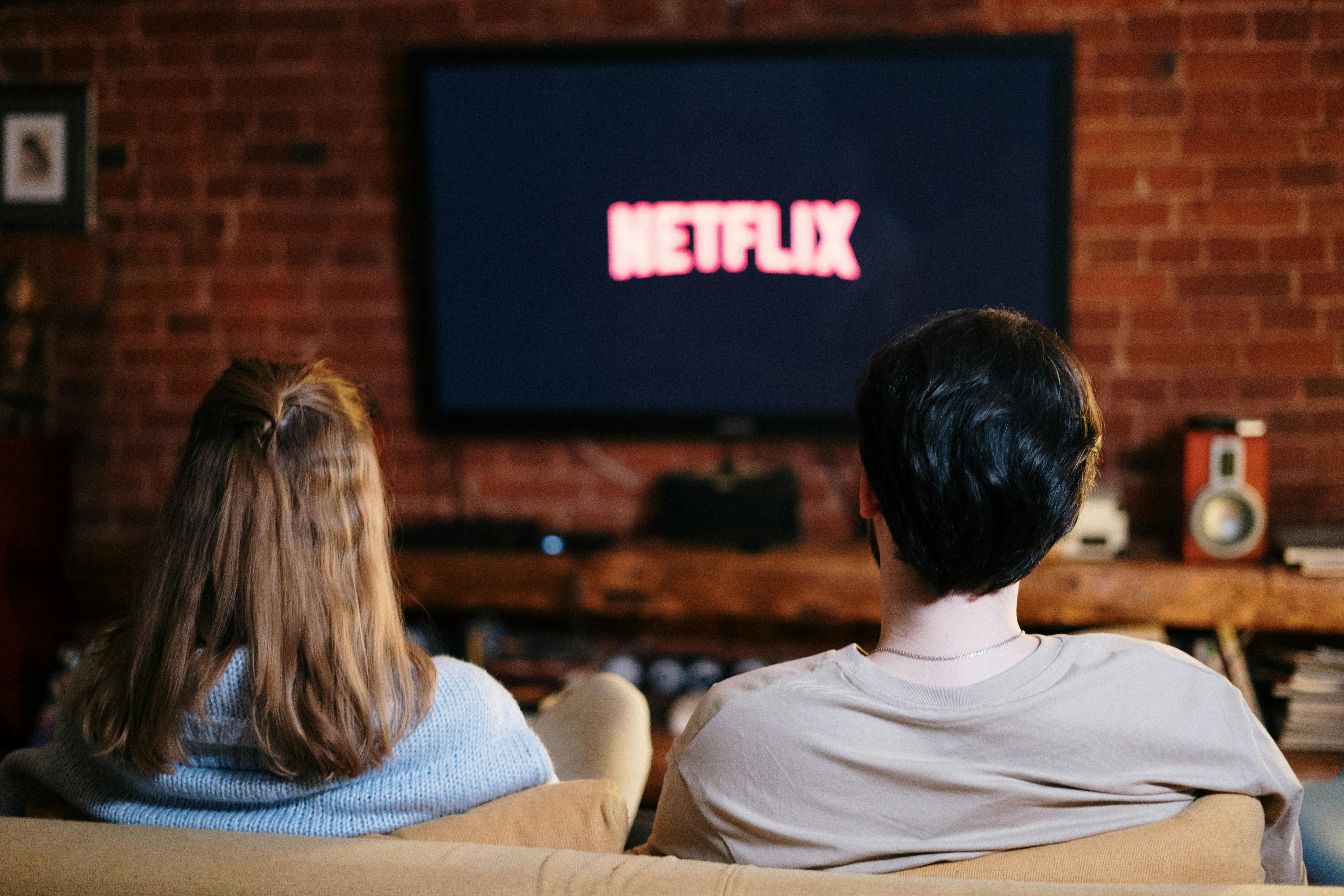
Mission Overview: Why the Streaming Squeeze Is Happening Now
After a decade of rapid subscriber growth and aggressive content spending, streaming companies are under pressure to prove they can be sustainably profitable. Investors who once rewarded “growth at any cost” now expect consistent cash flow. That shift has triggered a move from expansion to optimization: fewer freebies, tighter account controls, and careful management of churn (how many subscribers cancel each month).
In this new phase, platforms have three primary levers:
- Monetize existing users more effectively via price increases, add‑ons, and ad‑supported tiers.
- Reduce revenue leakage by limiting password sharing outside a single household.
- Lock users into ecosystems through bundles, exclusives, and personalized recommendations that make switching costs feel high.
“The honeymoon era of cheap, all‑you‑can‑watch streaming is over. What we’re seeing now looks a lot more like a re‑bundled, algorithmically tuned version of cable.” — Paraphrasing industry coverage in The Verge.
Technology: How Platforms Detect Password Sharing
Password‑sharing enforcement rests on a combination of networking data, device telemetry, and behavioral analytics. Companies rarely publish exact thresholds, but reporting from outlets like Engadget and The Verge outlines key mechanisms.
1. IP Addresses and “Household” Definitions
Most streamers define a “household” based on the typical IP addresses a subscriber uses at home. When devices regularly log in from an IP outside that cluster—especially in different cities or countries—the system flags potential sharing.
- Home network baseline: The service learns which IP blocks belong to your primary viewing location.
- Location variance: Logins from distant or multiple concurrent locations raise suspicion.
- Travel exceptions: Some platforms whitelist temporary usage while traveling, if it fits expected behavior patterns.
2. Device IDs and Session Fingerprints
Every phone, TV, console, or set‑top box has unique identifiers—device IDs, OS signatures, and app instance IDs. Services track:
- Number of unique devices associated with one account.
- Type of devices (smart TV, phone, browser) and their usual locations.
- Concurrent streams from different device types in non‑overlapping locations.
If an account suddenly appears on a dozen new devices, or streams simultaneously in distant regions, automated rules may trigger prompts to confirm household members or to purchase extra slots.
3. Behavioral and Temporal Patterns
Machine‑learning models analyze usage timelines—what time of day you stream, how long sessions last, and which profiles watch what. These models help distinguish:
- Legitimate multi‑device use (e.g., phone and TV in the same home).
- Extended family sharing across different addresses.
- Credential stuffing or account theft when logins appear in compromised‑password dumps or unusual geographies.
“Streaming companies walk a fine line. Too lax, and they leave money on the table; too strict, and they frustrate paying users caught in false positives.” — Summarizing analysis from Engadget.
4. Options for Users: Extra Members and Account Tiers
To convert sharers into paying customers without fully alienating them, some platforms offer:
- Extra member slots for an additional monthly fee with their own login.
- Profile transfer tools so a former sharer can move watch history and recommendations into a new paid account.
- Household confirmation checks that periodically require devices to verify via the home Wi‑Fi or email/SMS codes.
These technical and product tweaks are designed to nudge borderline cases into the paid funnel rather than driving them away entirely.
Price Hikes, Ad Tiers, and the Return of “Cable, But Worse”
As subscriber growth slows, platforms increasingly rely on price optimization. Reports from TechCrunch and The Next Web track a common pattern:
- Raise prices on ad‑free tiers, positioning them as “premium”.
- Introduce cheaper ad‑supported plans to maintain growth and attract cost‑sensitive users.
- Experiment with regional pricing to match local purchasing power and competition.
For households stacking three or more services—often a mix of video, music, and live sports—the total monthly bill can exceed what many paid for cable a decade ago. Crucially, content is now fragmented across platforms, making it hard to watch everything without juggling logins and remote controls.

Key User Impacts
- Budget strain: Households must prioritize a few “must‑have” services.
- Churn cycles: People increasingly rotate subscriptions month by month around marquee shows or sports seasons.
- Ad tolerance trade‑offs: Many accept limited ads for meaningful savings, but complain when ad loads creep up.
“We cut the cord only to find ourselves tangled in a different, algorithmically optimized knot.” — Reflecting commentary across outlets such as Wired.
Bundling and Consolidation: Building the New Aggregators
With dozens of services chasing the same wallets, companies are turning to bundling and content‑sharing deals to reduce churn and increase average revenue per user (ARPU). Wired‑ and Recode‑style reporting has highlighted several strategies:
1. Cross‑Service Media Bundles
Telecoms, cable operators, and even credit‑card issuers now offer bundles that include multiple streamers under one bill. Examples include:
- Discounted packages that combine a major video streamer, a music service, and cloud storage.
- Carrier plans that throw in one or two streaming subscriptions as loyalty perks.
- Hardware manufacturers offering extended free trials when you buy a new TV or console.
2. Platform Consolidation and Licensing Swaps
Studios and streamers share content libraries or license shows to each other to monetize back catalogs and fill programming gaps. That’s why series that were once exclusive to one platform sometimes appear on competitors a few years later, especially if they underperformed in driving subscription growth.
3. Super‑Apps and Aggregation Interfaces
Tech‑review sites like TechRadar spotlight an emerging layer of aggregation:
- Smart‑TV and set‑top‑box interfaces that surface content from multiple apps in a single search or home screen.
- Voice assistants (on TVs and speakers) that launch titles without users remembering which app holds which show.
- Media‑server software (e.g., Plex‑style solutions) that blend local libraries with streaming channels into unified guides.
“Aggregation is the killer feature cable always had. Streaming is now racing to reinvent that, only this time driven by data instead of channel numbers.” — Industry analysts quoted across Wired and similar outlets.
Impact on Creators and Catalogs: Who Gets Squeezed?
On the music and podcast side, platforms are redesigning royalty structures and discovery algorithms to control costs and prioritize engagement. Coverage in Wired’s music‑streaming section and TechCrunch’s app economy reporting highlights several pressure points.
1. Royalty Restructuring and the “Long Tail” Problem
Many streaming services pay out a fixed revenue pool each month, divided according to total streams. Recent changes often:
- Favor tracks that exceed minimum streaming thresholds.
- Reduce or eliminate payments for very low‑played tracks, targeting fraud and “noise content.”
- Channel a larger share of payouts toward major labels and high‑volume catalogs.
Independent artists argue this undermines the promise of the long tail—the idea that niche creators can thrive when shelf space is effectively infinite.
2. Algorithmic Discovery and Genre Bias
Recommendation systems optimize for retention and listening hours. That can privilege:
- Short, playlist‑friendly tracks over long, experimental work.
- Background listening genres (lo‑fi, ambient, chill beats) that encourage continuous play.
- Podcasts that release frequently, feeding binge behavior.
“The algorithms don’t care how much time you spent on a song, only whether someone skipped it.” — A sentiment echoed by many independent artists, including those active on platforms such as LinkedIn and X/Twitter.
3. Vanishing Catalogs and Licensing Whiplash
Video streamers, under cost pressure, have removed entire seasons of shows or dozens of films to save on residual payments or to claim tax write‑offs. Music and podcast catalogs also shift as licenses expire. Users regularly learn via social media that:
- A favorite comfort‑show disappeared overnight.
- Regional rights block access when they travel.
- Older or niche albums are absent from major music platforms altogether.
The result is growing awareness that “owning” digital files—or at least having local, DRM‑free copies—remains the only way to guarantee long‑term access.
User Backlash, Piracy Concerns, and the Shadow of the Pre‑Streaming Era
Twitter/X threads, Reddit communities, and TikTok explainers capture a strong sense of frustration. Users complain that streaming is “turning into cable again,” but with more logins and less ownership. Aggressive password‑sharing enforcement and rising prices risk recreating the conditions that fueled piracy in the 2000s.
1. Workarounds and Community Tactics
Online communities share strategies—some legitimate, some not—to manage the squeeze:
- Rotation strategies: Coordinating with friends or family so each person subscribes to a different service and rotates logins legitimately allowed by terms.
- Seasonal sign‑ups: Subscribing only during new seasons of marquee shows, then canceling.
- Regional deals: Taking advantage of country‑specific promotions when available and permissible.
2. Renewed Interest in Piracy
Tech outlets note a worrying rise in search interest and social chatter about torrenting and unauthorized streaming sites. While comprehensive, reliable piracy metrics lag, the trend suggests a correlation between:
- Stricter account controls (no more password sharing).
- Higher prices and fragmented libraries.
- Resurgence of piracy tools and guides shared on forums and social media.
“When legal options become confusing, expensive, and unreliable, piracy starts to feel like a usability problem, not just a moral one.” — Paraphrasing commentary across Wired and related analysis.
Policy makers, rights holders, and platforms all recognize that over‑tightening the system can backfire. The challenge is to design access models that feel both fair and sustainable.
Hardware, Media Servers, and Tools to Regain Control
As the app landscape gets messy, users turn to hardware and software tools to centralize access and preserve some autonomy—within legal boundaries. Reviewers at The Verge and TechRadar spotlight several categories.
1. Streaming Devices and Aggregation UIs
Modern streaming sticks and boxes provide unified search, watchlists, and voice control:
- Devices like the Amazon Fire TV Stick 4K Max offer fast performance, Wi‑Fi 6E support, and Alexa integration.
- Alternative platforms (Roku, Apple TV, Google TV) emphasize different balances of ease of use, app availability, and ecosystem lock‑in.

2. Home Media Servers and Personal Libraries
For advanced users, home media servers can complement streaming subscriptions by organizing purchased or self‑hosted content. While specific software ecosystems vary, common benefits include:
- Unified libraries for movies, shows, and personal videos.
- Metadata scraping for artwork, subtitles, and episode information.
- Streaming to multiple devices on a local network or remotely (subject to bandwidth and security best practices).
This hybrid model—stream some, own some—can mitigate the pain of disappearing titles and shifting licensing deals.
3. Audio Gear and Listening Experience
On the music side, good headphones or speakers can make even compressed streams feel more immersive. Popular, reasonably priced options like the Sony WH‑1000XM5 noise‑canceling headphones or the Anker Soundcore Motion X600 Bluetooth speaker can significantly enhance perceived value from your subscriptions, especially for long listening sessions.
Milestones in the Streaming Squeeze: 2010s to Mid‑2020s
While exact timelines differ by region and platform, several turning points define the transition from the “golden age” of streaming to today’s squeezed environment:
- Late 2000s–early 2010s: Early subscription services gain traction; Netflix moves from DVDs to streaming, Spotify popularizes all‑you‑can‑listen music.
- Mid‑2010s: Content arms race begins. Massive investments in originals and exclusive licenses aim to differentiate services.
- Late 2010s: Fragmentation accelerates as studios and networks launch their own apps, pulling content from aggregators.
- 2020–2022: Pandemic spikes usage; subscriber numbers surge, but so do content costs. Profitability concerns intensify.
- 2023–2025: Systematic password‑sharing crackdowns, widespread ad‑tier launches, price hikes, catalog pruning, and bundling experiments reshape the market.
Challenges: Profitability vs. User Trust and Cultural Access
The central tension of the streaming squeeze lies in balancing three priorities:
- Platform sustainability: Services must pay for infrastructure, licensing, and production while satisfying shareholders.
- User affordability and simplicity: Subscriptions must feel worth the money and remain easy to use.
- Cultural preservation and access: Films, series, music, and podcasts form part of our cultural record; when they vanish from catalogs, they effectively disappear for mainstream audiences.
1. Data Ethics and Personalization
Personalization relies on detailed behavioral tracking: what you watch, when you pause, what you skip, which genres you prefer. While this drives better recommendations and targeted ads, it raises:
- Privacy concerns about how data is stored, shared, and used for advertising.
- Fairness concerns if algorithms systematically under‑recommend certain creators, languages, or topics.
2. Regulatory Pressure and Antitrust Questions
As bundles cross telecom, hardware, and content, regulators monitor for anti‑competitive behavior and opaque billing practices. Questions include:
- Are “take it or leave it” bundles limiting consumer choice?
- Do dominant platforms unfairly prioritize their own services in device interfaces?
- How should consumer‑protection rules handle sudden catalog removals or major price changes?
“The next wave of media regulation will grapple with algorithms and bundles, not just broadcast licenses and cable set‑tops.” — Media‑policy scholars writing in think‑tank reports and academic journals.
Conclusion: Navigating the Streaming Squeeze Strategically
The streaming squeeze is not a temporary glitch; it is the industry’s adjustment to a post‑growth reality. Password‑sharing crackdowns, rising prices, ad tiers, and consolidation are all tools in the same playbook: convert casual users into predictable revenue and rationalize content spending.
For users, the most effective response is to treat streaming less like a utility and more like a portfolio to be actively managed:
- Audit subscriptions quarterly and cancel anything you have not used in the last month.
- Rotate services around key shows, sports seasons, and music features you actually use.
- Blend streaming with ownership by purchasing DRM‑free versions of truly essential films, albums, and games when possible.
- Leverage bundles carefully—they can save money, but only if you genuinely use the included services.
For creators, the path forward includes diversifying income—combining streaming exposure with merchandise, live experiences, crowdfunding, or direct‑support platforms. For policymakers and researchers, the challenge is to ensure the evolving ecosystem supports cultural diversity, fair compensation, and long‑term access to our shared digital heritage.
However the details shake out, one thing is clear: streaming is no longer the scrappy disruptor of old media. It is the new infrastructure of culture, and the rules we set today will define who gets heard, who gets paid, and who gets left buffering.
Practical Checklist: Making Your Streaming Setup Future‑Resilient
To finish, here is a concise checklist you can review once or twice a year:
- Inventory: List every subscription (video, music, audiobooks, cloud gaming). Note monthly and annual costs.
- Prioritize: Mark each as essential, nice to have, or expendable.
- Consolidate billing: Where practical, move subscriptions to a single payment method for easier tracking and fraud detection.
- Secure accounts: Enable multi‑factor authentication and use a password manager to reduce risk of account theft that might trigger fraud flags.
- Plan rotations: Schedule start/stop dates in a calendar so you do not forget to cancel trial or event‑driven subscriptions.
- Back up essentials: When legally allowed, maintain offline copies of critical work, independent films, or niche recordings that may be at risk of disappearing.
- Stay informed: Follow trusted tech‑media sources and creators on platforms like YouTube and LinkedIn for updates on policy changes and new bundles.
Approaching streaming with this level of intentionality can turn a frustrating, fragmented landscape into a curated, sustainable media diet—one that respects both your budget and your time.
References / Sources
The analysis and context in this article draw on reporting, explainers, and commentary from reputable technology and media outlets. For deeper dives and up‑to‑date specifics on individual platforms, see:
- The Verge – Streaming coverage
- Wired – Streaming and digital media
- TechCrunch – Streaming business and app economy
- The Next Web – Streaming and subscriptions
- Engadget – Streaming platforms and devices
- TechRadar – Best streaming services and devices
- Brookings Institution – Technology & innovation policy
- YouTube – Streaming service comparison videos
For creators interested in the economics of streaming and royalties, consider exploring:
