
The Hidden Syndrome Linking Your Heart, Kidneys, and Metabolism (And Why 9 in 10 Adults Are at Risk)
The Little-Known Syndrome That Connects Your Heart, Kidneys, and Metabolism
Most U.S. adults have at least one risk factor for cardiovascular-kidney-metabolic (CKM) syndrome, a newly defined condition that pulls together heart disease, kidney problems, diabetes, and obesity into one powerful health threat. When these issues overlap, the danger doesn’t just add up—it multiplies. Yet, surveys suggest that a large majority of adults have never even heard the term “CKM syndrome.”
If you’ve ever felt confused by separate warnings about cholesterol, blood sugar, blood pressure, or weight, CKM syndrome is the “big picture” that finally connects the dots. The good news: understanding this connection gives you more chances to intervene early—long before serious damage is done.
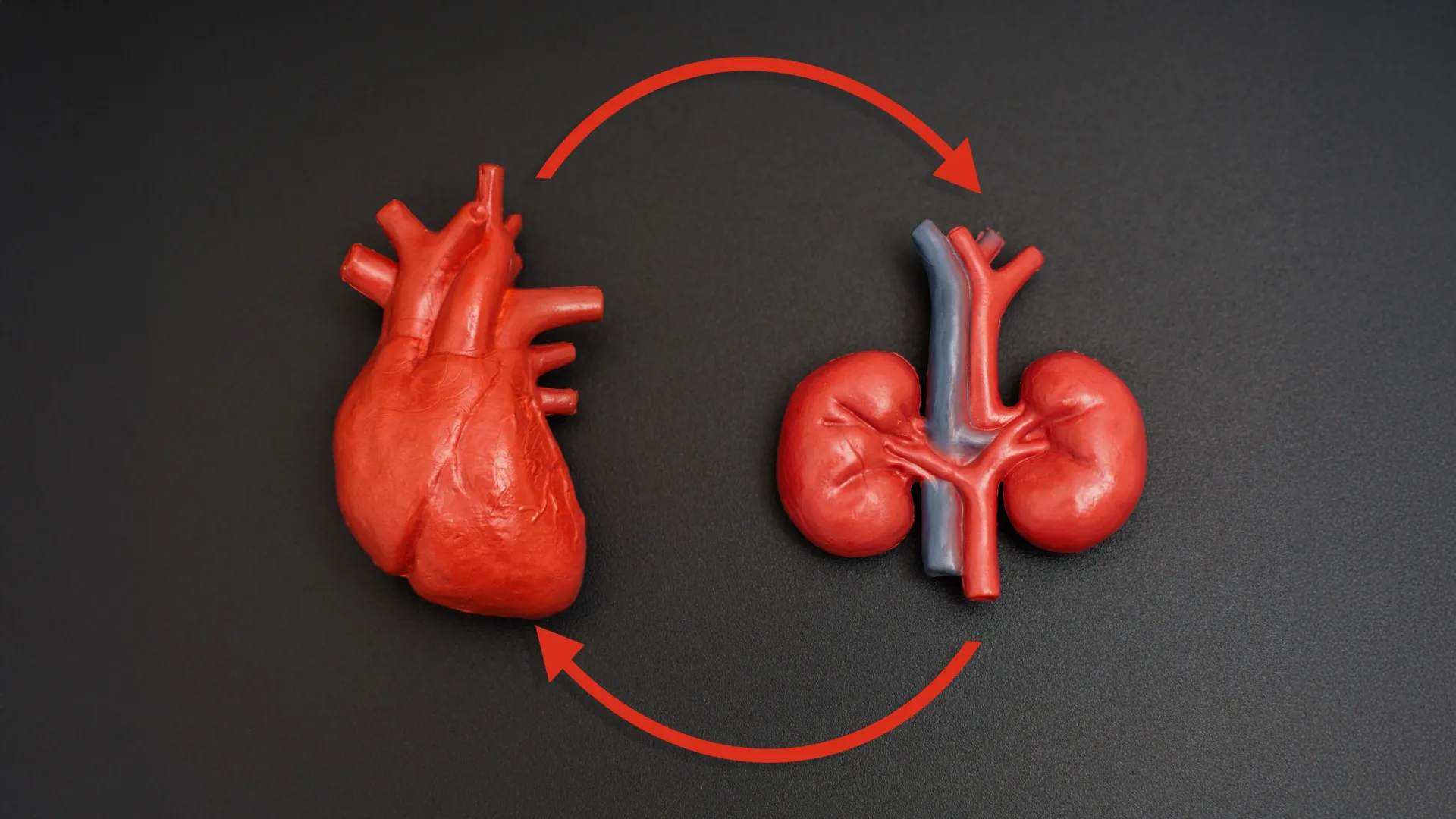
What Is Cardiovascular-Kidney-Metabolic (CKM) Syndrome?
CKM syndrome is a framework introduced by experts—including the American Heart Association (AHA) in 2023—to describe how three major systems interact:
- Cardiovascular: your heart and blood vessels
- Kidney: how well your kidneys filter waste and balance fluids
- Metabolic: blood sugar, cholesterol, weight, and how your body uses energy
Instead of treating high blood pressure, diabetes, or obesity as separate issues, CKM syndrome recognizes them as parts of one interconnected condition that unfolds over time. The more components you have, the higher your risk of:
- Heart attack and stroke
- Heart failure
- Chronic kidney disease or kidney failure
- Vision problems, nerve damage, and other diabetes complications
“CKM syndrome is about seeing the forest, not just the trees. It’s a way to identify people at high risk sooner and act earlier to prevent heart and kidney disease.”
— Adapted from American Heart Association scientific statements, 2023–2025
CKM syndrome is staged—from early risk all the way to advanced heart or kidney disease—so that clinicians can tailor prevention and treatment more precisely.
Why CKM Syndrome Matters: A Risk That May Affect Nearly Everyone
In recent analyses of U.S. health data, researchers found that almost 9 out of 10 adults have at least one component of CKM syndrome—such as elevated blood pressure, extra weight around the waist, abnormal blood sugar, or unhealthy cholesterol. Many have several at once.
That doesn’t mean 90% of people are destined to develop heart failure or kidney failure. But it does mean that:
- Most adults would benefit from earlier screening and lifestyle changes.
- Small, sustained improvements in daily habits can meaningfully reduce long-term risk.
- Focusing on “whole-system health” is often more effective than chasing one number at a time.

How CKM Syndrome Is Identified: Key Numbers to Know
Clinicians use a combination of measurements, lab tests, and medical history to assess CKM syndrome. Even without a formal label, you can start paying attention to these values:
- Blood pressure: Ideally around or below 120/80 mmHg, depending on your situation.
- Blood sugar:
- Fasting glucose: under 100 mg/dL is generally considered normal.
- Hemoglobin A1c: under 5.7% is typically normal; 5.7–6.4% is prediabetes.
- Cholesterol and lipids (numbers are individualized):
- LDL (“bad” cholesterol)
- HDL (“good” cholesterol)
- Triglycerides
- Non-HDL cholesterol
- Kidney function:
- Estimated glomerular filtration rate (eGFR)
- Urine albumin-to-creatinine ratio (checks for protein leakage)
- Weight and waist circumference:
- Body mass index (BMI) is one tool but not the only one.
- Waist size can better reflect harmful visceral fat.
CKM syndrome is often staged (0 through 4) based on how many of these markers are abnormal and whether heart or kidney disease is present. Earlier stages focus on prevention; later stages require more intensive management.
How Your Heart, Kidneys, and Metabolism Interact
The heart, kidneys, and metabolic system are in constant conversation. When one organ struggles, others often follow. A simplified overview:
- High blood pressure forces your heart to work harder and damages tiny blood vessels in your kidneys and other organs.
- High blood sugar injures blood vessels and nerves, including those in the kidneys and heart muscle.
- Unhealthy cholesterol and triglycerides contribute to plaque buildup, narrowing arteries that feed the heart, kidneys, and brain.
- Excess visceral fat (deep belly fat) releases inflammatory chemicals and hormones that worsen insulin resistance, blood pressure, and cholesterol.
- Declining kidney function raises blood pressure further and allows toxins to build up, straining the heart.

This is why CKM syndrome can accelerate more quickly than expected if multiple risk factors are ignored—and why improving even one area can often help the others.
A Real-Life Example: From “A Few Numbers Off” to Whole-Body Risk
Consider “Mark,” a 48-year-old office worker (a composite of several patient stories):
- Blood pressure hovered around 138/88 mmHg.
- Waist circumference had crept up over the years.
- Fasting glucose was 110 mg/dL—“a little high.”
- Triglycerides and LDL cholesterol were mildly elevated.
For years, each number seemed “not bad enough” to worry about. But when his clinician reframed it as CKM syndrome—early-stage risk across multiple systems—Mark finally saw the pattern. Instead of focusing on a single medication or one diet, they created a plan targeting:
- More daily movement, especially after meals.
- Reducing sugary drinks and ultra-processed snacks.
- Consistent sleep and stress-management habits.
- Medication where needed to control blood pressure and protect kidneys.
Over 12–18 months, his blood pressure dropped to a safer range, A1c returned to normal, and kidney markers remained stable. Not perfect, not overnight—but a clear shift away from high-risk territory.
“Once I understood that my heart, kidneys, and blood sugar were all part of the same story, it finally clicked. I didn’t need to be perfect; I just needed to move the whole picture in a better direction.”
— Composite patient account
Evidence-Based Ways to Lower Your CKM Risk
There is no single “CKM syndrome pill,” but there are multiple, well-studied strategies that lower overall risk. You don’t need to adopt all of them at once—choose one or two to start and build from there.
1. Know Your Numbers and Track Trends
- Schedule regular checkups to monitor blood pressure, A1c, kidney labs, and lipids.
- Use a home blood pressure monitor if recommended; track readings in a log or app.
- Ask your clinician, “How do my results affect my CKM risk as a whole?”
2. Move Your Body in Manageable Bites
Physical activity improves blood pressure, insulin sensitivity, cholesterol, and weight—key CKM factors.
- Aim for at least 150 minutes per week of moderate activity (like brisk walking), or as advised.
- Break it into 10–15 minute sessions after meals to help blood sugar and triglycerides.
- Add 2–3 days of resistance training (bands, bodyweight, or weights) to protect muscle and metabolism.

3. Shift Your Eating Pattern, Not Just One Food
Research consistently supports eating patterns rich in whole, minimally processed foods for heart, kidney, and metabolic health—such as Mediterranean-style or DASH-style approaches.
- Emphasize vegetables, fruits, beans, lentils, whole grains, nuts, and seeds.
- Choose fish, poultry, or plant proteins more often; limit processed and red meat.
- Reduce added sugars (sodas, juices, sweets) and ultra-processed snacks when possible.
- Watch sodium intake, especially if you have high blood pressure or kidney concerns.
4. Support Sleep and Stress Management
Poor sleep and chronic stress can raise blood pressure, disrupt blood sugar, and encourage weight gain.
- Aim for 7–9 hours of consistent, restorative sleep most nights.
- Keep a regular bedtime and wake time, even on weekends if possible.
- Practice simple stress-management tools: deep breathing, short walks, stretching, or brief mindfulness exercises.
5. Use Medications Strategically When Needed
For many people, lifestyle changes alone are not enough—especially if CKM risk is advanced. Evidence-based medications can:
- Control blood pressure and protect kidneys (for example, ACE inhibitors or ARBs).
- Improve blood sugar while also lowering heart and kidney risk (for example, SGLT2 inhibitors, GLP-1 receptor agonists in people with diabetes, as clinically indicated).
- Lower LDL cholesterol and reduce cardiovascular events (for example, statins in appropriate patients).
These treatments have risks and benefits that are highly individual. Decisions should always be made with a qualified healthcare professional, considering your full medical history.
Common Obstacles—and How to Work Around Them
Knowing what to do is different from being able to do it consistently. Here are some common barriers people face when addressing CKM risk, along with realistic strategies:
“I Don’t Have Time to Exercise or Cook.”
- Stack movement onto routines you already have: walk during phone calls, park farther away, take stairs when possible.
- Batch-cook simple meals once or twice a week (for example, roasted vegetables, beans, and whole grains you can remix).
- Use healthy convenience options: pre-washed salad mixes, frozen vegetables, rotisserie chicken (if sodium is acceptable), or low-sodium canned beans.
“My Numbers Aren’t That Bad. Do I Really Need to Worry?”
CKM syndrome teaches us that multiple “borderline” issues can add up to a meaningful risk, especially over time. Addressing them earlier often means:
- More options and flexibility.
- Lower doses of medications, if needed.
- Better odds of preventing serious complications later.
“I Feel Guilty or Discouraged.”
Many CKM risks are shaped by factors you don’t fully control—genetics, early life experiences, neighborhood environments, work demands, and access to care. Self-blame is not only unfair; it can sap the motivation you need to make changes.
Instead, try reframing:
- Focus on what is in your control today (for example, one extra glass of water, a 10-minute walk, or a slightly earlier bedtime).
- Set process goals (“I’ll walk after lunch three days this week”) instead of perfection goals (“I’ll work out every day forever”).
- Seek support—from healthcare teams, community programs, friends, or online groups that focus on realistic, sustainable health changes.
Visual Snapshot: CKM Syndrome at a Glance
This simplified infographic-style breakdown can help keep the big picture in mind:
- Inputs: Blood pressure, blood sugar, cholesterol, weight, waist size, kidney labs.
- Systems Affected: Heart and blood vessels, kidneys, metabolism and hormones, brain and nerves.
- Outcomes Over Time: Heart attack, stroke, heart failure, chronic kidney disease, vision and nerve damage, reduced quality of life.
- Key Levers: Movement, nutrition, sleep, stress, medications, stopping smoking, and regular checkups.

Before and After: What Progress Can Realistically Look Like
Not everyone will see dramatic “before-and-after” transformations, and outcomes vary widely. But many people experience meaningful improvements with steady, moderate changes. A realistic comparison:
Typical “Before” Scenario
- Blood pressure: 140–150/90–95 mmHg.
- A1c in the prediabetes or early diabetes range.
- LDL cholesterol and triglycerides moderately elevated.
- Shortness of breath on stairs; low energy.
Realistic “After” Scenario (12–24 Months)
- Blood pressure closer to guideline targets.
- A1c improved or stabilized; reduced risk of complications.
- Better cholesterol profile, especially lower LDL.
- Improved stamina, sleep, and ability to be active.

No approach can guarantee specific results, and some people will still develop complications despite best efforts. But across large populations, these changes consistently reduce average risk and support better quality of life.
When to Talk With a Healthcare Professional
Seek medical advice promptly if you notice:
- Consistently high home blood pressure readings (for example, 130/80 mmHg or higher, depending on your situation).
- Unexplained swelling in your legs, ankles, or around your eyes.
- Shortness of breath, chest discomfort, or sudden drop in exercise tolerance.
- Changes in urination (foamy urine, blood in urine, or urinating much more or much less than usual).
- Excessive thirst, frequent urination, or unexplained weight loss.
These symptoms don’t automatically mean you have CKM syndrome, but they do warrant evaluation. Early assessment can lead to more effective, less intensive treatments.
What the Science Says: Selected Research on CKM Syndrome
CKM syndrome is a relatively new term, but it’s built on decades of cardiovascular, kidney, and metabolic research. Recent expert groups have formalized the concept to help clinicians identify and treat risk earlier.
- American Heart Association scientific statements describing CKM syndrome, staging, and treatment priorities.
- Large observational studies showing that combinations of high blood pressure, diabetes, obesity, and kidney disease sharply increase the risk of heart attack, stroke, and premature death compared with any one factor alone.
- Randomized clinical trials of blood pressure, cholesterol, and diabetes medications demonstrating reduced cardiovascular and kidney events when key risk factors are well controlled.
The research continues to evolve. As scientists refine definitions and staging for CKM syndrome, you may hear more about it in clinic visits, public health campaigns, and future guidelines.
Putting It All Together: Small Steps Toward Big Protection
CKM syndrome may be a new name, but it describes a familiar reality: your heart, kidneys, and metabolism are deeply connected. Most adults have at least one CKM risk factor—and many have several—often without obvious symptoms.
You don’t have to wait for a formal diagnosis to take action. You can start with one or two of these steps:
- Schedule a checkup to review blood pressure, blood sugar, cholesterol, and kidney labs.
- Add a 10–15 minute walk after one meal each day this week.
- Swap one sugary drink or ultra-processed snack for a more nourishing option.
- Set a consistent bedtime that allows for more restful sleep.
Over months and years, these “small” choices accumulate, shifting the trajectory of your CKM risk. You’re not alone in this—your healthcare team, community resources, and supportive friends and family can walk alongside you.
Call to action: At your next visit, ask your clinician, “How does my overall cardiovascular-kidney-metabolic risk look, and what is one change we can focus on together over the next three months?”
