
The Dark Side of Coming Off Ozempic: How to Manage Rebound Hunger Without Losing Hope
Many people who stop GLP‑1 drugs like Ozempic are stunned when their hunger and weight quickly rebound. For some, it feels like their appetite comes back stronger than before, triggering fear, shame, and confusion. Understanding why this happens—and how to prepare for it—can make the transition safer, calmer, and more sustainable.
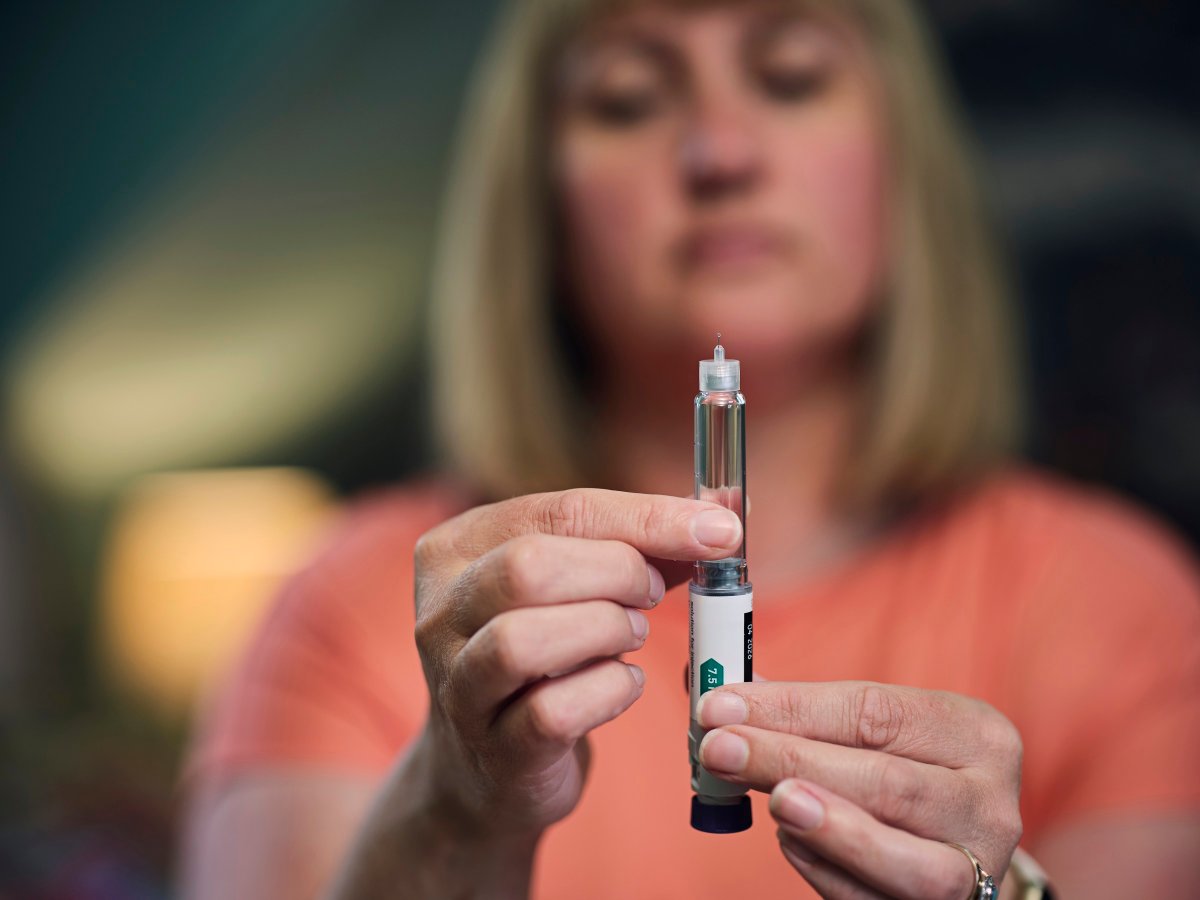
Below, we’ll unpack what recent reporting (including a 2026 BBC summary highlighted by Futurism) and current research suggest about stopping GLP‑1 agonists, why “rebound hunger” is so intense for many people, and what you can realistically do to protect your physical and mental health if you’re considering coming off these medications.
What’s Happening When People Stop GLP‑1 Drugs?
GLP‑1 receptor agonists—such as Ozempic (semaglutide), Wegovy, and others—were originally developed for type 2 diabetes but have become widely used for weight management. They:
- Slow stomach emptying, so you feel fuller longer.
- Act on the brain’s appetite centers to reduce hunger and cravings.
- Improve blood sugar control and, in some people, reduce “food noise.”
According to reports summarized by Futurism in early 2026, many people who stop these drugs experience:
- Rapid return of appetite (often described as “hunger with a vengeance”).
- Significant weight regain, sometimes most of the lost weight.
- Emotional distress: frustration, guilt, or a sense of failure.
“GLP‑1 agonists are highly effective for weight loss, but the evidence so far shows that when you stop them, the body’s biology tends to push weight back up. That’s not a personal failure—it’s physiology.”
— Obesity medicine specialist, summarizing current research trends
Clinical studies (for example, trials of semaglutide for obesity) have consistently shown that most patients regain a substantial portion of the lost weight within a year of stopping treatment. That doesn’t mean everyone will, but it does set realistic expectations: GLP‑1s are often more like long‑term therapies than quick fixes.
Why Hunger Comes Roaring Back After GLP‑1s
When you come off GLP‑1 medications, several biological systems shift at once. Together, they can make you feel like your body is “fighting” you.
- Appetite hormones rebound.
GLP‑1 drugs temporarily mimic or enhance the effects of natural satiety hormones. When the drug is removed:- Levels of hunger hormones like ghrelin may rise.
- Satiety hormones may feel weaker by comparison.
- Stomach emptying speeds up again.
Food moves through your stomach more quickly, so:- You feel hungry again sooner after meals.
- Larger portions may be needed to get the same fullness you felt while on the drug.
- Metabolic adaptation.
After weight loss, the body becomes more efficient, burning slightly fewer calories at rest. This is a known phenomenon called “adaptive thermogenesis.” When the appetite-suppressing effect is removed:- Calorie needs may still be lower.
- But appetite can feel dramatically higher, tilting the scale toward regain.
- Brain reward circuits re-activate.
Many people report that “food noise”—constant thoughts about food—returns.
A Realistic Case Study: “I Thought I Broke My Body”
Consider “Lena,” a 42‑year‑old office worker (details blended from multiple patient stories shared in clinics and media reports):
After a year on a GLP‑1 medication, she lost about 20% of her body weight. Her blood sugar improved, her knees hurt less, and—for the first time in years—she wasn’t thinking about food all day.
When her insurance stopped covering the drug, she tapered off over a few months. Within weeks of her last dose:
- She woke up ravenous, even after large dinners.
- Cravings for sweets and fast food returned hard.
- She regained 10 pounds in three months and felt “out of control.”
In her words, “It felt like the drug had broken my body. I didn’t understand why my hunger was suddenly so loud.”
When she eventually spoke with an obesity medicine specialist, she learned that her experience was common—and that there were concrete steps she could take to manage the transition. That shift—from self‑blame to understanding biology—became the foundation for a more compassionate, sustainable plan.
What Current Research Says About Stopping GLP‑1 Medications
While long‑term data are still evolving, several key patterns have emerged from peer‑reviewed studies and clinical practice:
- Weight regain is common after discontinuation.
In follow‑up studies of semaglutide for obesity, participants who stopped treatment regained a significant portion of the lost weight within one year. - Cardiometabolic benefits can diminish.
Improvements in blood sugar, blood pressure, and cholesterol also tend to drift back toward baseline after the medication is stopped, especially if weight is regained. - GLP‑1s are increasingly viewed as chronic therapy for many.
Many obesity specialists now frame GLP‑1 agonists similarly to medications for blood pressure or diabetes: often long‑term, sometimes lifelong, depending on individual risk and response. - There is no one-size-fits-all outcome.
Some people maintain part of their weight loss with intensive lifestyle support and, in some cases, alternative therapies. Others regain most of it. Genetics, environment, stress, sleep, and underlying conditions all play roles.
Reliable, evolving information can be found through organizations like:
If You’re Thinking About Stopping: How to Plan Safely
Coming off GLP‑1 medication should be a planned, supported process, not a sudden decision made alone. Here are practical, evidence‑informed steps to consider with your care team.
1. Talk to a knowledgeable clinician first
- Ask whether stopping is medically advisable right now.
- Review your history: weight changes, blood sugar, blood pressure, mental health.
- Discuss your reasons for stopping: side‑effects, access, cost, pregnancy plans, or personal preference.
2. Consider a gradual dose reduction
Some clinicians recommend tapering instead of an abrupt stop, though definitive evidence on the “best” taper schedule is limited.
- Slow tapering may give you time to adjust to returning hunger signals.
- It also creates space to build new habits before the medication is fully stopped.
3. Build a nutrition strategy before your last dose
Work with a registered dietitian or qualified nutrition professional, if possible. Focus on:
- Protein at each meal (e.g., eggs, Greek yogurt, tofu, fish, beans) to support fullness.
- High‑fiber foods (vegetables, fruits, legumes, whole grains) for volume and satiety.
- Healthy fats (nuts, seeds, avocado, olive oil) to slow digestion.
- Structured meal times to avoid long periods of extreme hunger.
4. Prepare for “rebound hunger” mentally
Expecting hunger to increase doesn’t make it easy—but it does make it less frightening.
- Remind yourself: “This is biology, not failure.”
- Share your plan with a trusted friend, family member, or support group.
- Consider therapy or counseling, especially if you have a history of disordered eating or body image struggles.
Practical Tools to Cope With Returning Hunger
You can’t completely override your biology, but you can soften the impact of returning appetite with structured habits.
1. Design “buffer” meals and snacks
Create a small set of go‑to options that are filling, easy, and emotionally neutral:
- Greek yogurt with berries and nuts.
- Hummus with carrot sticks and whole‑grain crackers.
- Lentil soup with a side salad.
- Apple slices with peanut or almond butter.
2. Use gentle structure, not rigid restriction
Overly strict rules can backfire when hunger is strong. Instead:
- Set approximate meal times (e.g., every 3–4 hours).
- Plan your main meals in advance, but allow flexibility within the day.
- Aim to feel “comfortably satisfied,” not stuffed or starving.
3. Support your sleep and stress response
Poor sleep and high stress can further increase hunger hormones and cravings.
- Prioritize 7–9 hours of sleep where possible.
- Use short stress‑management tools: 5‑minute breathing breaks, short walks, journaling.
- Limit caffeine late in the day, which can worsen sleep and anxiety.

Movement and Metabolism: What Actually Helps?
Exercise alone rarely prevents weight regain after stopping GLP‑1s, but it does play an important role in health and metabolic resilience.
1. Strength training to preserve muscle
- 2–3 sessions per week focusing on major muscle groups (legs, back, chest, core).
- Body‑weight movements (squats, push‑ups, lunges) are a valid starting point.
- Maintaining muscle mass supports resting energy expenditure and functional strength.
2. Light, frequent activity
Simply sitting less can make a real difference over time:
- Short walks after meals.
- Standing breaks during work.
- Household chores or gentle stretching in the evening.
Caring for Your Mental Health During and After GLP‑1 Withdrawal
Rapid changes in appetite and weight can trigger intense emotions. This is especially true for anyone who has lived through weight stigma, yo‑yo dieting, or disordered eating.
- Normalize your feelings. Anger, grief, and fear are common responses when the weight you fought for starts to return.
- Seek non‑judgmental support. Look for providers who understand obesity as a chronic, complex condition—not a simple matter of willpower.
- Watch for red flags. If you notice severe restriction, binge episodes, purging, or obsessive body checking, reach out to a mental health professional experienced in eating disorders.
“The goal isn’t to control your body at all costs. The goal is to build a relationship with your body that’s based on care, respect, and realistic expectations—whatever your weight happens to be.”
— Clinical psychologist specializing in weight and body image
Before and After GLP‑1s: Rethinking Success
Success with GLP‑1 medications is often framed purely in terms of the scale. But health is broader than a single number, and stopping the drug doesn’t erase the benefits you experienced along the way.

Instead of only asking, “Did I keep all the weight off?” consider:
- Did my time on GLP‑1s improve my understanding of my body and appetite?
- Did I gain habits—like walking more or cooking at home—that I can carry forward?
- Did my blood pressure, blood sugar, or mobility improve, even if temporarily?
- What did I learn about the kind of support I need long term?
These questions help shift the story from “I failed when the weight came back” to “I’m navigating a chronic condition with changing tools over time.”
Moving Forward: Your Body Is Not Broken
Something undeniably challenging is happening to many people who come off GLP‑1 drugs: hunger returns fiercely, and weight often follows. This isn’t a moral issue—it’s a reflection of how powerfully the body defends against weight loss.
You deserve care that acknowledges:
- Obesity is a complex, chronic condition, not a simple lifestyle choice.
- GLP‑1 medications are legitimate medical tools, not shortcuts.
- Stopping them requires planning, support, and self‑compassion.
If you’re thinking about tapering off—or already feeling overwhelmed by rebound hunger—your next step doesn’t have to be perfect. It just needs to be supported.
Consider, in the next week, choosing one of these actions:
- Book an appointment with your prescriber to discuss a structured taper and follow‑up plan.
- Schedule a session with a registered dietitian or therapist experienced in weight and eating concerns.
- Start a simple log of hunger levels, meals, sleep, and mood to bring to your next medical visit.
Your journey with or without GLP‑1s is not about perfection. It’s about building a kinder, more informed partnership with your body over time—one decision at a time, with real support by your side.
Meta Information (SEO)
SEO Title Tag: Something Grim Is Happening to People Who Go Off GLP‑1s: Understanding Rebound Hunger After Ozempic
Meta Description: Many people who stop GLP‑1 drugs like Ozempic experience intense rebound hunger and weight regain. Learn what the science says, why this happens, and practical steps to manage the transition safely and compassionately.
