
Surviving a Record Flu Season: Real Stories, Smart Strategies, and How to Cope at Home
Tissue boxes on every surface. Another episode auto-playing. Soup containers and DoorDash bags stacked by the sink. For many people, that’s what this record-breaking flu season looks like: days or weeks spent stuck in bed or on the couch, trying to parent, work, or just get comfortable while feeling absolutely miserable.
When CNN asked people to share their flu stories, hundreds wrote in about binge-watching, remote work, canceled plans, and never-ending coughs. One woman, Terry Sigmond, thought she just had a cold before a New Year’s celebration. She went anyway—only to find herself in a weeks-long flu ordeal, dozing through Hallmark Channel movies and fighting fatigue that wouldn’t let up.
This guide brings together those lived experiences with the latest medical guidance to help you understand what’s going on this flu season and how to cope at home—without overpromising any miracle cures.

Why This Flu Season Feels So Overwhelming
Many readers describe this season’s flu as “the sickest I’ve been in years.” That isn’t just in your head. Health agencies have reported:
- Higher-than-usual numbers of flu-related doctor visits and hospitalizations in some regions.
- Multiple respiratory viruses circulating at once—flu, RSV, and COVID—making it harder to know what you have.
- Workplaces and schools still adjusting to flexible sick policies after the pandemic years.
“We’re seeing an early and intense flu season layered on top of other respiratory viruses. That means more people sick at the same time, and more pressure on families and health systems.”
— Infectious disease specialist, summarizing current surveillance data
Put simply: it’s not just that you feel worse this year. Many people really are getting hit harder, and staying sick longer, than in milder seasons.
Flu vs. “Just a Cold”: What People Are Really Feeling
Terry’s story—thinking it was a cold, only to be flattened for weeks—is echoing across households. Many people report:
- Sudden onset: Feeling okay in the morning and knocked out by afternoon.
- High fever and chills: Often 101–104°F (38.3–40°C) in adults.
- Deep fatigue: Walking to the bathroom feels like a workout.
- Body aches: “Like I got hit by a truck,” as multiple readers described it.
- Dry cough and sore throat: Making sleep and work difficult.
- Lingering weakness: Feeling drained for days or even weeks after the fever breaks.
Colds tend to come on gradually, with more nasal congestion and milder fatigue. The flu usually hits fast and hard.
How to Get Through Flu at Home: Practical, Evidence-Informed Care
There’s no magic fix that instantly erases flu, but good home care can reduce discomfort and lower your risk of complications. Think of it as building a “flu survival kit” for your body, mind, and home.
1. Hydration That Actually Works When You Feel Nauseated
- Sip small amounts of fluid every 10–15 minutes instead of chugging full glasses.
- Use water, oral rehydration solutions, broths, or diluted juice—avoid very sugary drinks if they upset your stomach.
- If plain water tastes “off,” try warm herbal tea with a bit of honey (for adults and children over 1 year only).
2. Rest Without Guilt
Many people wrote about trying to answer emails or manage kids while shivering under a blanket. Flu is not the time to “push through.”
- Set a temporary away message for work if you can: let people know your responses will be delayed.
- Tag in a partner, friend, or family member to help with kids, even if it’s just a video call to entertain them.
- Allow your sleep schedule to be messy—listen to your body’s need to nap.
3. Medications: What They Can and Can’t Do
Over-the-counter (OTC) options don’t cure flu, but they can make it more bearable. Always follow label instructions and ask a clinician or pharmacist if you’re unsure.
- Pain and fever reducers (such as acetaminophen or ibuprofen) can lower fever and ease body aches.
- Cough suppressants and lozenges may bring short-term relief, especially at night.
- Decongestants can help some adults but may affect blood pressure or sleep; check with your clinician if you have heart or blood pressure issues.
- Antivirals (like oseltamivir) may be prescribed for people at higher risk or within the first couple of days of symptoms; they can modestly shorten illness and reduce complications for some, but they are not a cure-all.
“The most powerful tools we have for otherwise healthy adults with flu are still the basics: rest, fluids, fever control, and watching for warning signs that need urgent care.”
— Primary care physician, speaking broadly about outpatient flu management
Binge-Watching, DoorDash, and Reality: Coping Without Losing Your Mind
The stories people shared weren’t just about fevers and coughs. They were about the emotional side of being sick: loneliness, frustration, guilt over missed work, the chaos of parenting while ill, and the small comforts that helped.
1. Turning the Couch into a Recovery Zone
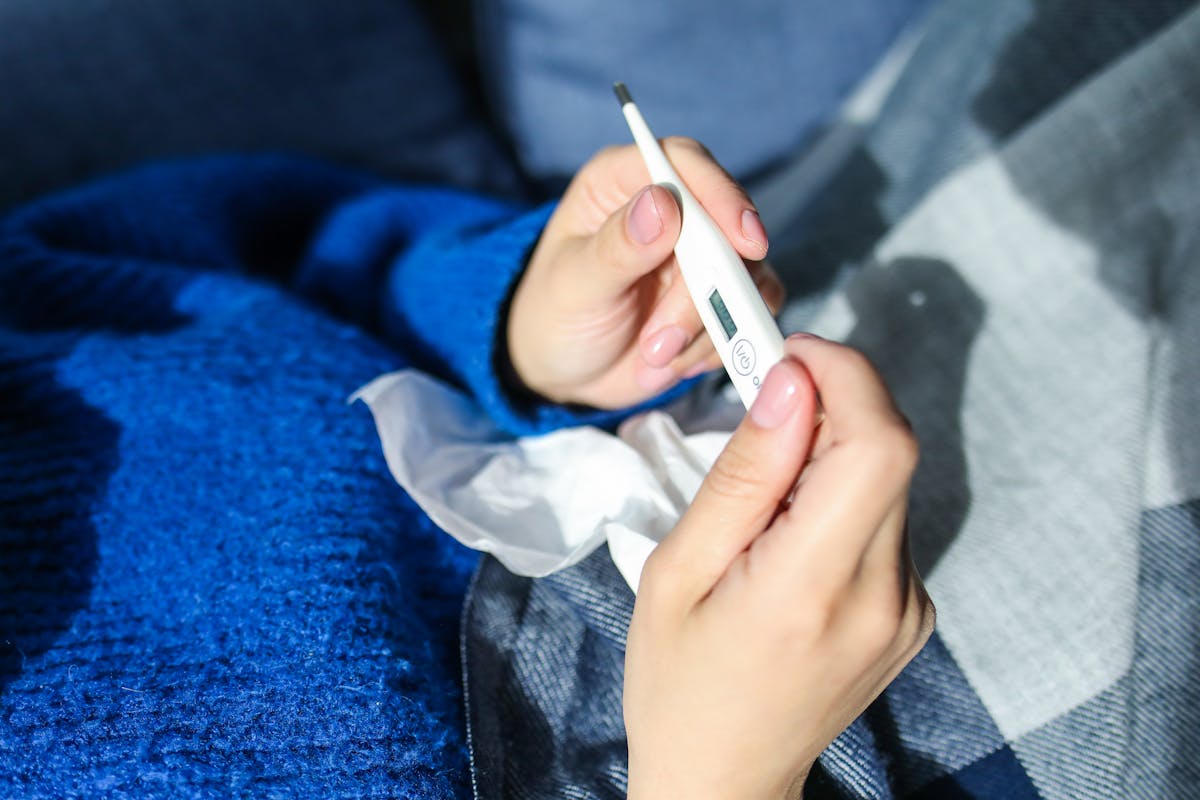
- Keep a “flu tray” nearby with tissues, water, a trash bag, lip balm, a thermometer, and your meds.
- Use an extra pillow to elevate your head if post-nasal drip or coughing wakes you at night.
- Keep lights dim but not completely dark to avoid headaches and disorientation when you wake up.

2. Food Delivery Without the Guilt
Many readers talked about relying on DoorDash or similar services. When you’re sick, this can be a smart way to preserve energy.
- Order simple, easy-to-digest foods like soups, steamed rice, roasted vegetables, or plain toast.
- Aim for light protein (eggs, tofu, chicken, beans) to support recovery without overwhelming your stomach.
- If cost is a concern, consider:
- Buying shelf-stable soups and frozen meals when you’re well to use during sick days.
- Asking a friend or neighbor to drop off groceries instead of restaurant meals.
3. Mental Health: When the Days Blur Together
Long stretches of isolation and discomfort can wear on your mood, especially if you already live alone or struggle with anxiety.
- Set mini-routines: Morning wash-up, midday check-in with a friend, evening “comfort show.”
- Stay lightly connected: Short texts or voice messages can feel less draining than full conversations.
- Give yourself permission not to be productive: Healing is a form of work your body is doing.
Flu in the Real World: Kids, Work, and Caregiving Juggling Acts
Many stories shared with CNN involved parents trying to keep kids occupied while sick themselves—or entire households going down like dominoes. This is where ideal advice (“just rest”) clashes with reality (“who’s watching the toddler?”).
1. When You’re Sick and So Are the Kids
- Create a “sick day zone” with blankets, water bottles, and a trash bag for tissues so you aren’t constantly getting up.
- Rotate low-effort activities: audiobooks, drawing, age-appropriate shows, puzzles that can be done in bed or on the couch.
- If there’s another adult in the home, trade shifts: one person rests in a closed room while the other is on “kid duty,” then switch.
2. Working from Home While Sick: What’s Realistic?
Some readers described logging into Zoom calls between coughing fits or answering emails with a fever. If your situation forces you to work while ill, consider:
- Communicating clearly: tell your manager you’re sick and may need slower response times or to skip video.
- Batching tasks into short windows of focus (15–20 minutes) followed by rest.
- Turning off nonessential notifications so you’re not constantly pulled back to screens.

Safety First: When Flu Becomes an Emergency
Most otherwise healthy people recover from flu at home, even if it feels awful. But this season’s intensity means it’s especially important to recognize warning signs of complications like pneumonia or worsening chronic conditions.
Adults: Call a Doctor or Seek Urgent Care If You Notice
- Difficulty breathing or shortness of breath.
- Pain or pressure in chest or abdomen.
- Sudden dizziness, confusion, or trouble staying awake.
- Severe or persistent vomiting.
- Flu symptoms that improve but then return with worse cough and fever.
Children: Get Urgent Help If You See
- Fast or troubled breathing, ribs pulling in with each breath.
- Bluish lips or face.
- Not drinking enough fluids or not urinating as usual.
- Not waking up, not interacting, or unusually irritable.
- Fever with a rash, or any fever in a very young infant as advised by your pediatrician.
Looking Ahead: Reducing Your Risk for the Rest of Flu Season
Many of the people who shared their stories said the same thing: “I never want to go through this again if I can help it.” While nothing offers 100% protection, several steps can lower your chances of severe flu or shorten its course.
1. Vaccination Still Matters
Seasonal flu vaccines are updated each year to match the strains most likely to circulate. They don’t guarantee you won’t get sick, but research consistently shows they:
- Reduce the risk of getting flu for many people.
- Lower the risk of hospitalization and severe outcomes if you do get infected.
- Are especially important for older adults, pregnant people, young children, and those with chronic conditions.
2. Everyday Habits That Add Up
- Wash hands regularly with soap and water, especially after coughing, sneezing, or being in public spaces.
- Use alcohol-based hand sanitizer when soap isn’t available.
- Cover coughs and sneezes with a tissue or your elbow, then wash or sanitize.
- Stay home when you’re sick, as much as your job and life circumstances allow.
- Consider wearing a mask in crowded indoor settings during peak respiratory virus season, especially if you’re high-risk.

Moving Through This Flu Season with Realism and Compassion
If you’re currently curled up with tissues on one side and a remote on the other, you’re far from alone. This record-breaking flu season has left many people drained, discouraged, and behind on work, school, and life plans. None of that is a personal failure—it’s what happens when a powerful virus collides with real-world responsibilities.
You can’t control every exposure or outcome, but you can give your body the best chance to recover: rest when you can, stay hydrated, use medications wisely, watch for warning signs, and lean on the tools that make survival—yes, even binge-watching and DoorDash—a little easier.
When you’re finally on the other side of this, consider one small, practical step to prepare for next time—getting your flu shot, building a modest “sick day” pantry, or talking with family about backup plans for childcare or eldercare. Tiny actions now can mean less chaos when the next wave hits.
Call to action: If your symptoms are worrying you, reach out to a health care professional today. If you’re simply exhausted and recovering, give yourself permission to rest—your only job right now is to heal.
