
Sundance’s Long Goodbye: Inside the Festival’s Farewell to Park City and Robert Redford
As the Sundance Film Festival returns to Park City amid industry upheaval, it’s staging what feels like a long goodbye—to its longtime Utah home and to the late Robert Redford, whose vision turned a scrappy regional event into the country’s premier showcase for independent film. This year’s edition blends star power with soul-searching as Sundance confronts streaming-era economics, shifting audience habits, and big questions about where—and how—it will live next.
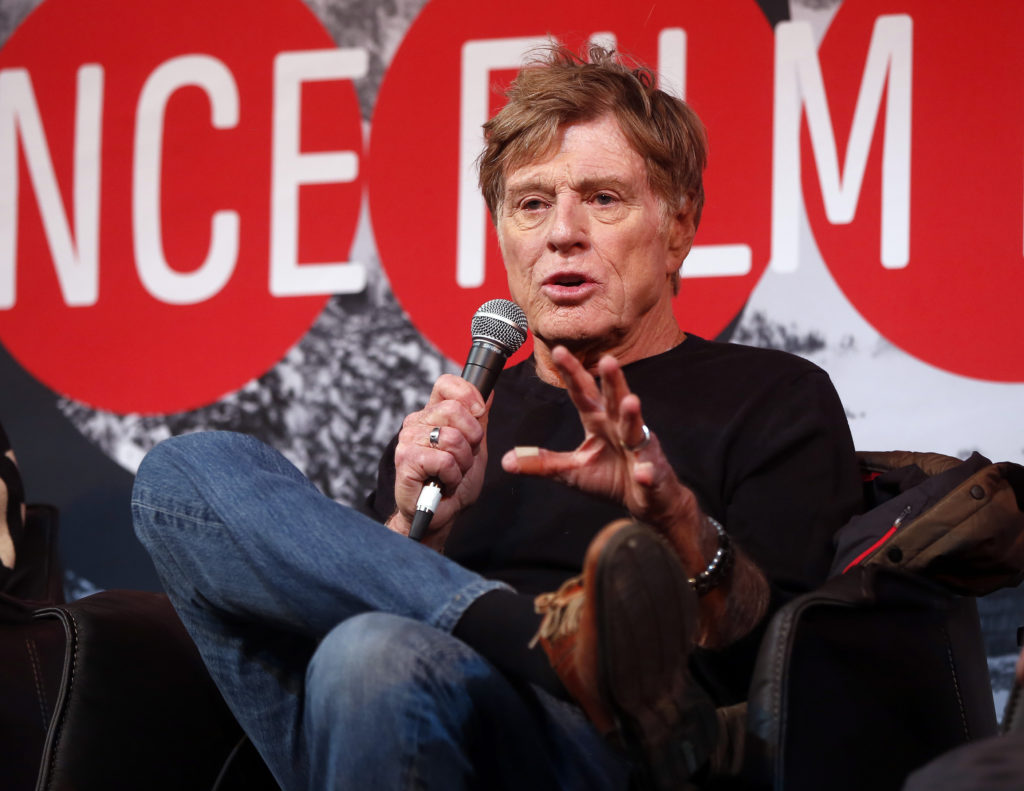
Sundance in Transition: A Festival at a Crossroads
For decades, Sundance in Park City has been as much a pilgrimage as a film festival—snow boots, shuttle buses, and surprise breakout hits sold at 2 a.m. bidding wars. Now, as the festival weighs a move away from Park City and grapples with the passing of founder Robert Redford, it’s being forced to ask what “Sundance” really is: a place, a brand, or a set of values about independent storytelling.
This year’s lineup leans into that tension: familiar red-carpet glamour from stars like Natalie Portman sits alongside the kind of risky, micro-budget titles that built Sundance’s reputation in the first place. It feels less like a standard edition and more like an inflection point.
Robert Redford’s Legacy: The Soul of Sundance
Even before his death, Robert Redford had been gradually stepping back from public life at the festival, but his presence has always been felt in Park City—the quiet movie star who bet on artists no one else would touch. With Sundance entering its post-Redford era, the question isn’t just how the festival survives, but how it honors the ethos he built.
“We wanted to create a place where risk was protected, not punished.”
— Robert Redford, on founding the Sundance Institute
Redford’s genius was understanding that independent film needed more than a marketplace—it needed an ecosystem. Workshops, labs, and year-round support for screenwriters, documentarians, and emerging voices turned Sundance from a snowbound film fair into a cultural institution. That’s why his passing hits differently this year: it coincides with a moment when the ecosystem itself is under pressure from streaming economics and consolidation.
The festival’s challenge now is to keep that sense of artistic risk alive in a climate where many distributors are playing it safer and audiences are increasingly trained to watch from their couches.
Saying Goodbye to Park City? What a Move Would Really Mean
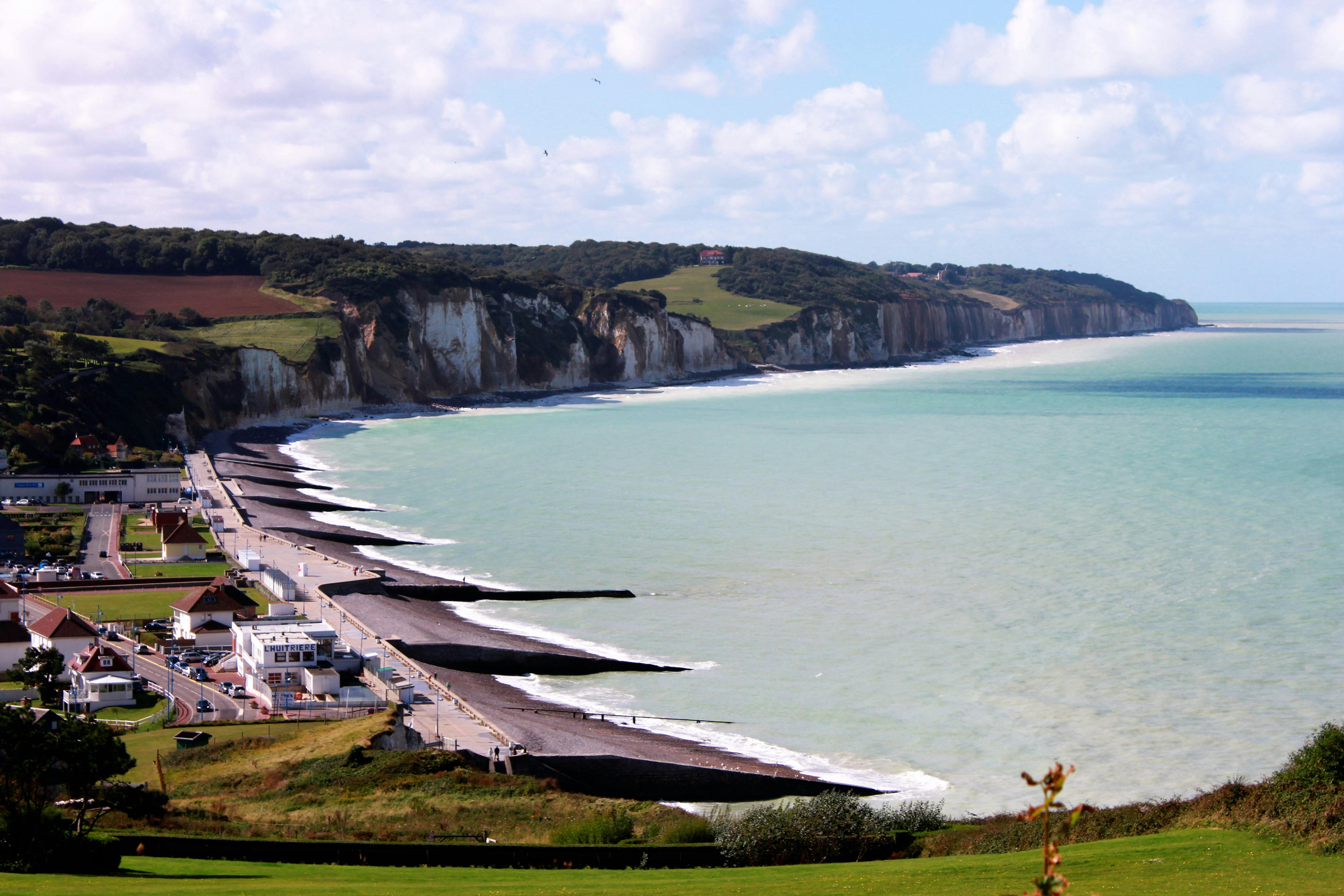
Park City isn’t just a backdrop; it’s part of Sundance’s mythology. The contrast between red carpets and slushy sidewalks has always sent a message: this isn’t Cannes or Venice—this is scrappy, high-altitude American indie culture, complete with long lines and altitude headaches.
But Park City has also become a logistical and financial headache: soaring lodging prices, limited infrastructure, and a sense that the festival may have outgrown the town that made it famous. The Sundance Institute has been openly exploring new host cities, suggesting that this year could be the beginning of the end of the Park City era.
- Pros of moving: More space, better accessibility, potential cost relief for filmmakers and audiences.
- Cons of moving: Loss of identity, risk of feeling generic, disruption to a well-established ecosystem.
Sundance vs. the Streaming Era: Can Indie Film Still Break Out?
Sundance has always been where you went to sell a movie. But the definition of “selling” has changed dramatically. After peak streaming spending in the late 2010s and early 2020s—think record-breaking deals for films like CODA—platforms have become more cautious. Fewer giant acquisitions, more targeted buys, and a sharper focus on content that can survive the algorithm.
That turbulence hits at the core of what Sundance represents: a marketplace for daring, often uncommercial stories. When distributors are risk-averse, Sundance can either become a museum of bold-but-unseen films or double down on helping those films find audiences through hybrid models, grassroots campaigns, and international partners.
“The old math—premiere, standing ovation, eight-figure sale—is mostly gone. What’s left is the question: who are these movies really for, and how do we reach them?”
— Anonymous acquisitions executive, speaking to industry press
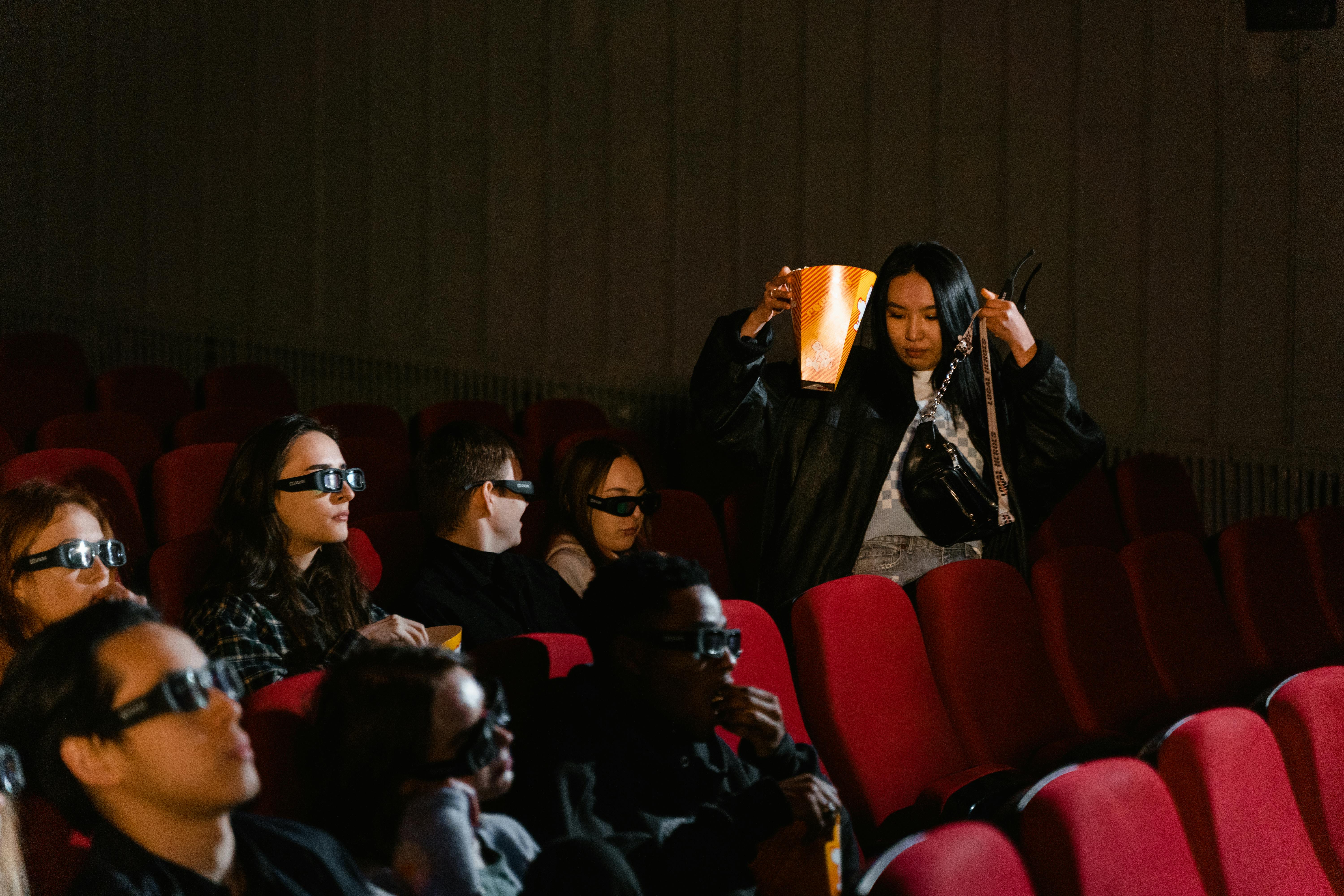
The bittersweetness of the current Sundance moment stems from that contradiction: the festival is still the place where careers can be launched overnight, yet the road from standing ovation to sustainable filmmaking has rarely been more uncertain.
Stars, First-Timers, and the Sundance “Discovery” Machine
On the surface, this year still looks like Sundance as usual: big names like Natalie Portman draw media attention, while pop figures like Charli XCX underline the festival’s interest in cross-genre storytelling and music-driven projects. The red carpet remains a crucial part of the brand—and a magnet for coverage from outlets like PBS, Variety, and The Hollywood Reporter.
But the real test of Sundance’s health is in the smaller rooms: the midnight movies, the first features from unknown directors, the documentaries from regions and communities underserved by mainstream distribution.
- Star vehicles help keep sponsors, brands, and media engaged.
- Low-budget indies sustain Sundance’s credibility with filmmakers and cinephiles.
- Docs and international titles expand its reach beyond the U.S. indie bubble.

From Counterculture to Institution: Sundance’s Cultural Footprint
Sundance started as a corrective to Hollywood’s risk-aversion and geographic centrism—a mountain sanctuary for stories that didn’t fit studio templates. Over time, it became powerful enough to influence those templates. Films that premiered at Sundance helped normalize everything from nonlinear storytelling and mumblecore aesthetics to politically charged documentary as mainstream entertainment.
PBS and other public broadcasters have played a quiet but crucial role here, particularly in the documentary space—amplifying Sundance titles through TV premieres and streaming, and helping serious non-fiction work find audiences beyond niche cinephile circles.

That’s the irony of Sundance in 2026: the festival that once thrived on being an outsider is now an institution trying not to calcify. The Park City farewell, coupled with Redford’s passing, forces Sundance to confront its own mythology—and decide which parts are essential and which are just vibes.
Strengths, Weaknesses, and What Comes Next
Evaluating this moment in Sundance’s history almost feels like reviewing a film in progress. The festival is clearly in a transitional act, and not all the narrative threads are resolved yet.
Where Sundance Still Shines
- Unmatched brand recognition in the independent film world.
- A track record of discovering new talent before the industry catches up.
- A hybrid model that, if nurtured, can reach audiences who will never set foot in Utah.
Where the Festival Feels Vulnerable
- Uncertainty about physical location and local infrastructure challenges.
- Dependence on an acquisition market that’s more cautious and fragmented.
- The risk of drifting from Redford’s original mission under commercial and branding pressures.
If there’s a silver lining, it’s that Sundance has been here before in different forms—adapting from VHS-era discovery hub to DVD boom to the streaming age. The farewell to Park City and to Redford feels heavy, but it might also be the catalyst the festival needs to reassert what “independent” means in a moment when almost everything, and nothing, is “content.”
However the logistics shake out, Sundance’s future will likely hinge on something deceptively simple: its ability to keep surprising people—critics, executives, and audiences—with films they didn’t know they needed. If it can still do that, the zip code may matter less than we think.
Sundance Film Festival 2026: Review Snapshot
Sundance Film Festival (Park City Era, Late Stage)
Location: Park City, Utah (primary hub, hybrid format)
A bittersweet, transitional edition that doubles as a tribute to Robert Redford and a soft farewell tour for Park City, all while testing whether the Sundance brand can still champion daring independent film in a cautious, streaming-dominated marketplace.
As a cultural event, this Sundance feels less like a peak and more like a pivot—imperfect, occasionally messy, but undeniably important. Its success won’t be measured just in deals, but in whether, years from now, we can look back and say: this was the year the festival chose what kind of future it wanted.
Reviewer: Independent Culture & Film Analyst
Overall festival moment: 4/5 for cultural relevance, with an asterisk for uncertainty about the road ahead.
