
Sundance’s Last Stand in Park City: What the Final Festival Means for Indie Film’s Future
As Sundance Film Festival unspools in Park City for the last time—and the first without founder Robert Redford—the indie world is treating Main Street like sacred ground on a farewell tour. The neon marquees, the frantic dashes between theaters, the late‑night debates over which micro‑budget drama just changed someone’s life: it’s all here, one more time, but with a distinct end‑of‑an‑era charge in the air.
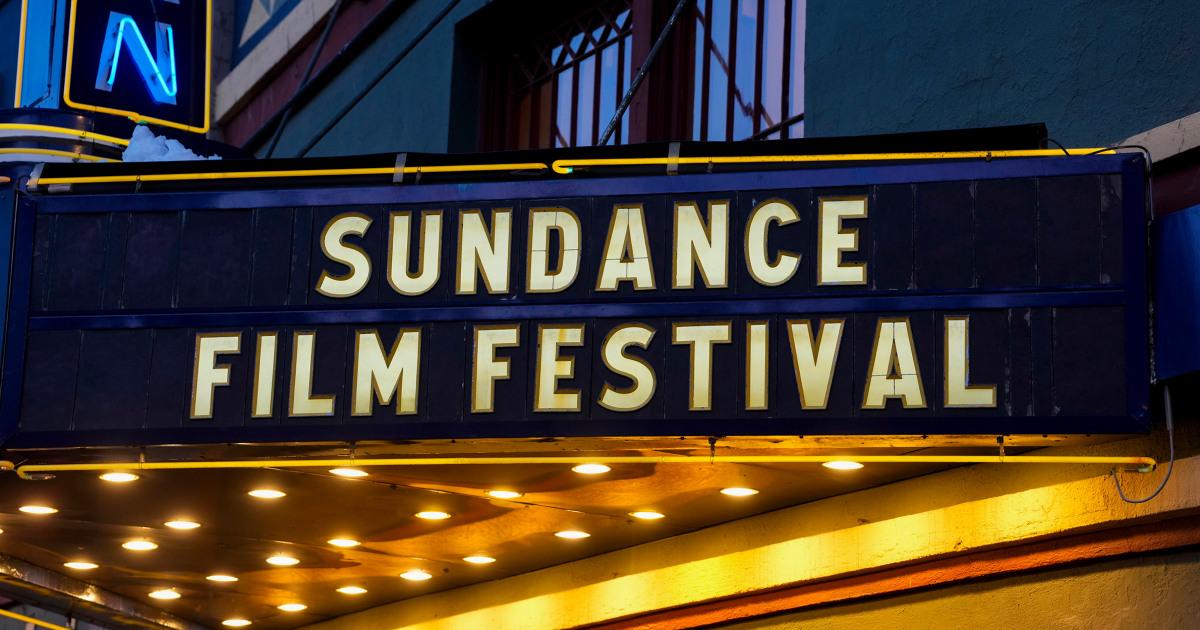
Sundance in Park City: A Final Curtain Call
NBC News reports that this year’s edition is both a beginning and an ending: the first Sundance without Robert Redford at the helm and the last to be staged in Park City, Utah, after four decades of turning a ski town into the epicenter of American independent film. For filmmakers and industry insiders who cut their teeth here, the change feels almost tectonic.
The sprint up a jam‑packed Main Street to make a premiere on time has long been a rite of passage. Now, that ritual is acquiring a nostalgic edge—one final, snow‑crunched run before the festival reimagines itself elsewhere.
How Park City Turned Sundance Into a Cultural Phenomenon
Sundance didn’t just drop into Park City fully formed; it grew alongside it. When Redford spearheaded what began as the Utah/US Film Festival in the late 1970s, Park City was a former mining town transitioning into a ski destination. The festival’s January slot—off‑season for most moviegoers—helped brand it as a place where risk‑taking stories could thrive far from Hollywood’s glare.
Over time, Park City became a character in the Sundance mythos. The altitude headaches, the shuttle roulette, the snow‑flecked red carpets—all lent texture to the idea that independent film was something you had to seek out, suffer for a bit, and then champion once you discovered it.
- Miramax’s 1989 acquisition of sex, lies, and videotape signaled Sundance’s power as a launchpad.
- Reservoir Dogs, Napoleon Dynamite, Little Miss Sunshine, and Get Out all rode Park City buzz into popular consciousness.
- Docs like Hoop Dreams and An Inconvenient Truth proved nonfiction could shape national conversations.
“Sundance in Park City always felt like a pilgrimage. You froze, you waited in lines, and then you walked out of some tiny theater convinced you’d just seen the future.”
— A veteran festival programmer, speaking to industry press
The First Sundance Without Robert Redford: A Founder’s Long Shadow
This year also marks the first Sundance without Robert Redford in an active leadership role—a symbolic shift that overlaps with Park City’s farewell. Redford’s name has been shorthand for a particular kind of American indie: character‑driven, modestly scaled, politically curious but emotionally accessible.
Even as the festival professionalized and scaled up—becoming a crucial stop on the awards‑season calendar—his rhetoric emphasized discovery over spectacle, voices over box office.
“Storytellers broaden our minds: engage, provoke, inspire, and ultimately, connect us.”
— Robert Redford, on the mission of Sundance Institute
Without Redford present as the festival patriarch, this final Park City edition feels like a deliberate transition from one era of stewardship to another. The question is no longer whether Sundance can outgrow its founder; it’s whether it can outgrow its zip code without losing what made it matter.
Why Sundance Is Leaving Park City: Economics, Access, and the Streaming Era
The NBC News piece doesn’t just cue the nostalgia; it also hints at the hard realities pushing Sundance out of its longtime home. Over the past decade, Park City has become a case study in festival gentrification: surging rental prices, traffic gridlock, and corporate branding that sometimes overwhelms the movies themselves.
Add to that the streaming boom. Where once Sundance was one of the only places to shop for edgy indie titles, major streamers now dispatch acquisition teams with deep pockets and tight data models. The vibe has shifted from scrappy indie bazaar to high‑stakes content marketplace.
- Cost: Filmmakers and smaller distributors struggle to compete with studio‑funded publicity in a town where everything, from condos to coffee, spikes during the fest.
- Access: For audiences, press, and creators with fewer resources, the Park City trek has become an increasingly expensive pilgrimage.
- Hybrid habits: Pandemic‑era virtual editions proved that films could break through without physical snowdrifts—changing expectations for how festivals should operate.
Moving on from Park City, then, isn’t purely sentimental heartbreak; it’s a pragmatic response to a shifting media economy. The festival has to choose between being a boutique, mountain‑town experience or a more flexible, possibly more inclusive platform that acknowledges where and how people now discover cinema.
What the Last Park City Sundance Means for Filmmakers and the Indie Ecosystem
For filmmakers on the ground, this final Park City year is both a bittersweet goodbye and a high‑pressure showcase. Having “played Park City” has long been a calling card in grant applications, pitch decks, and Q&As—a shorthand for having survived the gauntlet of cold mornings and hotter takes.
The upside: a last‑chance halo effect. Projects premiering this year benefit from the narrative weight of being the festival’s Park City swan song, something publicists and distributors are keenly aware of. Expect press packages and trailers to lean into that “final chapter” romance.
The downside: uncertainty. Emerging directors, especially, wonder whether the next iteration of Sundance will retain the same gatekeeping power in an industry now defined by TikTok virality, podcast adaptations, and seven‑figure streamer deals for docuseries.
The Culture of Main Street: Brand Activations, Buzz, and the Sundance Myth
NBC’s framing of this year’s festival emphasizes Main Street as the emotional core of the experience. Over the years, that strip has seen everything from snow‑soaked midnight lines to branded “lounges” that feel like satellite offices for streamers and tech platforms.
It’s easy to romanticize those crowded sidewalks—celebs trudging through slush, student filmmakers nervously checking the time before a Q&A, buyers scanning schedules like derby tip sheets. It’s also important to acknowledge that for many, the Main Street spectacle turned a festival about risk into a showroom for whatever company could afford the biggest pop‑up.
- The good: Unexpected encounters, word‑of‑mouth discoveries, a genuine sense of community.
- The bad: Sky‑high prices, exclusivity, and a creeping sense that the town itself was the main event.
- The complicated: Corporate money both funded the ecosystem and risked diluting its indie spirit.

After Park City: What’s Next for Sundance and Indie Film?
The end of the Park City era doesn’t mean the end of Sundance; it means the end of one very specific story about what independent cinema looks like in public. The festival’s next home—whether a new city, a rotating model, or an expanded hybrid platform—will inevitably rewrite that narrative.
The real stakes go beyond geography. Can Sundance remain the place where modest, idiosyncratic films can still change the cultural weather in an industry dominated by algorithms and IP franchises? Or will it lean further into being a prestige label for streamer‑ready content?
For now, Park City gets one last curtain call. Filmmakers will sprint up Main Street. Deals will be made in back rooms and crowded coffee shops. Somewhere in a dark theater, an audience will fall for a film no one saw coming. And when the lights come up, Sundance will start writing its next act—without Redford in the room, and without the snow‑globe town that helped define it, but still chasing the same thing it always has: that electric moment when a new voice finally gets heard.

Further Reading and Official Sources
Explore more about Sundance Film Festival, its history in Park City, and its evolving future:
