
Stay Full Longer: High‑Protein, High‑Fiber ‘Satiety Diet’ Recipe Trend Explained
High‑Protein, High‑Fiber Satiety Bowls (Mediterranean Power Bowl)
All over TikTok, YouTube, and Instagram, people are trading “How little can I eat?” for “What can I eat that actually keeps me full?” This shift toward satiety‑focused eating is such a refreshing change of pace. Instead of chasing tiny portions and endless hunger, we’re building plates that are high in protein, high in fiber, and seriously satisfying.
The recipe below is my take on a Mediterranean‑inspired high‑protein, high‑fiber “satiety bowl”—loaded with beans, crunchy veggies, chewy whole grains, and a creamy yogurt‑tahini dressing. It’s the kind of bowl that leaves you comfortably full for hours, with steady energy instead of a post‑meal crash.
We’ll also weave in the latest satiety diet trend insights: why protein and fiber are at the center of these meals, how they support metabolic health, and how you can build your own high‑volume, high‑satiety plates at home—no extreme dieting required.
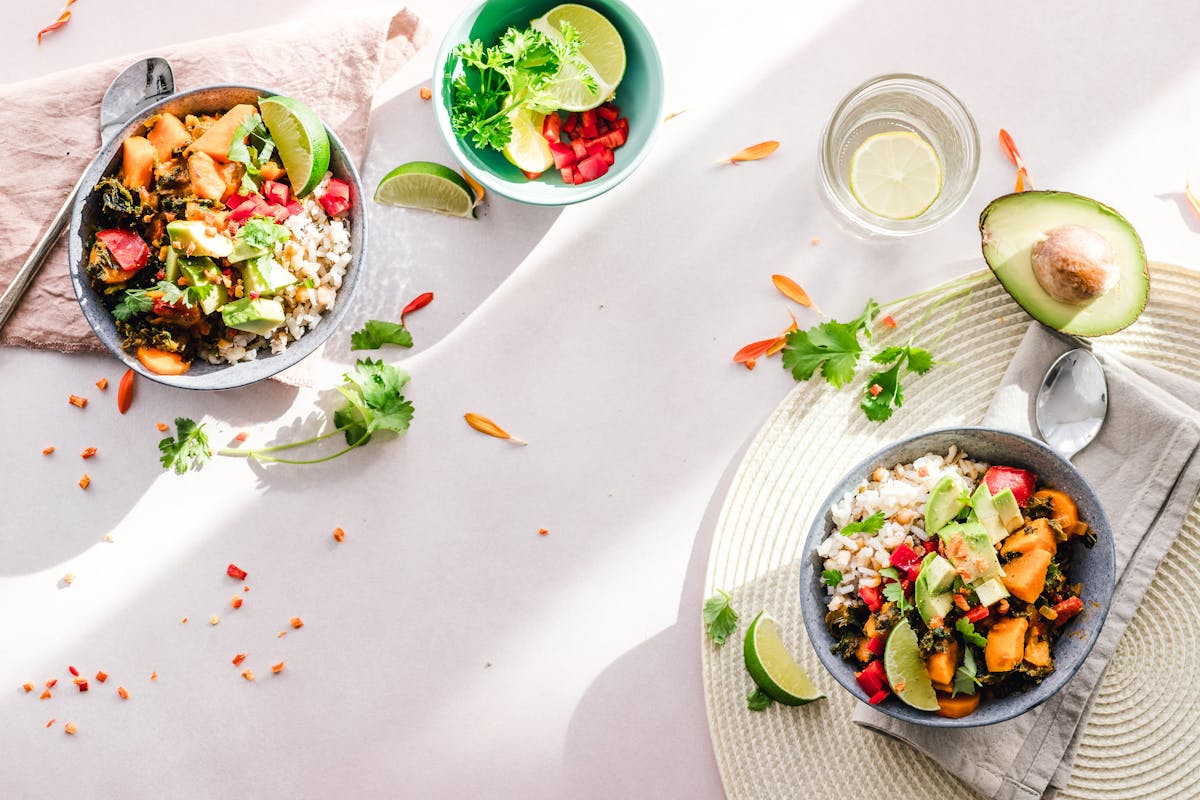
Recipe Snapshot: Mediterranean Satiety Power Bowl
Prep Time: 20 minutes
Cook Time: 20 minutes (for grains)
Total Time: 40 minutes
Servings: 2 large bowls
Difficulty: Easy
Diet: High‑protein, high‑fiber, Mediterranean‑inspired; easily made vegetarian or gluten‑free
Each bowl can provide roughly 25–35 g of protein (depending on your protein choice) and a generous hit of fiber from beans, veggies, and whole grains, aligning nicely with today’s fullness‑focused eating trend.
What Is a High‑Protein, High‑Fiber “Satiety Diet”?
The modern satiety diet isn’t a rigid meal plan—it’s a way of eating that asks, What can I eat that keeps me full, energized, and nourished?
Searches for phrases like “high‑protein high‑fiber meals,” “foods that keep you full,” and “satiety index” have exploded as people move away from simple calorie restriction toward functionally filling foods.
Research consistently shows that protein and fiber are the most satiating macronutrients:
- Protein slows gastric emptying, supports lean muscle, and influences hunger hormones like ghrelin and peptide YY.
- Fiber adds bulk, feeds your gut microbiome, and helps smooth out blood‑sugar spikes that can trigger cravings.
On social media, you’ll see high‑volume, high‑satiety recipes: Greek‑yogurt bowls with berries and chia, lentil or chickpea pasta packed with vegetables, big salads topped with beans, tofu, or grilled chicken, and overnight oats boosted with protein powder and flaxseed. The most thoughtful versions focus less on “low‑calorie” and more on nutrient density and staying power.
The Satiety Index and Foods That Keep You Full
The satiety index is an older but newly revived idea ranking foods by how filling they are per calorie. High‑scoring foods are usually rich in water, fiber, or protein—think boiled potatoes, oats, beans, and lean meats—while calorie‑dense snacks like chips and pastries rank much lower.
In the context of today’s satiety‑focused eating trend, that translates into:
- Soups and stews with beans, lentils, and vegetables.
- Whole‑fruit instead of juices—fiber and chew matter.
- Legumes and whole grains in big, colorful bowls (like the recipe below).
- Quality proteins such as eggs, fish, poultry, tofu, or Greek yogurt.
These foods don’t just fill your stomach; they help stabilize energy and support metabolic health by improving blood‑sugar control and helping with long‑term weight maintenance.
Equipment You’ll Need
- Medium saucepan with lid (for cooking grains)
- Cutting board and sharp knife
- Colander or sieve (for rinsing beans and grains)
- Mixing bowl (for tossing vegetables and beans)
- Small bowl or jar with lid (for the dressing)
- Two wide, shallow bowls for serving
Ingredients for Mediterranean High‑Protein, High‑Fiber Satiety Bowls
These quantities make 2 hearty servings. Adjust salt and spices to your taste.
For the Bowl
- 1/2 cup (100 g) dry quinoa or farro (about 1 1/2 cups cooked)
- 1 cup (170 g) cooked chickpeas or other beans, rinsed and drained
- 1 cup (150 g) cherry tomatoes, halved
- 1 cup (120 g) cucumber, diced
- 1/2 cup (60 g) red bell pepper, diced
- 1/4 cup (30 g) red onion, finely chopped (optional, for bite)
- 2 cups (about 80 g) loosely packed mixed leafy greens or baby spinach
- 1/4 cup (35 g) pitted olives, sliced (optional but lovely for Mediterranean flavor)
- 2 tablespoons (8 g) fresh parsley or cilantro, chopped
- 1/2 medium avocado, sliced or diced (for healthy fats and extra satiety)
- 1 tablespoon (10 g) toasted seeds (pumpkin, sunflower, or sesame) for crunch
- Salt and freshly ground black pepper, to taste
For the Protein (Choose One)
- 1 cup (240 g) cooked grilled chicken breast, sliced, or
- 1 cup (200 g) baked tofu or tempeh, cubed (for a vegetarian high‑protein option), or
- 1 cup (200 g) cooked salmon, flaked, or
- 4 boiled eggs, halved (2 per bowl)
For the Yogurt‑Tahini Satiety Dressing
- 1/2 cup (120 g) plain Greek yogurt (2% or 0%, as preferred)
- 2 tablespoons (30 g) tahini
- 2 tablespoons (30 ml) extra‑virgin olive oil
- 2–3 tablespoons (30–45 ml) lemon juice, to taste
- 1 small garlic clove, finely minced or grated
- 2–4 tablespoons (30–60 ml) water, to thin to a pourable consistency
- 1/2 teaspoon ground cumin (optional but recommended)
- 1/4 teaspoon smoked paprika or sweet paprika
- Salt and pepper, to taste
Step‑by‑Step Instructions (With Satiety‑Focused Tips)
- Cook the grains.
Rinse the quinoa (or chosen grain) in a sieve under cold water. Add to a saucepan with 1 cup (240 ml) water and a pinch of salt. Bring to a boil, then reduce heat to low, cover, and simmer for 15 minutes (or according to package directions) until tender and the water is absorbed. Turn off heat and let steam, covered, for 5 minutes, then fluff with a fork. - Prep the vegetables and beans.
While the grains cook, halve the cherry tomatoes, dice the cucumber and bell pepper, and finely chop the red onion and herbs. Rinse and drain the chickpeas. Pat dry with a towel so they don’t water down the bowl. - Prep your protein.
If using chicken, fish, or tofu, cook as desired (grill, bake, or pan‑sear) with simple seasonings: olive oil, salt, pepper, and a squeeze of lemon are enough. If using boiled eggs, cook them to your preferred doneness, cool, and peel. - Make the yogurt‑tahini satiety dressing.
In a small bowl or jar, whisk together the Greek yogurt, tahini, olive oil, lemon juice, garlic, cumin, and paprika. Add water a tablespoon at a time until the dressing is thick but pourable. Season with salt and pepper to taste. - Build the high‑volume base.
Divide the leafy greens between two wide bowls. Top each with a generous scoop of warm grains (about 3/4 cup per bowl). This mix of raw crunch and warm chew gives a lovely texture that feels hearty and satisfying. - Add fiber powerhouses.
Spoon the chickpeas evenly over each bowl. Arrange tomatoes, cucumber, bell pepper, onion, and olives in colorful sections. Sprinkle with chopped herbs and seeds. Add the avocado slices last to keep them vibrant and creamy. - Add your protein.
Top each bowl with your chosen protein: sliced chicken, tofu cubes, salmon flakes, or halved eggs. Aim visually for a palm‑sized portion of protein per person. - Dress and season generously.
Drizzle the yogurt‑tahini dressing over the bowls just before serving. Taste a bite with all components and adjust: add a pinch of salt, extra lemon juice, or a grind of pepper if needed. The flavors should be bright, creamy, and deeply satisfying.
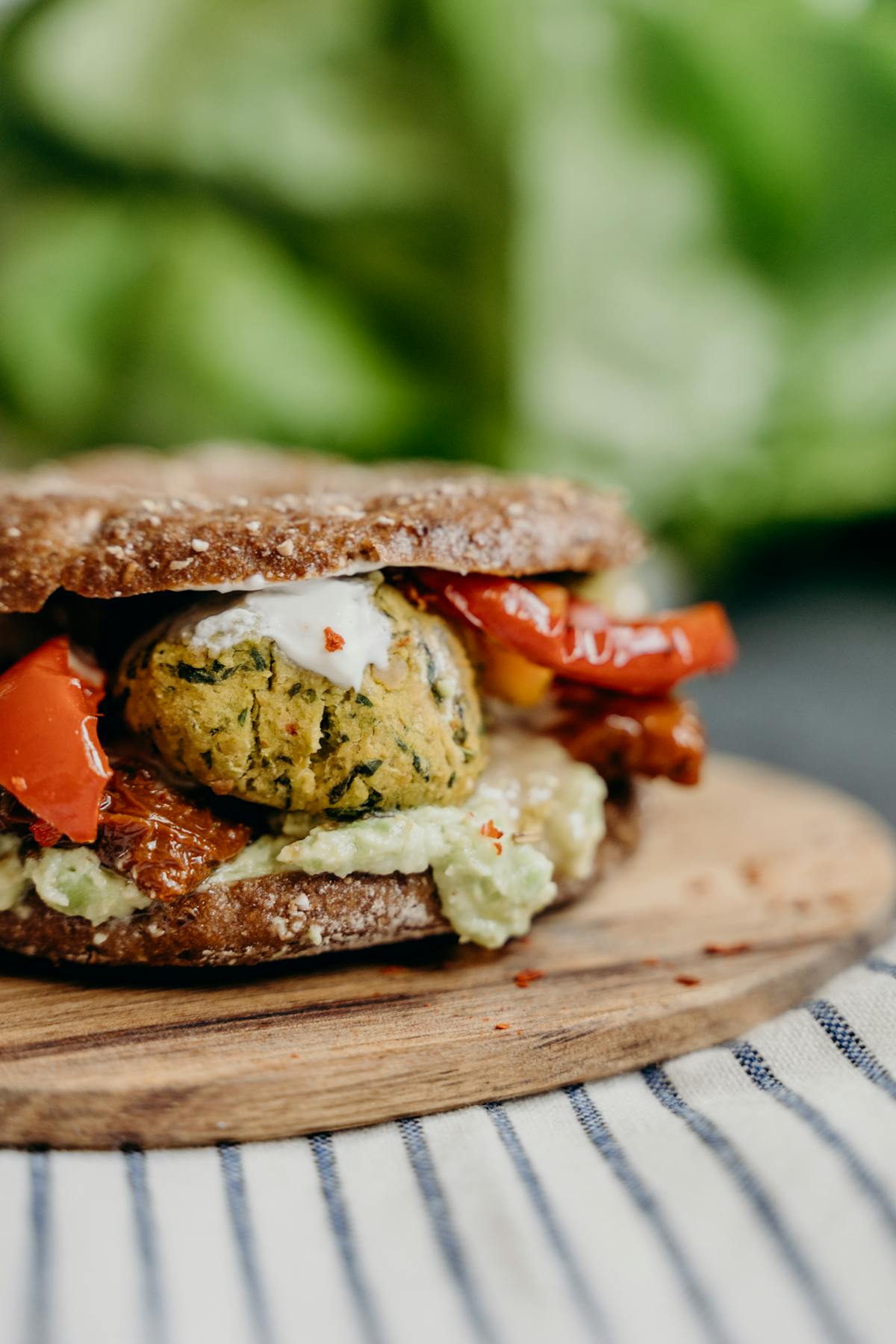
How This Satiety Bowl Tastes (and Feels)
This is one of those bowls that makes you pause mid‑bite because it hits all the senses:
- Taste: Bright lemon, nutty tahini, a whisper of garlic, and the gentle tang of Greek yogurt.
- Texture: Creamy dressing and avocado against the snap of cucumber, juicy tomatoes, and chewy grains.
- Aroma: Fresh herbs, toasted seeds, and warm grains releasing a cozy, nutty fragrance.
- Appearance: A rainbow of reds, greens, golds, and creams that looks like a café‑worthy power bowl.
Most importantly, the fullness curve feels different: instead of spiking and crashing, you’ll likely notice a gentle rise to comfortable satiety that lasts through the afternoon.
Variations, Substitutions, and Dietary Adaptations
Make It Vegetarian or Vegan
- Use baked tofu, tempeh, or extra beans/lentils instead of chicken or fish.
- For a vegan satiety bowl, swap Greek yogurt for a thick unsweetened plant yogurt, and adjust seasoning with extra lemon, garlic, and tahini.
Make It Gluten‑Free
- Choose quinoa, brown rice, or buckwheat instead of farro or other gluten‑containing grains.
- Always check labels on tahini and yogurt for potential cross‑contamination if you are highly sensitive.
Boost or Balance the Energy
- If you’re very active or have higher energy needs, add more grains, avocado, seeds, or olive oil.
- If you prefer a lighter bowl, keep fats moderate but maintain the protein and fiber to stay full.
Storage, Meal Prep, and Reheating Tips
These satiety bowls are excellent for meal prep; just store the components smartly so textures stay fresh.
- Cooked grains and beans: Keep in airtight containers in the fridge for up to 4 days. Reheat grains with a splash of water in the microwave or on the stove, or enjoy them cold.
- Chopped vegetables: Store separately in sealed containers for 3–4 days. Tomatoes are best added closer to serving for maximum juiciness.
- Dressing: Keeps in the fridge for 4–5 days. It may thicken; thin with a teaspoon of water or lemon juice and whisk before using.
- Fully assembled bowls: If pre‑assembling, leave out avocado and dressing until right before eating to avoid browning and sogginess.
For reheating, you can warm just the grains and protein and keep the vegetables cool, creating a cozy warm‑and‑cold contrast that still feels wonderfully fresh and filling.
Serving Ideas and Complementary Dishes
This high‑protein, high‑fiber satiety bowl is a complete meal on its own, but you can turn it into a full spread:
- Starter: A simple vegetable soup or broth‑based lentil soup for an extra satiety boost.
- Side: A small plate of hummus with carrot sticks and whole‑grain crackers.
- Drink: Sparkling water with lemon, mint tea, or a light kefir for extra probiotics.
- Dessert: Whole fruit with a spoonful of Greek yogurt or a sprinkle of nuts for a gently sweet, fiber‑rich finish.
Bringing the Satiety Trend Into Your Kitchen
Satiety‑focused eating is about respecting your hunger instead of fighting it—using protein‑rich and fiber‑dense foods to build bowls, breakfasts, and snacks that leave you comfortably full and energized. This Mediterranean‑inspired high‑protein, high‑fiber satiety bowl is just one delicious template.
Once you’ve tried it, play with your own combinations: swap in roasted sweet potatoes, lentils, seasonal vegetables, or different proteins. As long as you anchor your plate with protein + fiber + color + a bit of healthy fat, you’ll be right in step with the fullness‑first, diet‑culture‑free trend taking over social media—for all the right reasons.
And remember: you don’t need perfection or fancy techniques to cook this way. Show up in your kitchen, chop what you have, season boldly, and let your meals work with your appetite instead of against it.
