
Star Attorney Bows Out: What Alan Jackson’s Exit Means for the Nick Reiner Murder Case
High-profile defense attorney Alan Jackson’s surprise withdrawal from the Nick Reiner murder case — while insisting Reiner is innocent — has turned an already shocking Hollywood family tragedy into a legal and media spectacle, raising questions about strategy, public perception, and what comes next in a courtroom now under an even brighter spotlight.
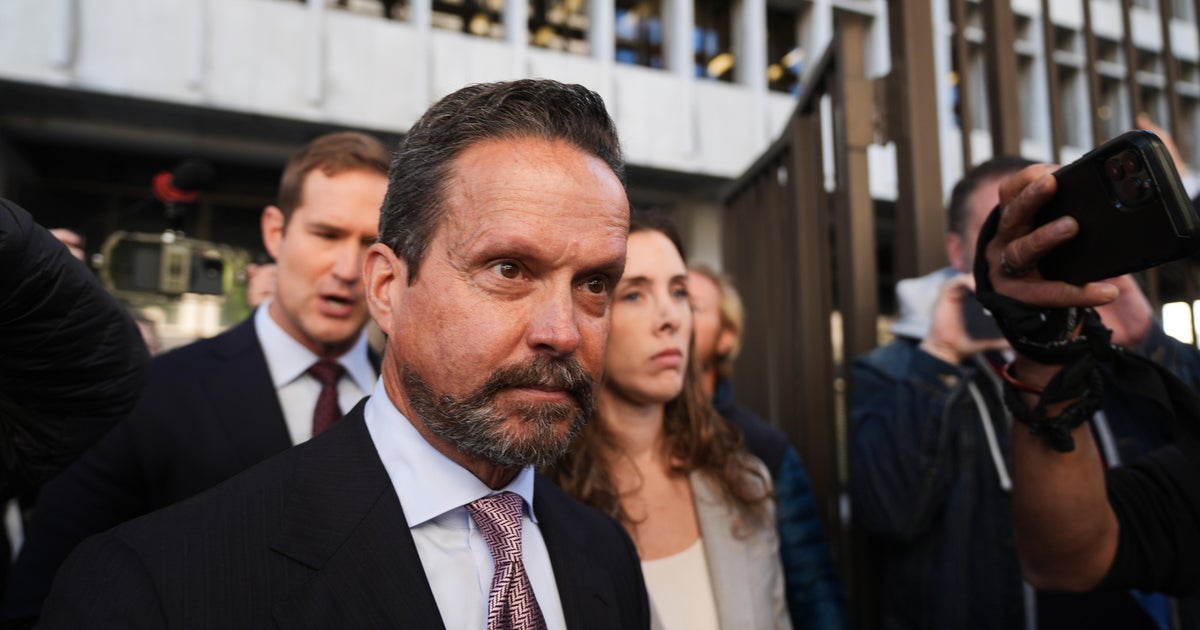
A Shocking Turn in an Already Unbelievable Hollywood Case
When news broke that Nick Reiner — son of filmmaker Rob Reiner and photographer Michele Singer Reiner — had been charged with murdering his parents, the story instantly leapt from true-crime curiosity to full-blown cultural event. The Reiner name is a pillar of Hollywood history, tying together All in the Family, When Harry Met Sally…, and a whole vein of modern American comedy and drama. This is not the family anyone expected to see at the heart of a double-homicide case.
The latest twist: Alan Jackson, the celebrity defense attorney who once secured an acquittal in the highly publicized Karen Read murder trial and has represented disgraced producer Harvey Weinstein, unexpectedly withdrew from representing Nick Reiner. Yet, as he exited, he delivered a line designed to echo across social media and cable-news chyrons:
“Take this to the bank… Nick Reiner is not guilty of murder.”
Jackson did not publicly explain why he walked away — and that silence is fueling as many theories as the case itself.
The Reiner Case: Why This Story Hit the Culture Nerve
Even in an era saturated with true-crime podcasts and prestige courtroom dramas, the idea of a beloved Hollywood director and his wife allegedly killed by their own son lands differently. It taps into several loaded storylines at once:
- Dynastic Hollywood families and the image of inherited success and stability.
- Generational trauma and addiction, long-running subplots in both celebrity memoirs and entertainment journalism.
- The blurred line between crime and entertainment, as coverage of real tragedy often takes on the tone and pacing of scripted TV.
For many viewers and readers, this isn’t just another crime brief — it’s a jarring crossover episode between the feel-good nostalgia of Rob Reiner’s filmography and the darker corners of contemporary tabloid culture.
Against that backdrop, every legal move — and especially every dramatic exit — has outsized cultural weight. Which is why Alan Jackson’s decision to step away, midstream, is being parsed like a plot twist in a limited series.
Who Is Alan Jackson, and Why Does His Exit Matter?
Within legal and media circles, Alan Jackson is shorthand for “serious defense firepower.” His résumé mixes straightforward criminal defense with the kind of headline-making cases that turn lawyers into characters:
- He played a major role in the acquittal of Karen Read, whose Massachusetts murder trial became a cable-news obsession and a social media Rorschach test.
- He has represented Harvey Weinstein, one of the most despised figures in modern entertainment, underscoring his willingness to step into reputational firestorms.
- He has cultivated a public persona that mixes technical competence with a flair for soundbites — exactly the skill set that thrives in high-visibility trials.
When a lawyer like that signs onto a case, it sends a message that the defense expects a hard fight and plans to wage it in both the courtroom and the court of public opinion. When he leaves — abruptly, and without explanation — it sends an even louder message, though not necessarily a clear one.
In modern media-driven trials, the defense lawyer isn’t just an advocate; they’re part of the narrative architecture. Changing that character mid-story reshapes how the audience reads everything else.
“Take This to the Bank”: Reading Between the Lines of Jackson’s Exit
Jackson’s parting statement — “Take this to the bank… Nick Reiner is not guilty of murder” — is unusually emphatic, even by defense-attorney standards. It functions on at least three levels:
- Legal signaling: He is drawing a hard line on the question of intent and culpability, aligning himself with a narrative that Reiner did not commit murder as charged.
- Reputation management: By stamping his conviction on the record as he walks away, Jackson distances himself from any outcome he can’t control going forward — especially if the trial ends badly for Reiner.
- Media choreography: The phrase “take this to the bank” is built for viral headlines and panel chatter. Jackson knows this; he’s writing the pull quote in real time.
The curious part is what he didn’t say. He did not claim “irreconcilable differences” with his client in public, did not hint at an ethical conflict, and did not offer the usual lawyerly boilerplate about “personal reasons.” That vacuum invites speculation — which, in a case as high-profile as this one, can be almost as damaging as the facts.
Why Would a Star Attorney Walk Away from a Blockbuster Case?
Without official detail, we’re left with informed speculation rooted in how high-stakes criminal defense usually works. A few plausible (not mutually exclusive) explanations:
- Strategic disagreements: Client and counsel may have clashed over trial strategy, plea negotiations, or whether to engage with the media. In cases where the defendant is part of a famous family, there can also be competing pressures from relatives and PR teams.
- Resource or time conflicts: High-profile lawyers juggle multiple major matters. If this case ballooned in complexity or timing, Jackson might have concluded he couldn’t give it the bandwidth it requires.
- Emerging conflicts of interest: New witnesses, co-defendants, or evidence can create conflicts that didn’t exist when counsel first signed on.
- Reputational calculus: Attorneys who take on controversial clients also think about how much heat they’re willing to absorb. The Reiner case is a potential long-burn media storm; not everyone wants to ride that out.
None of these scenarios inherently contradict Jackson’s stated belief in Reiner’s innocence. It is entirely possible — and not uncommon — for a lawyer to think their client is not guilty of the charged crime yet still step aside for structural, ethical, or strategic reasons.

The Court of Public Opinion: How This Plays on TV and Social Media
In the streaming era, every major trial becomes a content pipeline: cable news hits, TikTok explainers, podcast recaps, and, eventually, a limited series. The Reiner case arrives preloaded with narrative hooks:
- A famous Hollywood family with multigenerational name recognition.
- An accused son whose story invites armchair psychology and class commentary.
- A star defense lawyer entering, then dramatically exiting, stage left.
Jackson’s soundbite is oxygen for that ecosystem. It gives pundits a clean line to debate — “Why would he say this and then leave?” — and gives future dramatizations the kind of scripted-feeling dialogue they crave. But it also risks overshadowing what actually matters: the evidence, the charges, and the lives at the center of this tragedy.
The danger in turning real cases into bingeable content is that we start grading them like TV seasons: Was the twist surprising? Was the casting good? Did the ending satisfy? Justice doesn’t always make for clean storytelling.

Strengths and Weaknesses of Jackson’s Parting Strategy
From a purely strategic standpoint, Jackson’s move is a double-edged sword for everyone involved.
For Nick Reiner
- Strength: A respected defense attorney publicly vouches for his innocence; that quote will be replayed often and may subtly influence juror impressions during jury selection.
- Weakness: Losing a seasoned, media-savvy lawyer mid-case can look like instability or discord behind the scenes, even if the reasons are benign.
For Alan Jackson
- Strength: He preserves the image of a lawyer who fights for clients he believes in, while stepping away before the case consumes his schedule or reputation.
- Weakness: Without transparency, he risks being cast — fairly or not — as someone who bailed when the story got too hot or too complicated.
For the Justice System
- Strength: Jackson’s insistence on innocence may sharpen the defense narrative and force closer scrutiny of the state’s case.
- Weakness: The high-drama framing can further erode public trust, suggesting that outcomes hinge on star lawyers and media theatrics rather than sober evaluation of facts.
How This Fits into the Era of Celebrity Trials
The Reiner case doesn’t exist in a vacuum. It arrives on the heels of a series of high-visibility legal sagas that blurred entertainment, politics, and justice:
- The ongoing legal fallout surrounding Harvey Weinstein and the #MeToo reckoning.
- The Karen Read trial, which became a social-media cause célèbre with competing amateur investigations.
- Decade-spanning fascination with the O.J. Simpson case as a template for media-age trials.
In that ecosystem, defense attorneys like Jackson double as cultural figures. Their statements are quoted, memed, dissected, and eventually dramatized. Their exits become part of the myth-making around the case, not just footnotes in the docket.

What Happens Next for the Nick Reiner Murder Case?
In the near term, the focus shifts to three practical questions:
- Replacement counsel: Who steps in for Jackson — another marquee name, or a quieter but equally capable defense team?
- Case timeline: Will Jackson’s withdrawal delay hearings or trial dates, or will the court push to keep the schedule intact despite the disruption?
- Narrative control: Can the new defense team recentre attention on evidence and legal standards, or will they be chasing the shadow of Jackson’s memorable exit line?
However this unfolds, one thing is clear: the story is no longer just “Did Nick Reiner kill his parents?” It’s also “How does a justice system built on rules and procedures function under the constant pressure of celebrity, legacy, and spectacle?”

Jackson’s parting promise — that we can “take it to the bank” that Nick Reiner is not guilty of murder — will likely echo all the way through jury selection, verdict, and the inevitable documentary. Whether history remembers it as an act of loyalty, a clever PR maneuver, or a tragic misread of the facts will depend on a process that, at its best, cares more about evidence than about quotability.
