
Silent Water Threat: How Free-Living Amoebas Are Challenging Global Health Systems
Free-living amoebae used to be something most people only encountered in biology textbooks. Today, scientists are sounding the alarm: these microscopic organisms are adapting to warmer temperatures, appearing in new regions, and in rare cases causing devastating infections in otherwise healthy people. It’s unsettling—and it’s also a problem we can address with better awareness, safer water practices, and smarter public health planning.
Why Scientists Are Raising the Alarm About Free-Living Amoebas
In a recent perspective article in the journal BioScience, environmental and public health researchers called for urgent action on a little-known group of microbes known as free-living amoebae (FLA). Unlike many parasites that need a host, these amoebas live freely in soil, lakes, rivers, tap water, and even plumbing and cooling systems. Some species can survive extreme heat, standard levels of chlorine, and modern water treatment systems—conditions that kill most other microbes.
While infections are still rare, certain species of FLA can cause severe brain and eye infections with very high fatality rates. As climate patterns shift and infrastructure ages, researchers worry that our current monitoring and safety measures aren’t keeping pace.
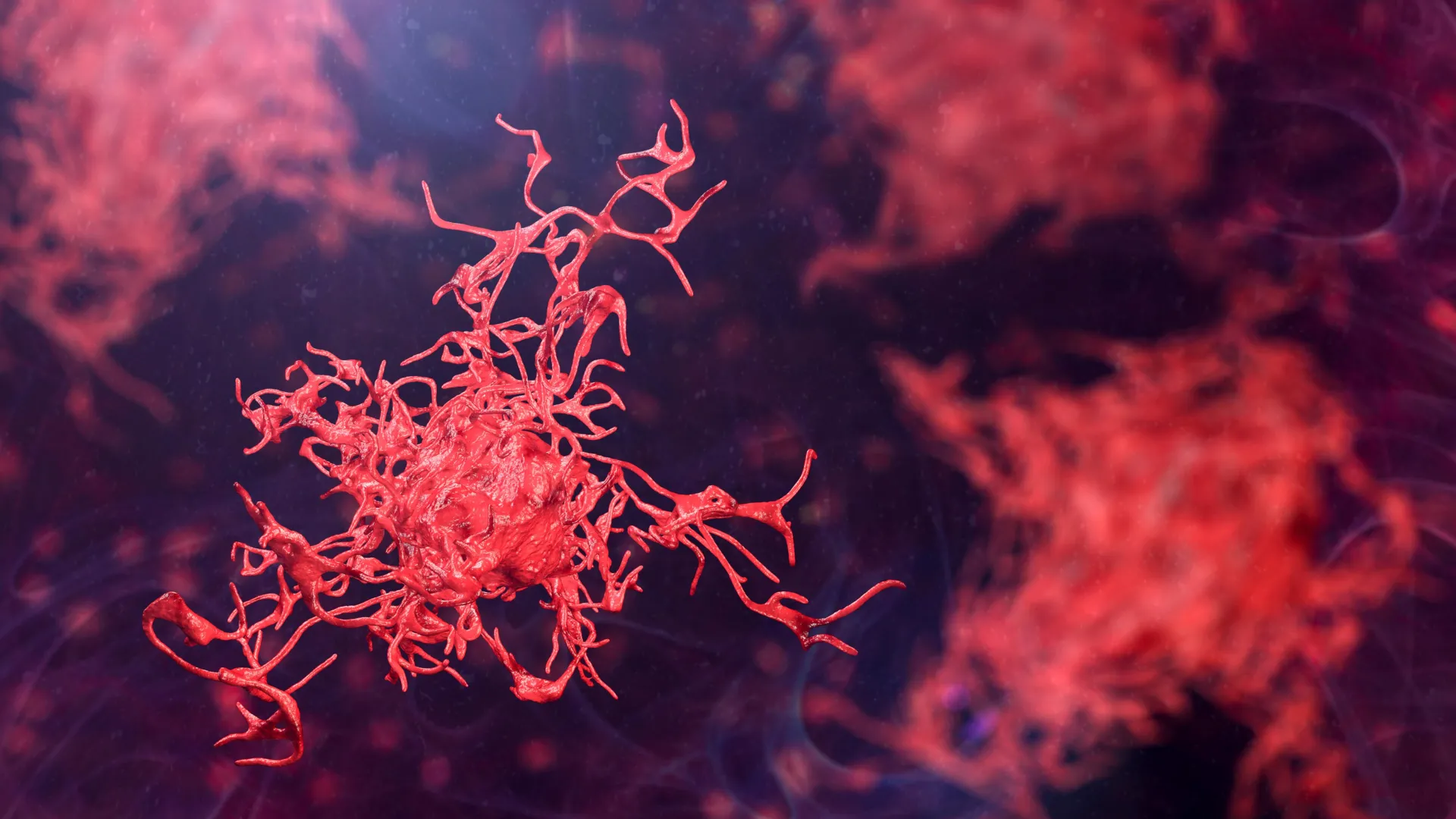
“These organisms have been flying under the public health radar for decades. With warming temperatures and expanding water infrastructure, that can’t continue.”
What Are Free-Living Amoebae, Exactly?
Free-living amoebae (FLA) are single-celled organisms that typically feed on bacteria and other small microbes in the environment. They are incredibly adaptable and have been found in:
- Warm freshwater lakes, rivers, and hot springs
- Soil and dust
- Swimming pools and splash pads with poor maintenance
- Household plumbing, showerheads, and water tanks
- Cooling towers and industrial water systems
Most FLA species are harmless to humans. However, a few have evolved ways to survive inside our tissues and immune cells. These disease-causing species include:
- Naegleria fowleri – sometimes called the “brain-eating amoeba”
- Acanthamoeba – associated with eye and rare brain infections
- Balamuthia mandrillaris – a cause of serious brain infection
Infections from these amoebas are rare, but when they occur, they can be severe. That combination—low probability but high impact—is exactly why scientists are pushing for better surveillance and prevention.
How and Why Are These Amoebas Spreading Globally?
Researchers tracking free-living amoebae have noticed a pattern: cases and detections are appearing in regions that were previously considered too cool or too dry. Several factors likely contribute:
- Warming climates
Warmer air and water temperatures extend the “season” when amoebas can thrive in lakes, rivers, and reservoirs, and allow them to colonize higher latitudes. - Stagnant or warm built environments
Modern water systems, especially where water sits warm in pipes, tanks, or decorative fountains, can create ideal habitats. - Expanding use of non-sterile water
More people are using tap or well water for nasal rinsing, humidifiers, and contact lens care—activities that can bring amoebas closer to vulnerable tissues if proper hygiene is not followed. - Better detection, but patchy surveillance
Improved diagnostic tools are identifying more cases, but many regions still don’t routinely test for FLA, so the true burden is uncertain.
Health Risks: What These Amoebas Can Do to the Human Body
The diseases linked to free-living amoebae are uncommon but serious. Understanding the basics can help you put the risk in perspective and take sensible precautions.
1. Primary Amoebic Meningoencephalitis (PAM)
Caused by Naegleria fowleri, PAM is a rapidly progressive brain infection. It typically occurs when contaminated warm freshwater enters the nose—often during swimming, diving, or high-pressure water activities.
- Symptoms: headache, fever, nausea, stiff neck, confusion, seizures.
- Onset: within a few days after exposure.
- Outcome: historically very high fatality rate, though a small number of survivors have been reported with early, aggressive treatment.
2. Acanthamoeba Keratitis (Eye Infection)
Acanthamoeba can infect the cornea, most often in contact lens wearers.
- Risk factors: rinsing lenses with tap water, swimming or showering while wearing lenses, poor lens hygiene.
- Symptoms: eye pain, redness, blurred vision, light sensitivity, feeling of a foreign body.
- Outcome: can be vision-threatening if not treated promptly and appropriately.
3. Granulomatous Amoebic Encephalitis (GAE) and Disseminated Infection
Acanthamoeba and Balamuthia mandrillaris can cause slower, chronic infections of the brain and other organs, often in people with weakened immune systems but sometimes in previously healthy individuals.
- Symptoms: headaches, neurological changes, skin lesions, seizures.
- Outcome: frequently fatal, partly because diagnosis is difficult and delayed.
“From a public health perspective, these infections are rare but devastating. Our goal is not to alarm people about every lake or tap, but to make targeted, evidence-based changes that reduce preventable exposures.”
What Is My Personal Risk—and Should I Be Worried?
It’s very human to feel anxious after reading about “brain-eating amoebas.” The reality is more nuanced:
- Millions of people swim in lakes and use tap water every year; only a handful of infections are reported globally annually.
- Most FLA exposures do not lead to disease.
- Simple behavior changes can significantly reduce risk without giving up normal activities.
A practical way to think about this:
- Low overall risk – For healthy individuals, the chance of infection is extremely small.
- High consequence – If infection occurs, it can be severe, so prevention is worthwhile.
- Higher relative risk – For people who frequently use warm freshwater for recreation, perform nasal rinses, or have compromised immunity.
Practical Steps to Reduce Your Risk Around Water and Soil
You can’t (and don’t need to) avoid all contact with water and soil. Instead, focus on situations where amoebas are more likely and entry routes are more direct.
1. Safer Freshwater Recreation
- Avoid submerging your head in warm, stagnant freshwater, especially in late summer.
- Use nose clips if you dive or slide into lakes or rivers.
- Avoid stirring up sediment or mud in shallow, warm areas.
- Heed local health advisories for lakes, hot springs, and pools.
2. Nasal Rinsing (Neti Pots, Sinus Rinse Bottles)
Using nasal irrigation for allergies or sinus issues can be safe and effective—if you use the right water.
- Use only:
- Distilled or sterile water, or
- Tap water that has been boiled for at least 1 minute (3 minutes at higher altitudes) and cooled, or
- Water passed through a 0.2-micron “absolute” filter labeled for microbiological safety.
- Rinse and air-dry your device after each use.
- Replace irrigation bottles regularly according to manufacturer instructions.
3. Contact Lens Hygiene
- Never use tap water to rinse lenses or cases.
- Do not swim, shower, or use hot tubs while wearing contact lenses.
- Rub and rinse lenses with appropriate solution and replace solution daily.
- Replace lens cases every 1–3 months.
4. Around the Home
- Run hot water through rarely used taps and showers periodically to avoid stagnation.
- Follow manufacturer guidance for cleaning humidifiers and CPAP equipment—using distilled or properly treated water.
- Wear gloves if you have open cuts and are working with moist soil or compost.

What Public Health Experts Are Calling For: System-Level Changes
Individual habits matter, but the researchers raising the alarm about free-living amoebae are especially focused on infrastructure and policy. Their recommendations generally include:
- Better surveillance for FLA in drinking water systems, hospitals, and recreational waters.
- Updated water treatment guidelines that consider heat-tolerant and chlorine-resistant organisms.
- Clear public guidance on safe nasal irrigation, contact lens care, and freshwater recreation.
- Training for clinicians to recognize and test for FLA infections earlier.
- Research funding for improved detection tools and potential treatments.
A recurring theme in the scientific literature is that free-living amoebae behave like “Trojan horses”—they can carry and protect other pathogens inside them, potentially affecting how bacteria and viruses survive in water systems. This adds another layer of reason to monitor them carefully.

A Real-World Story: Turning Anxiety Into Action
A few years ago, a public health nurse I collaborated with received several worried calls after news broke about a local case of Naegleria fowleri. Parents wanted to cancel all lake outings; some were even afraid of using their tap water.
Instead of telling people simply “don’t worry,” she held a short community session. She:
- Explained how rare the infection was.
- Showed exactly how the amoeba enters through the nose.
- Demonstrated how to properly boil water for nasal rinses.
- Handed out nose clips and a one-page safety checklist.
Follow-up surveys showed that while people were still aware of the risk, their anxiety dropped and practical safety behaviors increased. This is the kind of grounded, transparent approach that experts are encouraging around free-living amoebae: not panic, not dismissal, but informed action.
Science Snapshot: What the Latest Research Is Telling Us
Recent scientific work, including the perspective highlighted by ScienceDaily, emphasizes several themes:
- Geographic shifts – Cases are appearing farther north and in new climates, consistent with warming trends.
- Infrastructure vulnerability – Amoebas are being detected in treated water, biofilms, and premise plumbing.
- Diagnostic gaps – Many infections are only diagnosed after death, suggesting under-recognition.
- One Health perspective – Because FLA live at the intersection of environment, animals, and humans, responses need to integrate all three domains.
For readers who want to go deeper, look for:
- Recent BioScience perspectives on free-living amoebae and climate change.
- Guidance from national health agencies on Naegleria, Acanthamoeba, and safe nasal irrigation.
- Environmental microbiology research on amoebae as hosts for other pathogens.
Moving Forward: Stay Informed, Not Afraid
Free-living amoebae are a reminder that our relationship with water and the environment is constantly evolving. They are not a reason to avoid lakes forever or to fear every glass of tap water. Instead, they’re a prompt to:
- Adopt a few simple, evidence-based habits around water use.
- Support stronger monitoring and maintenance of local water systems.
- Encourage clear, practical communication from health authorities—neither minimizing nor sensationalizing risk.
You don’t need to become an expert in environmental microbiology to make a difference. Small choices—using sterile water for nasal rinses, caring for contact lenses properly, and staying aware of local advisories—are powerful forms of self-care.
If this topic raised questions for you, consider:
- Talking with your healthcare provider about safe nasal irrigation or contact lens hygiene.
- Checking your local health department’s website for freshwater and pool safety updates.
- Sharing accurate, calm information with friends or family who may be worried.
In a warming, interconnected world, awareness is one of our strongest protections. Stay curious, stay cautious, and remember: informed communities are resilient communities.
