
Retro Gaming, Emulation, and the New Preservation vs. Piracy Flashpoint
Retro gaming and emulation are surging as nostalgia, scarce legacy titles, and modern hardware converge, sparking a wider debate about game preservation, legality, and how digital media should be owned and accessed in an always-online era.
Executive Summary: Why Retro Gaming & Emulation Matter Now
Interest in retro gaming has evolved from a niche hobby into a mainstream cultural and content trend. Emulation—running classic console and arcade games on modern PCs, handhelds, or smartphones—now sits at the center of a complex debate involving preservation, copyright, platform control, and consumer expectations.
This article unpacks the forces behind the boom in retro gaming and emulation, examines the preservation vs. piracy debate, and maps the emerging ecosystem of hardware, creators, and communities shaping how gaming history is remembered and accessed.
- Nostalgia, scarcity, and aging hardware are pushing players toward emulation as the default way to experience many classic games.
- Preservationists argue that emulation is often the only practical way to prevent large parts of gaming history from disappearing.
- Rights holders increasingly rely on remasters, subscription libraries, and closed ecosystems, which fuels friction around ownership and control.
- Hardware innovation—from FPGA-based systems to retro handhelds—provides legal pathways but doesn’t fully solve access to orphaned titles.
- Content creators on YouTube, TikTok, and streaming platforms amplify the conversation with retrospectives, speedruns, and industry commentary.
The New Retro Boom: Context and Market Signals
Retro gaming is no longer just about collectors hunting rare cartridges. It’s now a full-blown media category spanning hardware, content, and community. Search trends, marketplace data, and platform engagement all confirm that interest in classic games is structurally higher than it was a decade ago.

While exact volumes vary by marketplace, auction platforms and resale sites consistently show year-on-year price appreciation for iconic systems and titles. The combination of collector demand, finite supply, and hardware degradation makes it harder for average players to access original experiences affordably.
| Metric | Trend (Approx.) | Implication |
|---|---|---|
| Search interest for “emulator” & console-specific emulation terms | Up significantly vs. 2019 levels (based on Google Trends style indices) | Emulation has entered mainstream awareness. |
| Average auction prices for popular retro consoles | Steady multi-year appreciation with spikes for limited editions | Original hardware is increasingly a luxury item. |
| View counts on retro gaming & emulation YouTube channels | Strong and sustained growth since pandemic-era spikes | Retro content is now a durable media vertical. |
Beyond nostalgia, retro gaming now intersects with wider debates around digital ownership, always-online DRM, and platform lock-in—paralleling similar conversations in crypto and Web3 about user sovereignty, verifiable ownership, and the risks of centralized control.
Nostalgia, Accessibility, and the Economics of Old Games
The largest demographic driving retro demand is adults who grew up with 8-bit, 16-bit, and early 3D consoles and now have stable income. They want to revisit formative experiences, share them with friends or children, and explore what they missed the first time around.
However, the friction between that desire and the practical realities of aging hardware is severe:
- Reliability risk: Cartridges corrode, optical drives fail, capacitors leak. Repair expertise is niche and often expensive.
- Display issues: Many classic systems were designed for CRTs; connecting them cleanly to modern displays requires adapters, scalers, or specialist equipment.
- Regional & licensing constraints: Some games never launched in certain regions or exist only in limited reprints.
Emulation effectively flattens these barriers. A commodity PC, smartphone, or handheld can run dozens of systems at near-zero marginal cost, turning previously inaccessible titles into something that feels “always available”—assuming users can source the game data.

This is the same accessibility logic that underpins many Web3 narratives: when friction drops and intermediaries are minimized, engagement patterns change dramatically—often in ways that legacy rights holders did not anticipate.
The Preservation Problem: When Games Disappear
Game preservation is not just about nostalgia; it is about cultural memory and historical record. Once a digital storefront shuts down or online services are discontinued, entire libraries can effectively vanish for average consumers—especially titles that were digital-only or heavily network-dependent.
Preservationists—often volunteers, academics, and fan archivists—argue that:
- Games are cultural artifacts, comparable to films or books in their cultural impact.
- Publishers frequently fail to provide long-term access, especially for niche or unprofitable titles.
- Without emulation and archival work, the majority of games risk becoming unplayable within a few decades.
Many commercially released games are already effectively lost to the public, existing only in the collections of private owners or in incomplete, nonfunctional states. Without systematic preservation, our industry’s history will be defined by survivorship bias.
The pattern is familiar from other media: shuttered music services, delisted films, and abandoned web platforms. In crypto circles, these risks inform the push for decentralized storage, open standards, and censorship-resistant infrastructure. In gaming, they fuel grassroots efforts to dump ROMs, reverse-engineer hardware, and maintain emulators that can run titles long after original systems die.
Emulation, ROMs, and the Preservation vs. Piracy Debate
A critical distinction underpins most legal debates: emulators versus ROMs / game images.
- Emulators: Software that mimics the behavior of a console or arcade board. In many jurisdictions, emulators are legal if they are clean-room implementations that do not include copyrighted BIOS code.
- ROMs / ISOs: Digital copies of games or system firmware. Distribution of copyrighted ROMs without permission generally violates copyright law, regardless of whether the game is commercially available today.
Rights holders periodically launch enforcement campaigns against ROM sites or fan projects. Each wave triggers renewed online discussion about whether it is morally defensible to download out-of-print games that are otherwise unobtainable.
| Position | Core Argument | Key Tension |
|---|---|---|
| Strict IP protection | Unauthorized ROMs are piracy, regardless of availability. | Legal clarity vs. cultural loss. |
| Preservation-first | If rights holders won’t preserve or distribute, communities must. | Moral duty vs. copyright law. |
| Personal backup | Dumping games you own for personal use is morally acceptable. | Private use norms vs. enforceability. |
Many players see a clear moral distinction between:
- Downloading a ROM of a game that is commercially available on modern platforms.
- Accessing a fan-translated or unreleased title that has no official distribution.
Legally, both may be treated similarly; ethically, the community often does not view them the same. This gray zone is where much of the heated online debate lives.
The Hardware Renaissance: FPGA Consoles, Retro Handhelds, and Mods
Parallel to software emulation, there is a hardware renaissance. Manufacturers and modders are building devices that replicate or modernize classic systems:
- FPGA-based consoles: Devices that re-create original hardware logic using field-programmable gate arrays for near-cycle-accurate behavior.
- Retro-styled handhelds: Linux-based or Android devices with high-res screens and modern inputs, designed around emulation.
- Modern controllers & adapters: USB and Bluetooth versions of classic form factors, plus adapters for original pads on new hardware.
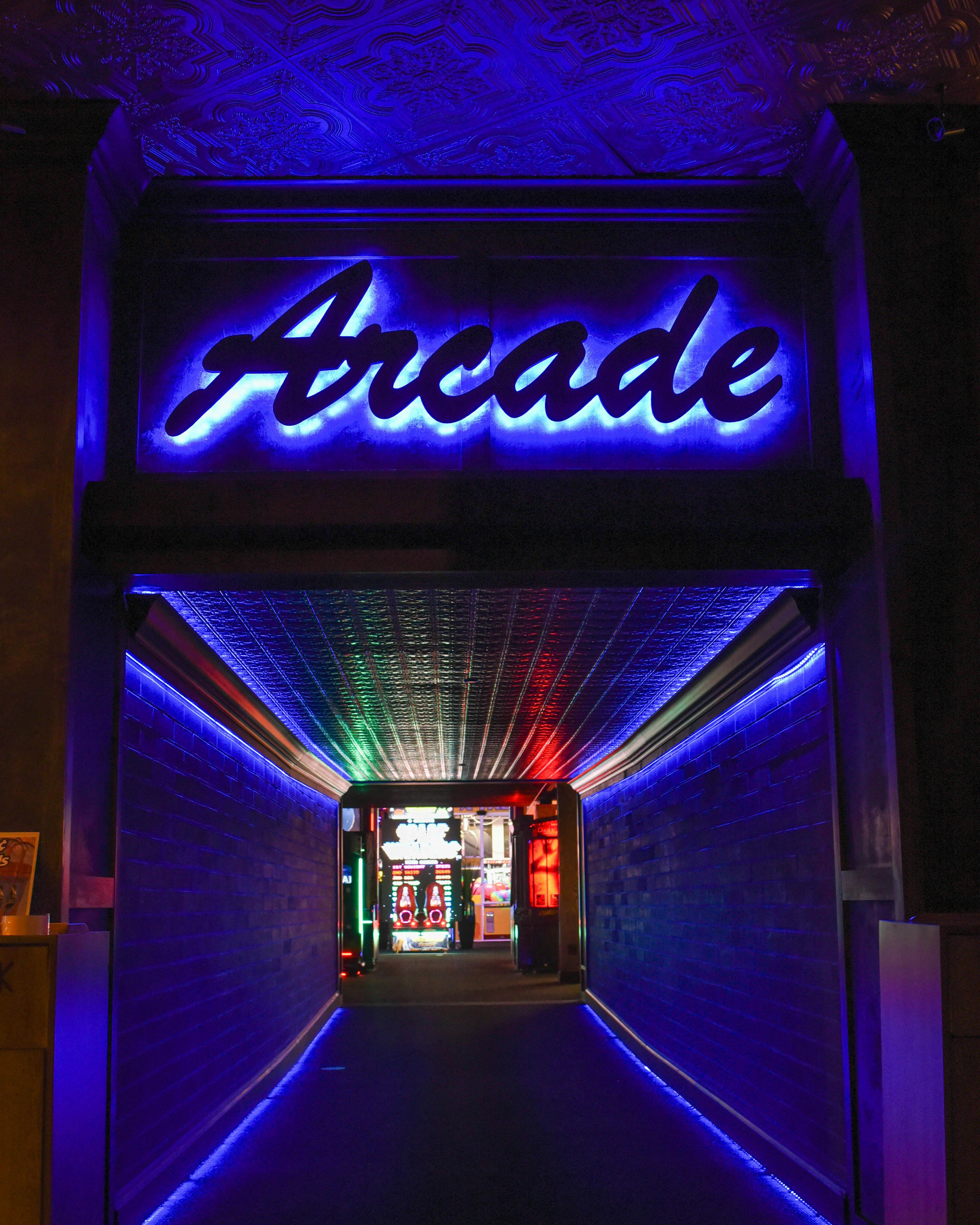
For content creators, these devices are gold. Unboxings, latency tests, screen-comparison videos, and configuration guides consistently perform well on YouTube and TikTok. For players, they provide legal and high-quality ways to experience cartridges and backup ROMs, though access to rare titles remains constrained by supply and licensing.
The Retro Content Economy: From Long-Form Retrospectives to Viral Clips
Retro and emulation content has matured into a multi-format ecosystem. Creators serve a broad spectrum of viewers—from deep-dive historians to casual fans scrolling short-form feeds.
High-performing content formats include:
- “Hidden gems” lists: Curated recommendations for overlooked titles on specific consoles.
- Side-by-side comparisons: Original hardware vs. emulation, CRT vs. LCD, official remasters vs. fan patches.
- Challenge runs & speedruns: No-damage runs, glitch showcases, and leaderboard pushes on classic games.
- Industry commentary: Analyses of storefront closures, remaster strategies, and subscription library catalog choices.

Like on-chain analytics in crypto, performance metrics for retro content—view duration, watch-through rates, and share counts—shape which narratives dominate. Preservation debates often re-enter the spotlight when:
- A major ROM site is shut down or sued.
- A platform holder closes an old digital storefront.
- A controversial remaster or subscription library leaves out fan-favorite titles.
Ownership, DRM, and Parallels with Web3 & Crypto
Retro and emulation discourse frequently expands into a broader critique of how digital media is packaged and sold. As cloud gaming, subscriptions, and always-online DRM become more common, players are asking hard questions about what it means to “own” a game.
These concerns echo familiar debates in crypto and Web3:
- Custodial vs. self-custodial: Platform-locked game licenses vs. locally stored, DRM-free copies mirror exchange-held vs. self-custodied digital assets.
- Deplatforming risk: Delistings and revoked access are analogous to centralized services blocking accounts or assets.
- Persistence: Community-run archives and open-source emulators resemble decentralized nodes and censorship-resistant infrastructure that keep blockchains alive.
| Theme | Traditional Games | Crypto / Web3 Analogy |
|---|---|---|
| Ownership model | License tied to a platform account; revocable. | Assets held on centralized exchange vs. own wallet. |
| Access risk | Delisted, region-locked, or server-dependent games. | Protocol shutdowns, regulatory blocks on custodians. |
| Preservation model | Community-run emulation and archives. | Decentralized nodes, IPFS-style storage, open-source clients. |
While blockchains are not a silver bullet for game preservation—ROM distribution remains governed by copyright—these parallels help explain why many crypto-native users are strong advocates for emulation, archival work, and user control.
Actionable Strategies for Creators, Collectors, and Preservation-Minded Players
Within legal and ethical boundaries, there are practical steps individuals and organizations can take to support preservation, improve access, and contribute constructively to the debate.
For Content Creators
- Lean into education: Explain how emulation works, why certain titles are hard to access, and what rights holders are doing or not doing. Clear framing encourages more nuanced discussion than simple outrage.
- Show legal alternatives: Highlight official collections, remasters, and legal storefronts alongside emulation-focused content.
- Document history: Long-form retrospectives, developer interviews, and comparison videos add real archival value, not just entertainment.
For Collectors and Everyday Players
- Prioritize durability: Store cartridges and discs carefully, and consider professional servicing for aging hardware before failures become catastrophic.
- Stay informed on rights and laws: Understand your local laws on personal backups and fair use. Many moral intuitions do not map neatly to legal boundaries.
- Support preservation-friendly initiatives: When rights holders release high-quality remasters or DRM-free versions, voting with your wallet sends a clear signal.
For Institutions and Rights Holders
- Partner with archives: Collaborate with museums, universities, and nonprofits to ensure early, systematic preservation of code and assets.
- Offer robust back catalogs: Subscription services and digital storefronts that feature deep, rotating libraries reduce the perceived need for gray-area access.
- Provide clear policies: Transparent stances on fan projects, modding, and legacy access reduce community friction and improve goodwill.
Risks, Limitations, and Considerations
The rise of emulation and retro gaming is not without risk. Stakeholders should weigh:
- Legal exposure: Operating ROM sites or distributing copyrighted material without permission carries substantial legal risk in many jurisdictions.
- Security concerns: Emulators and ROMs from untrusted sources may carry malware, spyware, or bundled adware, just as unvetted crypto wallets or binaries can compromise private keys.
- Fragmentation: Community efforts may duplicate work or rely on fragile hosting and funding, similar to small, under-resourced open-source crypto projects.
- Selective preservation: Popular titles get meticulous preservation; obscure or region-specific releases may be overlooked, skewing the historical record.
Responsible participation means acknowledging these risks and actively mitigating them—favoring reputable tools, supporting legitimate preservation organizations, and avoiding activities that clearly violate the law.
Forward-Looking Outlook: Retro Gaming as Quiet Resistance
Retro gaming and emulation are more than a nostalgia trend; they function as a subtle form of resistance against the idea that digital media should be disposable, tightly controlled, and accessible only at the pleasure of a platform holder.

As cloud gaming, aggressive DRM, and subscription-first models expand, the underlying questions will only grow more pressing:
- What obligations do corporations have to maintain access to past works?
- How should we balance copyright enforcement with cultural preservation?
- Can new technologies—including decentralized storage or verifiable digital ownership—enable better models without eroding creator rights?
For now, emulation communities, retro hardware makers, and preservationists collectively serve as an informal safety net for gaming history. Whether industry actors choose to collaborate with or fight against these forces will shape how future generations understand and experience the medium’s past.
For readers engaged in crypto, Web3, or digital ownership debates, the lesson is clear: the issues playing out in retro gaming today foreshadow broader battles over who controls digital culture, how long it survives, and on whose terms it can be accessed.
