
Reflecting on Victoria Jones: Remembering Tommy Lee Jones’s Daughter After New Year’s Tragedy
Remembering Victoria Jones: Navigating Grief, Privacy, and Public Curiosity
The death of Victoria Jones, daughter of Academy Award–winning actor Tommy Lee Jones, on New Year’s Day has shaken Hollywood and sparked a wider conversation about how we talk about loss, celebrity families, and tragedy in the public eye. As details slowly emerge and the family asks for privacy, the story sits at the intersection of entertainment news, media ethics, and very real human grief.
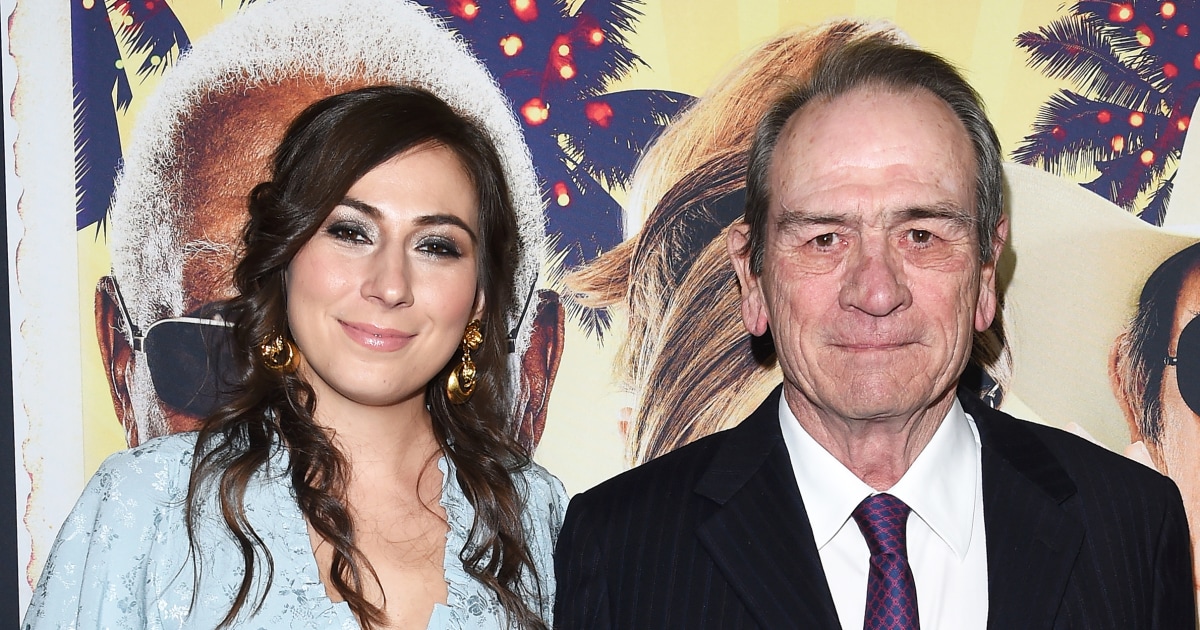
This piece is less about forensic detail and more about context: who Victoria was in relation to a Hollywood icon, how the industry responds when tragedy hits close to home, and what responsible coverage can look like at a moment when speculation often outruns verified facts.
What We Know So Far About the Death of Victoria Jones
As of January 4, 2026, NBC News has reported that a woman named Victoria Jones was found dead in a San Francisco hotel on New Year’s Day. The family of Tommy Lee Jones has acknowledged the death of his daughter, Victoria, in a public statement, while asking for privacy as they process the loss.
Official details, such as the exact circumstances surrounding her death and the findings of any ongoing investigation, were still limited at the time of reporting. This lack of information is not unusual in the immediate aftermath of a sudden death, particularly when it involves a public figure’s family member.
“The family requests privacy and respect as they mourn this unimaginable loss,” the statement said, underscoring a desire to grieve outside the glare of the spotlight.
For readers following the story, it’s helpful to separate confirmed reporting from online speculation. Major outlets such as NBC News tend to rely on official sources, whereas social media often fills in the gaps with rumor, conjecture, and sometimes outright misinformation.
Tommy Lee Jones, Privacy, and a Reluctant Hollywood Dynasty
Tommy Lee Jones has spent decades as one of Hollywood’s most recognizable faces, from The Fugitive and Men in Black to his Oscar-winning turn in The Fugitive and acclaimed performances in films like No Country for Old Men. Yet unlike many A-listers, he’s long cultivated an image of stern privacy, more interested in ranching and the quiet life than red carpets or talk-show confessionals.
That instinct for privacy has often extended to his family. While some star children lean into the “nepo baby” pipeline—embracing influencer culture and headline-making careers—others, like Victoria, remain largely outside the public eye. For many viewers, the news of Tommy Lee Jones’s daughter’s death is jarring precisely because her name wasn’t routinely in circulation.

In an era when celebrity families are often treated as serialized content—think of the Kardashians or the sprawling extended Marvel alumni clans—the Jones family has largely resisted that narrative. The tragedy of Victoria’s death feels at odds with the controlled, almost old-school privacy Tommy Lee Jones is known for, and that tension is now playing out in how the story is being covered.
How Hollywood and the Media Respond to Tragedy
The entertainment industry has a grim familiarity with sudden loss—whether it’s actors, musicians, or the loved ones of marquee names. Each time, the same questions surface: How much do we need to know? How soon? And what does “respecting privacy” look like when the people involved are internationally recognized?
Recent years have given us a range of responses. When Black Panther star Chadwick Boseman died in 2020, the shock was magnified by the revelation that he had kept his illness private for years. Media coverage largely adopted a reverent tone, focusing on his legacy and his choice to keep his health out of the spotlight.
In other cases—such as the deaths of musicians or reality TV figures—coverage can tilt more tabloid, lingering on sensational angles or personal struggles. Where Victoria Jones’s story ultimately lands on that spectrum will say a lot about how much the media has (or hasn’t) evolved in handling grief adjacent to fame.
Responsible reporting means centering the person, not the spectacle. It’s about foregrounding humanity, not clicks.

So far, major outlets have stayed relatively restrained, sticking to confirmed statements and basic facts. That restraint is meaningful: when the subject isn’t a household name but has a famous parent, the story can easily tip into voyeurism. Holding the line against that impulse is a small but important act of respect.
Public Grief, Private Pain: The Audience’s Role
One of the strangest quirks of modern celebrity culture is how audiences grieve people they’ve never met. When the headline includes a name like Tommy Lee Jones, the emotional math changes—fans feel a secondary grief: sadness for the actor they associate with beloved films, layered onto curiosity about the person they didn’t know.
That reaction isn’t inherently wrong. Parasocial relationships—our one‑sided connections with public figures—are now baked into how we consume movies and TV. But there’s a line between empathy and intrusion, especially when it comes to the children and relatives of stars who didn’t sign up for fame.
- Empathy: Expressing condolences, revisiting work, recognizing the loss.
- Intrusion: Speculating about unconfirmed causes, demanding details, or harassing those close to the family online.
- Amplification: Sharing unverified rumors or sensationalized coverage that may harm the family or mislead others.

When a story like Victoria Jones’s breaks, the most humane response from the audience side is often the simplest: allow space. That can mean resisting the urge to comment on every update, avoiding speculative sharing, and remembering that, for all the headlines, this is foremost a family tragedy rather than a piece of ongoing “content.”
Hollywood Families Under the Microscope: Patterns and Pressures
In the last decade, the term “nepo baby” has gone from insider joke to full‑blown cultural debate. Articles, TikToks, and think pieces routinely map out who’s related to whom in Hollywood, often with a mix of envy and fascination. Yet, outside the sunshine of opportunity, there’s a darker side: increased scrutiny, assumptions about privilege, and reduced room for private struggle.
Children of actors—from Riley Keough (granddaughter of Elvis Presley) to Zoë Kravitz (daughter of Lenny Kravitz and Lisa Bonet)—have spoken about the emotional weight of having famous parents, even when they choose careers in the arts. For those who don’t work in the industry or prefer anonymity, that weight can take a different form: the sense that any crisis might, at any moment, become global news.

Victoria Jones, as the daughter of a celebrated actor who has worked steadily from the 1970s through prestige projects in the 2000s and beyond, lived in that shadow whether she sought it or not. While details about her personal and professional life remain intentionally limited in coverage so far, the reaction to her death already reflects how deeply the culture is conditioned to see celebrity families as public property.
Strengths and Weaknesses in Current Coverage of the Victoria Jones Story
From an entertainment‑journalism perspective, the reporting around Victoria Jones’s death highlights both encouraging shifts and persisting flaws in how we cover loss tied to celebrity.
What’s Working
- Measured tone: Major outlets have largely avoided sensational language, focusing on the basic confirmed facts and the family’s statement.
- Respect for privacy: There’s been a noticeable restraint in digging aggressively into personal details or speculative backstory while information remains limited.
- Contextual framing: Coverage is increasingly framed within broader conversations about mental health, grief, and the pressures surrounding public figures, rather than isolated as a lone “tragic headline.”
Where It Still Falls Short
- Click‑bait headlines: Some aggregators and smaller entertainment sites lean heavily on Tommy Lee Jones’s name, reducing Victoria to a relational label rather than a person in her own right.
- Speculation loops: Social media commentary often blurs the line between confirmed reporting and rumor, which can indirectly pressure outlets to “fill in the gaps.”
- Personal distance: With limited information about who Victoria was beyond her father’s fame, the narrative risks feeling abstract, making it easy to forget that this is a personal and intimate loss.

Legacy, Humanity, and What Comes Next
In time, the story of Victoria Jones may settle into a footnote in the public biographies of Tommy Lee Jones and the broader Hollywood ecosystem. But for her family and those who knew her personally, it will remain central, raw, and ongoing long after the entertainment news cycle moves on.
For audiences, one constructive takeaway is to re‑evaluate how we engage with real‑life tragedies that intersect with the entertainment world. Are we reading for understanding or for morbid curiosity? Are we treating the people involved as full humans or as extensions of a brand we recognize from movie posters and awards shows?
As more details inevitably emerge in the weeks and months ahead, there’s an opportunity—for journalists, fans, and casual readers alike—to model a healthier way of consuming this kind of news: verifying before sharing, resisting the urge to speculate, and remembering that behind every headline is a network of people whose lives have been permanently altered.
The most respectful thing we can do, sometimes, is accept that we don’t need to know everything in order to care.
However the coverage evolves, one thing is certain: the death of Victoria Jones is a painful reminder that even in an industry built on spectacle, not every story is meant to be consumed as entertainment. Some are invitations to pause, reflect, and let privacy and compassion take precedence over curiosity.
