Quiet Luxury, Loud Confidence: How Sustainable Basics Turn Your Closet into a 5‑Star Wardrobe
Home
Imagine opening your wardrobe and hearing… nothing. No chaotic clash of trends, no hanger avalanche, no inner scream of “I have literally nothing to wear.” Just a calm, curated row of pieces that fit, flatter, and flex for almost any occasion. That, friend, is quiet luxury meeting sustainable basics: the fashion equivalent of a spa day for your closet and a deep breath for the planet.
Today we’re diving into the rising trend of understated, eco-conscious style—how to build a small-but-mighty wardrobe of high-quality basics, style them a dozen ways, and still have room for personality, fun, and the occasional “tomato girl summer” memory in your camera roll. Think of this as your witty, slightly bossy bestie walking you through a closet detox… with jokes.
Quiet Luxury: Less Logo, More Logic
Quiet luxury used to mean “if you know, you know” designer pieces that whispered old-money energy. Now it’s getting a glow-up: instead of status for status’s sake, it’s about investing in fewer, better things—especially if they’re ethically made and built to last longer than your current phone.
Translation: your wardrobe stops being a fast-fashion buffet and becomes a well-edited menu. You’re not collecting logos; you’re curating fit, fabric, and function. A perfectly cut T-shirt suddenly feels more exciting than a micro-trend top you’ll hate by next month. Growth.
Quiet luxury isn’t about looking rich; it’s about dressing like you respect your clothes, your wallet, and the planet.
The sustainability twist? More brands are showing off traceable supply chains, organic or recycled fibers, and real certifications—GOTS for cotton, RWS for wool, and so on. It’s like getting a report card with your sweater, and for once, we want to see the grades.
Build Your “Calm But Hot” Capsule Wardrobe
Let’s build a wardrobe that behaves: a compact collection of pieces that mix, match, and never throw tantrums when you’re late for work. A capsule wardrobe is basically a fashion group project where, miraculously, every piece actually contributes.
Start with a neutral palette—black, navy, camel, white, gray. Not because colors are banned (we’re not monsters), but because neutrals are the ultimate social butterflies: they get along with everyone and never steal the spotlight from your statement pieces.
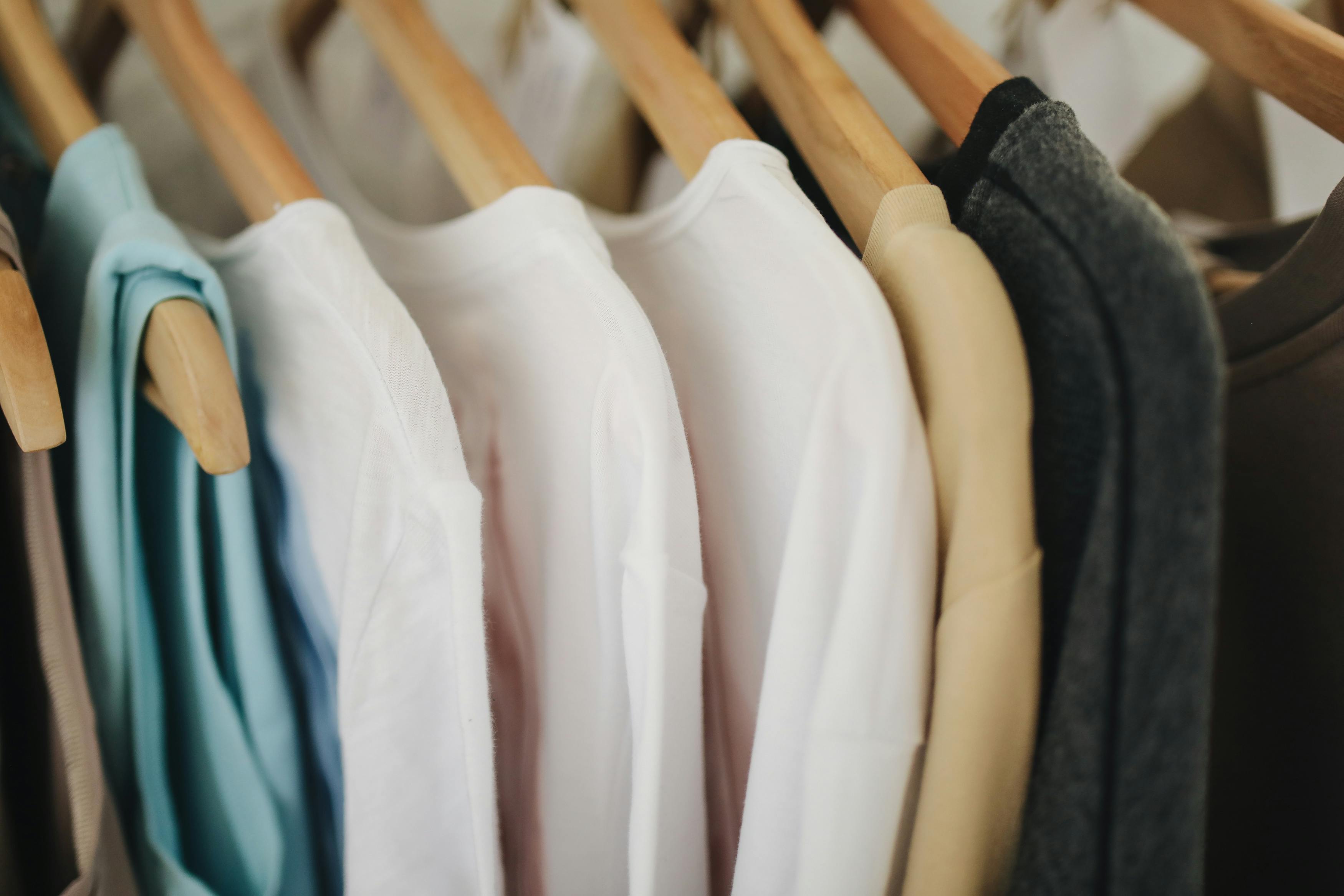
Core quiet-luxury basics to consider:
- The Perfect T-Shirt: Mid-weight cotton or organic cotton, not see-through, not stiff. It should skim, not strangle.
- Tailored Trousers: In black, navy, or charcoal. Room in the thighs, clean lines, and a hem that works with sneakers and loafers.
- Timeless Outerwear: A trench coat or wool coat that could survive three jobs, two breakups, and five winters.
- Quality Knitwear: Merino, cashmere, or a good responsible wool blend. No scratch, no sag, no weird armpit pilling after week one.
- A Structured Blazer: The multitasker that goes from meeting to date night to “airport but make it chic.”
The goal isn’t to own every classic. It’s to own the right few pieces you can wear repeatedly without anyone realizing you’re basically in a very stylish uniform.
Cost Per Wear: The Math That Justifies Your Taste
Meet your new shopping BFF: cost per wear. It’s how we turn “this is expensive” into “this is actually smart” or, occasionally, “this is delusion, put it back.”
The formula is blissfully simple:
Cost per wear = Total cost ÷ Number of times you’ll actually wear it
A $40 trendy top you wear twice costs you $20 per wear. A $200 blazer you wear 100 times? That’s $2 per wear—and a standing ovation from your future self.
Quiet luxury plus sustainability means we’re obsessing less about the price tag and more about longevity. Will this piece:
- Still look good next year (and the year after)?
- Survive actual washing and not just “spot clean and pray”?
- Work in at least three outfits you already own?
If the answer is yes, your cost-per-wear calculator likely approves. If not, congratulations—you just saved money and closet space.
One Blazer, Three Lives: Styling Basics Up, Down, and Sideways
A hallmark of quiet luxury is turning one great piece into multiple personalities. Think of your blazer as an extremely well-dressed actor with range.
1. Workday “I’ve Got This”
- Blazer + tailored trousers + simple belt + loafers
- Neutral tee or fine-knit sweater underneath
- Minimal jewelry: a watch, small studs, maybe a subtle chain
You look professional, put-together, and suspiciously like you respond to emails on time.
2. Weekend Coffee Run
- Blazer + good jeans + white sneakers
- Rolled sleeves, slightly messy hair, reusable coffee cup as your main accessory
You’re casual but not chaotic—the sweet spot between “I woke up like this” and “I woke up and tried very hard.”
3. Evening Minimalist Chic
- Blazer + slip dress or monochrome top and skirt
- Sleek boots or simple heels
- Bolder jewelry: one statement piece, not six
The blazer stays the same; the vibe changes completely. That’s quiet luxury magic: fewer pieces, more possibilities, zero stress.
Fabric, Fit, and Feel: The Sustainability Cheat Sheet
Sustainable fashion can sound like a pop quiz in textiles, but you don’t need a degree in fiber science to make better choices. You just need a mini checklist.
Look for:
- Organic or GOTS-certified cotton for T-shirts, shirts, and underwear.
- RWS-certified wool or recycled wool for knitwear and coats.
- Recycled polyester or nylon for outerwear that needs tech performance.
- Natural fibers (linen, wool, cotton) that age gracefully and are usually easier to repair.
Then, put your Sherlock hat on and examine the construction: seams that don’t pull, hems that lie flat, buttons that feel secure, and fabric with a bit of weight to it. If you can see your entire future through that white T-shirt, it’s a no.
And yes, sometimes the most sustainable piece is the one already in your closet—or in someone else’s. Enter: thrifting, resell platforms, and vintage treasure hunts.
Mixing High, Low, and Secondhand Like a Pro
You don’t need a black card to nail quiet luxury. You need taste, patience, and a slightly judgmental eye for fabric. The trick is smart mixing:
- One hero piece: Maybe it’s a beautifully made wool coat or a leather loafer that gives “I read my warranties.”
- Solid affordable basics: Plain tees, cotton shirts, simple knitwear in neutral colors from budget-conscious brands that prioritize quality.
- Thrift or vintage finds: Older designer or well-made garments whose construction sometimes outshines modern equivalents.
The eye goes first to silhouette and texture, not brand. Clean lines, good fit, and cohesive colors automatically read as expensive—whether your coat is runway or resell.
Quiet luxury is also about editing. When in doubt, remove one thing: one accessory, one color, one “maybe” piece. Let the structure and fabrics do the talking, not a chorus of competing trends.
Accessories: The Volume Knob on Your Outfit
Accessories are where quiet luxury whispers turn into charming inside jokes. You can keep the clothes minimal and let the details do a gentle mic drop.
Think in terms of “functional jewelry”:
- Belts that actually hold things up and define your waist.
- Bags with clean shapes and just enough room for your real life (snacks included).
- Watches that say “I respect your time” even if you’re always five minutes late.
For jewelry, pick your personality: a single chunky ring, a slim chain, or small hoops. The rule of thumb: if your outfit is quiet, one bold piece is chic. If your outfit is already doing the most, let accessories stay on mute.
Sustainability note: accessories are prime candidates for vintage, secondhand, and heirloom magic. A well-made leather belt or classic watch can outlive multiple trend cycles—and possibly your next three phones.
A 5-Step Wardrobe Reset (Without the Meltdown)
Ready to turn your closet from chaos to capsule without needing a reality TV crew? Here’s a simple, drama-lite process.
- Empty, then edit. Pull out everything you wear often and place it on one side. Ask: why do these pieces work? Fit, color, fabric? That’s your blueprint.
- Identify your uniform. Notice patterns: maybe it’s “straight-leg trousers + tee + blazer” or “jeans + knit + structured coat.” Build around what you actually wear, not your fantasy-self who wakes up at 6 a.m. to do Pilates.
- Spot the gaps. Missing a good coat? A pair of trousers that isn’t skinny or unflattering? These become your high-priority, buy-better list.
- Re-home the excess. Pieces that don’t fit, scratch, or guilt-trip you? Sell, donate, or swap. Let them live their best life elsewhere.
- Set a future rule. Before buying anything new, ask: “Will I wear this at least 20 times?” If the answer is “maybe” or “but it’s on sale,” that’s a no.
The result isn’t a tiny, joyless closet. It’s a streamlined one where almost everything is a favorite and “nothing to wear” becomes “which great thing do I feel like today?”
Dressing Quiet, Feeling Loudly Confident
Understated outfits don’t mean understated confidence. In fact, when you’re not tugging at hems, adjusting straps, or wondering if that neon print was a mistake, you free up mental space to just… exist. Comfortably. Confidently. With far fewer wardrobe-related existential crises.
Quiet luxury plus sustainable basics is really about alignment: your clothes match your lifestyle, your values, and your actual body—not some filtered idea of it. You look put-together because your wardrobe is, and you feel grounded because you’re not constantly chasing the next micro-trend.
Think of it as building a long-term relationship with your style instead of serial dating every trend that slides into your feed. Fewer flings, more forever pieces.
So next time you shop, ask yourself: will this earn its place, lower my stress, and play nicely with the rest of my closet? If yes, welcome to the quiet-luxury, loud-confidence club.
Image Suggestions (Strictly Relevant)
Below are 2 carefully selected, royalty-free image suggestions that directly reinforce key concepts from this blog. Each image is realistic, context-aware, and adds clear informational value.
Image 1: Quiet Luxury Capsule Rail
Placement: After the paragraph: “Core quiet-luxury basics to consider:” in the “Build Your ‘Calm But Hot’ Capsule Wardrobe” section.
Supports sentence/keywords: “Core quiet-luxury basics to consider:” and the bullet list of T-shirt, tailored trousers, timeless outerwear, quality knitwear, and a structured blazer.
Image description: A realistic photo of a minimal clothing rail in a bright, neutral room. On the rail: a tightly edited collection of neutral basics—white and black T-shirts, a camel trench coat, a navy blazer, a grey wool coat, a pair of black tailored trousers, and a beige knit sweater. Below the rail, one simple pair of loafers and white sneakers neatly placed. Background is clean and uncluttered, maybe a light wooden floor and a plain wall, emphasizing the capsule concept. No people in the frame.
Suggested source URL (example, must be verified 200 OK):
https://images.pexels.com/photos/3735641/pexels-photo-3735641.jpeg
SEO-optimized alt text: Quiet luxury capsule wardrobe with neutral coats, blazers, trousers, and T-shirts hanging on a minimal clothing rail.
Image 2: Cost-Per-Wear Planning with Basics
Placement: After the cost-per-wear formula snippet in the “Cost Per Wear: The Math That Justifies Your Taste” section.
Supports sentence/keywords: “Meet your new shopping BFF: cost per wear.” and the example contrasting a $40 trendy top with a $200 blazer worn many times.
Image description: A realistic top-down view of a tidy workspace. On the table: a neutral blazer neatly folded next to a simple T-shirt and tailored trousers, with a notebook open showing a hand-drawn cost-per-wear style calculation (no readable personal info, just simple numbers and arrows). Nearby: a pen, and maybe a small tag or label showing fabric info like “organic cotton” or “wool.” The aesthetic is clean and minimal, clearly linking thoughtful planning with wardrobe basics. No people visible, only hands if absolutely necessary, but preferably none.
Suggested source URL (example, must be verified 200 OK):
https://images.pexels.com/photos/7671166/pexels-photo-7671166.jpeg
SEO-optimized alt text: Flat lay of blazer, T-shirt, and trousers next to a notebook calculating cost per wear for sustainable wardrobe planning.