
Plant-Forward Protein Swaps: Tofu, Tempeh, Lentils & Beyond for Cozy Everyday Meals
Plant-Forward Protein Swaps: Comfort Food with a Lighter Footprint
Plant‑forward cooking is having a delicious moment. Instead of going fully vegan overnight, many home cooks are discovering the joy of gentle “protein swaps”: folding tofu into weeknight stir‑fries, simmering lentils into rich pasta sauces, or crisping up tempeh for tacos that still feel deeply comforting and familiar.
These plant‑based proteins—think tofu, tempeh, lentils, beans, and newer meat‑like products—bring serious flavor, satisfying texture, and impressive nutrition to the table, often at a lower cost and with a smaller environmental footprint than meat. In this guide, you’ll learn why the trend is growing, how to make these ingredients truly crave‑worthy, and you’ll get a detailed, step‑by‑step recipe for a hearty Plant‑Forward Lentil & Tofu “Meat” Bolognese that’s perfect for cozy dinners.
Why Plant‑Forward Protein Swaps Are Everywhere
Scroll through YouTube, TikTok, or your favorite recipe blog and you’ll see it: tofu “chicken” nuggets, lentil sloppy joes, chickpea “tuna” salad, tempeh satay, and even ultra‑meaty looking Beyond or Impossible burgers. Plant‑based eating has expanded from a niche vegan corner into a broader, flexible plant‑forward way of cooking.
- Health & nutrient density: Legumes and soy foods are packed with protein, fiber, iron, magnesium, and gut‑friendly compounds. Swapping part of the meat in a meal for lentils, beans, tofu, or tempeh often lowers saturated fat and boosts fiber—fantastic for heart and digestive health.
- Sustainability: Beans, lentils, and soy generally have a smaller carbon footprint and need less land and water than beef or lamb. Many younger eaters in particular are looking for ways to enjoy comfort food while caring for the planet.
- Better textures & techniques: Home cooks and creators have become skilled at pressing, marinating, double‑cooking, and air‑frying plant proteins. Crispy tofu, smoky tempeh bacon, and rich lentil ragu are now everyday kitchen wins—not compromises.
- Budget‑friendly: A big pot of lentils or beans can anchor several meals for a fraction of the cost of meat. This makes plant‑forward meal prep a smart choice for feeding families or batch‑cooking for the week.
- Comfort food, reimagined: Instead of only “health food” bowls, you’ll find plant proteins folded into pizza toppings, burgers, tacos, curries, pastas, and even hearty breakfasts like tofu scramble and bean‑rich shakshuka.
Plant‑forward doesn’t mean perfection. It simply means more plants, more often—especially in the places you already love, like your favorite pasta, tacos, or Sunday sauce.
Meet the Stars: Tofu, Tempeh, Lentils & Modern Plant Meats
Each plant protein has its own character—like friends you invite to different dinner parties. Understanding their taste and texture helps you choose the right swap for your favorite comfort foods.
Tofu: The Ultimate Flavor Sponge
Firm and extra‑firm tofu are mild, gently beany, and wonderfully adaptable. When pressed and marinated, tofu eagerly soaks up flavors—garlic, soy sauce, smoked paprika, anything you like. High‑heat roasting, pan‑searing, or air‑frying creates a golden, crisp exterior with a tender center that works beautifully in stir‑fries, curries, and even “chicken” style nuggets.

Tempeh: Nutty, Chewy & Fermented
Tempeh is made from whole fermented soybeans pressed into a firm cake. It has a nutty, savory taste with a pleasantly firm, chewy bite—fantastic for skewers, “bacon” strips, and crumble‑style fillings for tacos. Pre‑steaming or simmering tempeh before marinating can soften its flavor and help it absorb seasonings more deeply.
Lentils: Hearty, Meaty & Budget‑Friendly
Cooked lentils have a tender, meaty texture that’s right at home in sauces and stews. Green or brown lentils hold their shape in bolognese, sloppy joes, or shepherd’s pie, while red lentils melt into silky curries and soups. A cup of cooked lentils gives you around 18 g of protein plus fiber, iron, and folate.
Beyond Meat, Impossible & “2.0” Plant Meats
Modern plant‑based meat products are designed to mimic the look and feel of ground beef or sausages. They can be helpful “bridge” ingredients: you still get your familiar burger, taco, or meatballs, just with a plant‑based twist. Dietitians often suggest using these in moderation and centering everyday meals more on minimally processed options like beans, lentils, tofu, and tempeh.
Recipe: Plant‑Forward Lentil & Tofu “Meat” Bolognese
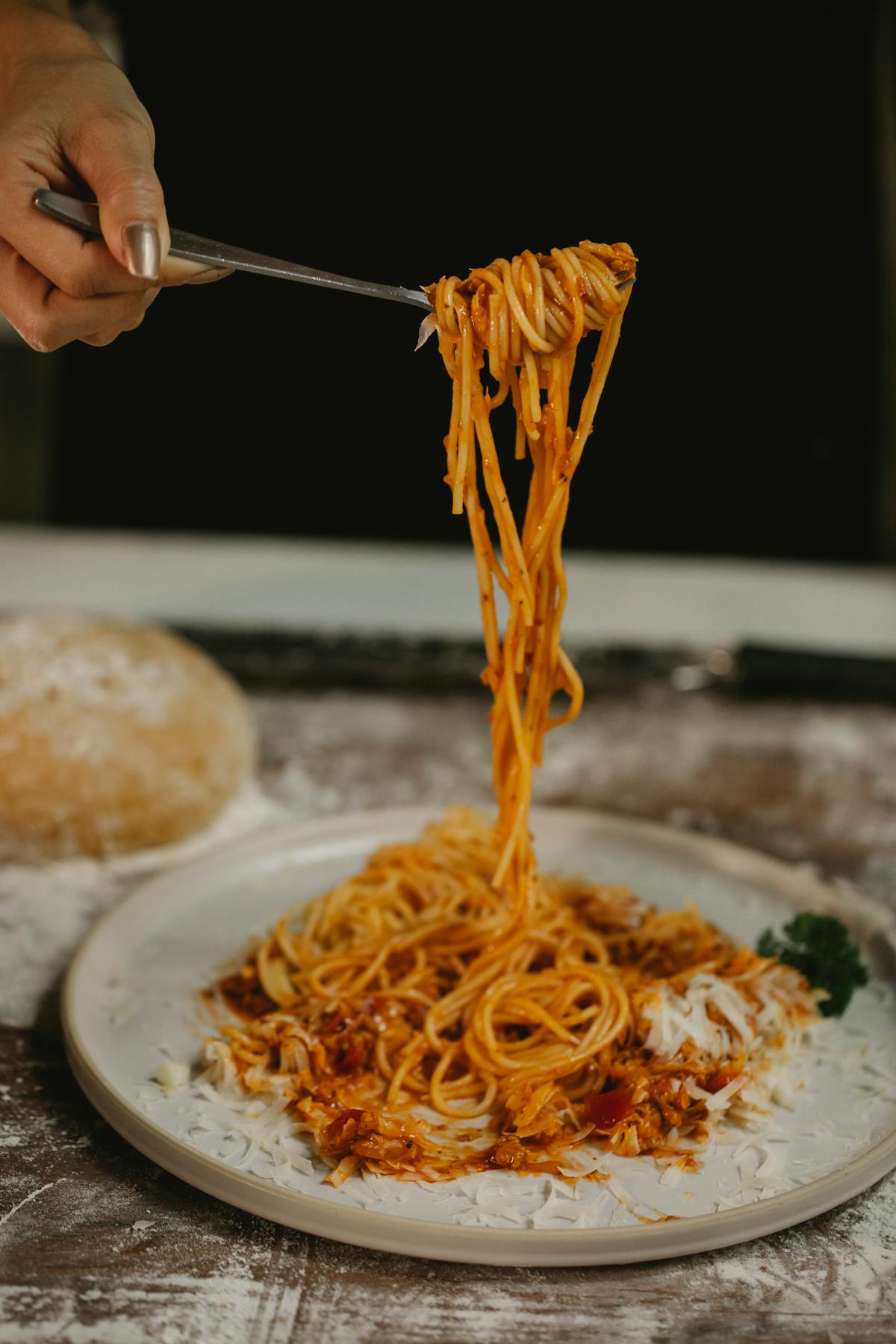
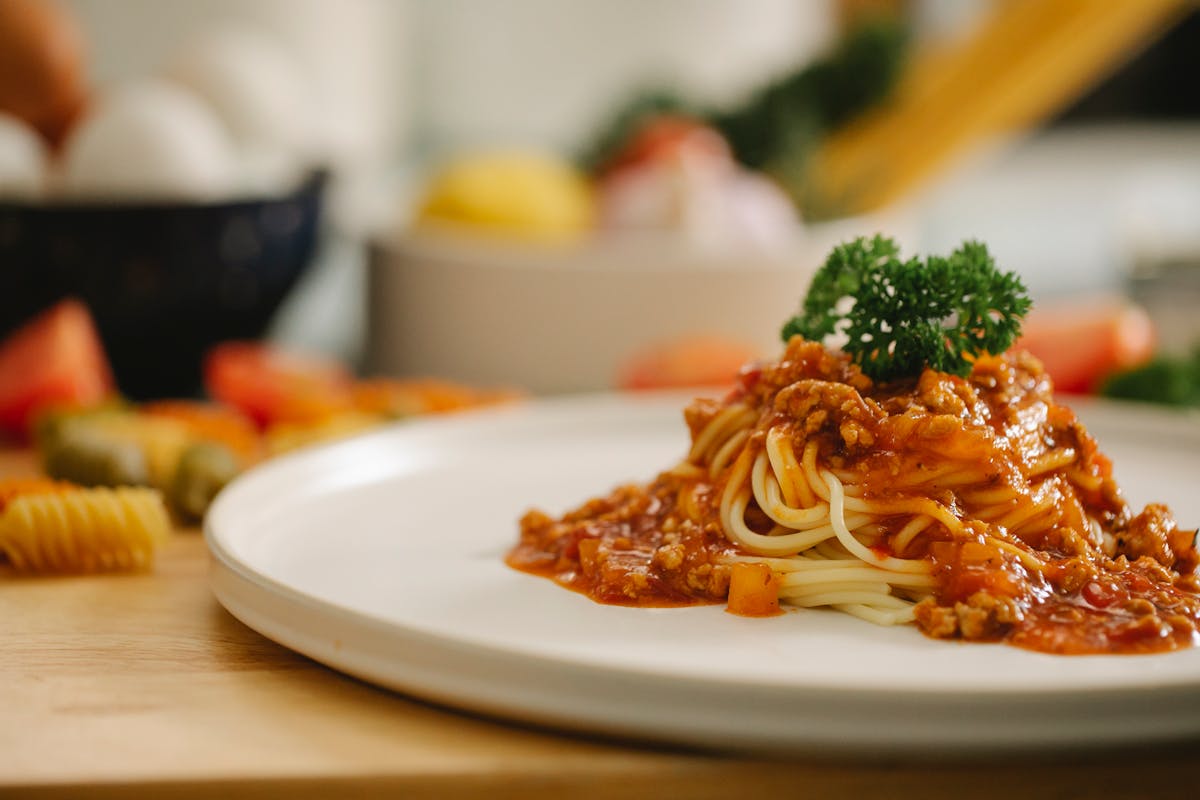
This cozy bolognese is all about deep, slow‑cooked flavor: caramelized onions, garlic, tomatoes, herbs, and a hearty mix of lentils and crumbled tofu that stand in for ground meat. The sauce clings beautifully to pasta, fills lasagna layers like a dream, and freezes wonderfully for future dinners.
Quick Recipe Overview
Prep time: 20 minutes
Cook time: 40–45 minutes
Total time: ~1 hour
Servings: 4–6
Difficulty: Easy–Intermediate
Dietary: Vegan, high‑protein, high‑fiber
Equipment You’ll Need
- Large, heavy‑bottomed pot or deep sauté pan (with lid if possible)
- Cutting board and sharp knife
- Wooden spoon or spatula
- Measuring cups and spoons
- Colander for rinsing lentils
- Clean kitchen towel or tofu press

Ingredients
For the Lentil & Tofu Bolognese
- 2 tbsp olive oil (or neutral oil of choice)
- 1 medium yellow onion, finely diced
- 2 medium carrots, finely diced
- 2 celery stalks, finely diced
- 4 cloves garlic, minced
- 200 g firm or extra‑firm tofu, pressed and crumbled (about 7 oz)
- 1 cup (190 g) dry brown or green lentils, rinsed
- 2 tbsp tomato paste
- 1 tsp smoked paprika (or sweet paprika)
- 1 tsp dried oregano
- 1 tsp dried basil
- 1/2 tsp dried thyme
- 1/2–1 tsp crushed red pepper flakes (optional, to taste)
- 1/2 cup (120 ml) dry red wine (optional, or use extra broth)
- 1 can (400 g / 14 oz) crushed or diced tomatoes
- 2 1/2 cups (600 ml) vegetable broth, plus more as needed
- 1–2 tbsp soy sauce or tamari (for depth and umami)
- Salt and freshly ground black pepper, to taste
- 1–2 tsp balsamic vinegar or a pinch of sugar (to balance acidity), to taste
- Fresh basil or parsley, chopped, for serving (optional)
To Serve
- 400–500 g (14–18 oz) pasta of choice (spaghetti, tagliatelle, rigatoni, or gluten‑free)
- Plant‑based parmesan or nutritional yeast (optional)
Step‑by‑Step Instructions
- Prep the tofu and vegetables.
Press the tofu for 10–15 minutes between clean towels or using a tofu press to remove excess moisture. Crumble it into small, “ground meat”‑sized pieces with your hands or a fork. Finely dice the onion, carrot, and celery; mince the garlic.
- Brown the tofu for deeper flavor.
Heat 1 tbsp of the oil in your pot over medium‑high heat. Add the crumbled tofu in an even layer. Let it cook, undisturbed, for 3–4 minutes until golden on one side, then stir and continue cooking for another 3–4 minutes until lightly browned all over. Season with a pinch of salt, then transfer to a bowl and set aside.
- Build the aromatic base.
In the same pot, reduce heat to medium and add the remaining 1 tbsp oil. Add onion, carrot, and celery with a pinch of salt. Cook, stirring occasionally, for 8–10 minutes, until the vegetables are soft and lightly caramelized at the edges. Add the garlic and cook for 1 minute more, until fragrant.
- Toast the tomato paste and spices.
Stir in the tomato paste, smoked paprika, oregano, basil, thyme, and red pepper flakes if using. Cook for 2–3 minutes, stirring frequently, until the paste darkens slightly and smells sweet and rich—this step deepens the flavor of your sauce.
- Deglaze the pot.
Pour in the red wine (or extra broth), scraping the bottom of the pot with a wooden spoon to release any browned bits. Let it simmer for 2–3 minutes, until slightly reduced.
- Add lentils, tomatoes, and broth.
Add the rinsed lentils, crushed or diced tomatoes, and vegetable broth. Stir in the browned tofu and soy sauce or tamari. Bring the mixture to a gentle boil, then reduce heat to low, cover partially with a lid, and let simmer for 25–30 minutes, stirring occasionally, until the lentils are tender and the sauce is thick and hearty.
- Cook your pasta.
While the sauce simmers, bring a large pot of salted water to a boil. Cook your pasta according to package directions until al dente. Reserve 1/2 cup of the starchy cooking water before draining.
- Adjust consistency & flavor.
If the bolognese looks too thick, add a splash more broth or a spoonful of pasta water. If it’s too thin, let it simmer uncovered for a few extra minutes. Taste and season generously with salt and black pepper. Add balsamic vinegar or a pinch of sugar to balance the acidity of the tomatoes.
- Toss & serve.
Add the drained pasta directly into the pot of sauce (or spoon sauce over plates of pasta). Toss gently, adding a splash of reserved pasta water if needed to help the sauce cling. Serve topped with fresh herbs and a sprinkle of plant‑based parmesan or nutritional yeast if you like.

Cooking Tips, Swaps & Dietary Tweaks
Storage & Reheating
One of the quiet joys of plant‑forward sauces like this bolognese is how beautifully they keep. The flavors deepen overnight, making leftovers even more satisfying.
- Fridge: Cool completely, then store in an airtight container for up to 4–5 days.
- Freezer: Portion into freezer‑safe containers, leaving a little room for expansion. Freeze for up to 3 months.
- Reheating: Warm gently on the stovetop over low–medium heat, adding a splash of water or broth if the sauce is too thick. Microwave in short bursts, stirring in between, until heated through.
- Prep ahead: Make a double batch and freeze in smaller portions to use for quick weeknight pastas, stuffed peppers, or baked potatoes.
Serving Ideas & Complementary Dishes
This plant‑forward bolognese is wonderfully versatile. Once you’ve made a pot, it can anchor several comforting meals throughout the week.
- Classic pasta night: Serve over spaghetti, rigatoni, or tagliatelle with a simple green salad and garlic bread.
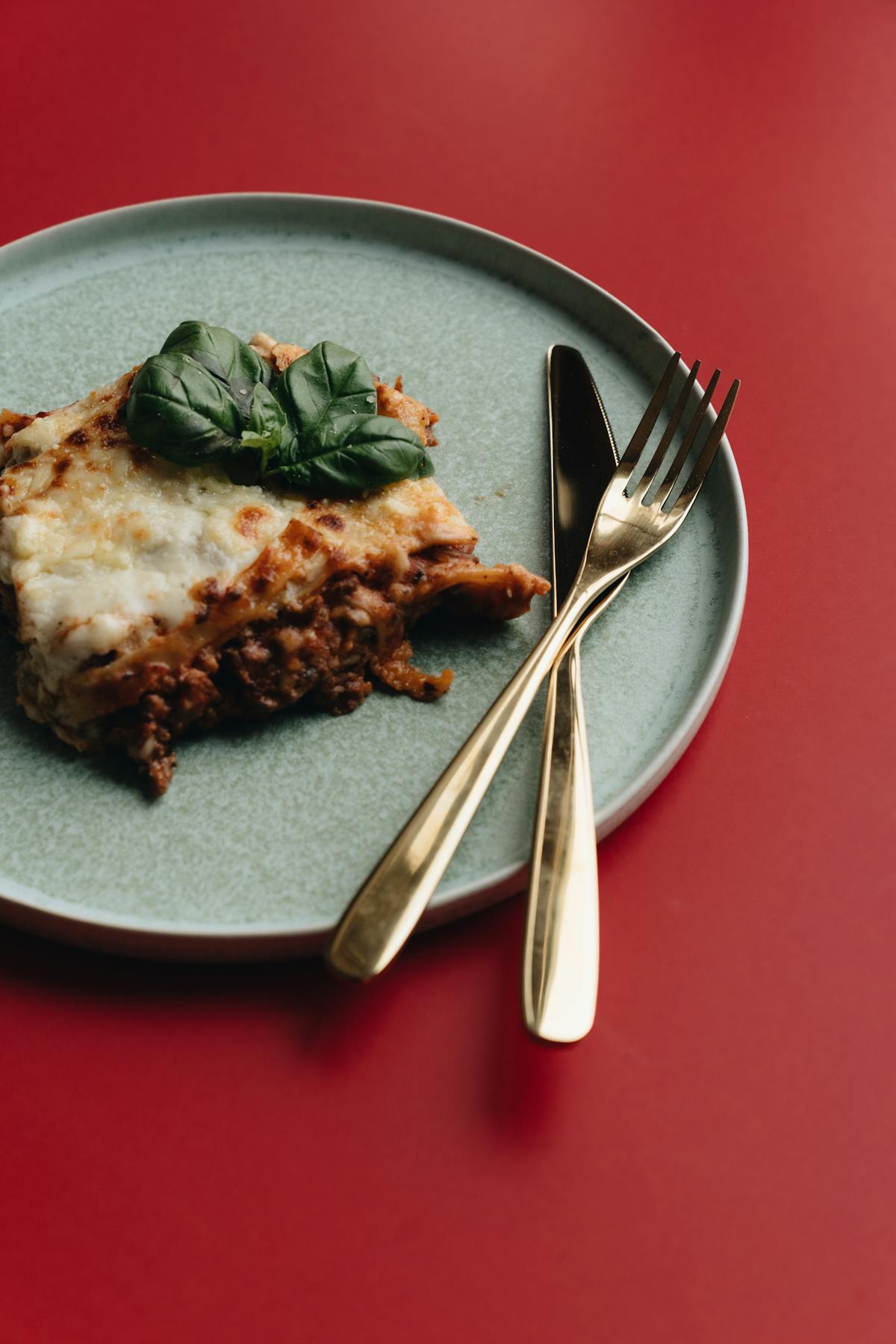
- Layered lasagna: Use the sauce between sheets of pasta with plant‑based ricotta and spinach.
- Stuffed vegetables: Spoon into roasted bell peppers, eggplants, or baked potatoes and top with fresh herbs.
- Polenta bowls: Serve a ladle of hot bolognese over creamy polenta for a cozy, naturally gluten‑free dinner.
- Grain bowls: Pair with farro, quinoa, or brown rice, plus roasted vegetables, for an even more fiber‑rich meal.
Embracing Plant‑Forward Comfort Food at Your Own Pace
The heart of the plant‑forward “protein swap” movement is flexibility. You don’t have to give up family‑favorite dishes or commit to an all‑or‑nothing label. Start with what feels doable: maybe lentils in your next bolognese, tofu in a stir‑fry, or beans stretching out taco night.
As you practice, you’ll learn how to season and cook these ingredients so they’re not just “good for a vegan dish,” but genuinely crave‑worthy in their own right. With each small swap, you’re nourishing your body, caring for the planet, and adding new flavors and textures to your kitchen repertoire—one delicious bowl of pasta at a time.
