
Ozempic, Wegovy & the ‘Skinny Jab’: How GLP‑1 Weight‑Loss Drugs Are Changing Diet Culture, Celebrity Bodies, and Everyday Eating
Ozempic, Wegovy & the ‘Skinny Jab’ Diet Culture Shift
GLP‑1 weight‑loss drugs like Ozempic, Wegovy, and Mounjaro/Zepbound are reshaping modern diet culture, celebrity body trends, and how we talk about obesity and nutrition. Once quiet tools in the diabetes clinic, they’ve moved to red carpets, wellness podcasts, and everyday conversations—bringing dramatic weight‑loss stories, intense debate, and a brand‑new challenge for anyone trying to eat well with a much smaller appetite.
In this guide, we’ll explore how these medications work, why they’ve become so culturally powerful, and—most importantly—how to protect your health, muscle, and relationship with food if GLP‑1s are part of your life or the life of someone you love.
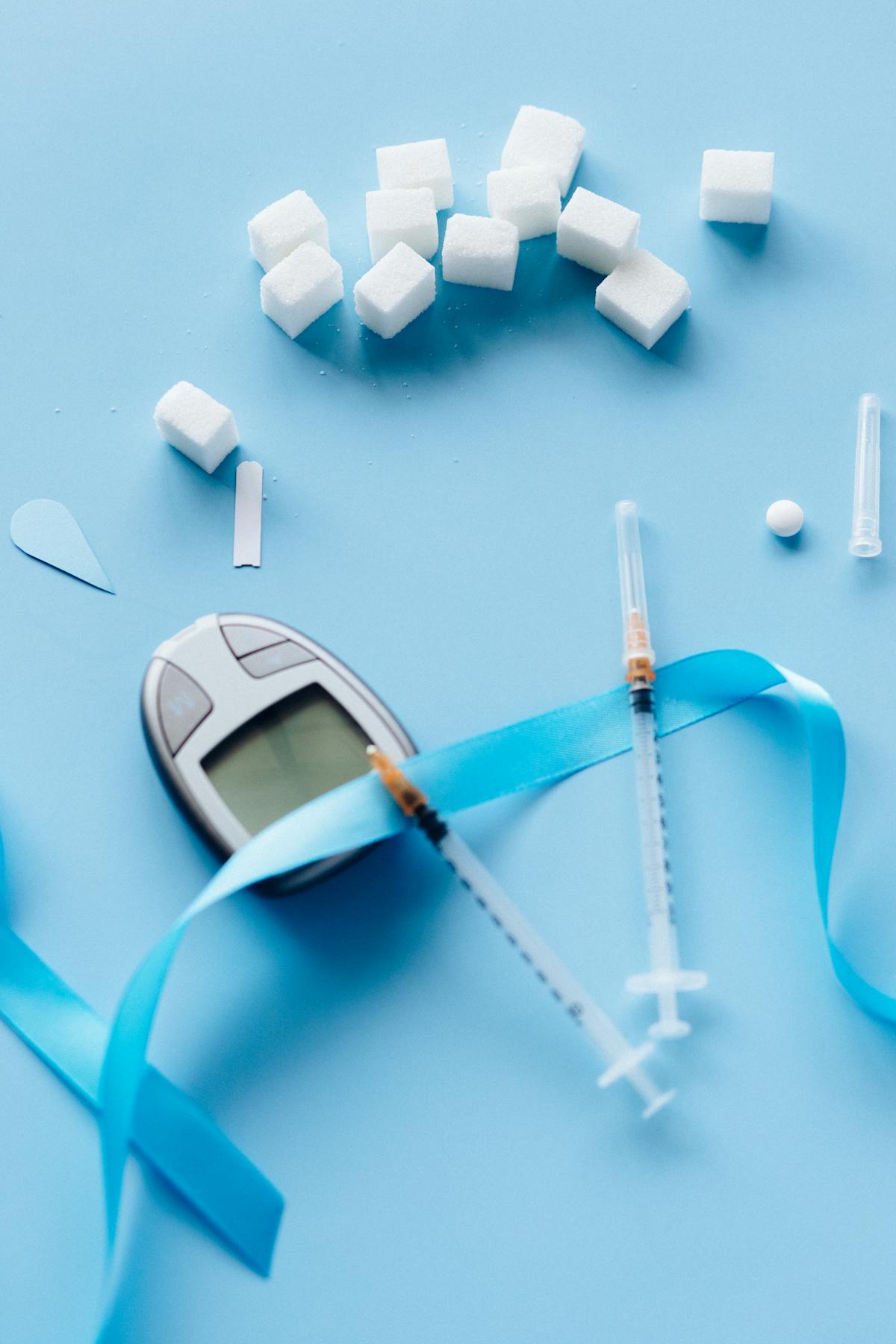
What Are GLP‑1 Drugs Like Ozempic and Wegovy?
GLP‑1 agonists are medications that mimic a natural hormone in your body called glucagon‑like peptide‑1 (GLP‑1). This hormone helps regulate blood sugar, slows how quickly food leaves your stomach, and sends powerful “I’m full” signals to your brain.
The most talked‑about names include:
- Ozempic (semaglutide): approved for type 2 diabetes, widely used off‑label for weight loss.
- Wegovy (higher‑dose semaglutide): approved specifically for chronic weight management.
- Mounjaro / Zepbound (tirzepatide): affects GLP‑1 and another hormone (GIP), also used for diabetes and weight loss.
In clinical trials, people on these medications often lose 10–15% or more of their body weight—far beyond what most diets achieve long‑term. That’s why many researchers describe them as a paradigm shift in obesity treatment.

How GLP‑1 Weight‑Loss Drugs Change Your Appetite and Eating
If you talk to people on Ozempic, Wegovy, or Mounjaro, you’ll hear surprisingly similar stories: “Food just doesn’t call to me anymore,” or “I forget to eat.” These drugs don’t only tweak hunger—they reshape the experience of eating.
What’s happening inside your body?
- Slower gastric emptying – Food leaves your stomach more slowly, so you feel full longer after small portions.
- Reduced appetite – Brain centers linked to hunger and reward get quieter; cravings lose their edge.
- Lower interest in calorie‑dense foods – Many people naturally pull away from heavy, greasy, or sugary dishes.
- Smaller bites, earlier fullness – Just a few forkfuls can feel like a full meal.
That can sound like a dream after years of dieting—but there’s a catch. When intake drops sharply, so can protein, vitamins, minerals, and muscle mass. The challenge becomes: how do you nourish a body that simply doesn’t want much food?
From Red Carpets to “Skinny Jabs”: How GLP‑1s Are Rewriting Diet Culture
In just a few years, GLP‑1 drugs have gone from quiet medical tools to full‑blown cultural phenomena. Scroll TikTok or Instagram, and you’ll find:
- Celebrity transformations with rapid body changes and endless speculation.
- Clinic ads marketing weekly injections as “skinny jabs.”
- Before‑and‑after videos with dramatic results but very little context.
- Reaction videos and hot takes debating whether this is empowerment or pressure in new clothing.
All of this lands in a culture already obsessed with thinness. For some, GLP‑1s feel like long‑overdue tools for a serious, complex medical condition. For others, the glamorization of injections for weight loss alone can feel like yet another way the world says, “Smaller is better.”
The healthiest conversation isn’t “Who got smaller?” but “How do we care for real bodies—on and off medication—with respect, enough food, and realistic expectations?”

The New Nutrition Challenge: Nourishing a Smaller Appetite
When GLP‑1s work as intended, you simply don’t want to eat much. That can lower blood sugar, reduce pressure on joints, and support weight loss—but it also raises real nutritional risks if food choices are random or overly restrictive.
Key risks to watch for
- Low protein intake leading to loss of muscle mass and strength.
- Micronutrient shortfalls (B12, iron, folate, vitamin D, fat‑soluble vitamins) from reduced food volume.
- Digestive discomfort when meals are too large, too fatty, or too high in sugar.
- Over‑reliance on ultra‑processed snacks “because it’s all I can get down.”
Dietitians are increasingly building GLP‑1‑specific nutrition plans that focus on what your body needs most per bite, not per day. The priority becomes: every small meal has to work hard for you.
Protein First: Protecting Muscle on Ozempic, Wegovy, and Mounjaro
With appetite dialed way down, protein becomes your non‑negotiable. Losing weight is not the same as losing fat; if you don’t get enough protein and move your muscles, your body can shed precious lean mass along with fat.
How much protein do you need?
Many sports nutrition and obesity experts now recommend:
- 1.6–2.2 g of protein per kilogram of body weight per day for active individuals.
- Aim to spread this across 3–4 small meals or snacks, each with a meaningful protein portion.
For someone weighing 80 kg (about 176 lbs), that’s roughly 130–175 g of protein daily. On a small appetite, you likely won’t get there perfectly—and that’s okay—but every step closer helps.
High‑protein foods that usually go down gently
- Greek or Icelandic yogurt, skyr (plain or lightly sweetened).
- Soft scrambled eggs or egg bites.
- Silken tofu in soups or smoothies; baked tofu cubes.
- Flaky fish: salmon, cod, trout, tinned tuna or sardines.
- Blended protein smoothies with fruit and greens.
- Soft beans and lentils in soups, stews, or purees.
- Cottage cheese or ricotta with fruit or savory toppings.
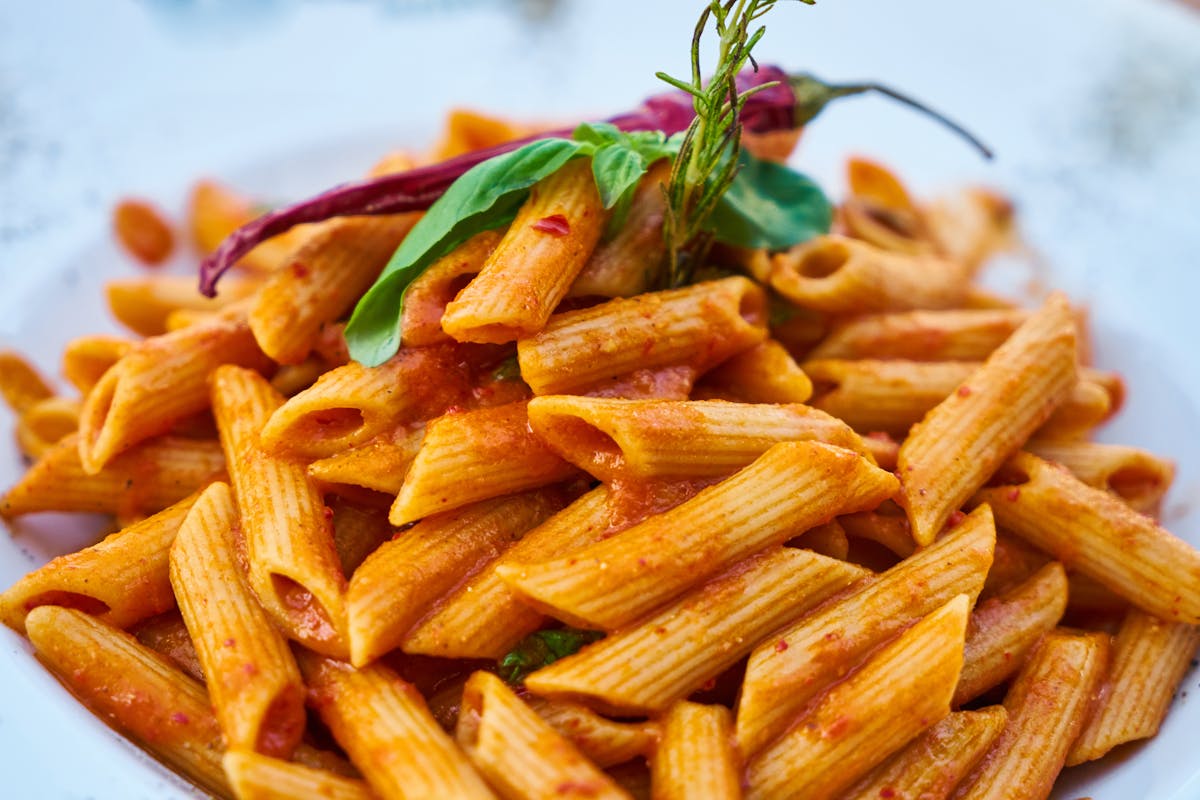
Fiber, Micronutrients, and Gut Health on GLP‑1 Medications
Constipation is a frequent complaint with GLP‑1s, and very small portions make it easy to skimp on vegetables and whole grains. Your gut, however, still craves fiber and plant diversity.
Gentle ways to get your fiber
- Blended vegetable soups with carrots, squash, potatoes, and lentils.
- Smoothies with spinach, berries, and ground flax or chia.
- Oatmeal or overnight oats made softer with extra liquid and yogurt.
- Very soft cooked vegetables (zucchini, carrots, green beans) instead of raw salads early on.
- Beans and lentils in pureed dips or soups if whole beans feel too heavy.
Micronutrients worth watching
With very low intake or strong food aversions, talk to your healthcare provider about monitoring:
- Vitamin B12 – especially if you also use metformin.
- Iron and ferritin – low intake can worsen fatigue and hair shedding.
- Folate – important for everyone, crucial in pregnancy.
- Vitamin D and other fat‑soluble vitamins (A, E, K) if you’re eating less overall.
A simple daily multivitamin can act as a safety net, but it’s not a substitute for real food where possible.
Pairing GLP‑1 Drugs with Movement to Preserve Muscle
When weight comes off quickly, you don’t just lose fat—you can lose muscle and bone density too. To keep your body strong and functional, GLP‑1 medications work best alongside some form of resistance training.
- 2–3 sessions per week of strength work (body‑weight, bands, or weights).
- Daily light movement (walking, gentle cycling, yoga) to keep joints and digestion happier.
- Eat a protein‑rich snack within a couple of hours after strength sessions if you can tolerate it.
If your energy is low or nausea is intense, start tiny: 5–10 minutes of movement at home still makes a difference.

Body Image, Backlash, and Caring for Your Relationship with Food
GLP‑1s sit at a tense crossroads: medical treatment, beauty ideal, and social media spectacle. As a result, people on these medications often navigate:
- Unwanted comments about “how good” they look now.
- Assumptions that they “took the easy way out.”
- Fear of what will happen if the medication stops.
- Old disordered eating patterns resurfacing in a new form (skipping meals, moralizing foods, obsession with the scale).
It’s okay to feel complicated about all this. You can be grateful for better blood sugars or less joint pain and still feel uneasy about how intensely the world celebrates shrinking bodies.
Practical Eating Guidelines for People on Ozempic, Wegovy, or Mounjaro
Every body responds differently, but certain patterns help many people feel better and stay nourished on GLP‑1 medications.
A gentle daily structure
- Plan 3–4 small meals or snacks instead of two big ones.
- At each eating time, ask: Where is my protein? Where is my plant?
- Keep textures soft if you’re nauseous: soups, stews, yogurts, smoothies, tender meats or tofu.
- Eat slowly, pause often. Stop at “comfortably full,” not stuffed.
- Drink fluids throughout the day, but not too fast with meals.
Example GLP‑1‑friendly day of eating
- Breakfast: Small bowl of Greek yogurt with mashed berries and a spoonful of oats.
- Midday: Cup of blended lentil and vegetable soup with a drizzle of olive oil.
- Afternoon: Smoothie with protein powder, spinach, banana, and peanut butter.
- Evening: A few bites of flaky baked salmon, mashed sweet potato, and soft green beans.
Long‑Term Questions: Coming Off GLP‑1s, Weight Regain, and Ongoing Care
One of the hottest debates around Ozempic, Wegovy, and Mounjaro is what happens long term. Early evidence and real‑world reports suggest:
- Many people experience some weight regain when they stop, especially if hunger surges back and habits aren’t in place.
- Some may need long‑term or intermittent use, similar to blood pressure or cholesterol medication.
- Access, cost, and side effects can all change whether people stay on or step away.
None of this means GLP‑1s “don’t work.” It simply means obesity is a chronic, relapsing condition, and these drugs are one powerful tool in a much bigger toolkit that should include nutrition, movement, sleep, stress care, and mental health support.
Key Takeaways: Supporting Health in the Age of GLP‑1 Diet Culture
GLP‑1 medications are changing the weight‑loss landscape, celebrity bodies, and everyday kitchen tables. Amid all the noise, a few principles rise to the top:
- These drugs are medical treatments, not casual beauty hacks.
- Your body still needs protein, plants, movement, and kindness—even with a tiny appetite.
- Nourishment should focus on metabolic health, strength, and quality of life, not just shrinking.
- You’re allowed to seek help for your health without apologizing—and also to challenge harmful body ideals.
Whether you’re taking Ozempic, considering Wegovy, or simply trying to make sense of this moment in diet culture, remember: the goal isn’t to eat as little as possible. It’s to make every bite, every habit, and every choice deeply supportive of the one body you’ve got.
