
Ozempic, Wegovy & the New Diet Culture: How ‘Skinny Jabs’ Are Changing Our Plates
Ozempic, Wegovy & the Rise of ‘Skinny Jabs’: How GLP‑1 Drugs Are Rewriting Diet Culture
Over just a few years, GLP‑1 weight‑loss drugs like Ozempic, Wegovy, and Mounjaro/Zepbound have gone from quiet diabetes treatments to front‑page headlines and viral TikToks. They’re reshaping diet culture, celebrity body trends, and even the questions people ask about nutrition: not just “How do I lose weight?” but “How do I nourish myself when I’m barely hungry?” and “What does long‑term health look like in the era of powerful appetite‑suppressing injections?”
This guide takes a grounded, food‑centered look at what GLP‑1 medications are, how they’re changing the way people eat, and how to protect your relationship with food and your health—whether you’re on these drugs, considering them, or just trying to make sense of the cultural whirlwind around “skinny jabs.”
What Are GLP‑1 Drugs Like Ozempic and Wegovy?
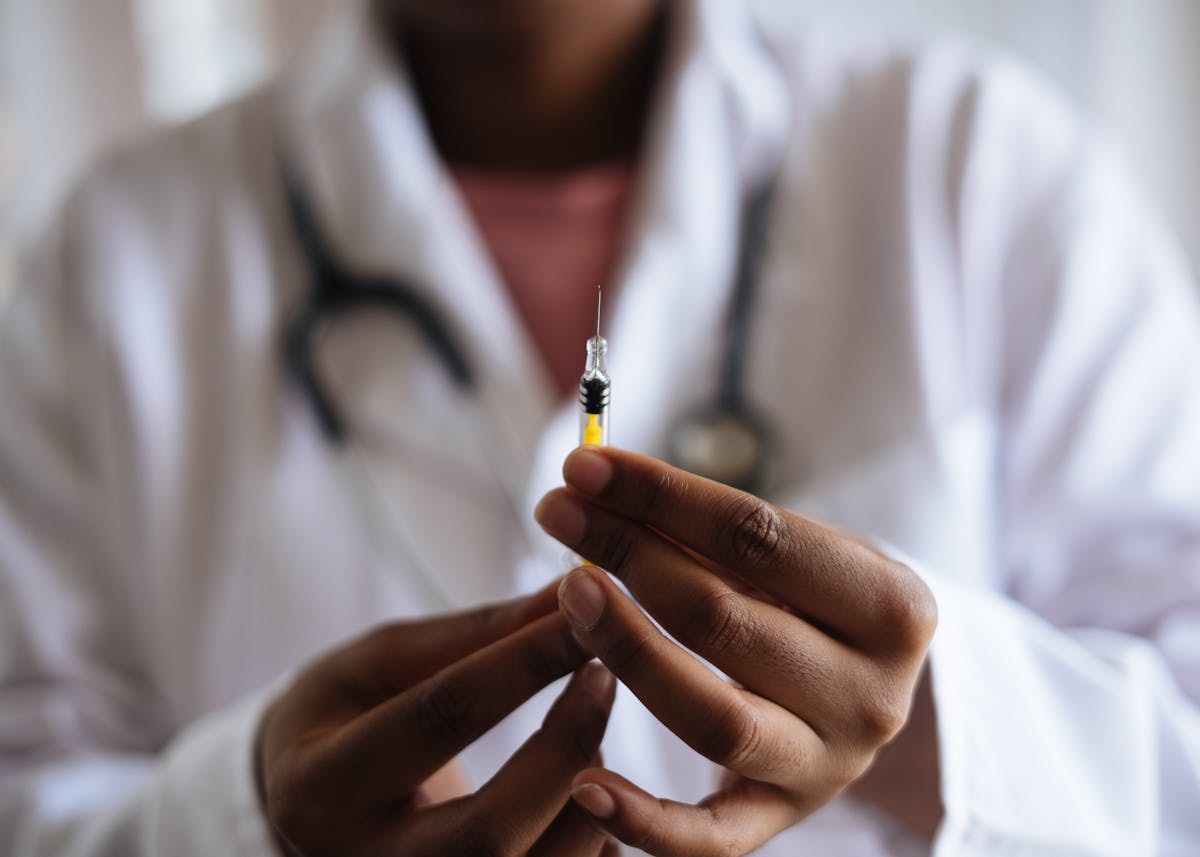
GLP‑1 receptor agonists are medications that mimic a natural gut hormone called glucagon‑like peptide‑1. Brands you’ll see in the news include:
- Ozempic (semaglutide): originally approved for type 2 diabetes management.
- Wegovy (higher‑dose semaglutide): approved specifically for chronic weight management.
- Mounjaro / Zepbound (tirzepatide): a dual‑hormone drug (GIP/GLP‑1) used for diabetes and, at higher doses, for obesity treatment.
Physically, these drugs:
- Reduce appetite by acting on appetite centers in the brain.
- Slow stomach emptying, so meals feel more filling and satisfying for longer.
- Improve blood sugar control by boosting insulin response and lowering glucagon.
For many people living with obesity, that combination leads to meaningful, medically significant weight loss. But it also changes the entire experience of eating: smaller portions, quicker fullness, and sometimes a muted interest in food that can feel unfamiliar—especially to people who’ve spent years battling cravings or emotional eating.

From Willpower Diets to “Skinny Jabs”: A Shift in Diet Culture
Traditional diet culture has always revolved around control: calorie counting, cutting carbs, skipping sugar, or following rigid plans. GLP‑1 drugs flip that script. Instead of asking people to white‑knuckle their way through hunger, these medications dampen appetite at a biological level. Many users simply don’t feel like eating as much as before.
Online, that shift shows up in:
- “What I Eat on Ozempic” vlogs featuring very small, simple meals.
- Protein‑focused snack ideas—like cottage cheese, Greek yogurt, and shakes—to make every bite count.
- Tips to fight nausea, constipation, or low appetite while still getting enough nutrients.
At the same time, celebrity gossip and red‑carpet commentary have latched onto GLP‑1s as the latest “body hack,” often flattening a complex medical treatment into a glamourized “skinny jab.” That mix of serious medical use and aesthetic hype is what makes today’s conversation so charged—and sometimes confusing.
“The drugs are new, but the pressure to shrink our bodies isn’t. What’s changing is how people pursue thinness—and who gets praised or criticized for it.”

Access, Cost, and Ethics: Who Are These Drugs Really For?
As of late 2025, demand for GLP‑1 drugs continues to outpace supply in many regions. That has raised tough questions:
- Shortages: Some people with type 2 diabetes report difficulty accessing medications they’ve relied on for blood sugar control as prescriptions for weight loss surge.
- High costs: In many countries, out‑of‑pocket costs remain steep, and insurance coverage varies widely, often favoring diabetes indications over obesity treatment.
- Equity concerns: Critics argue that media narratives center wealthy, often thin‑appearing celebrities, while people with higher health risks and fewer resources struggle with access.
At the heart of these debates is a bigger question: Are we comfortable treating body size as something to be medically “fixed” for appearance, or should powerful drugs be reserved for clearly defined health needs? Different patients, providers, and cultures land on different answers, but the conversation is far from settled.
Eating Well on Ozempic, Wegovy & Mounjaro: Nutrition When You’re Just Not Hungry
One of the most common surprises on GLP‑1 medications is how dramatically appetite can drop. For some, that feels like freedom; for others, it can be disorienting or even a bit sad if food was once a major source of joy. The goal isn’t to force big meals, but to make every bite count.
Dietitians now often focus on three pillars:
- Protein: to protect muscle mass during weight loss.
- Fiber: to support gut health and digestion.
- Micronutrients: vitamins and minerals that can be harder to get on very small portions.
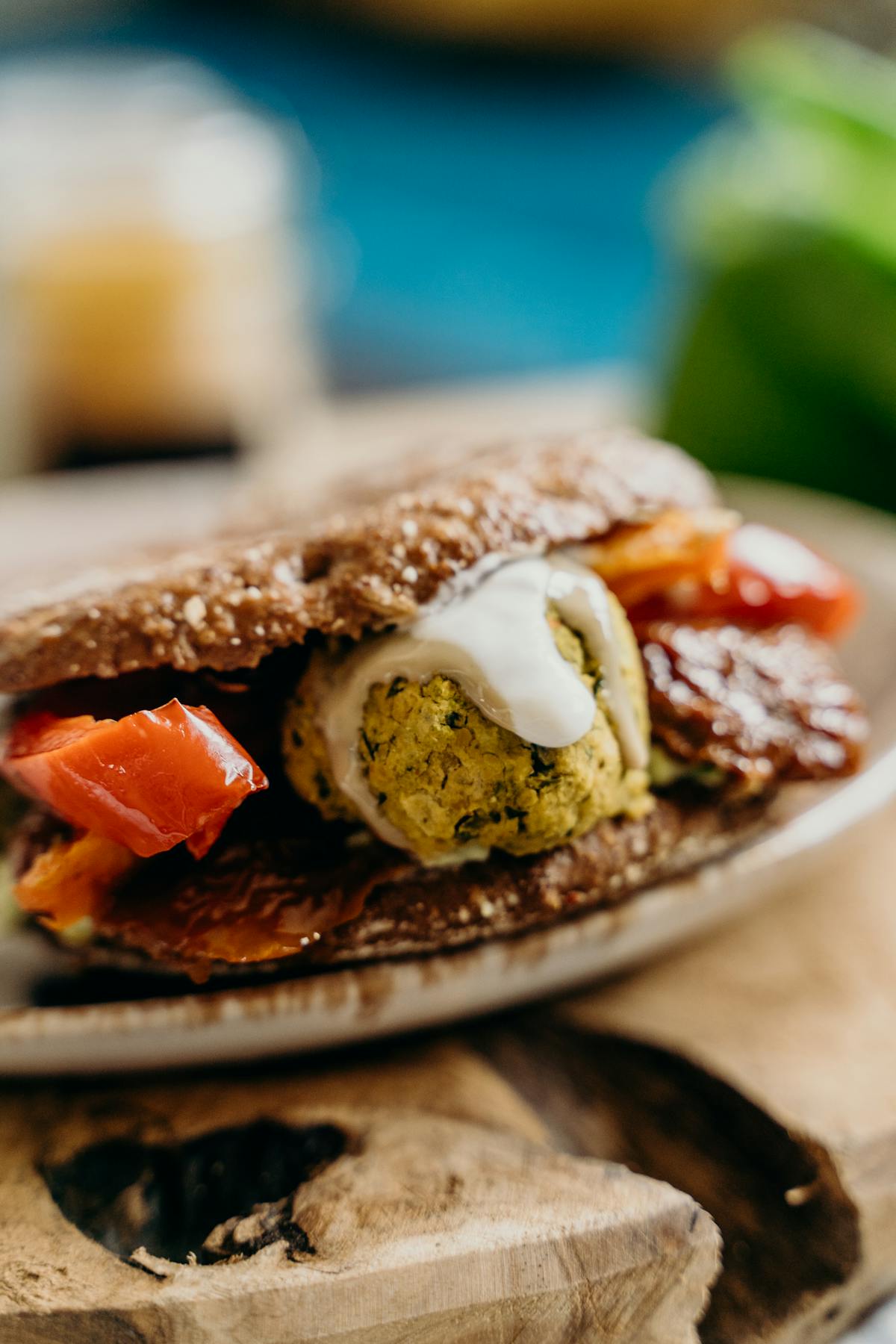
While everyone’s needs differ, a GLP‑1‑friendly plate might emphasize:
- Soft, lean protein: eggs, Greek yogurt, tofu, beans, flaky fish, or tender chicken.
- Cooked vegetables: steamed or roasted instead of raw to be gentler on the stomach.
- Whole grains or starches: oats, quinoa, potatoes, or rice in modest portions for energy.
- Healthy fats: olive oil, avocado, nuts and seeds for satiety and flavor.
Potential Downsides: Side Effects, Muscle Loss & Weight Regain
Like any medication, GLP‑1 drugs come with trade‑offs. Physicians and researchers continue to track long‑term data, but some concerns are already clear:
- Gastrointestinal side effects: nausea, vomiting, constipation, diarrhea, and bloating are among the most common early complaints.
- Rapid weight loss: losing weight very quickly can make it easier to lose muscle along with fat, especially without enough protein or resistance training.
- Emotional impact: some people feel disconnected from food or social eating, or worry about bingeing if they stop the drug.
- Weight regain: studies so far suggest that when the medication is discontinued, appetite generally returns and some or all of the weight may come back without other supports in place.
None of this means GLP‑1s are “good” or “bad” outright—they’re powerful tools with real benefits and real risks. The safest approach is one that includes medical supervision, realistic expectations, and a plan for nourishing your body over the long haul.
Your Relationship with Food in the GLP‑1 Era
For many people, these drugs don’t just shrink appetite—they rewrite a lifelong story with food. Someone who once couldn’t walk past a bakery without going in may suddenly feel indifferent to pastries. That can feel liberating, but it can also bring up grief, confusion, or identity questions: “Who am I if food isn’t my comfort anymore?”
A supportive, food‑positive approach might focus on:
- Curiosity over judgment: noticing changes in hunger and cravings without labeling them as good or bad.
- Enjoyment in smaller doses: savoring a few bites of something delicious rather than forcing a full serving.
- Non‑scale victories: energy, sleep, joint comfort, blood sugar numbers, or confidence doing activities you love.
- Professional support: working with an eating‑disorder‑informed dietitian or therapist, especially if you’ve had a history of disordered eating.

Looking Ahead: Life After GLP‑1s and the Future of Weight Management
Researchers are now studying what happens over many years: new oral versions, combination therapies, and long‑term effects on heart health, kidneys, and more. At the same time, a practical question looms for many users: “Will I be on this forever? If not, what happens when I stop?”
Early evidence suggests that maintaining weight and health after discontinuing GLP‑1s works best when people have:
- Movement they enjoy: especially strength training to preserve or build muscle.
- Nourishing routines: flexible, satisfying meal patterns rather than strict rules.
- Support systems: clinicians, dietitians, peers, or groups they can lean on.
- Realistic expectations: knowing that some weight regain is common and not a personal failure.
As these medications become more common, the conversation around health is slowly shifting from “How fast can you lose?” to “How can you live well in this body, on or off medication, for decades to come?” That’s a quieter story than the headlines—but a far more nourishing one.

Key Takeaways: Navigating GLP‑1s with Compassion and Clarity
- GLP‑1 drugs like Ozempic and Wegovy are powerful medical tools that can meaningfully support diabetes and obesity treatment.
- They’re also reshaping diet culture, shifting focus from willpower to biology—but not necessarily ending pressure to be thin.
- Nutrition on GLP‑1s should prioritize protein, fiber, and micronutrient‑dense foods to protect muscle and overall health.
- Side effects, access, cost, and weight regain after stopping are real issues that deserve honest discussion with a healthcare team.
- Your value is never defined by your weight, prescriptions, or what you eat—no matter what the headlines or comment sections say.
Whether you’re considering these medications or simply watching the conversation from the sidelines, you’re allowed to ask questions, set boundaries, and choose what feels sustainable and kind to your body. Among all the noise about “skinny jabs,” that gentleness with yourself may be the most radical culture shift of all.
