
Ozempic, ‘Skinny Shots,’ and the New GLP‑1 Diet Culture Revolution
Ozempic, GLP‑1 Drugs, and the New Era of ‘Skinny Shots’ Diet Culture
Prescription GLP‑1 weight‑loss drugs like Ozempic and Wegovy are reshaping how we think about dieting, celebrity bodies, and what “healthy eating” looks like when your appetite drops almost overnight. Instead of yet another fad diet, we’re now talking about hormones, metabolic health, access, ethics, and how to build small, nutrient‑dense meals that actually feel satisfying.
This guide walks through why GLP‑1 agonists are everywhere in the culture right now, what they do in the body, the debates they’re sparking, and how nutrition patterns are evolving in this new landscape—especially for people trying to protect their health, their relationship with food, and their long‑term well‑being.
What Are GLP‑1 Drugs Like Ozempic and Wegovy?
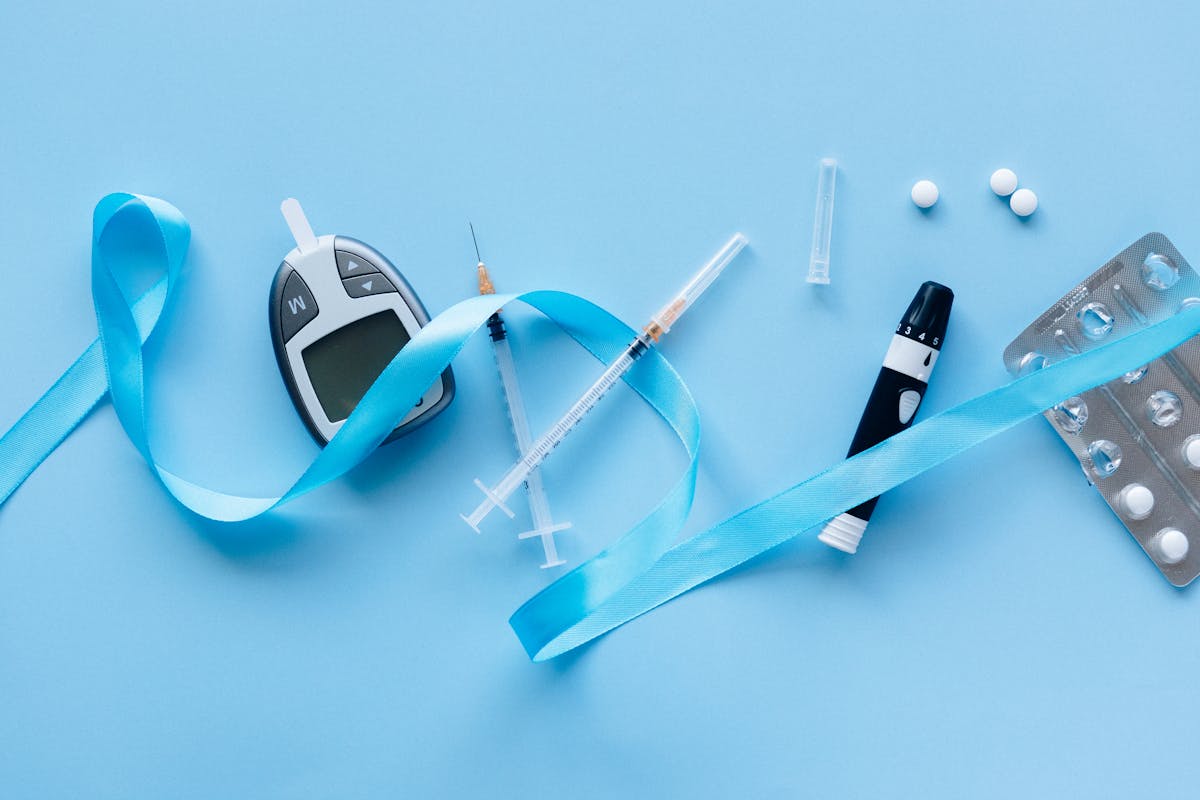
GLP‑1 agonists are medications that mimic glucagon‑like peptide‑1, a hormone your gut naturally releases after you eat. Brands like Ozempic, Wegovy, Rybelsus, Trulicity, Mounjaro, and others were developed primarily for type 2 diabetes, but some are now approved (or prescribed off‑label) for obesity and chronic weight management.
- Regulate blood sugar: They help your pancreas release insulin more effectively.
- Slow gastric emptying: Food leaves your stomach more slowly, so you feel fuller longer.
- Reduce appetite: Signals between your gut and brain shift, so many people simply don’t feel as hungry.
For some users, the change is striking: restaurant portions suddenly feel overwhelming, favorite snacks lose their charm, and a few bites may feel like more than enough. This physical shift is a big reason GLP‑1 drugs are being called “disruptive” in modern diet culture.
Why GLP‑1 ‘Skinny Shots’ Are Trending Right Now
Over the last few years, GLP‑1 drugs have shifted from obscure endocrinology clinics into everyday vocabulary. Several forces are driving this surge in attention:
- Celebrity and influencer chatter
Rumors of “Ozempic bodies” swirl around red carpets, awards shows, and sudden transformations on social media. Some public figures openly share their prescriptions; others stay silent, fueling endless speculation and TikTok side‑by‑sides of “before and after” photos. - A break from traditional dieting
For decades, diet culture pushed willpower: cut carbs, count calories, hustle harder at the gym. GLP‑1 drugs highlight that appetite is strongly biological, not just about discipline. Many people on these medications report, “I’m not dieting. I just get full fast.” - Ethical and access debates
As cosmetic use rises, some people with diabetes struggle with shortages or out‑of‑reach prices. That tension—who “deserves” the drug, and at what cost—turns a personal health decision into a public policy conversation. - Concerns about how people eat less
Eating less isn’t automatically healthier. Dietitians are seeing people who are under‑fueled, skimming through the day on coffee and crackers, or defaulting to ultra‑processed snack foods because nausea makes cooking unappealing. - Open questions about long‑term outcomes
Early research is promising for weight loss and cardiometabolic health, but questions remain about long‑term use: lean mass loss, gallbladder issues, and what happens when people stop the medication.
Many clinicians now describe GLP‑1 medications as a powerful tool—not a magic bullet—and emphasize that nutrition, movement, sleep, and mental health still matter deeply.
How GLP‑1 Drugs Are Rewriting Diet Culture
Diet culture has long equated thinness with virtue and self‑control. GLP‑1 medications complicate that story. When a weekly shot can quiet obsessive food thoughts that someone has battled for years, the idea that weight is purely about “trying hard enough” becomes hard to defend.
At the same time, the term “skinny shot” risks oversimplifying a complex medical treatment into just another aesthetic quick fix. This tension shows up in three big shifts:
- From willpower to biology: People are finally hearing about hormones, appetite regulation, and set‑point theory in mainstream spaces.
- From short‑term dieting to chronic disease framing: Obesity is increasingly discussed as a long‑term condition that may need ongoing treatment, not a 30‑day challenge.
- From one “right” diet to flexible meal templates: Many creators now focus less on strict diet identities (keto, paleo, low‑fat) and more on practical, nutrient‑dense plates that work within smaller appetites.

Eating Well on Ozempic & GLP‑1 Medications: Key Nutrition Priorities
When your appetite shrinks, every bite matters more. Many registered dietitians now build content specifically for GLP‑1 users, focusing on:
- Protein to protect muscle
Rapid weight loss can also mean rapid muscle loss, especially in older adults. Higher‑protein meals—yogurt bowls, eggs, seafood, tofu, beans, cottage cheese, poultry—help protect lean body mass and support metabolism. - Fiber for fullness and gut health
Vegetables, fruits, lentils, chickpeas, oats, and whole grains offer fullness, blood sugar support, and a healthier microbiome—especially important when total food volume is down. - Micronutrient density
With fewer opportunities to eat, it’s easier to fall short on iron, B vitamins, calcium, omega‑3s, and antioxidants. Colorful produce, nuts, seeds, and fortified foods help fill these gaps. - Hydration and gentle meal timing
Slower gastric emptying plus dehydration can worsen nausea and constipation. Sipping fluids, including broths and herbal teas, and eating smaller, more frequent meals often feels better than forcing big plates of food.

The Nutrition Quality Problem: Eating Less, But Not Always Better
Early user stories reveal a common pattern: people lose interest in meals, feel queasy at the thought of cooking, and gradually default to the easiest options in reach. On busy days, that might mean:
- Skipping breakfast and lunch, then nibbling on chips or cookies at night.
- Sipping sweet coffee drinks or soda instead of eating balanced meals.
- Relying mostly on crackers, plain noodles, or ultra‑processed “comfort foods.”
Even with weight loss, this pattern can set the stage for fatigue, hair thinning, constipation, mood changes, and longer‑term nutrient deficiencies. That’s why so many dietitians emphasize “not too little” eating on GLP‑1s—fueling your body enough, even when your hunger cues go quiet.
Ethics, Access, and Health Equity in the GLP‑1 Era
As GLP‑1 “skinny shots” trend on social media, many people living with diabetes or severe obesity face sticker‑shock prices, patchy insurance coverage, or pharmacy shortages. This reality fuels intense ethical questions:
- Is it fair for people to use these drugs mainly for aesthetics while others can’t access them for medical need?
- How should health systems prioritize medication supply during shortages?
- What responsibilities do pharmaceutical companies have around pricing and global access?
At the same time, stigma runs both ways. People who benefit medically from GLP‑1 drugs sometimes feel judged for “taking the easy way out,” while others feel pressure to use them to meet unrealistic body standards. A compassionate, harm‑reduction approach centers each person’s health, history, and autonomy—without glamorizing or shaming medication use.
Long‑Term Questions: What We Know and Don’t Yet Know
Research on GLP‑1 agonists continues to expand rapidly. As of 2026, several themes keep coming up in clinical discussions and conferences:
- Weight regain after stopping: Many people regain at least some weight when the medication is discontinued, suggesting that long‑term treatment may be needed for long‑term results.
- Lean mass and bone health: Protecting muscle and bone density through protein intake and resistance exercise is a major concern, especially in older adults or those losing weight quickly.
- Gallbladder and GI side effects: Rapid weight loss in general—not just GLP‑1 use—has long been associated with gallstones and digestive issues, so clinicians monitor symptoms carefully.
- Psychological adjustment: For some, losing the constant “food noise” is liberating; for others, it can feel disorienting or even grief‑inducing as a once‑central pleasure shrinks.
Because of these unknowns, many healthcare teams frame GLP‑1s as one tool in a broader plan that also includes nutrition counseling, movement, mental health support, and ongoing follow‑up.
The New Wave of GLP‑1 Nutrition Content Creators
On YouTube, TikTok, and Instagram, a new niche has exploded: dietitians and health professionals who create content specifically for people on Ozempic‑type medications. Their feeds are packed with:
- High‑protein, high‑fiber, small‑portion meal ideas.
- Grocery lists designed for low appetite days.
- Tips for managing nausea, constipation, and reflux.
- Reminders not to under‑eat and how to spot red flags for disordered eating.
When done responsibly, this content can be a lifeline—especially for home cooks who feel overwhelmed by changing hunger cues. However, it’s important to distinguish between evidence‑based professionals and accounts that over‑promise, oversell, or promote unsafe under‑eating.
Beyond Fads: Toward Metabolic Health, Medical Tools, and Quality Nutrition
Beneath the trending hashtags and dramatic before‑and‑after photos, something deeper is shifting. Conversations about GLP‑1s are nudging the culture to ask:
- What if weight is not just a reflection of character, but of complex biology and environment?
- How do we support metabolic health—blood sugar, blood pressure, cholesterol—beyond the number on the scale?
- Can we acknowledge the usefulness of medications and still champion joyful, culturally rooted, nutrient‑rich eating?
The answers are still unfolding. What’s clear is that the GLP‑1 era is bigger than Ozempic alone. It’s a turning point in how we think about bodies, health, food, and fairness—and it invites a more nuanced, compassionate approach than “just eat less.”
Gentle Takeaways for Anyone Navigating the GLP‑1 Conversation
Whether you’re considering GLP‑1 medication, using it now, or simply watching the headlines, a few grounded reminders can help:
- Your worth is not defined by your weight, body size, or how you choose to pursue health.
- Medications can be life‑changing tools for some people and not the right fit for others.
- Small, consistent nutrition steps—a little more protein, a few more plants, a bit less chaos around meals—matter more than perfection.
- It’s okay to ask providers hard questions about risks, benefits, cost, and alternatives.
In this new era of “skinny shots,” centering humanity, access, and nourishment—rather than hype—may be the most radical shift of all.
