
Ozempic, ‘Skinny Shots,’ and the New Diet Culture: What GLP‑1 Weight‑Loss Drugs Mean for Real‑World Eating
Ozempic, GLP‑1 Drugs, and the New “Skinny Shot” Era
GLP‑1 weight‑loss drugs like Ozempic, Wegovy, Mounjaro, and Zepbound are reshaping diet culture, celebrity weight‑loss narratives, and everyday conversations about food and long‑term health. Originally created for type 2 diabetes, these medications are now at the center of a new “skinny shot” narrative—one that’s changing how people eat, how they feel in their bodies, and how we talk about weight in public.
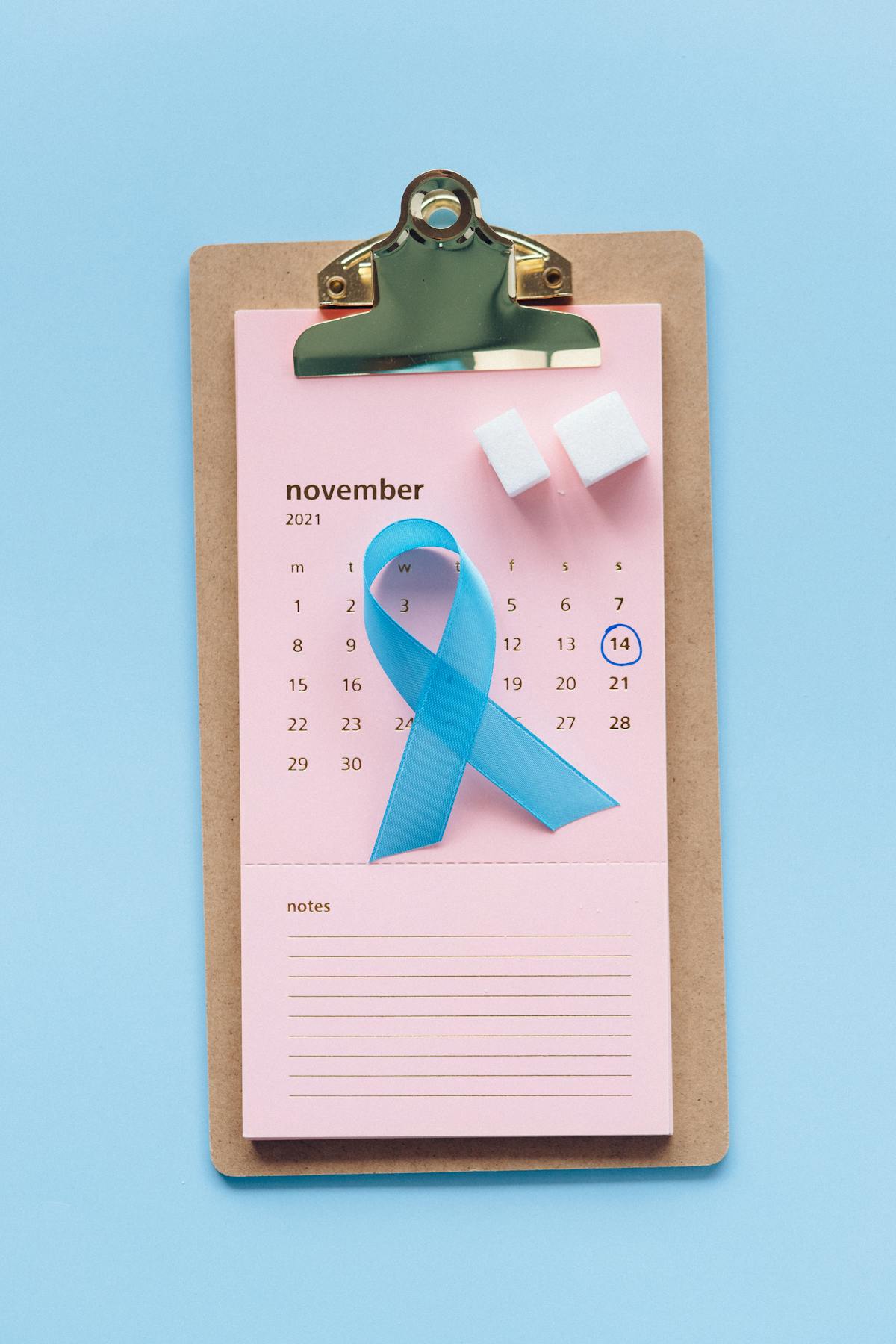
At the same time, these drugs raise big questions: How do you nourish yourself when your appetite drops? What happens to diet culture when a weekly injection can change your hunger cues? And how do we protect mental health and body image in the middle of all this hype?
What Are GLP‑1 Weight‑Loss Drugs Like Ozempic and Wegovy?
GLP‑1 receptor agonists—medications like Ozempic (semaglutide), Wegovy (semaglutide at a higher dose), Mounjaro (tirzepatide), and Zepbound (tirzepatide for obesity)—mimic a naturally occurring hormone called GLP‑1. This hormone helps regulate:
- Appetite and feelings of fullness
- Gastric emptying (how quickly food leaves your stomach)
- Blood sugar control after meals
Many people on GLP‑1 drugs feel full faster, think about food less, and eat significantly smaller portions. In clinical trials and real‑world studies, this can translate into meaningful weight loss and improved markers like A1C and cardiovascular risk for some patients—especially when combined with supportive nutrition and lifestyle habits.

How Ozempic Is Reshaping Diet Culture and Social Media
On TikTok, Instagram, and X/Twitter, GLP‑1 drugs have become a constant presence. Hashtags like #ozempic, #wegovy, #ozempicface, and #weightlossinjections collect millions of views, with:
- Before‑and‑after body transformations
- Day‑in‑the‑life vlogs showing tiny meals and “food noise” fading
- Honest breakdowns of side effects—nausea, fatigue, constipation, changes in body composition
- Speculation about which celebrities might be using “skinny shots”
The tone ranges from celebratory to deeply conflicted. For some, these drugs feel like a long‑awaited medical tool after years of struggling with weight. For others, the visibility of “needle‑based diets” intensifies pressure to shrink their bodies and reinforces the idea that thinner is always better—a message many of us have been trying to unlearn.

On one side, GLP‑1s are hailed as the biggest shift since the low‑fat era. On the other, critics see a new chapter in celebrity diet culture that still puts thinness on a pedestal.
Nutrition on GLP‑1s: Eating Well When You’re Just Not That Hungry
One of the most striking things people report on GLP‑1 drugs is a blunted appetite. Food may lose some of its emotional pull; portions naturally shrink. This can feel liberating after years of intense cravings—but it also makes nourishing your body more challenging.
Dietitians on YouTube, TikTok, and podcasts are emphasizing three big priorities for anyone taking medications like Ozempic, Wegovy, Mounjaro, or Zepbound:
- Protein Intake
Aim to protect lean body mass—especially if you’re active—by targeting roughly 1.6–2.2 g of protein per kilogram of body weight per day (under the guidance of a professional if you have kidney or other health conditions). Think of each eating moment as a chance to get a meaningful hit of protein: Greek yogurt, eggs, tofu, lentils, fish, poultry, or lean meat. - Fiber and Gut Health
Because portions get smaller, it’s easy to under‑eat fiber. However, fiber supports regular digestion—especially important with GLP‑1‑related slowed gastric emptying—and feeds a diverse gut microbiome. Small but potent additions like chia seeds, berries, oats, beans, and colorful vegetables can go a long way. - Nutrient Density
When your “calorie budget” is tighter, every bite matters more. Many clinicians recommend centering meals around nutrient‑dense foods: vegetables, fruits, legumes, whole grains, nuts, seeds, high‑quality proteins, and healthy fats instead of ultra‑processed snacks that crowd out nutrition.
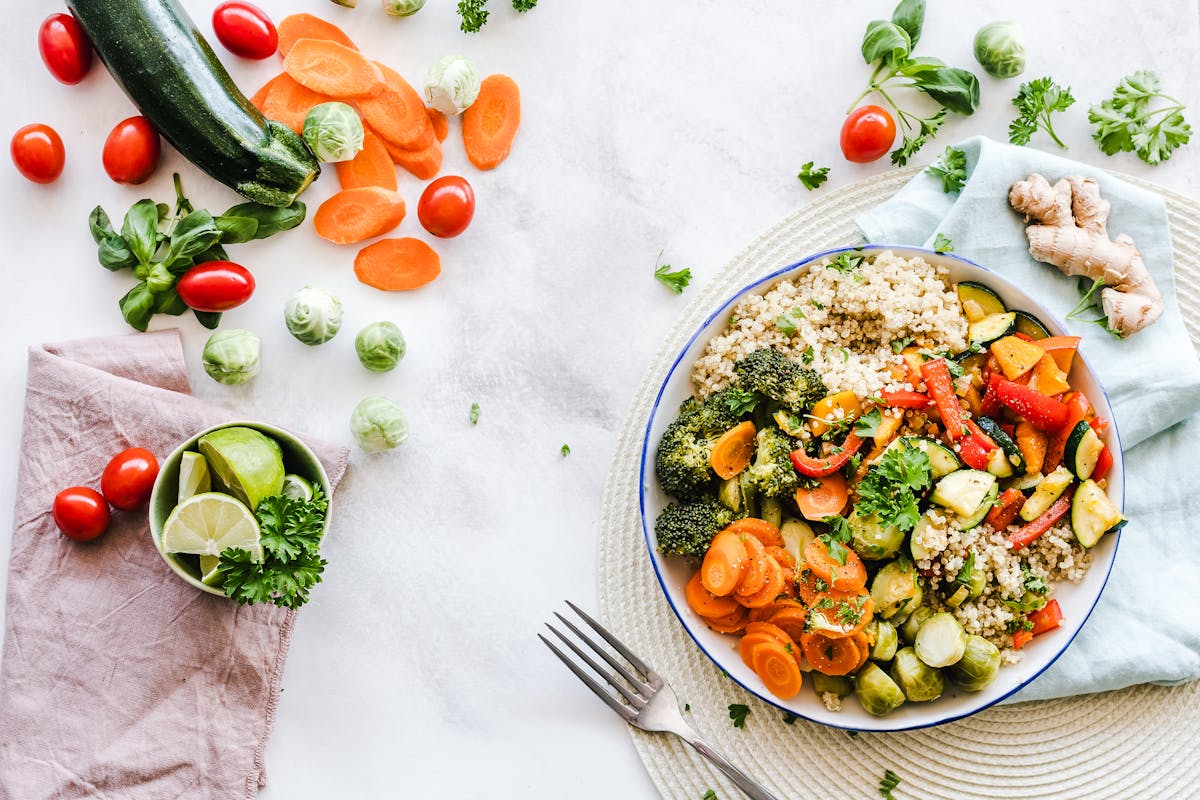
Gentle, Nourishing Meal Ideas for People on GLP‑1 Drugs
When you’re less hungry, cooking can feel emotionally different. You may love food but not crave it in the same way. These meal ideas are designed to be:
- High in protein and fiber
- Easy on the stomach
- Flavorful in small portions
- Friendly for batch‑cooking and reheating
Breakfast & Brunch Ideas
Morning meals don’t have to be huge. Focus on a tasty, satisfying combination of protein and fiber that won’t overwhelm your appetite:
- Greek yogurt parfait with a few spoonfuls of yogurt, berries, chia seeds, and crushed nuts.
- Soft scrambled eggs with spinach and a sprinkle of cheese, served on half a slice of whole‑grain toast.
- Protein oatmeal made with milk or a fortified plant milk, stirred with protein powder and topped with sliced banana.
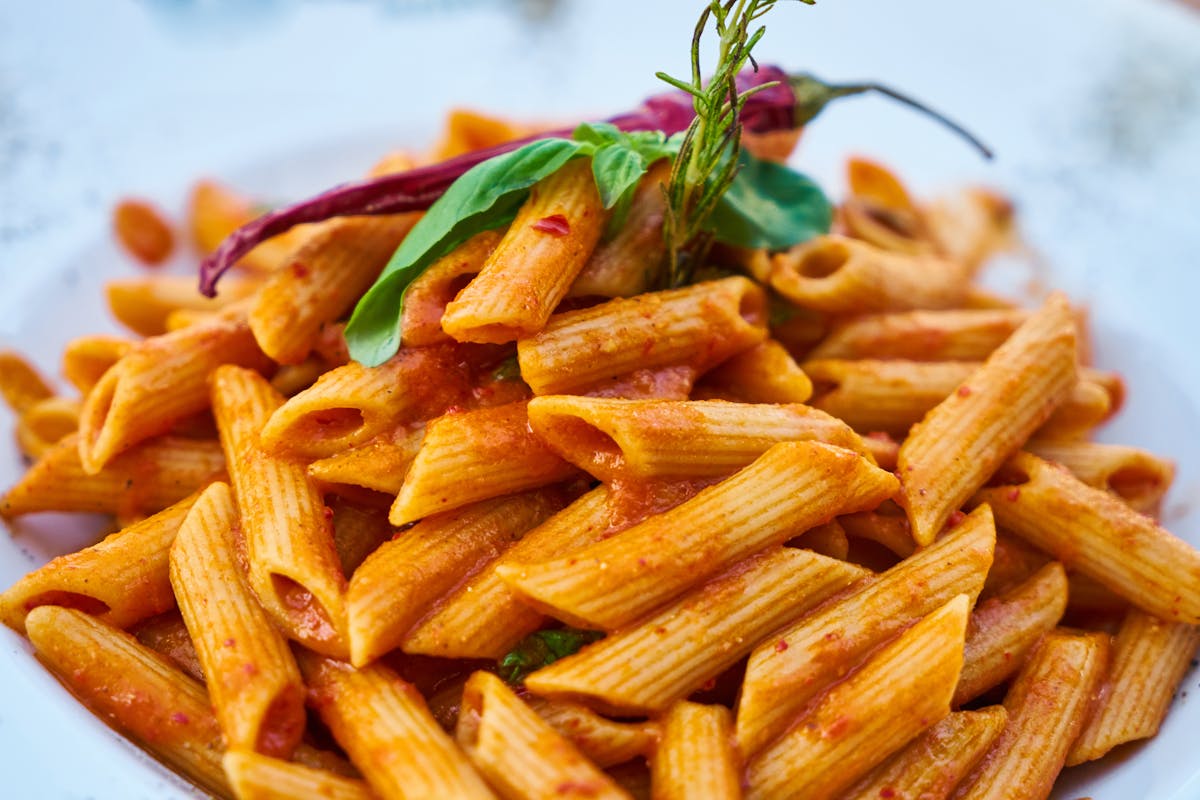
Lunch & Dinner Ideas
Think small, beautifully balanced plates rather than heavy servings:
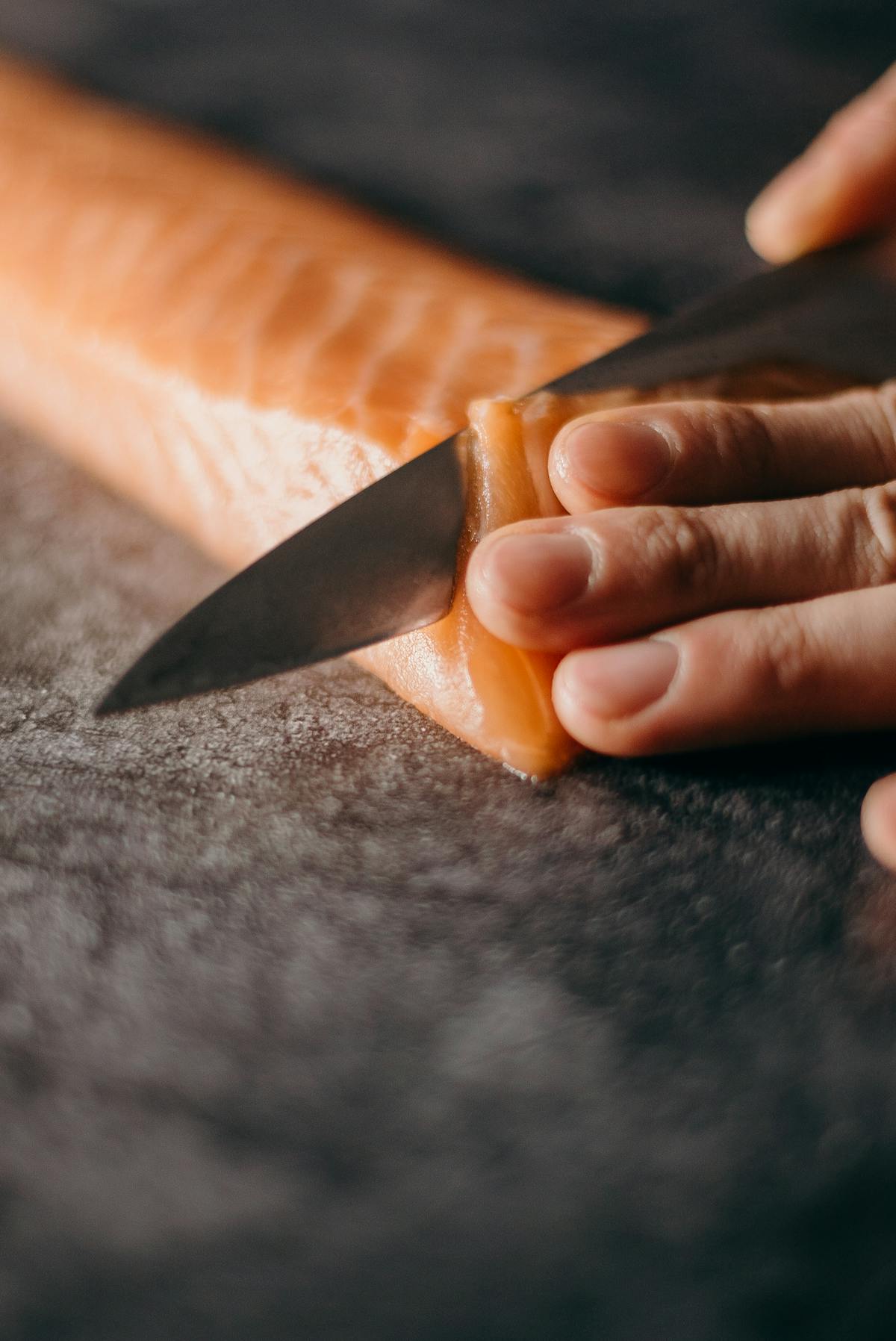
- Grilled salmon over a modest scoop of quinoa and a side of roasted broccoli or Brussels sprouts.
- Bean and vegetable chili with Greek yogurt on top; freeze leftovers in small containers for easy reheats.
- Tofu stir‑fry with mixed vegetables and brown rice, cooked in a light garlic‑ginger sauce.
Snack Ideas That Respect a Smaller Appetite
Gentle, nutrient‑dense snacks can bridge the gap if eating full meals feels difficult:
- A boiled egg and a few cherry tomatoes
- A small handful of nuts with a piece of fruit
- Hummus with cucumber or carrot sticks
- Cottage cheese with pineapple or berries
Common Side Effects, Body Composition, and the “Ozempic Face” Conversation
No medication is side‑effect‑free, and GLP‑1s are no exception. In social media posts and clinical discussions, people most often mention:
- Nausea, especially early on or when doses increase
- Vomiting or reflux in some cases
- Constipation or, less often, diarrhea
- Fatigue or “low‑energy” days
- Changes in taste or reduced interest in previously loved foods
A major concern among clinicians is loss of lean mass—muscle and other fat‑free tissue—especially when weight is dropping quickly and protein intake is low. This is where resistance exercise, adequate protein, and thoughtful nutrition become crucial.
Online, the phrase “Ozempic face” has taken off, referring to the way rapid weight loss can change facial fullness, especially in older adults. Many experts worry that this language can feel shaming and overly cosmetic, reducing a complex medical treatment to memes about appearance.

Mental Health, Stigma, and the Ethics of the “Skinny Shot” Narrative
While GLP‑1s can reduce internalized shame for some people—by framing weight as partly biological and treatable—they can also deepen stigma for others. Many commentators and health professionals are sounding the alarm about:
- Reinforcing thinness as the default goal, rather than a nuanced view of health that includes mental well‑being, strength, and quality of life.
- Access and equity issues—these medications are expensive, not equally covered by insurance, and global shortages can affect people who need them for diabetes.
- Blurring cosmetic and medical use, especially when celebrities promote dramatic body changes without clear context.
Long‑form podcasts featuring endocrinologists, obesity‑medicine specialists, and nutrition scientists are unpacking these themes in detail—raising questions about how GLP‑1s will reshape the multibillion‑dollar diet industry, healthcare costs, and our collective understanding of “healthy weight.”
Framing GLP‑1 drugs as magic “skinny shots” oversimplifies complex science and erases the real lived experiences of people who are managing chronic conditions.
What Happens Long‑Term? Sustainability and Life After GLP‑1s
One of the most important conversations around these medications is what happens in the long run. Early follow‑up data and specialist commentary suggest:
- Weight regain is common when people stop GLP‑1s, especially if they don’t have supportive nutrition, movement, sleep, and stress‑management habits in place.
- Some people may need long‑term treatment to maintain benefits, similar to how we treat other chronic conditions.
- Behavioral support and nutrition counseling can make a significant difference in both health outcomes and quality of life.
From a food perspective, the most sustainable approach is to treat GLP‑1s as one tool, not the entire toolbox. Even if your appetite is low, learning to enjoy balanced meals, practical home cooking, and gentle movement can make any future transitions—whether you stay on medication or not—much smoother.

Key Takeaways: Navigating the New GLP‑1 Diet Culture
GLP‑1 medications like Ozempic, Wegovy, Mounjaro, and Zepbound are transforming how we think about weight, appetite, and nutrition—but they’re not simple or cosmetic “quick fixes.” They’re powerful tools that work best within a broader, compassionate approach to health.
- They can dramatically reduce appetite and support weight loss for many people.
- Nutrition matters more than ever: prioritize protein, fiber, and nutrient‑dense foods.
- Side effects, lean‑mass loss, and long‑term sustainability all need careful attention.
- Social media hype can distort reality—be cautious of oversimplified “skinny shot” stories.
- Body respect, mental health, and equitable access should stay at the center of the conversation.
Wherever you are on your journey—curious, skeptical, using a GLP‑1, or choosing a different path—you deserve information that’s clear, non‑judgmental, and rooted in both science and compassion. Your relationship with food and your body is allowed to be gentle, even in the loudest chapters of diet culture.
