
Ozempic Diets Decoded: How GLP‑1 Weight‑Loss Drugs Are Quietly Rewriting the Rules of Eating
Ozempic, GLP‑1 Drugs, and the New Era of ‘Ozempic Diets’
GLP‑1 weight‑loss medications like Ozempic and Wegovy are changing how we talk about dieting, nutrition, and body weight. Instead of focusing only on willpower and strict meal plans, more people are turning to these prescription drugs while asking a new question: what does healthy eating look like when your appetite is dramatically reduced?
This guide walks through what GLP‑1 drugs do, why “Ozempic diets” are trending, and how to build a nourishing way of eating that supports your health—whether you are on one of these medications or simply curious about the conversation.
What Are GLP‑1 Drugs Like Ozempic and Wegovy?
Ozempic (semaglutide) and Wegovy belong to a class of medications called GLP‑1 receptor agonists. They were originally developed to treat type 2 diabetes and later approved in higher doses for chronic weight management.
GLP‑1 is a hormone your body naturally produces after you eat. It helps:
- Increase insulin release when blood sugar rises
- Slow how quickly food leaves your stomach (gastric emptying)
- Signal your brain that you are full and satisfied
GLP‑1 drugs mimic this hormone, so many people feel full on much smaller portions, think about food less often, and may lose significant weight over time when combined with lifestyle changes.
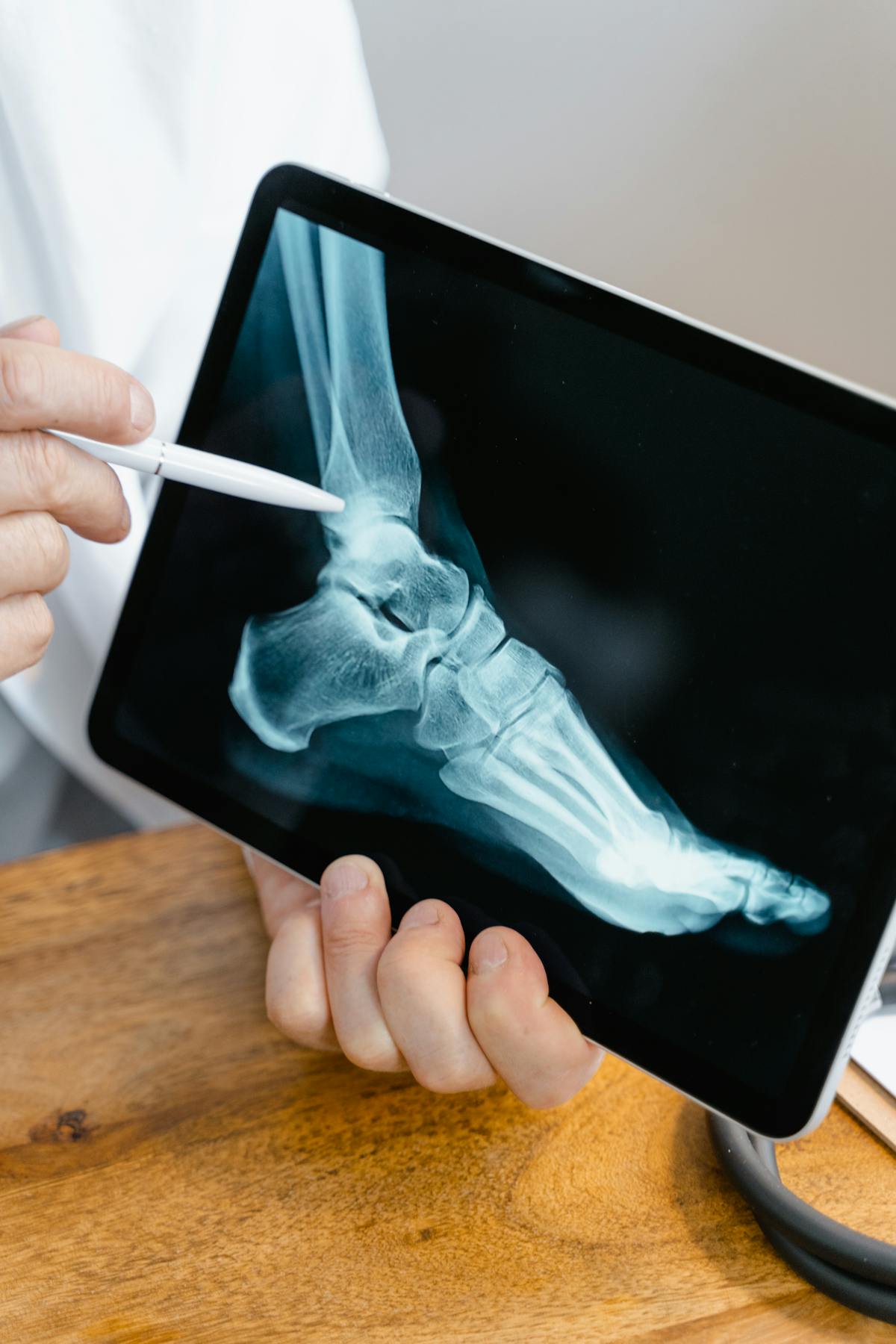
Many people on GLP‑1 medications describe it as “turning down the volume” on food noise, cravings, and constant hunger.
Why ‘Ozempic Diets’ Are Trending Right Now
Over the past few years, Ozempic, Wegovy, and other GLP‑1 drugs have moved from quiet prescription tools to front‑page headlines and viral hashtags. They are now central to conversations about weight loss, celebrity transformations, and even the future of diet culture.
1. Celebrity and Influencer Buzz
High‑profile figures—actors, tech leaders, and reality TV stars—have been openly or speculatively linked to GLP‑1 drugs. This visibility has:
- Driven curiosity about how the medications work
- Boosted interest in “What I eat in a day on Ozempic” content
- Raised questions about whether these drugs replace traditional diet and exercise
2. Huge Search and Social Media Spikes
Across Google, YouTube, TikTok, and Instagram, terms like:
- “Ozempic diet”
- “Ozempic meal plan”
- “Wegovy what to eat”
- “GLP‑1 friendly recipes”
are searched tens of thousands of times. Many creators share daily food logs, side‑effect tips, and before‑and‑after journeys, which further amplifies interest.
3. From Willpower to Metabolism
For decades, diet culture has centered on willpower, restriction, and discipline. GLP‑1 medications highlight that biology and hormones play a major role in appetite and weight. This shift raises important questions:
- How do you protect muscle mass while eating less?
- What does “enough” food look like on a suppressed appetite?
- How do you transition off the medication without rapid regain?

Key Nutrition Themes Behind the Ozempic Diet Trend
Although there is no single, official “Ozempic diet,” a few core nutrition themes consistently show up among clinicians, dietitians, and experienced users. They focus on getting more nutrition from fewer bites.
1. Protein First to Protect Muscle
When appetite drops, total calories and protein often fall too. Without enough protein, you may lose lean muscle along with fat. Many professionals now prioritize:
- 20–30 g protein per meal, when tolerated
- Easy protein options on low‑appetite days: Greek yogurt, cottage cheese, eggs, tofu, protein shakes, beans, lentils
- Soft, tender textures that sit gently in the stomach
From a food‑lover’s perspective, this can mean creamy yogurt bowls, silky scrambled eggs, or slow‑cooked lentil soups that feel cozy and comforting rather than heavy.
2. Whole, Minimally Processed Foods
If you are only eating two or three modest meals, quality really matters. Many GLP‑1‑friendly plans emphasize:
- Lean proteins: fish, poultry, eggs, tofu, tempeh, beans
- Colorful produce: berries, citrus, leafy greens, roasted vegetables
- Fiber‑rich carbs: oats, quinoa, brown rice, whole‑grain bread (if tolerated)
- Healthy fats: avocado, olive oil, nuts, seeds
Think of each plate as a small but mighty bundle of nutrients—vibrant, satisfying, and kind to your digestion.
3. Managing Side Effects With Gentle Foods
Common GLP‑1 side effects include nausea, constipation, and reflux. Nutrition strategies often include:
- Smaller, more frequent meals instead of large portions
- Lower‑fat cooking methods—baking, steaming, poaching, air‑frying instead of deep‑frying
- Hydration + fiber: water, herbal tea, chia seeds, flaxseed, vegetables, or psyllium (if recommended by a clinician)
- Bland, soothing options: broths, oatmeal, bananas, boiled potatoes, plain yogurt, eggs
The goal is food that feels gentle and comforting, with mild aromas and tender textures that don’t overwhelm a slowed‑down stomach.
4. Reduced Interest in Alcohol and Sugar
Many people report that their cravings for sweets and alcohol naturally decrease on GLP‑1 drugs. For some, this becomes an opportunity to reset habits—swapping nightly wine for sparkling water with citrus, or desserts for fresh fruit, yogurt, or a square of dark chocolate.
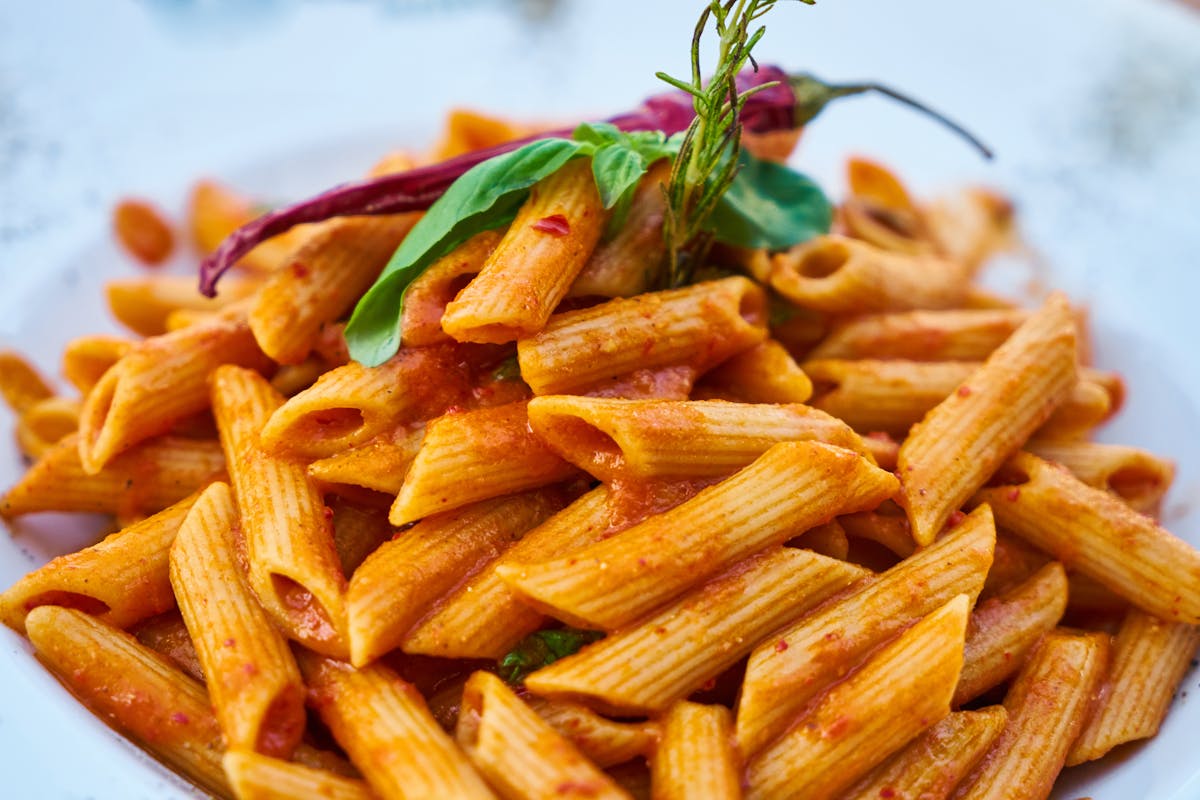
A GLP‑1 Friendly Day of Eating (Non‑Medical Example)
This sample day is purely illustrative—always tailor portions and foods with your healthcare team, especially if you live with diabetes or other health conditions. The focus here is protein, fiber, and gentler textures.
Morning: Soft Protein & Fiber
Option: Greek yogurt bowl with a spoonful of oats, mashed berries, and a sprinkle of chia seeds.
It’s cool, tangy, and creamy, with gentle sweetness and a bit of texture from the seeds—filling but not heavy.
Midday: Lean, Tender Protein
Option: Poached chicken or baked tofu with soft roasted carrots and zucchini over a small scoop of quinoa.
The vegetables are caramelized and sweet, the protein is moist and easy to chew, and the quinoa adds a nutty, delicate bite.
Evening: Cozy One‑Bowl Meal
Option: Lentil and vegetable soup with a splash of olive oil and a side of whole‑grain toast (if desired).
Warm steam carries the aroma of garlic, herbs, and vegetables, while the lentils add velvety texture and satisfying plant protein.
Snacks (Only If Hungry)
- A boiled egg with a pinch of salt and pepper
- Small portion of cottage cheese with cucumber slices
- A handful of nuts with a piece of fruit
- Protein shake made with milk or fortified plant drink

Beyond the Plate: Ethics, Sustainability, and Diet Culture
The “Ozempic diet” conversation is not just about recipes. It touches on access, equity, mental health, and how society thinks about bodies and health.
1. Sustainability and Weight Regain
Many people wonder what happens when they stop GLP‑1 medications. Early research and clinical experience suggest:
- Appetite often increases again
- Some weight regain is common
- Long‑term success may depend on sustainable nutrition, movement, sleep, and ongoing medical support
This makes it even more important to build habits—like prioritizing protein, enjoying whole foods, and finding forms of movement you like—rather than relying on the medication alone.
2. Access and Equity
GLP‑1 drugs can be expensive and may not be covered by all insurance plans. This raises real concerns about who can access these treatments and how that shapes wider conversations about weight, health, and fairness in healthcare.
3. The Future of Diet Culture
Some experts hope GLP‑1s may weaken the grip of extreme fad diets and blame‑heavy narratives around weight. Others worry that:
- Medication‑enabled thinness could become a new, unrealistic standard
- People may feel pressured to medicate their bodies rather than address social, cultural, and environmental drivers of health
Whatever your size, medication status, or goals, you deserve respectful care and a relationship with food that feels nourishing, not punishing.

Practical Tips for Eating Well on GLP‑1 Medications
Whether you are newly prescribed a GLP‑1 drug or just exploring the trend, these practical, food‑focused tips can support a gentler, more sustainable approach to eating.
- Start low, go slow with portions. Let your appetite guide you. Serve less than you think you need; you can always add more.
- Chew thoroughly and eat mindfully. This eases digestion and makes smaller portions feel more satisfying.
- Prioritize protein at each meal. Include a palm‑sized portion of protein whenever you can tolerate it.
- Choose softer textures on queasy days. Think soups, stews, yogurt, mashed vegetables, or soft grains.
- Stay hydrated. Sip water or herbal tea regularly. Some people find room‑temperature or warm drinks easier than ice‑cold beverages.
- Limit very greasy or heavily fried foods. These can worsen nausea and reflux for some users.
- Plan “nourishing defaults.” Keep a few go‑to, gentle meals or snacks on hand so you are not stuck when appetite is low.
- Work with professionals. A registered dietitian and your prescribing clinician can help personalize recommendations to your body and medical history.
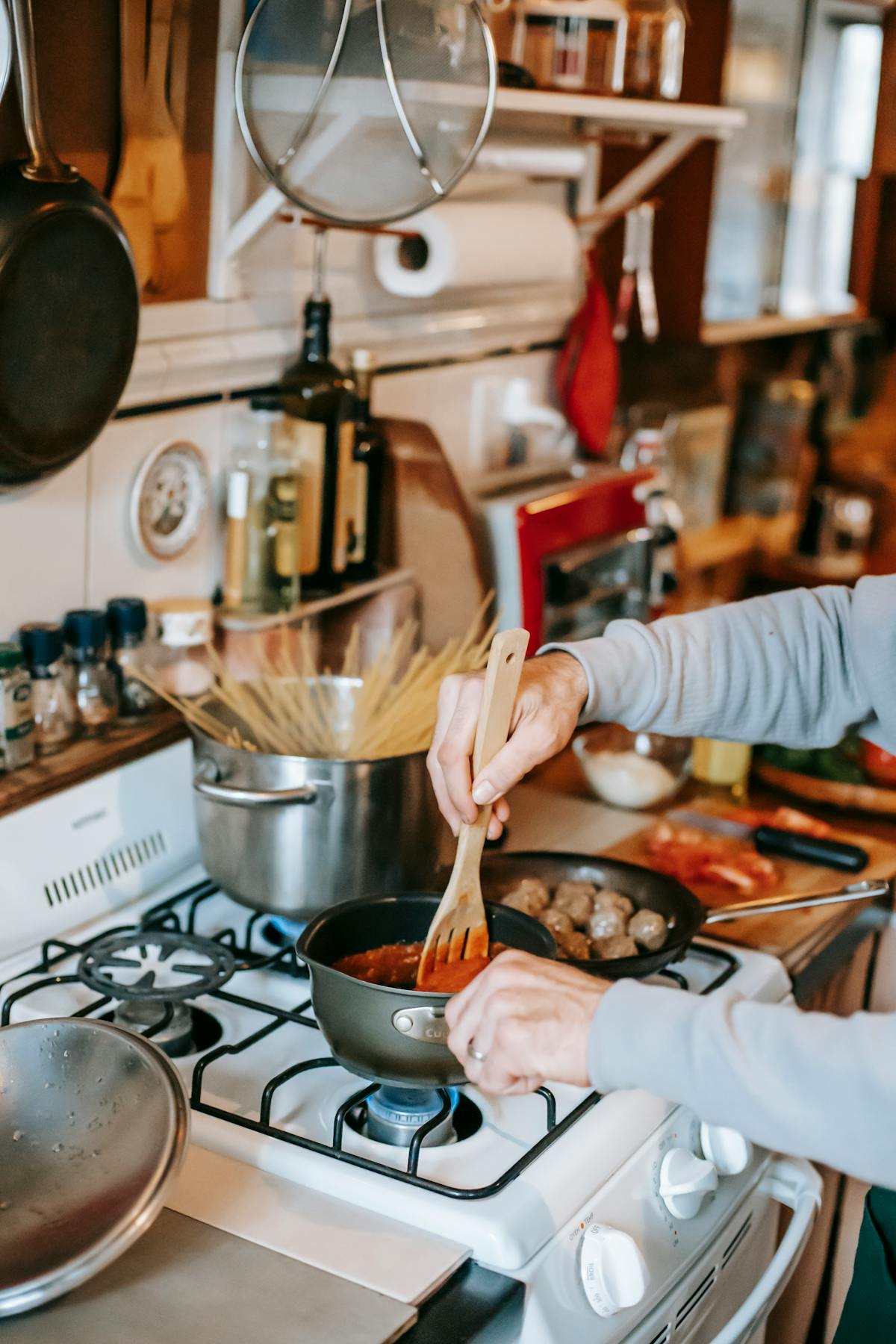
The Big Picture: Rethinking Nutrition in the Ozempic Era
The rise of Ozempic, Wegovy, and other GLP‑1 medications marks one of the biggest shifts in weight‑management in decades. Rather than prescribing a single “Ozempic diet,” the emerging consensus emphasizes:
- High‑quality, protein‑rich, minimally processed foods
- Smaller, more intentional portions guided by hunger and comfort
- Gentle, supportive meals that manage side effects
- A compassionate, long‑term view of health that goes beyond the scale
Whether or not you ever take a GLP‑1 medication, these themes—more nourishment from each bite, less pressure, and more kindness toward your body—can help shape a healthier, more sustainable relationship with food.
