New Mouse Study Warns of Hidden Keto Diet Risks: What It Could Mean for Your Metabolism
What a New Mouse Study Really Says About Keto Diet Risks (And How to Lose Weight Safely)
Evidence-based guidance on ketogenic diets, metabolic health, and safer weight-loss strategies.
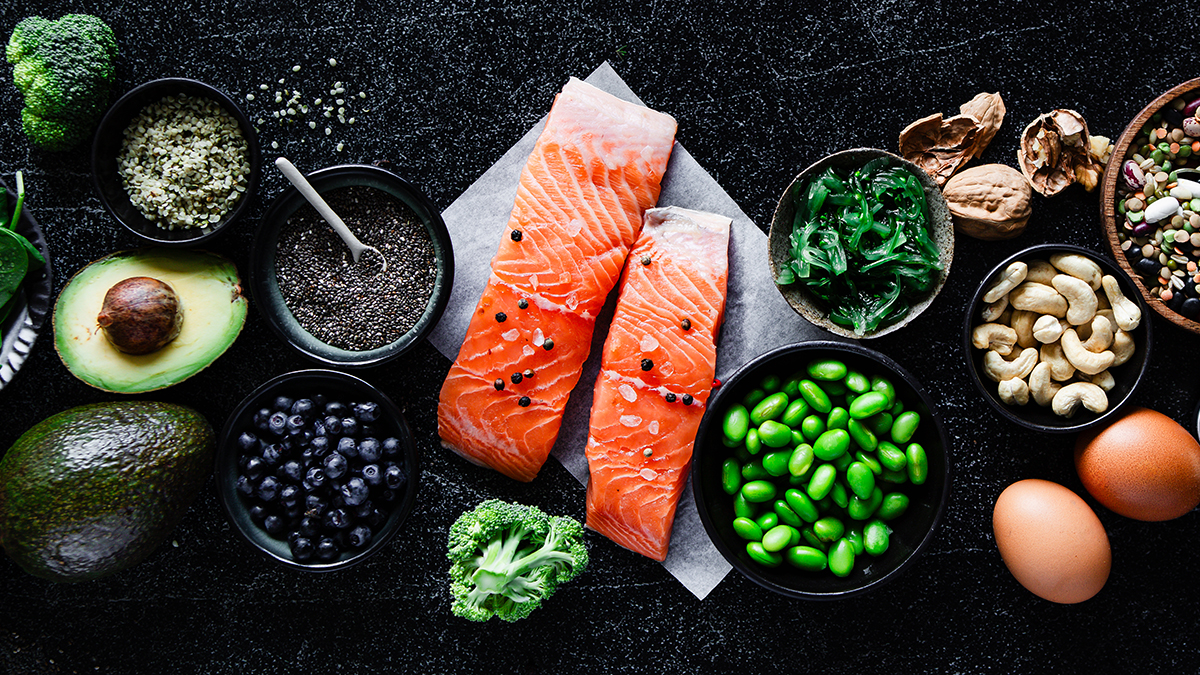
If you’ve ever searched “rapid weight loss,” chances are the ketogenic diet popped up more than once. A high-fat, very low-carb way of eating that promises quick results can sound incredibly appealing—especially when you’re tired of diets that feel slow and frustrating.
Recently, a new mouse study reported by ScienceAlert flagged some serious potential downsides of popular keto-style weight-loss diets. The findings don’t mean everyone on keto is in danger, but they do raise important questions about how long and how strictly we should follow these plans.
In this article, we’ll unpack what this mouse study actually found, what it might mean for humans, and how you can pursue weight loss in a way that protects your long-term health—not just the number on the scale.
The Promise and Problem of Keto: Rapid Weight Loss, Real Concerns
The modern keto diet typically involves:
- Very low carbohydrates (often under 20–50 grams per day)
- High fat intake (70–80% of calories or more)
- Moderate protein
By dramatically cutting carbs, your body shifts into ketosis, using ketone bodies from fat as a major fuel source. Many people experience:
- Rapid initial weight loss (partly water, partly fat)
- Reduced appetite
- Improved blood sugar control in the short term
But the new mouse research suggests that running your body on this high-fat fuel mix for long periods—especially in an extreme form—might come with important metabolic trade-offs.
“Any diet that is powerful enough to change your metabolism quickly also has the power to cause unintended effects. The question is not ‘Is keto good or bad?’ but ‘For whom, for how long, and in what form?’”
— Dr. Imaginary Example, Endocrinologist (paraphrased perspective)
What the New Mouse Study on Keto Diets Actually Found
The ScienceAlert report summarizes research in mice that explored the long-term impact of a high-fat, very low-carbohydrate diet designed to mimic human ketogenic patterns. While exact experimental details vary from study to study, the concerning themes include:
- Metabolic stress over time
Mice initially adapted to the keto-style diet, but with longer exposure some showed signs that their bodies were under metabolic strain, including changes in how they processed fats and sugars. - Potential organ impact
High, sustained fat intake in mice has been linked in several studies to:- Fat accumulation in the liver (non‑alcoholic fatty liver–like changes)
- Changes in heart structure or function in some models
- Inflammatory markers rising over time
- Immune and inflammatory changes
Some mouse data suggest prolonged high-fat feeding can alter immune responses and increase chronic low-grade inflammation, which is associated with cardiometabolic disease in humans. - Weight rebound risk
In certain experiments, once mice were taken off the high-fat regimen, they regained weight quickly and sometimes stored more fat than before, implying that metabolic “whiplash” is a risk.
These findings don’t prove that the same damage will occur in humans, but they do raise flags—especially if someone intends to stay on an extreme high-fat keto diet for years, or uses it in combination with minimal physical activity and low-quality fat sources (e.g., lots of processed meats and butter, few vegetables).
Mouse Study vs. Real Life: What Does This Mean for People on Keto?
Translating mouse data to human health is always imperfect. However, several themes from broader human research on keto and low-carb diets line up with the concerns raised in animals:
- Short-term benefits are real for many people.
Clinical trials show that well-formulated low-carb or ketogenic diets can:- Improve blood sugar and insulin resistance in type 2 diabetes
- Lower triglycerides and raise HDL (“good”) cholesterol
- Lead to meaningful weight loss over 3–12 months
- Long-term data are limited and mixed.
Some observational studies link very low-carb, high-fat patterns (especially with lots of animal fat) to higher mortality, while others show neutral or even beneficial effects when fats come from plant sources (nuts, seeds, olive oil, avocado). - Quality of fats and overall pattern matter.
A “dirty keto” diet—heavy on processed meats, butter, cheese, and low in fiber-rich vegetables—likely carries higher risk than a “Mediterranean-style keto” approach emphasizing fish, olive oil, nuts, non-starchy vegetables, and some plant proteins. - Individual response varies widely.
Genetics, existing health conditions, gut microbiome, and activity levels all influence whether keto helps or harms.
So, the main takeaway isn’t that keto is “bad,” but that extreme, long-term, high-fat keto may come with trade-offs we don’t yet fully understand—echoing the signals seen in mice.
A Real-World Story: Rapid Keto Success… Then Burnout
To ground this in reality, here’s a composite case based on multiple real patients I’ve seen described in clinical reports and practitioner case notes:
“Alex,” a 39-year-old office worker with prediabetes, started a strict keto diet after seeing friends lose weight quickly. In the first 3 months:
- He lost 24 pounds (11 kg).
- His fasting blood sugar normalized.
- He felt energized and proud.
But by month 9:
- He was exhausted from tracking every carb.
- Cravings for bread and fruit were intense.
- Social eating felt stressful and isolating.
When Alex “fell off” the diet, he quickly regained most of the weight—and a bit extra. His labs showed elevated LDL cholesterol, and his doctor noted mild liver enzyme elevations, prompting further evaluation.
This doesn’t prove keto caused all his issues, but it illustrates a common pattern: a strong initial benefit followed by burnout, rebound weight gain, and possible metabolic strain, which aligns with some of the mouse data on weight regain and organ stress after high-fat feeding.
Before and After: Short-Term Keto vs. Long-Term Health

Typical “Before” (Pre-Keto)
- High refined carbs, sugary drinks, and snacks
- Low fiber, few vegetables
- Weight gradually increasing; fatigue common
Short-Term “After” (First 3–6 Months on Keto)
- Noticeable weight loss
- Better blood sugar and less hunger for many people
- Diet feels structured and purposeful
Potential Long-Term Reality (1–3 Years Later)
- Diet fatigue and social stress
- Difficulty maintaining extreme carb restriction
- Unknown long-term impact on liver, heart, and metabolism (mouse data signal possible risk)
How to Use Keto More Safely (If You Choose to Use It at All)
If you’re already on keto or considering it, you don’t necessarily have to abandon it. Instead, you can adjust your approach to reduce potential risk—especially in light of animal data suggesting harm from long-term, very high-fat intake.
1. Think in Phases, Not Forever
Rather than planning to stay in deep ketosis indefinitely, consider:
- Initial phase (8–12 weeks): Structured keto under professional guidance to kick-start weight loss or improve blood sugar.
- Transition phase: Gradually reintroduce nutrient-dense carbohydrates (berries, beans, whole grains) while watching your weight and labs.
- Long-term phase: Settle into a moderate-carb, high-fiber, minimally processed eating pattern that you can truly live with.
2. Prioritize “Clean” Fats and Whole Foods
To reduce the kinds of risks hinted at in high-fat mouse diets, focus on:
- Olive oil, avocado, nuts, seeds, and fatty fish
- Limiting processed meats and excessive butter/cream
- Plenty of non-starchy vegetables for fiber and antioxidants
3. Monitor Your Health Markers Regularly
Work with your clinician to track:
- Weight, waist circumference, and blood pressure
- Fasting glucose, HbA1c (for blood sugar)
- Lipid panel (LDL, HDL, triglycerides)
- Liver enzymes and kidney function
If any of these move in the wrong direction, it’s a signal to adjust your diet—regardless of weight loss.
4. Pair Diet With Movement
Many mouse models involve high-fat diets and low activity, which worsens outcomes. In humans, regular movement can:
- Protect the liver and heart
- Improve insulin sensitivity
- Help preserve muscle mass while losing fat
A Practical 7-Step Plan for Safer, Sustainable Weight Loss
Whether you use keto, a moderate low-carb plan, or another evidence-based approach, these steps can help protect your metabolism:
- Clarify your “why.”
Is your main goal a number on the scale, better energy, improved labs, or something else? Your answer shapes which diet is right for you. - Consult a professional.
Especially if you have diabetes, heart disease, high cholesterol, or kidney problems, get input from a clinician or dietitian. - Choose a starting pattern.
This might be a time-limited keto phase, a moderate low-carb plan, or a Mediterranean-style diet with portion control. - Set check-in points.
Plan to reassess at 4, 8, and 12 weeks: How do you feel? How are your labs? Is the diet realistic? - Prioritize protein and fiber.
These help protect muscle mass and gut health, and can mitigate some of the downsides of high-fat intake. - Plan for maintenance from day one.
Write down how you’ll transition from “diet mode” to “maintenance mode” before you start. This reduces rebound risk. - Watch your mental health.
If food anxiety, guilt, or social isolation increase, that’s a real cost. Your plan may need softening or changing.

Common Keto Struggles—and How to Navigate Them Safely
- “Keto flu” and fatigue
Why it happens: Fluid and electrolyte shifts, abrupt carb withdrawal.
What helps: Stay hydrated; ensure adequate sodium, potassium, and magnesium; consider a more gradual carb reduction. - Constipation
Why it happens: Low fiber intake.
What helps: Increase low-carb vegetables, chia/flax seeds, and consider a fiber supplement if approved by your clinician. - Cholesterol changes
Why it matters: Some people see a sharp rise in LDL cholesterol on high-fat keto diets.
What helps: Shift fats toward olive oil, nuts, seeds, avocado, and fatty fish; reduce saturated fats; recheck labs. - Social and emotional stress
Why it happens: Restrictive rules make eating out and family meals harder.
What helps: Build in flexible meals; choose a diet that allows some favorite foods; seek support rather than going it alone.

What the Broader Science Says About Keto and Metabolic Health
While the new mouse study raises fresh concerns, it fits into a larger scientific conversation:
- Type 2 diabetes: Multiple clinical trials show that low-carb and ketogenic diets can improve blood sugar control and reduce diabetes medications for some patients, especially in the first 6–12 months.
- Epilepsy: Keto is an established, evidence-based treatment for drug-resistant epilepsy—often supervised closely in medical settings due to its intensity.
- Cardiovascular risk: Effects on heart disease risk are complex and vary by the types of fat consumed, baseline risk, and how long the diet is followed.
- Longevity: Large population studies generally favor dietary patterns rich in whole grains, fruits, vegetables, legumes, nuts, and olive oil, with moderate—not extreme—macronutrient ratios.
This context supports a careful, individualized approach: keto can be a therapeutic tool in specific situations, but using it as a one-size-fits-all, long-term lifestyle—especially in a “dirty” form—may not align with what we know supports lifelong health.
Moving Forward: Protecting Your Health While Pursuing Weight Loss
The new mouse study highlighted by ScienceAlert is an important reminder: rapid weight loss is only helpful if the path you take doesn’t undermine your long-term health.
You deserve more than a short-lived victory on the scale. You deserve a way of eating that:
- Supports your liver, heart, and metabolic health
- Fits your life, your culture, and your social world
- Feels sustainable months and years from now
If you’re currently on keto, consider this your nudge to check in with your body, your labs, and your lifestyle. If you’re considering starting, use this moment to plan a balanced, time-limited, and monitored approach rather than going all-in indefinitely.
Your next step:
- Write down your top 3 health goals (not just “lose weight”).
- Schedule a conversation with your healthcare provider or dietitian about the best dietary approach for you.
- Choose one small, sustainable change you can make this week—whether it’s adding a daily walk, swapping sugary drinks for water, or building more vegetables into your meals.
Change doesn’t have to be extreme to be effective. Consistent, compassionate steps—guided by evidence rather than hype—are what truly shift your health trajectory.