
Netflix Hits Pause on Alex Honnold’s ‘Skyscraper Live’ Taipei 101 Stunt After Weather Washout
Netflix has delayed Alex Honnold’s live “Skyscraper Live” ascent of Taipei 101 in Taiwan due to rain, pushing the stunt by a day and instantly turning a routine weather decision into a bigger story about how streaming platforms handle high-risk, real-time spectacle. What might look like “just” a scheduling tweak is actually a window into how far Netflix is willing to go to own appointment viewing in the age of on-demand.
Alex Honnold, Netflix, and the High-Wire Act of Live Event TV

What Is ‘Skyscraper Live’ and Why Taipei 101?
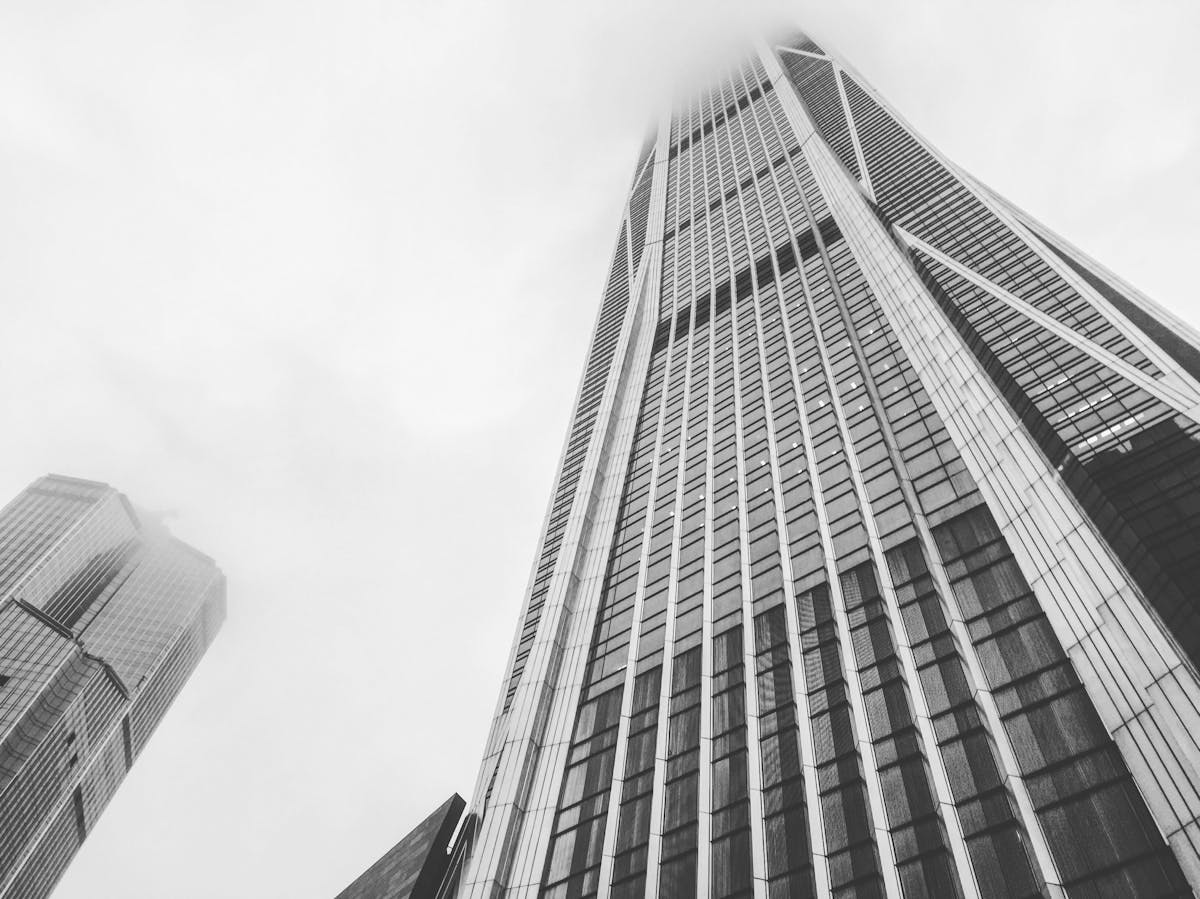
“Skyscraper Live” is Netflix’s latest experiment in live entertainment: a real-time broadcast following legendary free solo climber Alex Honnold as he scales Taipei 101, the 1,667-foot-tall icon of Taiwan’s skyline. It’s part climbing documentary, part global sports event, and part media flex from a streamer eager to prove it can do live programming at scale.
For anyone who came to Honnold through the Oscar-winning documentary “Free Solo”, this is a familiar setup with a twist. Instead of a remote granite monolith like El Capitan, the canvas is hyper-urban: glass, steel, geometry, and a live audience watching every move in real time.
As a location, Taipei 101 is more than backdrop; it’s a statement. It ties Honnold’s reputation for raw mountain exposure to a tech-forward, global city, and it lets Netflix frame the event as both an athletic challenge and a piece of architectural theater.
Why Netflix Postponed the Live Climb: When Weather Beats Hype
The initial live broadcast was pushed back because of rain on site in Taipei. For a high-angle climb on glass and metal surfaces, moisture isn’t just inconvenient—it’s a non-starter. Even if the production could power through with cameras and drones, Honnold can’t “act” his way around a wet foothold hundreds of meters above ground.
In practical terms, the delay means the climb moves to Saturday night local time, a relatively small adjustment on the programming grid but a big one in terms of safety optics. Streaming platforms live and die by momentum, but they also can’t be seen nudging an athlete toward reckless conditions.
“The rule is simple: if the conditions aren’t right, you don’t climb. The rock—or in this case, the building—doesn’t care about your schedule.”
That ethos, long established in the climbing community, bumps up against the realities of global live television, where sponsors, crews, and time zones are synchronized around a start time. The postponement is Netflix effectively saying: we want a viral moment, but not that kind of viral.
Safety vs. Spectacle: The Free Solo Brand on a Skyscraper
Honnold’s public image is a paradox: he’s become a mainstream symbol of extreme risk precisely because he’s methodical, data-driven, and unusually candid about fear and consequence. “Free Solo” worked, in part, because the film showed just how unromantic his preparation really is.
Translating that to a skyscraper complicates things. On natural rock, variables are intimate and mostly analog: texture, temperature, wind. On a high-rise, there are building codes, polished surfaces, camera rigging, drones, city permits, and the inevitable question of whether fall protection is involved—and how transparent the production will be about it.
“The scariest thing about free soloing is that you can’t make a single mistake. That’s why the preparation is almost boring—it has to be.”
The delay, viewed through that lens, actually reinforces Honnold’s persona. A willingness to walk away from a bad-weather day is completely in character, even if millions of Netflix accounts were already being primed for a night of engineered adrenaline.
Netflix’s Live-Gambling: From Comedy Specials to Extreme Sports
“Skyscraper Live” slides neatly into Netflix’s broader push into live events—think Netflix live comedy specials, experiments with awards shows, and dabbling in live sports and competition formats. The streamer is chasing the one thing its on-demand library can’t inherently provide: the fear of missing out.
A live climb is about as pure an expression of that strategy as you can get: unedited tension, genuine stakes, and a clear you-had-to-be-there energy. But that also means it’s uniquely vulnerable to things like weather, public safety perception, and the moral queasiness some viewers feel about packaging potential disaster as entertainment.
- Upside for Netflix: Global buzz, social media virality, differentiation from rival streamers.
- Risk: Technical failure, safety incidents, or backlash if the event feels exploitative.
- Creative challenge: Balancing real risk with responsible framing and transparency.

Early Reaction: Hype, Nerves, and Ethical Questions
Even before the weather delay, “Skyscraper Live” had critics and fans split between awe and anxiety. On one side, you have viewers who see it as a natural evolution of adventure storytelling—what live TV always wanted to be but rarely could, thanks to technical limits. On the other, people worried that the event commodifies mortal risk in a way that’s hard to justify, no matter how much safety planning sits just off camera.
4/5 – “As a feat of live production and a portrait of human focus, it’s gripping. As an ethical proposition, it’s far less comfortable.”
The postponement adds another layer: it shows the production is willing to pump the brakes, but it also extends the promotional drumbeat, heightening both anticipation and unease. Social feeds quickly filled with equal parts “this is going to be incredible” and “I’m not sure I actually want to see this if something goes wrong.”

How ‘Skyscraper Live’ Fits into a History of Televised Daring Feats
Netflix isn’t first to this party; it’s just arriving with a bigger platform and a more streaming-native audience. Television has long courted the spectacle of danger, from Evel Knievel’s motorcycle jumps to Philippe Petit’s World Trade Center tightrope walk (later dramatized in “The Walk”) and more recent live wire-walk specials.
- Classic stunt TV: Network specials built around a single “can he pull this off?” moment.
- Adventure docs: Cinema verité climbing and mountaineering films, often released after the fact.
- Hybrid streaming era: High-production, globally marketed events blending sports, documentary, and reality TV.
What separates “Skyscraper Live” is the marriage of a streamer’s data-driven ambition with a climber whose persona is rooted in meticulous control. It’s an uneasy but undeniably watchable combination, especially with modern drone cinematography and ultra-high-definition streaming turning every tiny hold into a massive, living-room-sized image.
How to Watch, and What to Expect When the Climb Finally Happens
Once weather conditions cooperate, “Skyscraper Live” will stream on Netflix as a scheduled live event, with local timing anchored to Taipei’s Saturday night window. Viewers can expect a multi-camera setup: aerial drones, long-lens city views, body-mounted cameras, and a broadcast team filling the inevitable downtime as Honnold moves carefully up the structure.
In terms of tone, anticipate something between a major sports broadcast and an elevated documentary: pre-taped segments on Honnold’s preparation, explainer graphics about the route and building design, and expert commentary from climbers or engineers contextualizing each section of the ascent.
- Check the official Netflix listing for updated local start times.
- Expect pre-show coverage building backstory and technical context.
- Be prepared for further delays if conditions shift again—weather remains the unquestioned showrunner.
The Bigger Picture: Weather Delays, Human Limits, and Streaming’s Future
The rain delay for “Skyscraper Live” is, on its surface, an ordinary call in an outdoor sport: you don’t climb when it’s wet. But for Netflix, it’s also a reminder that live programming means embracing genuine uncertainty—technical, environmental, and human—in a way algorithm-tuned recommendation rows never have to.
When Honnold does step onto Taipei 101, he’ll be carrying more than chalk and experience; he’ll be shouldering a new kind of media experiment where authenticity, risk, and corporate ambition are all roped together. Whether you tune in out of admiration, morbid curiosity, or cultural FOMO, the postponed climb has already done something rare in the streaming age: it’s made a specific night on the calendar feel suddenly, unmistakably live.
