
Mystery in Pacific Heights: Mountain Lion Roams San Francisco’s Streets in Rare Urban Sighting
Mountain Lion in Pacific Heights: When Wildlife Walks the Streets of San Francisco
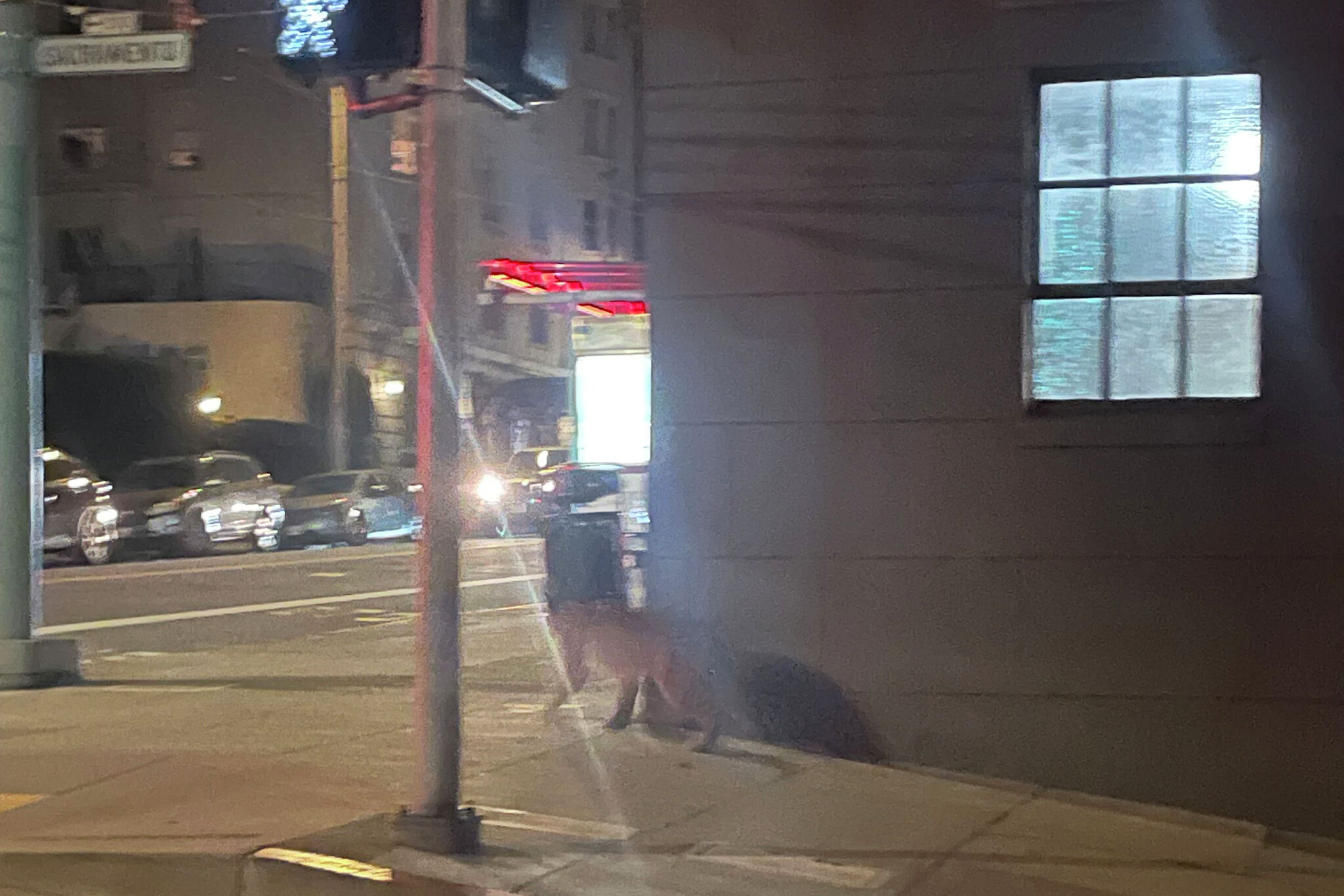
A mountain lion spotted and captured on video in San Francisco’s Pacific Heights has turned a quiet Monday morning commute into an unexpected wildlife story. Filmed and then reportedly seen blocks away later in the day, the puma’s urban stroll has sparked equal parts fascination and anxiety, as residents wonder how a big cat ended up near the corner of Sacramento and Gough streets and what, exactly, they’re supposed to do if they meet one on their way to work.
In a city better known for tech IPOs and sourdough than apex predators, the Pacific Heights puma instantly joined the canon of “only in San Francisco” headlines. But strip away the novelty, and this is part of a larger West Coast trend: wild animals are increasingly testing the edges of urban space, and cities are having to adapt.
How a Puma Ends Up in a Neighborhood Like Pacific Heights
Mountain lions (also called cougars, pumas, or panthers depending on regional slang) are shy, solitary predators that typically avoid humans. In California, they’re most often found in foothills and forested areas—think Marin Headlands, Santa Cruz Mountains, or the East Bay hills—not on city sidewalks flanked by Victorians and Teslas.
Yet this isn’t the first time the Bay Area has seen big cats wandering through developed areas. Over the last decade, there have been periodic sightings in San Mateo County suburbs, along the Peninsula, and even elsewhere in San Francisco. The city’s unusual geography—wedged between the Pacific Ocean and more rural, hilly counties—means a determined mountain lion can, in theory, follow creek corridors, park greenbelts, or freeway-adjacent slopes right into town.
The Pacific Heights Sighting: What We Know
According to early reports, resident Melanie Thai spotted the cat as she was leaving for work early on January 26, 2026, near Sacramento and Gough streets. Video footage appears to show a mountain lion moving along an urban block before leaping into a nearby area—likely in search of cover.
Officials later confirmed that the same or a similar puma was reportedly seen again a few blocks away, suggesting that the cat was actively navigating the neighborhood rather than just darting across a single intersection and disappearing.
“A mountain lion has been captured on video then seen blocks away later on Monday, officials said.”
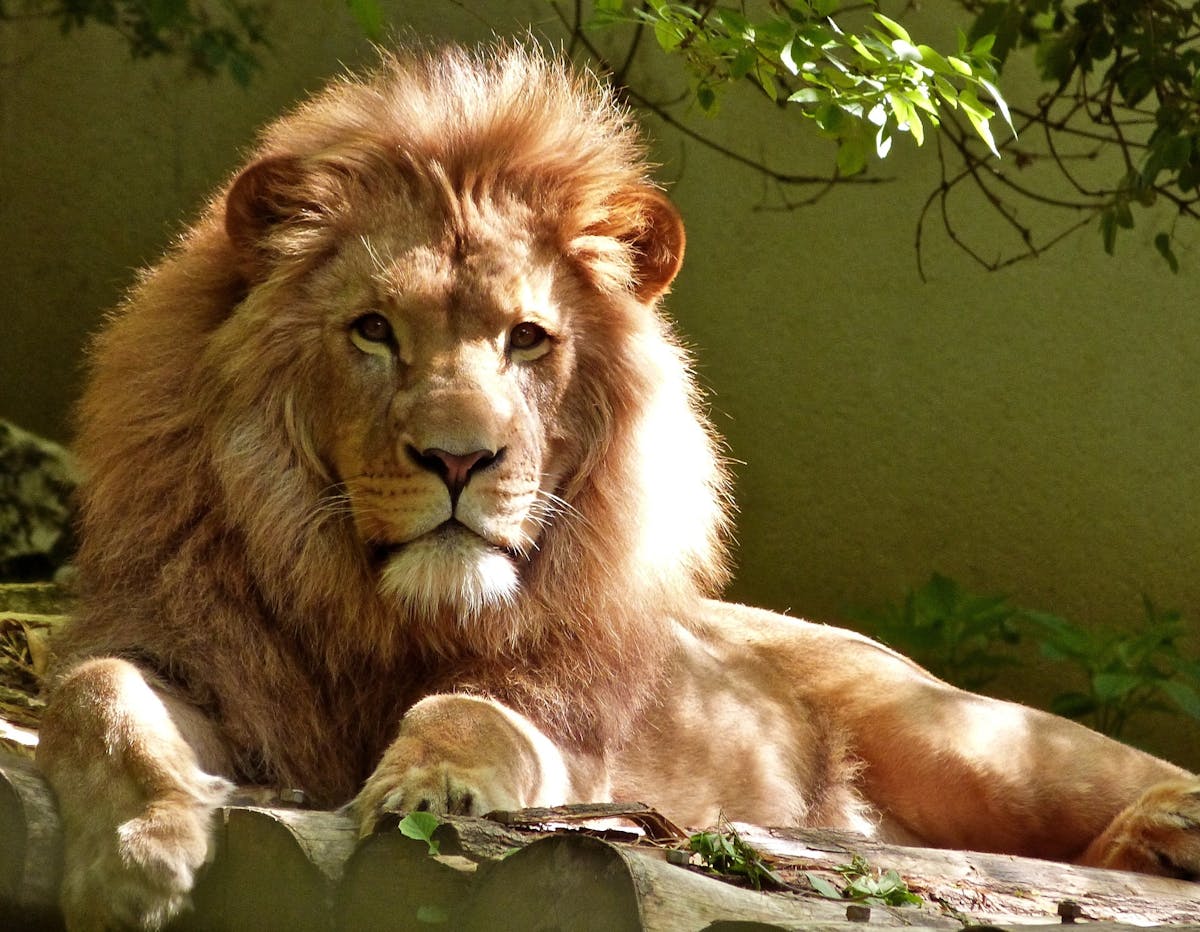
While the novelty of “puma in Pacific Heights” is undeniable, wildlife experts tend to see a fairly familiar pattern: a younger, dispersing cat, likely male, pushed out of its home territory and exploring new ground. These exploratory journeys can cover many miles and occasionally bring animals into fully urban spaces.
Safety First: What Residents Should—and Shouldn’t—Do
The San Francisco story quickly jumped from “wild” to “what now?” Urban dwellers aren’t exactly trained for mountain lion etiquette, but there are well-established safety guidelines from agencies like the California Department of Fish and Wildlife (CDFW) and the National Park Service.
If You Spot a Mountain Lion
- Stay calm; do not run. Running can trigger a chase response.
- Make yourself look bigger—raise your arms, open your jacket, stand tall.
- Maintain eye contact and speak firmly but calmly.
- Back away slowly, giving the animal space to escape.
- Pick up small children or pets without bending down if possible.
- Call local authorities or animal control to report the sighting.
What Not to Do
- Don’t approach for photos or video; zoom exists for a reason.
- Don’t corner or block the animal’s escape route.
- Don’t attempt to feed or lure the animal.
- Don’t leave pets unattended outside, especially at night.
Why Mountain Lions Wander Into Cities
The Pacific Heights incident isn’t random chaos; it’s part of a broader ecological story playing out across the American West. As human development pushes further into wild habitats, animals adapt—or at least attempt to navigate the fragmented landscapes we’ve created.
Young mountain lions, especially males, often roam long distances looking for unclaimed territory. They follow green corridors like creek beds, park systems, and golf courses—anything that offers cover and prey. In a region like the Bay Area, those corridors can funnel animals straight into city limits.
In urban ecology terms, a wandering puma is less a glitch in the matrix and more a reminder that the matrix sits on top of a much older operating system: the local ecosystem.
There’s also a quieter climate angle. As drought, fire, and shifting weather patterns alter where prey animals live and how vegetation grows, predators sometimes widen their search range. A city may not be ideal habitat, but it can be a temporary passage when the usual routes are disrupted.
Urban Legends, Social Media, and the “Cougar in the City” Trope
The Pacific Heights puma immediately tapped into a long-running cultural fascination: wild animals breaking the invisible barrier between “out there” and “right here.” In the social media era, that fascination is turbocharged—grainy security footage and smartphone clips get shared, memed, and turned into neighborhood folklore almost instantly.
San Francisco in particular has a history of transforming odd moments into city lore. Coyotes in Golden Gate Park have inspired everything from local news features to unofficial mascots. Add a mountain lion into the mix in one of the city’s most affluent neighborhoods, and you get instant headline magnetism:
- It plays into the “nature is healing” narrative that spiked during quieter pandemic-era streets.
- It riffs on class dynamics—when wildlife shows up in upscale zip codes, the story gets louder coverage.
- It fuels tech-era jokes about “new SF” versus “wild California,” often in the same Twitter thread.

The risk, of course, is that a very real safety and conservation issue gets flattened into a novelty clip. The best coverage threads the needle: treat the story with the wonder it deserves without turning a stressed wild animal into a punchline or a prop.
What This Means for San Francisco’s Future With Wildlife
Every high-profile sighting becomes a kind of test case for how a city handles wild animals at its edges. In San Francisco, that evolving playbook now includes coyotes, hawks, raccoons, and the occasional wayward seal or sea lion. A puma raises the stakes simply because of its size and strength.
Smart urban policy treats these events as data, not flukes. That can mean:
- Mapping likely wildlife corridors into and out of the city.
- Coordinating between city agencies, CDFW, and regional park districts.
- Updating public communication strategies so residents get clear, calm guidance—fast.
- Designing parks and green spaces with both biodiversity and human safety in mind.
In that sense, the Pacific Heights puma isn’t just a local oddity. It’s part of a broader, ongoing negotiation between urban life and the ecosystems we sit inside, whether we choose to notice them or not.
Where to Watch, Read, and Learn More
For those who want to go beyond a single viral clip and understand the bigger picture, there’s a surprisingly rich ecosystem of media around mountain lions and urban wildlife.
Recommended Viewing & Reading
- Local coverage: San Francisco Chronicle – Mountain lion spotted in Pacific Heights
- Background on California cougars: “The Cat That Changed America” (documentary on L.A.’s P-22 and wildlife crossings).
- Science explainer: National Geographic – Mountain lion facts and conservation status .
If and when official agencies release more footage or statements regarding the Pacific Heights lion, they’re most likely to appear first via trusted outlets—local newsrooms and government sites—rather than viral re-uploads stripped of context.
The Big Cat, the Big City, and What Comes Next
A mountain lion crossing Sacramento and Gough is jarring because it collapses distance: the “wild” we like to imagine as far away is suddenly standing under a streetlight. Yet in ecological terms, the Pacific Heights puma is less an intruder than a reminder that the Bay Area is still part of a much larger living landscape.
How San Francisco responds—balancing public safety, calm communication, and respect for a protected predator—will help shape the next chapter in its relationship with urban wildlife. Whether the cat quickly slips back to the hills or becomes part of an ongoing pattern, the message is clear: the edges of the city are more porous than we think, and learning to coexist is no longer optional; it’s the new normal.
