
Mushroom Mania: Why Lion’s Mane, Reishi & Functional Fungi Are Taking Over Modern Super-Foods
Mushroom Mania: Lion’s Mane, Reishi & Functional Fungi as Modern Super‑Foods
Functional mushrooms like lion’s mane, reishi, chaga, cordyceps, and turkey tail have stepped out of the forest and onto our social feeds, showing up in coffee mugs, smoothie shakers, snack bars, and supplement bottles. Between the earthy aroma of a freshly brewed lion’s mane latte and the deep, woodsy scent of reishi evening tea, these fungi are being embraced as modern “super‑foods” for focus, immune support, and stress resilience—though the real story is more nuanced, and far more delicious, than the hype alone.
Below, you’ll find an evidence‑aware overview of this functional mushroom trend, plus a generous, golden‑crusted lion’s mane “crab” cake recipe that turns this star fungus into a cozy, seafood‑style dinner—no powders required, just real food and a warm skillet.

Why Functional Mushrooms Are Everywhere Right Now
Scroll through TikTok, YouTube, or wellness podcasts in 2026 and you’ll see mushroom‑infused coffees, focus elixirs, and calming nightcaps everywhere. Functional mushrooms sit at the intersection of:
- Reduced‑caffeine lifestyles (swapping a second coffee for a mushroom latte).
- Interest in adaptogens and “food as medicine.”
- Plant‑forward, nutrient‑dense eating with an emphasis on umami and whole foods.
Brands now offer mushroom coffee mixes, protein powders, snack bars, and capsule supplements, often claiming benefits for cognition, immunity, and stress support. While traditional use and modern research are intriguing, the evidence is still emerging, and quality varies dramatically among products.
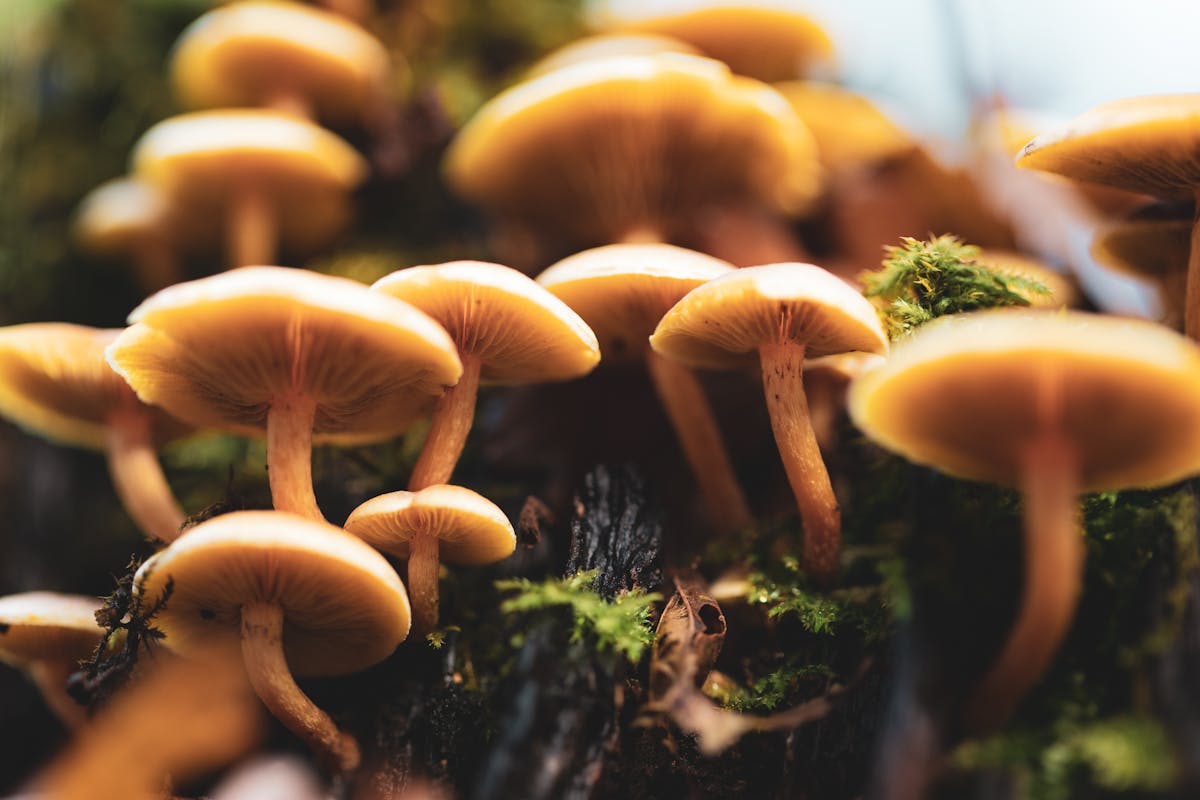
Meet the Functional Fungi: Lion’s Mane, Reishi, Chaga & Friends
While dozens of mushrooms are used traditionally, a few have become social‑media stars. Here’s a quick, evidence‑aware snapshot, as understood in early 2026.
Lion’s Mane (Hericium erinaceus): The “Focus” Mushroom
Lion’s mane looks like a fluffy white pom‑pom and has a delicate, slightly sweet flavor with a texture that can mimic crab or lobster when shredded and pan‑seared. It’s often promoted for:
- Cognitive support & focus: Early human and animal studies suggest it may influence nerve growth factor (NGF) and offer potential neuroprotective effects.
- Mood and brain health interest: Research is preliminary; sample sizes are small and doses vary.
You’ll find lion’s mane in “focus coffees” and nootropic blends marketed to students, remote workers, and gamers. In the kitchen, it shines in dishes like today’s lion’s mane “crab” cakes.
Reishi (Ganoderma lucidum): The “Evening” Mushroom
Reishi, sometimes called the “mushroom of immortality” in traditional East Asian herbalism, has a tough, woody texture and a distinctly bitter, earthy taste—better in extracts than as a sauté. It’s commonly associated with:
- Immune modulation through beta‑glucans and other bioactive compounds.
- Stress support and calm, often added to evening elixirs and alcohol‑free nightcaps.
Many people enjoy reishi in tea or tincture blends, often combined with cacao or spices to soften the bitterness.
Chaga (Inonotus obliquus): The Forest “Tea”
Chaga isn’t a classic mushroom cap but a dark, charcoal‑like conk that grows mainly on birch trees. When simmered, it produces a deep, slightly vanilla‑like, woodsy brew often marketed for:
- Antioxidant content.
- Immune support and general vitality (evidence primarily from lab and animal studies).
Sustainability is a current concern—responsible sourcing and not overharvesting wild chaga are key topics in 2026 discussions.
Cordyceps & Turkey Tail
- Cordyceps: Marketed for endurance, oxygen use, and “clean energy,” often added to pre‑workout drinks. Some early human studies suggest performance benefits, but product quality and dosages vary.
- Turkey tail (Trametes versicolor): Known for gut and immune discussions, sometimes mentioned in the context of adjunct cancer care in certain countries. This is a highly medical area—any use here must be guided by oncology professionals.
Functional Mushrooms in the Modern Wellness Lifestyle
The mushroom boom mirrors a broader shift away from quick, jittery energy toward steadier focus and stress management. Many people now replace their second espresso or sugary energy drink with:
- Mushroom coffee (often a blend of coffee + lion’s mane, chaga, or cordyceps).
- Evening reishi cacao for a cozy, non‑alcoholic nightcap.
- Mushroom‑boosted protein shakes and snack bars for travel or busy workdays.
On social media, creators share elaborate “mushroom elixir” rituals—frothy, cinnamon‑dusted lattes and jewel‑toned tonics. While these drinks are fun and potentially supportive, where fungi really shine is on the plate: think hearty stir‑fries, roasted mushrooms over grains, and today’s lion’s mane “crab” cakes with a crisp crust and tender, shreddy center.

How to Choose Functional Mushroom Products Wisely
If you’re exploring functional mushroom coffees or supplements, a bit of label sleuthing goes a long way. Nutrition‑minded professionals in 2026 consistently emphasize:
- Fruiting body vs. mycelium: Look for clear labeling. Fruiting bodies (the actual “mushroom” you’d cook) tend to have higher levels of certain beta‑glucans and compounds studied in research. Mycelium grown on grain can be useful but may be diluted with starchy substrate.
- Extraction method: Hot‑water extracts pull out water‑soluble polysaccharides (like many beta‑glucans). Alcohol or dual extracts can capture additional fat‑soluble compounds. Serious products usually mention extraction details.
- Third‑party testing: Seek brands that test for heavy metals, pesticides, and microbial contamination, and verify active compound content.
- Dosage & transparency: Check how much actual mushroom extract you’re getting per serving. Vague “proprietary blends” can hide low doses.
Recipe: Crispy Lion’s Mane “Crab” Cakes with Lemon Herb Aioli
This plant‑forward recipe turns lion’s mane mushrooms into tender, crab‑like cakes with a golden, crunchy exterior and a juicy, shreddy interior. The flavor is lightly sweet and ocean‑y thanks to Old Bay‑style seasoning and optional nori flakes, while a bright lemon‑herb aioli ties everything together.
If you’ve never cooked lion’s mane before, this is a wonderfully forgiving, beginner‑friendly way to fall in love with its texture. Think cozy coastal dinner, no seafood required.
Quick Recipe Summary
Prep time: 25 minutes
Cook time: 15–18 minutes
Total time: ~40–45 minutes
Servings: 8 small cakes (2–4 servings)
Difficulty: Easy–Intermediate
Dietary: Vegetarian, easily dairy‑free; can be made gluten‑free.
Equipment You’ll Need
- Cutting board and sharp knife
- Mixing bowls (one medium, one small)
- Large skillet (nonstick or well‑seasoned cast iron works best)
- Spatula for flipping cakes
- Measuring cups and spoons
- Small whisk or fork (for the aioli)
- Paper towels or clean kitchen towel (for patting mushrooms dry)
Ingredients
For the Lion’s Mane “Crab” Cakes
- 8–10 oz (225–280 g) fresh lion’s mane mushrooms
- 2 tbsp olive oil or avocado oil (for sautéing mushrooms)
- 2 tbsp finely chopped shallot or red onion
- 1 small celery stalk, finely diced
- 1 garlic clove, minced
- 1 large egg (see vegan option below)
- 3 tbsp mayonnaise (regular or vegan)
- 1 tsp Dijon mustard
- 1½ tsp lemon juice (plus more to taste)
- 1 tsp Worcestershire sauce (or tamari + a dash of vinegar for vegetarian)
- 1–2 tsp Old Bay seasoning or similar seafood seasoning blend
- ¼ tsp smoked paprika (optional, for a subtle smoky note)
- ½ tsp fine sea salt, plus more to taste
- Freshly ground black pepper, to taste
- ½ cup (about 30 g) breadcrumbs (panko for extra crunch; use gluten‑free if needed)
- 2 tbsp chopped fresh parsley
- Neutral oil (e.g., avocado, canola) for pan‑frying the cakes
For the Lemon Herb Aioli
- ⅓ cup mayonnaise (regular or vegan)
- 1–1½ tbsp fresh lemon juice
- 1 small garlic clove, very finely minced or grated
- 1 tbsp finely chopped fresh dill or parsley (or a mix)
- Pinch of sea salt and black pepper
Visual Guide: Key Steps


Step‑by‑Step Instructions
- Prep the lion’s mane mushrooms.
Gently brush off any dirt with a soft brush or damp towel. Avoid soaking them in water, as they can become spongey. Tear the lion’s mane into bite‑sized chunks, then use your fingers or a knife to shred them into small, crab‑like pieces. - Sauté to remove excess moisture.
Heat 2 tbsp olive or avocado oil in a large skillet over medium heat. Add the shredded lion’s mane and a pinch of salt. Cook, stirring occasionally, for 6–8 minutes, until the mushrooms have released their moisture and start to turn lightly golden and slightly chewy. Transfer to a plate to cool. - Soften the aromatics.
In the same pan (add a drizzle of extra oil if needed), sauté the shallot and celery over medium heat for 3–4 minutes until softened and fragrant. Add the minced garlic and cook 30–60 seconds more, just until aromatic. Remove from heat and let cool slightly. - Make the binding mixture.
In a medium bowl, whisk together the egg, mayonnaise, Dijon, lemon juice, and Worcestershire (or tamari + vinegar). Stir in Old Bay seasoning, smoked paprika (if using), ½ tsp salt, and a few grinds of black pepper. Taste and adjust seasoning—this base should be well‑seasoned so the cakes are flavorful. - Combine and add breadcrumbs.
Add the cooled lion’s mane, sautéed veggies, chopped parsley, and any optional nori/dulse to the bowl. Gently fold everything together. Sprinkle in the breadcrumbs and fold again until the mixture holds together when pressed. If it feels too wet, add 1–2 tbsp more breadcrumbs; if too dry, add a spoonful more mayo or a splash of lemon juice. - Form the cakes.
With slightly damp hands, form 8 small patties (about 2–2½ inches wide) or 4 larger ones. Press firmly so they’re compact but not squashed. Arrange them on a plate or tray and refrigerate for at least 15 minutes to firm up—this helps them hold their shape in the pan. - Prepare the lemon herb aioli.
While the patties chill, whisk together the mayonnaise, lemon juice, garlic, and chopped herbs in a small bowl. Season with a pinch of salt and pepper. Taste and adjust with more lemon if you like it brighter. Chill until serving. - Pan‑fry the cakes.
Heat a thin layer of neutral oil in your skillet over medium to medium‑high heat. Once the oil shimmers, gently add the cakes, leaving space between them. Cook 3–4 minutes per side, or until deep golden brown and crisp. Reduce heat slightly if they brown too quickly before heating through. - Drain and serve.
Transfer the cooked cakes to a plate lined with paper towel to absorb any excess oil. Serve warm with lemon herb aioli, extra lemon wedges, and a sprinkle of fresh herbs.
Serving Suggestions & Pairings
These lion’s mane “crab” cakes make a satisfying centerpiece for a cozy, mushroom‑forward meal. Try pairing them with:
- A crisp green salad with lemony vinaigrette and shaved fennel.
- Roasted baby potatoes or sweet potatoes with olive oil and herbs.
- Lightly sautéed greens (kale, chard, or spinach) with garlic and a squeeze of lemon.
- A chilled glass of dry white wine, sparkling water with citrus, or a reishi‑cacao nightcap if you’re keeping things alcohol‑free.
Variations, Substitutions & Dietary Adaptations
You can also play with the seasoning profile:
- Mediterranean: Swap Old Bay for oregano, thyme, and lemon zest; serve with garlicky yogurt or tahini sauce.
- Smoky: Increase smoked paprika and add a touch of chipotle; pair with lime‑cilantro aioli.
- Brunch‑ready: Make mini cakes and serve with poached eggs, greens, and toasted sourdough.
Storage & Reheating Tips
These cakes keep surprisingly well, making them great for meal prep or next‑day lunches.
- Refrigeration: Store cooked, cooled cakes in an airtight container in the fridge for up to 3 days. Keep the aioli in a separate container.
- Freezing: Place cooked cakes on a tray to freeze until solid, then transfer to a freezer bag or container. Freeze up to 2 months.
- Reheating (best texture): Reheat in a lightly oiled skillet over medium heat for 3–4 minutes per side, or in a 350°F (175°C) oven or air fryer for 8–10 minutes, flipping once, until hot and crisp.
- Microwave: Use only if needed; it will soften the crust. If you do, re‑crisp briefly in a hot skillet or air fryer afterward.
Nutritional & Functional Notes
While precise nutrition depends on exact ingredients, lion’s mane and other culinary mushrooms generally provide:
- Fiber to support digestion and a healthy gut microbiome.
- B vitamins (such as niacin and riboflavin) involved in energy metabolism.
- Minerals like potassium, copper, and selenium.
- Various antioxidant and bioactive compounds, including polysaccharides.
Cooking mushrooms in whole‑food recipes like this offers a balanced way to enjoy them, rather than relying only on highly concentrated powders or capsules. Think of dishes like these as part of a nourishing, plant‑forward pattern that supports long‑term wellbeing alongside sleep, movement, and stress management.
Bringing Functional Fungi Into Your Kitchen
Functional mushrooms may be trending, but in many culinary and healing traditions, they’ve been cherished for centuries. What’s new is how gracefully they’re fitting into modern routines—especially when we move beyond the supplement bottle and into real, fragrant, sizzling food.
Whether you’re sipping lion’s mane coffee before a deep‑focus work session or tucking into a plate of these crispy “crab” cakes, let curiosity guide you. Start with one mushroom, one recipe, and notice how the earthy aromas, complex flavors, and satisfying textures add joy to your table.
In the end, the true “super‑power” of mushrooms might simply be this: helping us slow down, savor, and nourish ourselves with more plants and more presence.
