
Mickey, Melville & More: The Biggest Books and Films Entering the Public Domain in 2026
As 2026 arrives, a fresh wave of books, films and iconic characters officially enters the public domain, unlocking new creative possibilities for artists, studios and fans alike. New Year’s Day has quietly turned into a kind of “second Christmas” for culture nerds: a moment when once‑locked classics suddenly become fair game for remix, adaptation and wild reinterpretation.
CBS News recently highlighted a slate of notable works joining the public domain on January 1, 2026, marking the end of their copyright terms in the United States. That means no licensing fees, no permission forms—just open access to stories that helped shape 20th‑century culture. Below, we unpack what that actually means, why it matters, and how this new batch of public domain works might fuel the next wave of books, films, podcasts and games.
Why New Year’s Day Is “Public Domain Day”
Public Domain Day isn’t an official government holiday, but in legal and creative circles it might as well be. Each January 1, a new “class” of works crosses a sort of copyright finish line in the U.S. (and in many other countries with different rules), moving from restricted status into the cultural commons.
For most published works in the U.S. from the early and mid‑20th century, the key rule is:
- Published works from 1925–1977 generally get a fixed term of 95 years from publication, if renewed.
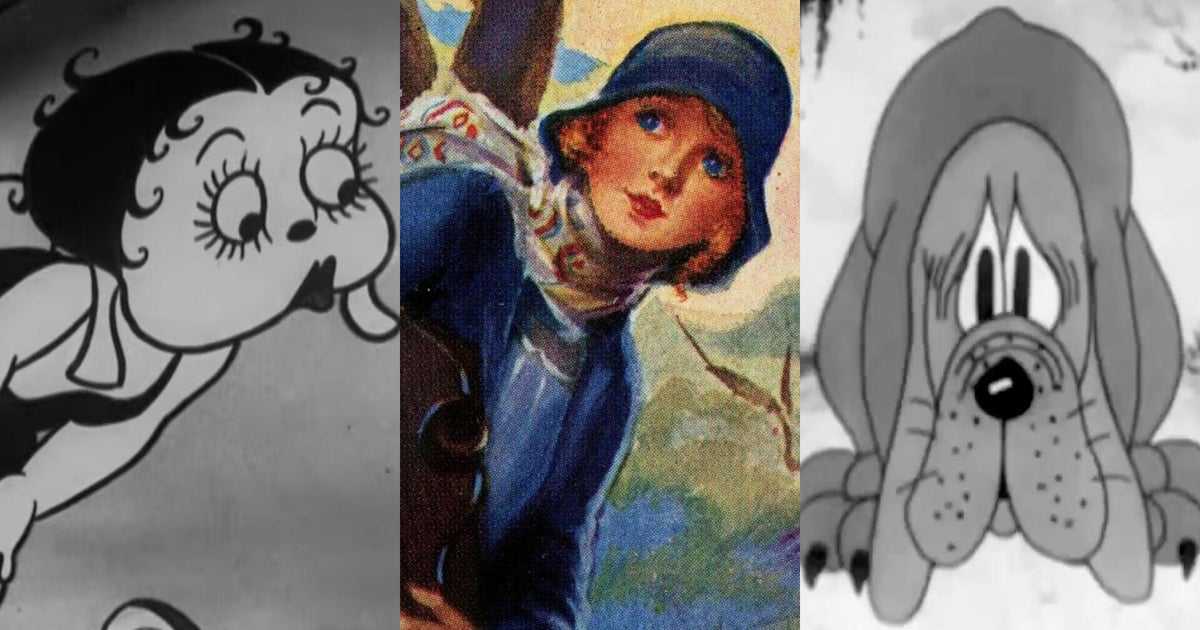
- On January 1, 2026, works first published in 1930 enter the U.S. public domain.
That’s why this year’s group is so specific: we’re basically opening a time capsule from 1930—books, films, music, and even early versions of famous characters. CBS News’s coverage zooms in on the most culturally significant pieces in that capsule, the ones most likely to fuel fresh adaptations, university syllabi, and—let’s be honest—meme culture.
“Public domain is not the end of a work’s life. It’s the beginning of its afterlife.” — often cited in scholarship on copyright and cultural memory
The Standout Books, Films and Characters Entering the Public Domain in 2026
Because CBS News focuses on the most notable works, think of this as the “headliners” of the 1930s class. The exact list includes a broad mix—literary fiction, early sound films, genre staples and formative characters that shaped modern storytelling.
1. Landmark Literature from 1930
The literary landscape of 1930 reflects a world caught between the roaring optimism of the 1920s and the harsher realities of the Great Depression. The novels entering the public domain this year tend to explore class tension, moral ambiguity and shifting social norms—timely themes for 2026’s conversations about inequality and representation.
- Major novels from established modernist authors whose reputations were still being shaped at the time.
- Genre works—especially early crime and adventure fiction—that helped lay groundwork for today’s thrillers and noir.
- Children’s and young adult titles whose characters might now be ripe for animated reboots or graphic novel retellings.

2. Early Sound Films and Studio-Era Gems
By 1930, Hollywood had largely transitioned from silent films to talkies, but the medium was still experimenting wildly. The films entering the public domain from this period capture that in‑between energy: you get proto‑musicals, early screwball dynamics, gangster flicks still trying to figure out what “sound” cool actually sounds like.
For film historians and indie filmmakers, public domain status is a practical gift: studios, archives and streamers can host full restorations without negotiating labyrinthine rights, and modern directors can legally lift clips, audio and story concepts for everything from arthouse projects to YouTube essays.
3. Characters Who Finally Belong to Everyone
The most headline‑grabbing part of any public domain year is usually the characters—especially when they’re linked to massive media franchises. In recent years, we’ve already seen early versions of Winnie-the-Pooh and Steamboat Willie-era Mickey Mouse cross into the public domain. CBS News notes that 2026 brings a new wave of notable literary and cinematic figures whose 1930 incarnations are now up for grabs.
There’s an important nuance: copyright typically protects specific depictions and storylines, not just the basic idea of a character. That means:
- You can use the 1930 version of a character and anything in that year’s texts or films.
- You cannot automatically use later evolutions of that character (costume changes, new powers, new backstory) that are still under copyright.
- Trademarks—like logos and brand identifiers—can still restrict how you market your project.
Why 2026’s Public Domain Class Matters for Pop Culture
The public domain isn’t just a legal term; it’s one of the quiet engines of pop culture. Every time a new batch of works enters the commons, you see ripple effects across entertainment: prestige filmmakers mining forgotten novels, indie game devs reskinning old legends, TikTok creators spinning 90‑second explainers that send people running to Project Gutenberg.
Fuel for New Adaptations and Remixes
Studios and streamers love IP, but license negotiations can be brutal. Public domain removes a chunk of that friction. Expect:
- Series and limited dramas built around 1930 literary properties, especially those that resonate with modern social issues.
- Animated or stylized riffs on newly free characters, sometimes leaning into horror or satire the originals never could.
- Stage productions and audio dramas that can be mounted on smaller budgets thanks to no rights fees.
Academic Access and Preservation
On the less glamorous but equally important side, public domain status is a win for education and preservation. Libraries, archives and universities can:
- Digitize and host full‑text editions and restorations online, freely accessible to students and the general public.
- Include complete works in course packets and open educational resources.
- Fund restorations of fragile film prints without worrying about recouping licensing costs.
“It’s hard to overstate how much easier it is to teach with materials you can share freely. Public domain turns these works from gated artifacts into living texts.” — Media studies professor quoted in coverage of previous Public Domain Days
Public Domain 2026: The Upsides and the Caveats
Viewed as a “release,” the 2026 public domain class has a distinct profile—rich in historical value, a bit uneven in immediate mainstream appeal, and full of niche gems that will reward patient creators.
What Works Especially Well
- Historical snapshot: The 1930 works collectively offer a brutally honest snapshot of pre‑World War II anxieties—economic fear, cultural clashes, the birth of modern celebrity.
- Genre diversity: From literary fiction to pulp adventures and early talkies, there’s something for almost every niche fanbase.
- Education‑friendly: The legal clarity around these works makes them easy to teach, screen and share globally.
Where Things Get Complicated
- Partial freedom for characters: Only the 1930 versions are free. Later evolutions and redesigns can still be locked up, which may frustrate creators who want the “brand‑recognizable” incarnation.
- Outdated attitudes: As with most early‑20th‑century works, some texts and films contain racist, sexist or otherwise harmful stereotypes that modern adaptors must confront or consciously subvert.
- Restoration costs: Legal freedom doesn’t magically restore deteriorating film stock or crumbling manuscripts; someone still has to fund the preservation work.
How Creators Can Responsibly Use 2026’s Public Domain Works
If you’re a filmmaker, novelist, game designer or podcaster, this year’s public domain list is basically a free idea farm. But “free” doesn’t mean “thought‑free.” Smart creators treat these works as starting points, not shortcuts.
- Go back to the source. Read the actual 1930 text or watch the 1930 film, not just the Wikipedia summary. The most interesting adaptation angles often hide in forgotten side characters or subplots.
- Update thoughtfully. Acknowledge and reframe outdated views rather than reproducing them uncritically. Modern audiences will absolutely notice.
- Check trademarks and later copyrights. Titles, logos and later sequels may still be protected. Legal gray areas are where budgets go to die.
- Lean into remix culture. Mashups—combining multiple public domain stories, genres or timelines—are often more compelling than straight retellings.
The Long Afterlife of 1930: Looking Beyond 2026
The works entering the public domain on January 1, 2026, won’t all become instant streaming hits or viral BookTok obsessions. Many will quietly sit in digital archives, waiting for the right artist, critic or fan to pull them back into the spotlight. But that’s the deeper power of the public domain: it doesn’t just preserve culture; it re-opens it.
As more 20th‑century classics roll off the copyright conveyor belt over the next decade, expect to see a steady drip of “new old” stories reshaping entertainment—a prestige adaptation here, a cult indie game there, a viral TikTok thread connecting social justice debates in 1930 to 2026. The stories we think of as fixed canon are, once again, editable.
For now, the class of 1930 has officially been handed the keys to its afterlife. What happens next is up to the writers’ rooms, creators’ laptops and film sets of 2026 and beyond.
