
Mediterranean Longevity Bowls: A Blue Zone–Inspired Recipe for Everyday Energy
Mediterranean and Blue Zone–style eating patterns are trending as people look for nutrient-rich, sustainable diets linked to longevity rather than quick weight loss. This Mediterranean Longevity Bowl brings those ideas right to your kitchen in the most delicious, colorful way.
Mediterranean Longevity Bowl Inspired by Blue Zone Eating
Think of this dish as a “longevity plate” in a bowl: chewy whole grains, creamy beans, juicy tomatoes, crisp cucumbers, silky olive oil, and a bright lemon–herb drizzle that perfumes your whole kitchen. It’s loosely inspired by what you might see on tables in Sardinia or Ikaria—simple, mostly plant-based, cooked with care, and meant to be shared.
Whether you’re brand‑new to cooking or already a confident home chef, this bowl is forgiving, flexible, and endlessly customizable. You’ll learn a few core techniques—perfectly cooked grains, marinated vegetables, and a punchy dressing—that fit beautifully into a Mediterranean and Blue Zone–style way of eating.
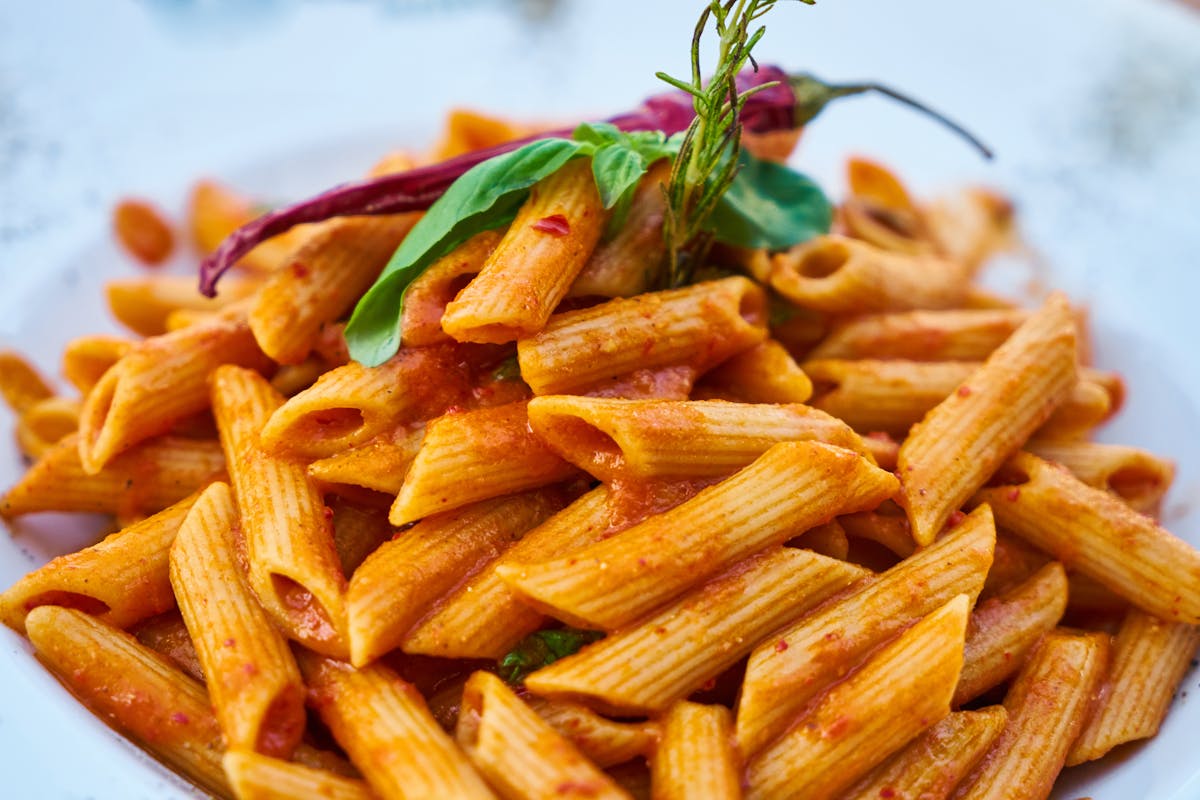
Quick Recipe Summary
This Mediterranean Longevity Bowl recipe is naturally vegetarian (easily made vegan and gluten‑free), high in fiber and healthy fats, and perfect for meal prep. It’s designed to echo the core habits of Blue Zone and Mediterranean diets while still feeling cozy and satisfying.
Prep Time: 20 minutes
Cook Time: 25–30 minutes
Total Time: 45–50 minutes
Servings: 4 bowls
Difficulty: Easy
Good for: Mediterranean diet, longevity diet, meal prep, vegetarian, easily vegan & gluten‑free.
Blue Zones, Mediterranean Eating & This Bowl
Around the world, Blue Zone communities—from the hills of Sardinia in Italy to the Greek island of Ikaria—tend to share a few quiet habits: mostly plant‑based meals, daily movement, and eating in good company. Their plates are full of beans, whole grains, seasonal vegetables, olive oil, and herbs, with animal products as an accent rather than the star.
This recipe borrows that spirit. Imagine a table in the late afternoon sun: a pot of beans, a bowl of simply cooked grains, a plate of sliced tomatoes glistening with olive oil and sea salt, and plenty of crusty bread to go around. We’re tucking those components into one generous, modern bowl that fits neatly into a busy weekday.
The goal isn’t perfection—it’s building a way of eating you actually enjoy, day in and day out.

Ingredients for Mediterranean Longevity Bowl
The ingredients are intentionally simple and flexible. Use what you have, and lean on fresh herbs, lemon, and good olive oil for big flavor.
For the Grain Base
- 1 cup dry farro or barley (or quinoa for gluten‑free)
- 3 cups water or low‑sodium vegetable broth
- 1/2 teaspoon fine sea salt
For the Protein & Veggie Toppings
- 1 can (15 oz / 400 g) chickpeas, drained and rinsed (or cannellini beans)
- 1 cup cooked lentils (brown or green) – optional but very “Blue Zone”
- 1 cup cherry tomatoes, halved
- 1 medium cucumber, diced
- 1 small red onion, very thinly sliced
- 1/2 cup Kalamata olives, pitted and halved
- 1/2 cup crumbled feta cheese (optional; skip or use vegan feta for dairy‑free)
- 2 cups loosely packed baby spinach or arugula
For the Lemon–Herb Olive Oil Dressing
- 1/4 cup extra‑virgin olive oil
- 2–3 tablespoons fresh lemon juice (about 1 large lemon)
- 1 teaspoon finely grated lemon zest
- 1 small garlic clove, finely minced or grated
- 2 tablespoons chopped fresh parsley
- 1 tablespoon chopped fresh mint or basil
- 1 teaspoon dried oregano
- 1/2 teaspoon salt, plus more to taste
- 1/4 teaspoon freshly ground black pepper
Optional Finishing Touches
- 2 tablespoons toasted pine nuts or chopped walnuts
- Plain Greek yogurt (or unsweetened plant yogurt) for drizzling
- Pinch of red pepper flakes or smoked paprika
Equipment You’ll Need
- Medium saucepan with lid (for grains)
- Colander or fine mesh strainer (for rinsing grains and beans)
- Large mixing bowl
- Small jar with lid or small bowl and whisk (for dressing)
- Cutting board and sharp knife
- Measuring cups and spoons
- Four serving bowls
Step‑by‑Step Instructions
Take your time and enjoy the process. This is exactly the kind of simple, homey cooking that fits beautifully into a longevity‑focused lifestyle.
1. Cook the Whole Grains
- Rinse the grains: Place the farro (or grain of choice) in a fine mesh strainer and rinse under cool water for 20–30 seconds. This removes excess starch and any dust.
- Simmer: Add the rinsed grains, water or broth, and 1/2 teaspoon salt to a medium saucepan. Bring to a boil over medium‑high heat, then reduce heat to low, cover, and simmer until tender:
- Farro: about 20–25 minutes
- Barley: about 25–30 minutes
- Quinoa: about 15 minutes
- Rest & fluff: Turn off the heat and let the grains sit, covered, for 5 minutes. Then fluff gently with a fork. You’re looking for a pleasantly chewy texture, not mushy.

2. Prepare the Vegetables & Beans
- Tomatoes & cucumber: Halve the cherry tomatoes and dice the cucumber into bite‑size pieces. Add them to a large mixing bowl.
- Onion: Thinly slice the red onion. If you’re sensitive to sharp onion flavor, rinse the slices briefly under cold water and pat dry—this softens the bite.
- Beans & lentils: Rinse and drain the chickpeas well. If using lentils, make sure they’re cooked but still hold their shape. Add both to the bowl with the vegetables.
- Olives & greens: Add the olives and baby spinach or arugula. Gently toss everything together.
3. Make the Lemon–Herb Olive Oil Dressing
- Combine ingredients: In a small jar or bowl, add the olive oil, lemon juice, lemon zest, minced garlic, parsley, mint or basil, dried oregano, salt, and pepper.
- Shake or whisk: If using a jar, secure the lid and shake vigorously for 10–15 seconds. If using a bowl, whisk until the dressing looks slightly thickened and glossy.
- Taste & adjust: Taste a small spoonful. Add more lemon for brightness, more salt to deepen the flavors, or a pinch of red pepper flakes if you like gentle heat.
4. Toss & Marinate the Veggies
- Dress the mixture: Pour about two‑thirds of the dressing over the bean and vegetable mixture in the large bowl.
- Toss gently: Use a large spoon to toss until everything is lightly coated. Be careful not to smash the beans.
- Let it sit: Let the mixture sit at room temperature for 10–15 minutes while the grains finish and cool slightly. This short “marinade” time lets the flavors bloom.
5. Assemble the Mediterranean Longevity Bowls
- Base layer: Divide the warm (not piping hot) grains among 4 bowls, about 3/4 to 1 cup per bowl.
- Top with veggies & beans: Spoon the marinated beans and vegetables generously over the grains, making sure each bowl gets a good mix of colors and textures.
- Add feta & nuts: Sprinkle with crumbled feta and toasted pine nuts or walnuts, if using.
- Final drizzle: Drizzle the remaining dressing over the bowls, focusing on the grains so they soak up flavor.
- Optional yogurt dollop: Add a spoonful of Greek yogurt or plant yogurt to each bowl for creaminess and a little tang.
6. Taste & Serve
- Final seasoning: Taste a forkful with a bit of everything. If it needs more brightness, squeeze a little extra lemon over the top or add a pinch of salt.
- Serve: Enjoy warm, at room temperature, or slightly chilled. Each temperature highlights different textures and aromas.

Cooking Tips, Variations & Longevity Twists
In keeping with longevity diets, aim to keep red meat minimal and let beans, lentils, and fish (if you eat it) carry the protein load. Olive oil is not just a cooking fat here—it’s a flavor anchor and a source of heart‑healthy monounsaturated fats.

Storage & Reheating
This Mediterranean Longevity Bowl is perfect for meal prep and keeps well for several days, making it ideal for busy weeks.
- Refrigeration: Store grains, dressed vegetables/beans, and toppings (like feta and nuts) in separate airtight containers in the fridge for up to 4 days.
- Dressing: The lemon–herb dressing keeps for about 5–6 days in the fridge. The olive oil may solidify slightly; let it sit at room temperature for a few minutes and shake well before using.
- Reheating grains: Reheat grains in the microwave with a splash of water, loosely covered, for 30–60 seconds, or warm gently on the stove. Or enjoy the bowl cold—also delicious and very lunch‑friendly.
- Freezing: Cooked grains and beans freeze well separately for up to 2–3 months. Fresh vegetables and herbs are best added after thawing.
Serving Ideas & Complementary Dishes
To build a full Mediterranean‑inspired, longevity‑friendly meal, pair this bowl with simple sides that echo the same principles: plants, whole grains, and healthy fats.
- Simple soup: A brothy vegetable or lentil soup on the side adds warmth and extra fiber.
- Whole‑grain bread: Serve with a slice of sourdough or whole‑grain bread, lightly toasted and rubbed with garlic, then drizzled with olive oil.
- Bitters & greens: A small salad of mixed greens with a splash of red wine vinegar and olive oil keeps things light and refreshing.
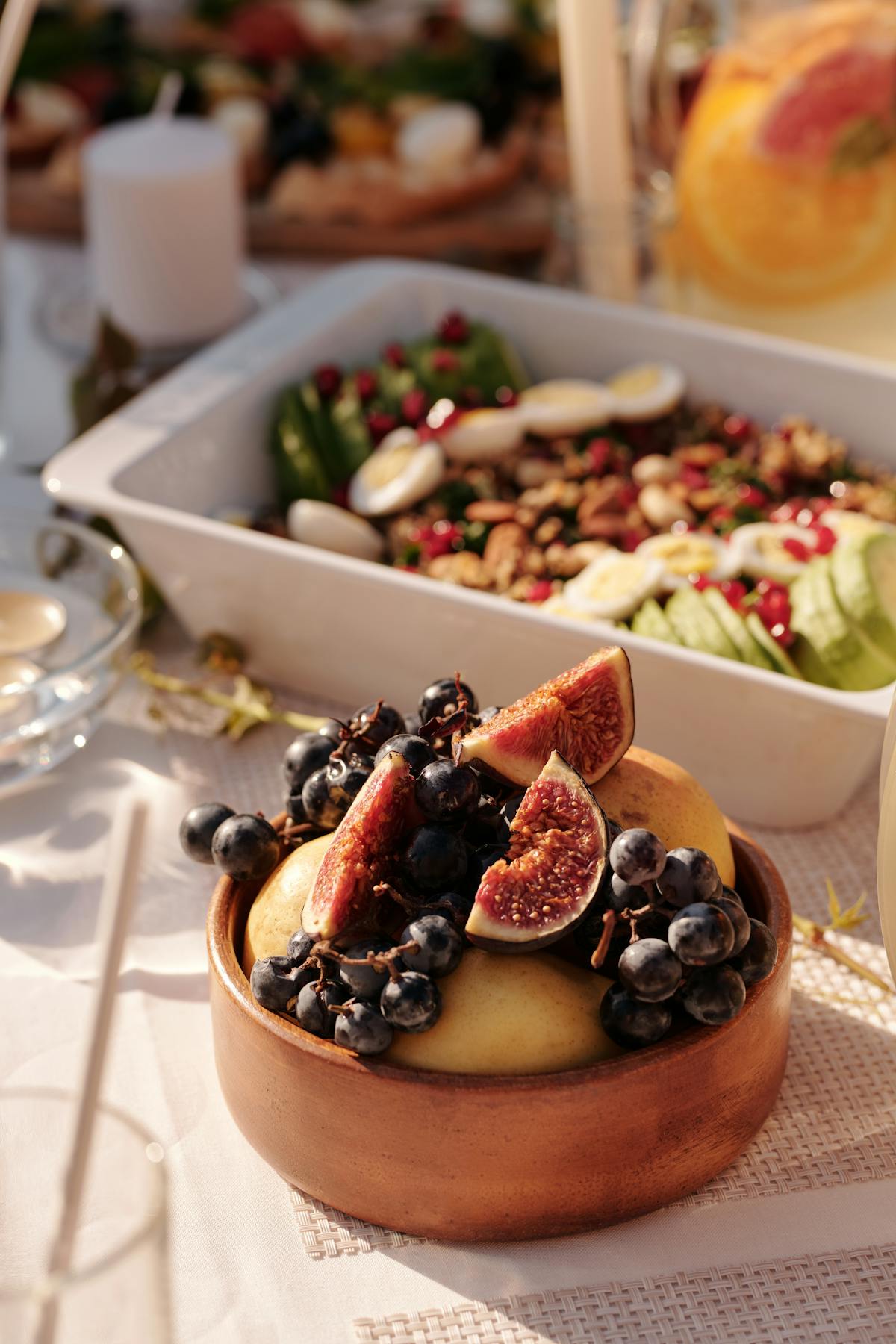
- Fruit finish: Fresh, seasonal fruit—figs, oranges, berries, or melon—makes a classic Mediterranean‑style dessert that feels indulgent but sits lightly.
If you enjoy wine and it fits your health needs, a modest glass of red wine with a leisurely dinner is common in several Mediterranean regions—always with food, and always in moderation.
Why This Bowl Fits a Longevity Diet
Without counting a single calorie, this Mediterranean Longevity Bowl naturally lines up with Mediterranean and Blue Zone–style nutrition:
- High plant intake: Beans, lentils, grains, vegetables, herbs, and olives form the bulk of the bowl.
- Healthy fats: Extra‑virgin olive oil, nuts, and olives support heart and brain health.
- Modest animal products: Feta is used sparingly as a flavor accent, not the main component.
- Fiber‑rich: Whole grains and legumes support stable energy and gut health.
- Low ultra‑processed foods: Most ingredients are whole or minimally processed and cooked at home.
Over time, building meals like this—colorful, satisfying, and centered on plants—can support energy, cardiovascular health, and healthy aging as part of a broader longevity lifestyle that also includes movement, sleep, stress management, and social connection.
