
Mediterranean & Blue Zones Longevity Bowl: A Vibrant Super-Diet You’ll Actually Want to Eat
Mediterranean & Blue Zones–Inspired Longevity Bowl
Mediterranean and Blue Zones–inspired diets are having a well‑deserved moment. Instead of chasing fast weight loss or rigid rules, they celebrate colorful vegetables, hearty beans, whole grains, fragrant herbs, and generous splashes of extra‑virgin olive oil—foods linked with longer life, lower disease risk, and deeply satisfying meals. This Mediterranean & Blue Zones Longevity Bowl captures that spirit in one vibrant, make‑ahead‑friendly dish you can enjoy for lunch, dinner, or easy meal prep.
Think of it as a warm hug in bowl form: nutty whole grains, creamy chickpeas, sweet roasted vegetables, crisp greens, and a lemon‑garlic olive oil dressing that smells like a seaside café. It’s plant‑forward, naturally high in fiber and healthy fats, and flexible enough to adapt to whatever is in your pantry—exactly the kind of real‑world cooking that makes longevity eating feel joyful instead of restrictive.
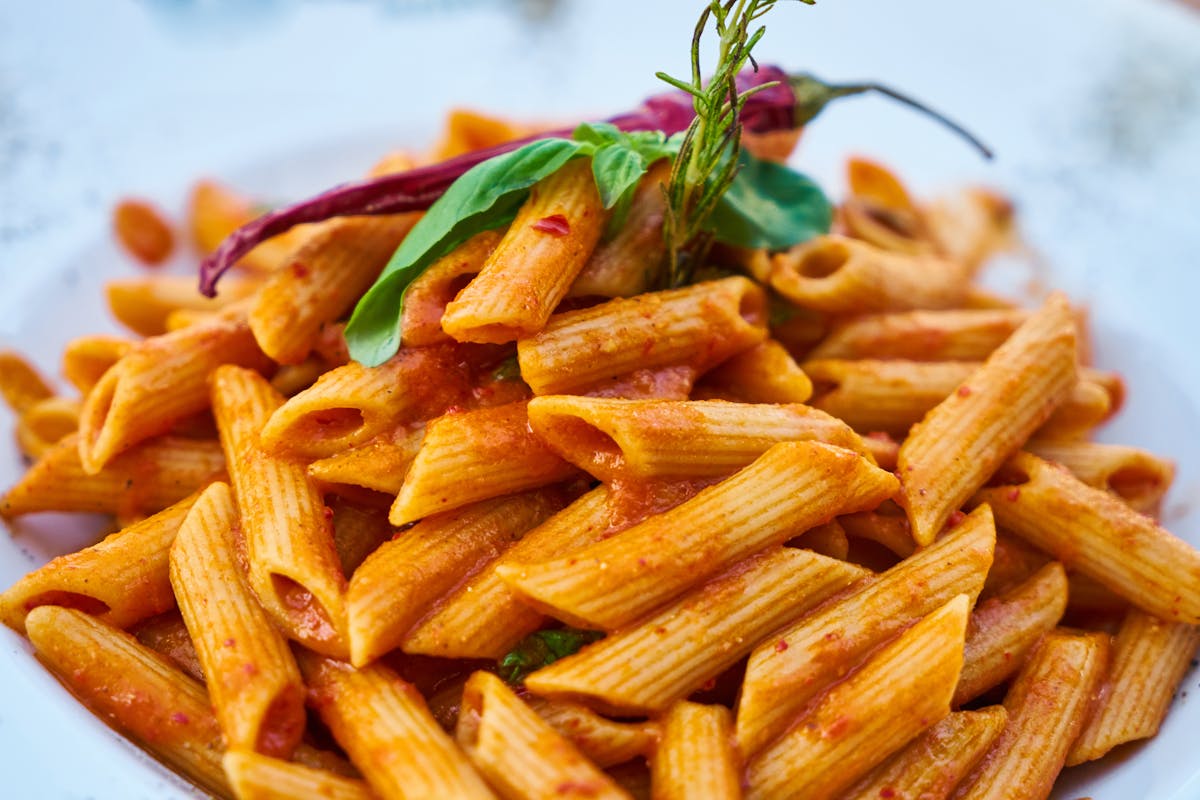
Quick Recipe Summary
Prep Time: 20 minutes
Cook Time: 25 minutes
Total Time: 45 minutes
Servings: 4 bowls
Difficulty: Easy (great for weeknights)
Dietary: Vegetarian, high‑fiber, Mediterranean diet–friendly; easy vegan & gluten‑free options
Why Mediterranean & Blue Zones Eating Is the Ultimate Longevity Trend
Around the world, certain regions—known as Blue Zones—have an unusually high number of people who live into their 90s and 100s while remaining active and engaged. Places like Ikaria in Greece, Sardinia in Italy, Okinawa in Japan, Nicoya in Costa Rica, and Loma Linda in California have different cuisines, but their eating patterns share some powerful themes:
- Plant‑forward plates: Vegetables, legumes, whole grains, nuts, and seeds take center stage, with animal protein used modestly or as a flavor accent.
- Healthy fats over low‑fat rules: Extra‑virgin olive oil, olives, nuts, and seeds provide heart‑friendly fats and satisfying richness.
- Minimal ultra‑processed foods: Meals are based on simple, recognizable ingredients cooked at home.
- Cultural rhythm: Meals are often unhurried, shared with family or friends, and woven into daily movement and purpose.
Decades of research on the Mediterranean diet mirror these observations, showing benefits for heart health, blood sugar, inflammation, and even brain aging. This longevity bowl distills those principles into a single, beautiful, weeknight‑friendly recipe.
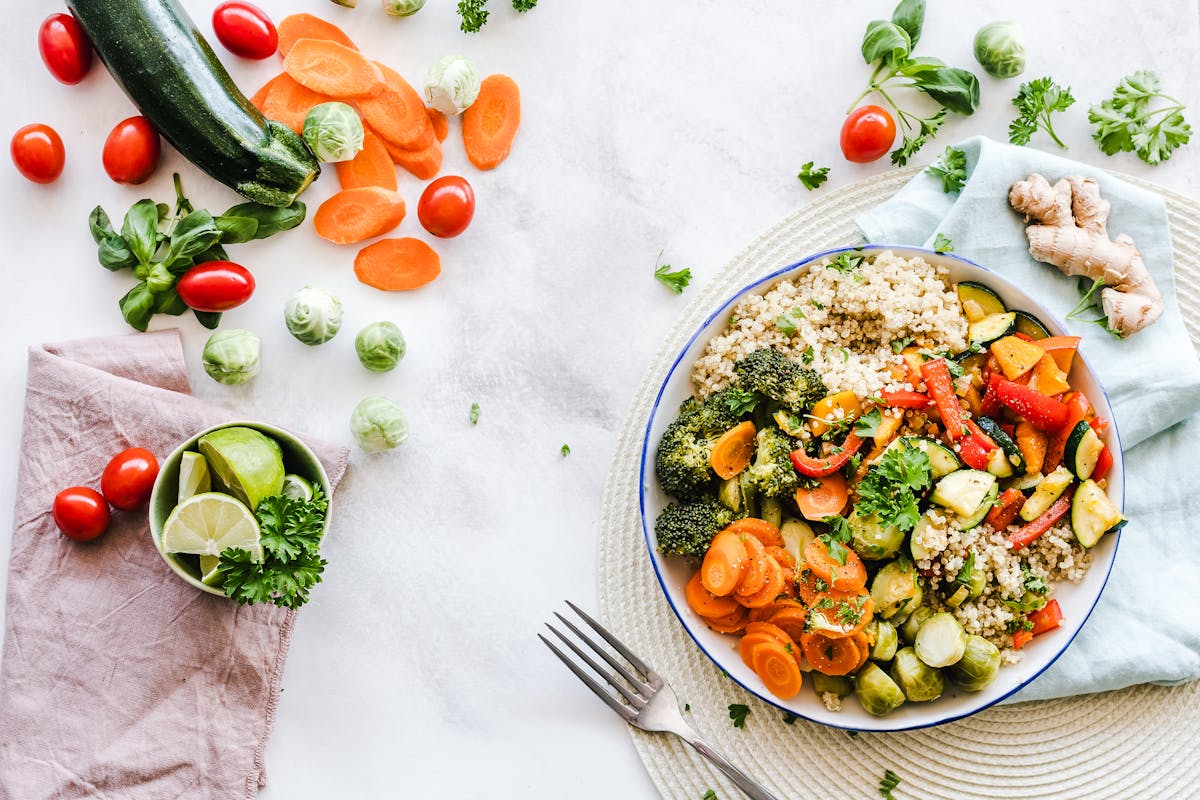
In many Blue Zones, animal protein is more of a background note than a headliner. Beans, lentils, and whole grains quietly power decades of steady energy.
Equipment You’ll Need
- 1 medium saucepan with lid (for cooking grains)
- 1 large baking sheet (for roasting vegetables)
- 1 large mixing bowl (for tossing salad components)
- 1 small jar or bowl with whisk (for the dressing)
- Cutting board and sharp knife
- Measuring cups and spoons
- Spatula or wooden spoon
Ingredients for a Mediterranean & Blue Zones Longevity Bowl
These quantities make about 4 generous bowls. The recipe is forgiving, so feel free to swap in seasonal vegetables or your favorite legumes.
For the Whole Grain Base
- 1 cup (190 g) dry farro, barley, or short‑grain brown rice (or other whole grain)
- 2 ½ cups (590 ml) water or low‑sodium vegetable broth
- ¼ teaspoon fine sea salt
For the Roasted Vegetables
- 1 medium eggplant, cut into 1.5 cm (½‑inch) cubes
- 1 large red bell pepper, seeded and cut into strips
- 1 small red onion, sliced into wedges
- 1 small zucchini, sliced into half‑moons
- 2 tablespoons extra‑virgin olive oil
- 1 teaspoon dried oregano
- ½ teaspoon dried thyme or mixed Italian herbs
- ½ teaspoon sea salt, plus more to taste
- Freshly ground black pepper
For the Protein & Toppings
- 1 can (400 g) chickpeas, drained and rinsed (or 1 ½ cups cooked beans)
- 1 cup (about 150 g) cherry tomatoes, halved
- 1 medium cucumber, diced
- 2 cups loosely packed arugula, baby spinach, or mixed greens
- ¼ cup (35 g) pitted Kalamata olives, sliced
- ¼ cup (30 g) crumbled feta cheese (optional; omit or use vegan feta for dairy‑free)
- 2 tablespoons toasted walnuts or almonds, roughly chopped
- 2 tablespoons chopped fresh parsley or basil
For the Lemon‑Garlic Olive Oil Dressing
- ¼ cup (60 ml) extra‑virgin olive oil
- 2 tablespoons freshly squeezed lemon juice
- 1 teaspoon red wine vinegar (optional but brightening)
- 1 small garlic clove, finely grated or minced
- ½ teaspoon Dijon mustard
- ½ teaspoon sea salt, or to taste
- Freshly ground black pepper, to taste
Step‑by‑Step: How to Make a Longevity Bowl
Follow these steps to build a layered, flavor‑packed Mediterranean longevity bowl. Each element is simple on its own; together, they create a nourishing, restaurant‑worthy meal.
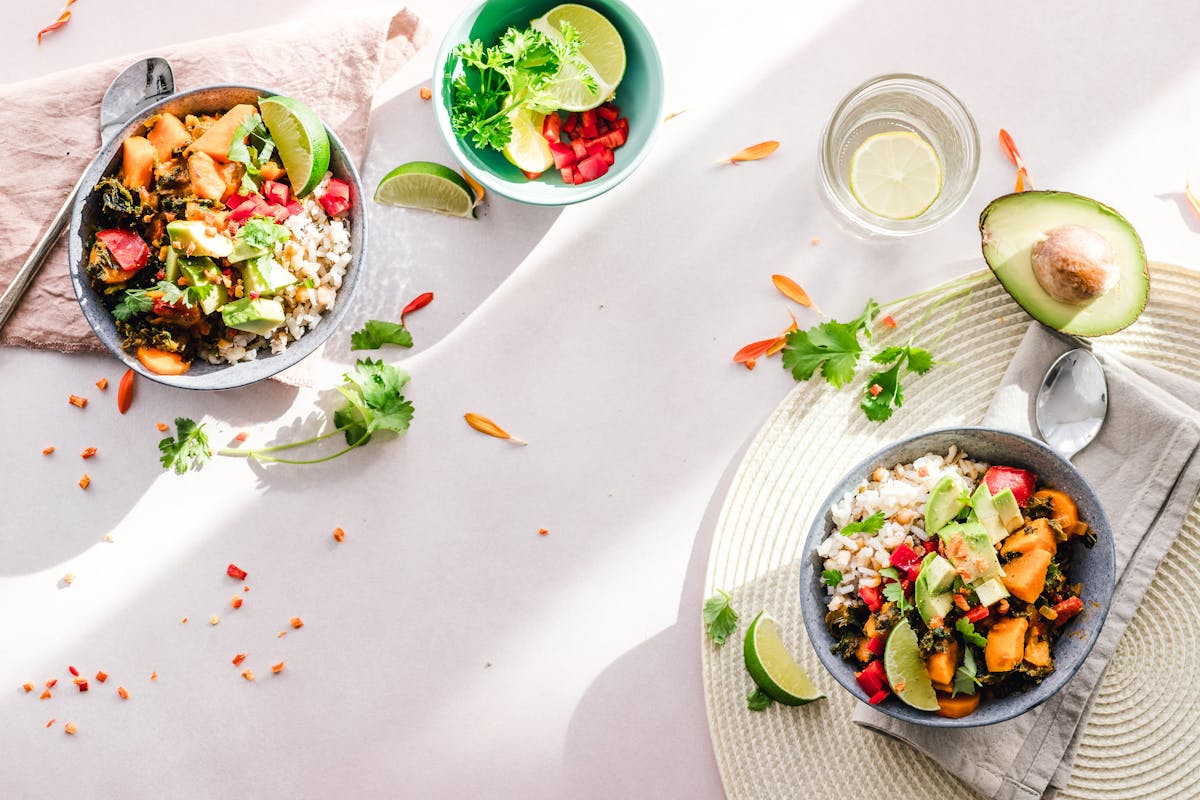
- Cook the whole grains.
Rinse your chosen grain under cool water. In a medium saucepan, combine the grain, water or broth, and ¼ teaspoon salt. Bring to a boil over medium‑high heat, then reduce to a gentle simmer, cover, and cook until tender:- Farro: 20–25 minutes
- Barley: 25–30 minutes
- Brown rice: 30–35 minutes
- Preheat the oven and prep vegetables.
While the grain cooks, preheat your oven to 220°C / 425°F. On a large baking sheet, toss the eggplant, red pepper, red onion, and zucchini with 2 tablespoons olive oil, oregano, thyme, ½ teaspoon salt, and a few grinds of black pepper. Spread in an even layer so they roast rather than steam. - Roast until caramelized and tender.
Roast the vegetables for 20–25 minutes, stirring once halfway through, until the edges are browned and the centers are soft. The eggplant should be silky, the peppers sweet and wrinkled, and the onions lightly charred in spots. - Make the lemon‑garlic dressing.
While the vegetables roast, whisk together olive oil, lemon juice, red wine vinegar (if using), grated garlic, Dijon mustard, salt, and black pepper in a small bowl or jar. Taste and adjust: add more lemon for brightness, more olive oil for richness, or a pinch of salt if needed. The aroma should be citrusy, garlicky, and pleasantly sharp. - Prepare the fresh components.
In a large mixing bowl, combine the chickpeas, cherry tomatoes, cucumber, olives, and greens. Drizzle with 2–3 tablespoons of the dressing and toss gently so everything is lightly coated and glistening. This “marinates” the beans and vegetables for extra flavor. - Assemble the longevity bowls.
Divide the warm grain among 4 wide bowls. Top each with a generous scoop of roasted vegetables and a big handful of the dressed chickpea‑vegetable mix. Sprinkle with toasted nuts, feta (if using), and fresh parsley or basil. - Finish and serve.
Spoon additional dressing over each bowl, focusing on the grains so they soak up the flavor. Serve immediately while the grains and roasted vegetables are warm and the greens are still crisp.
Dietary Variations & Longevity‑Friendly Swaps
One reason Mediterranean and Blue Zones diets have become the internet’s favorite longevity super‑diets is how flexible they are. This bowl adapts beautifully to different needs and seasons.
- Vegan / Dairy‑Free: Omit the feta or use a dairy‑free alternative. The nuts, olives, and olive oil already provide abundant richness and healthy fats.
- Gluten‑Free: Choose naturally gluten‑free grains such as quinoa, brown rice, millet, or buckwheat instead of farro or barley.
- Higher Protein: Add a second type of bean (like lentils) or top with a small portion of grilled fish—very Mediterranean and aligned with many longevity studies.
- Lower Sodium: Rinse canned beans thoroughly, go light on the olives and feta, and let herbs, garlic, and lemon carry the flavor.
- Seasonal Swaps: In cooler months, swap zucchini and tomatoes for roasted carrots, fennel, or winter squash. In summer, lean on fresh cucumbers, peppers, and juicy tomatoes.
Storage, Meal Prep & Reheating for Healthy Aging Habits
Building a longevity lifestyle is about patterns, not perfection. Having nourishing, Mediterranean‑style meals ready to go makes it easier to eat well on busy days.
- Refrigeration: Store cooked grains, roasted vegetables, and dressed chickpeas/veggies in separate airtight containers in the fridge for up to 4 days. Keep the greens and herbs undressed in their own container.
- Reheating: Warm the grains and roasted vegetables together in a skillet over low‑medium heat with a splash of water, or microwave in short bursts until just hot. Add the fresh greens, nuts, and feta after reheating so they stay crisp.
- Freezing: Cooked grains and roasted vegetables freeze well for up to 2 months. Thaw overnight in the fridge, then reheat and assemble with fresh toppings and dressing.
- Grab‑and‑Go Bowls: For work lunches, pack grains and roasted vegetables on the bottom, chickpeas and crunchy toppings in the middle, and greens on top. Keep dressing separate and add right before eating.
Serving Suggestions & Complementary Dishes
You can enjoy this Mediterranean longevity bowl all on its own, but pairing it with simple sides creates a full Blue Zones‑inspired spread—perfect for family dinners or casual gatherings with friends.
- Light Soup: Serve with a small bowl of minestrone or a simple lentil soup, echoing Sardinian and Ikaria traditions.
- Whole‑Grain Bread: Add a slice of rustic whole‑grain or sourdough bread with a drizzle of olive oil and pinch of sea salt.
- Simple Greens: A side of sautéed greens (like spinach or chard) with garlic and lemon leans into classic Mediterranean flavors.
- Fruity Finish: End with a small bowl of seasonal fruit—berries, orange slices, or figs—for natural sweetness and extra antioxidants.
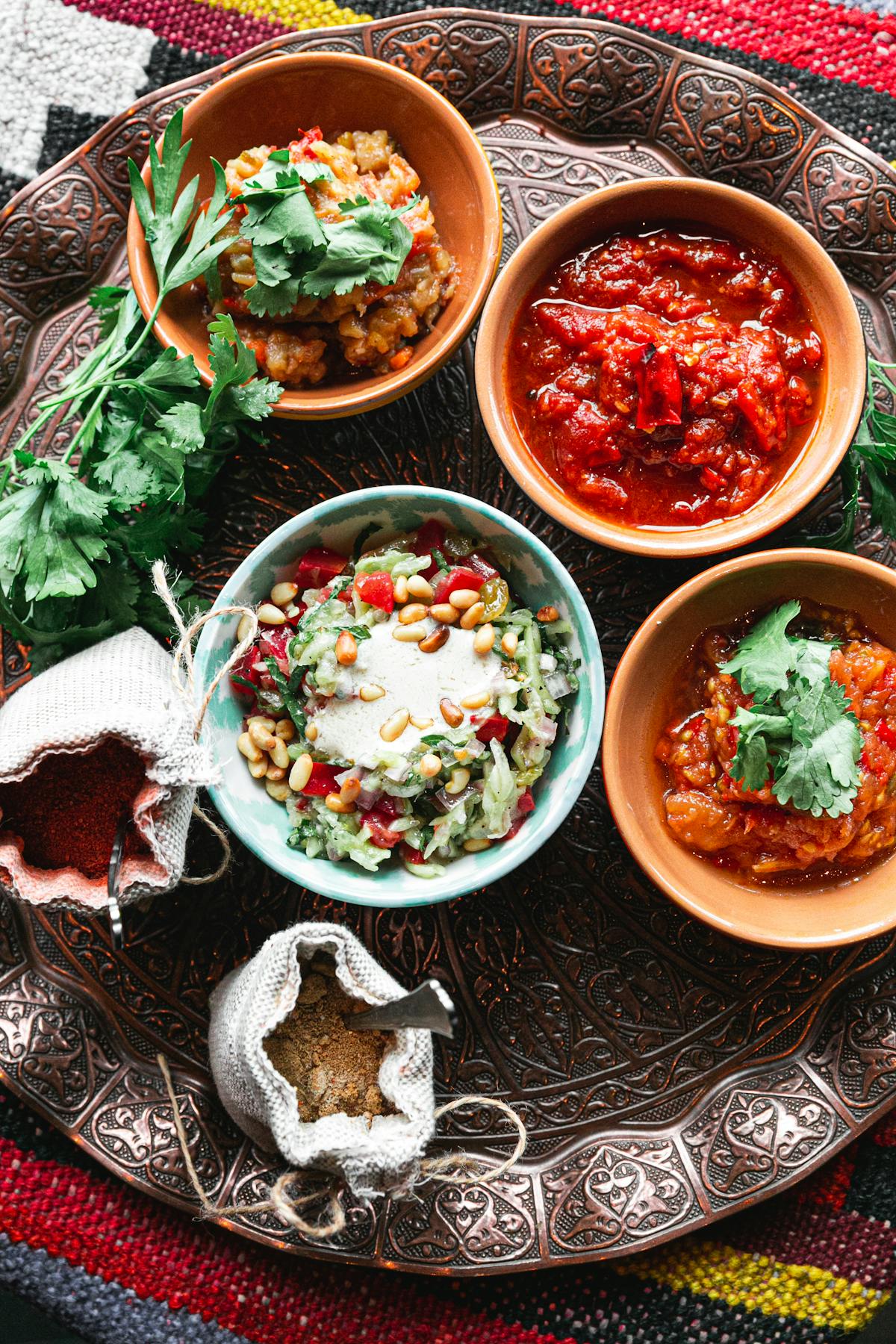
How This Bowl Fits a Longevity‑Focused, Mediterranean Diet Pattern
This Mediterranean & Blue Zones–inspired bowl checks many of the boxes highlighted by current research on healthy aging and disease prevention:
- Fiber‑rich: Beans, whole grains, and vegetables support digestive health, steady blood sugar, and a healthy gut microbiome.
- Heart‑healthy fats: Extra‑virgin olive oil, nuts, and olives provide monounsaturated fats and polyphenols linked to lower cardiovascular risk.
- Plant diversity: A colorful mix of vegetables and herbs brings a wide range of antioxidants and phytonutrients.
- Modest animal products: Cheese is optional and used sparingly, aligning with Blue Zones patterns where animal foods are more accent than centerpiece.
- Low ultra‑processed content: The recipe relies on whole, recognizable ingredients that you can pronounce and picture.
While no single meal can guarantee longevity, regularly enjoying plant‑forward, Mediterranean‑style dishes like this bowl can stack the odds in favor of better heart health, metabolic balance, and vibrant aging over time.
Recipe Metadata (For Search & Accessibility Tools)
The following structured data helps search engines and assistive technologies understand this Mediterranean longevity recipe:
