
Mediterranean & Blue-Zone Eating: Delicious Everyday Habits for a Longer, Happier Life
Mediterranean‑Inspired and Blue‑Zone Diets for Longevity
Longevity is quickly becoming the ultimate wellness goal, and the spotlight has turned to the way people eat in the Mediterranean and in so‑called “Blue Zones” — the regions of the world where people frequently live into their 90s and beyond, often with remarkable vitality. Rather than chasing restrictive fads, these eating patterns celebrate simple, satisfying food: abundant vegetables, beans and lentils, whole grains, fruit, nuts, olive oil, and modest portions of fish or dairy, all woven into slow, social meals.
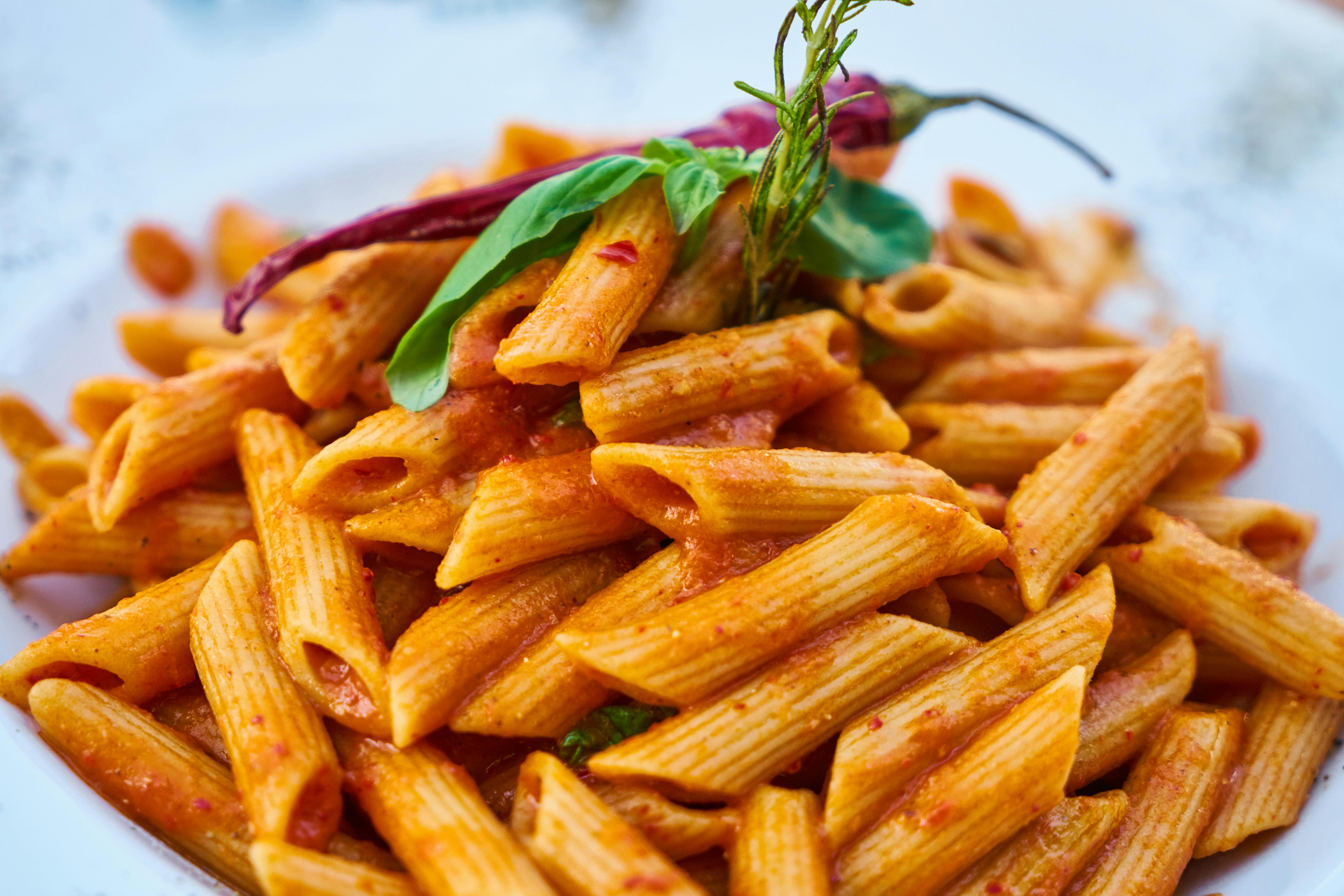
Think of it less as a “diet” and more as a delicious lifestyle: steaming bowls of bean‑rich stews, sun‑ripened tomatoes drizzled with peppery extra‑virgin olive oil, toasty whole‑grain bread, and vibrant salads piled high with herbs. These are the kinds of meals that support heart health, stable energy, and healthy aging — while still feeling like something to look forward to every single day.
Why Mediterranean & Blue‑Zone Diets Are Everywhere Right Now
Over the last few years, longevity content has exploded: documentaries on centenarians, podcasts with longevity doctors, and social feeds filled with “what people in the longest‑living places eat in a day.” At the center of so many of these stories are the Mediterranean diet and Blue‑Zone style eating.
What’s striking is how non‑extreme these patterns are. They’re not about cutting out entire food groups or chasing overnight results. Instead, they emphasize:
- Plenty of plants: vegetables, beans, lentils, whole grains, fruit.
- Healthy fats, especially extra‑virgin olive oil and nuts.
- Minimal ultra‑processed foods and sugary drinks.
- Regular fish and seafood; very little red or processed meat.
- Slow, social meals and home cooking over rushed eating.
In almost every long‑living community, the kitchen is a place of ritual: food is cooked from scratch, shared with others, and eaten without hurry.
For modern eaters who are tired of rigid rules, this “anti‑fad” approach is deeply appealing. It feels sustainable, flavorful, and flexible enough to fit almost any culture or budget — and emerging research continues to link these patterns to lower risks of heart disease, stroke, certain cancers, and type 2 diabetes.
What Are Blue Zones & How Do People There Eat?
Blue Zones are regions identified for their unusually high concentration of people living into their 90s and 100s with relatively low rates of chronic disease. The most commonly referenced Blue Zones include:
- Okinawa, Japan – Famous for sweet potatoes, tofu, bitter melon, seaweed, and green leafy vegetables.
- Ikaria, Greece – Aegean island with wild greens, beans, olive oil, and herbal teas.
- Sardinia, Italy – Mountain villages enjoying sourdough breads, beans, goat and sheep dairy, and garden vegetables.
- Nicoya, Costa Rica – Corn tortillas, black beans, squash, tropical fruit, and outdoor physical labor.
- Loma Linda, California (USA) – A community of Seventh‑day Adventists emphasizing plant‑based eating, nuts, and whole grains.
While the flavors and ingredients differ, their core food principles are remarkably consistent:
- Mostly plant‑based: Meat is a side note, not the centerpiece.
- Minimally processed: Foods are close to their natural form.
- Locally grown: Gardens, small farms, and seasonal produce are common.
- Slow food culture: Meals are social events, not solo chores.

Mediterranean Diet vs. Blue‑Zone Diets: Similar Roots, Local Flavor
The Mediterranean diet and Blue‑Zone diets are like cousins: they share a foundation but express it through local traditions and ingredients. The classic Mediterranean pattern is associated with countries like Greece, Italy, and coastal Spain, and typically features:
- Generous use of extra‑virgin olive oil.
- Plenty of fresh and cooked vegetables and fruits.
- Legumes (beans, lentils, chickpeas) several times a week.
- Whole grains such as barley, farro, whole‑wheat bread, and brown rice.
- Regular fish and seafood; smaller portions of poultry and eggs.
- Limited red and processed meat.
- Fermented dairy like yogurt and cheese in modest amounts.
- Optional red wine in moderation, typically with food and social context.
Blue‑Zone diets share many of these features but are often even more plant‑forward and slightly lower in animal products overall. Some, like Okinawa, are almost entirely plant‑based with very little added fat, while others, like Ikaria or Sardinia, rely heavily on olive oil or goat dairy.
6 Core Longevity Food Principles (You Can Start This Week)
You don’t have to recreate a specific village in Ikaria or Sardinia. Instead, you can translate the core patterns into your own kitchen, using local foods and familiar flavors. Here are the habits most often shared across Mediterranean and Blue‑Zone diets:
- Make plants the star of your plate.
Fill at least half your plate with vegetables and add beans, lentils, or whole grains to the rest. Think hearty lentil soups, chickpea stews, or grain bowls loaded with vegetables and herbs. - Switch to extra‑virgin olive oil as your main added fat.
Use it for salad dressings, drizzling over cooked vegetables, and gently sautéing. The peppery aroma and golden color add both flavor and heart‑healthy monounsaturated fats. - Eat fish and seafood regularly, if you include animal foods.
Aim for 1–3 times per week, focusing on grilled, baked, or stewed preparations rather than deep‑fried. - Enjoy nuts and seeds daily.
A small handful of almonds, walnuts, pistachios, or sunflower seeds makes an excellent snack or salad topping, bringing crunch, richness, and satisfying healthy fats. - Make fruit your default dessert.
Ripe peaches, berries, figs, or citrus provide natural sweetness, fiber, and antioxidants without the crash of refined sugar. - Cook at home and eat slowly with others when possible.
Longevity isn’t just what you eat; it’s how you eat it. Setting the table, turning off screens, and lingering over meals are all part of the pattern observed in long‑living communities.

Recipe: Mediterranean Blue‑Zone–Inspired Chickpea & Vegetable Stew
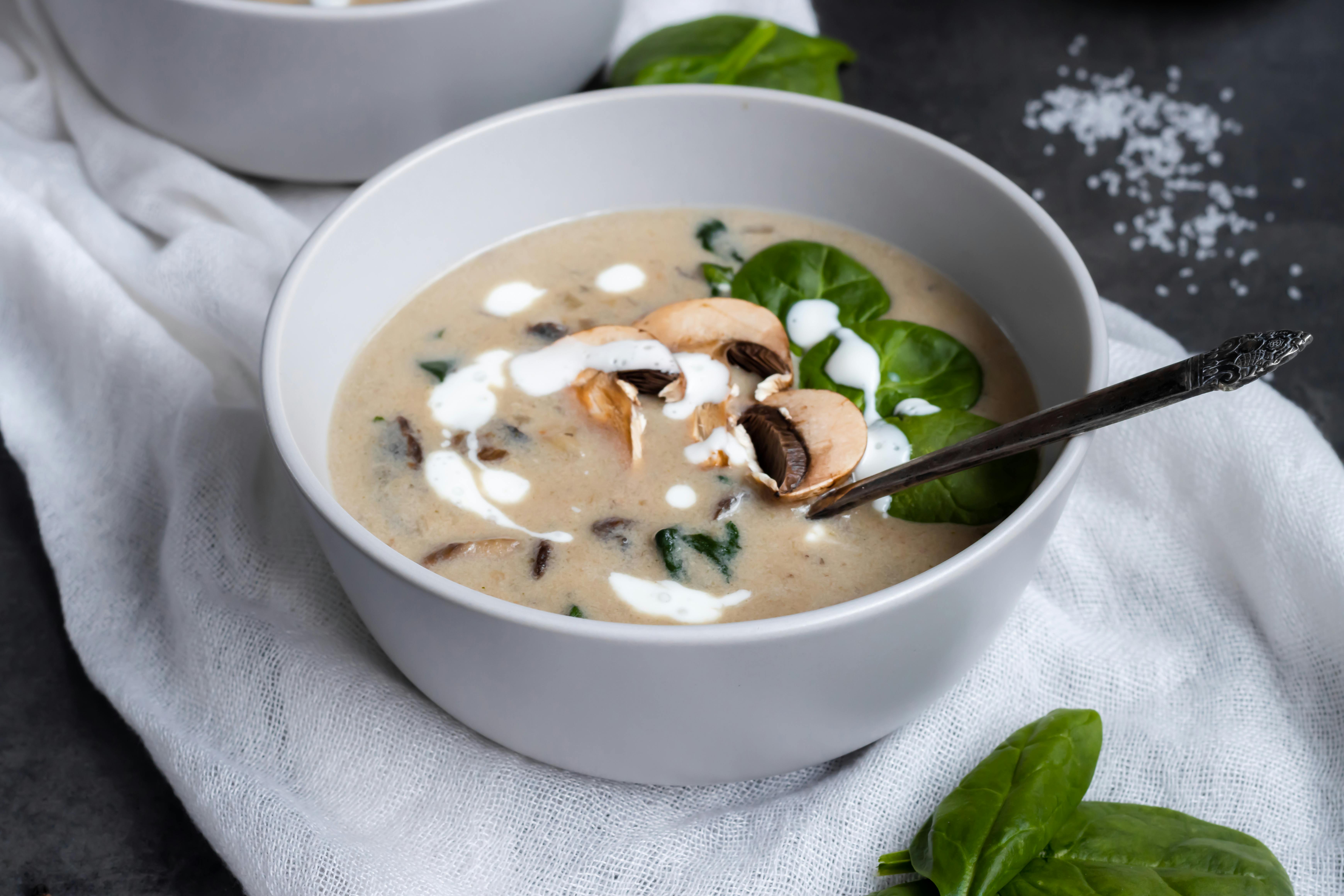
To bring these ideas to life, here’s a cozy, one‑pot stew inspired by Mediterranean and Blue‑Zone traditions. It’s naturally vegan, rich in fiber and plant protein, and deeply aromatic with tomatoes, garlic, and herbs. The chickpeas become creamy as they simmer, the vegetables soften into a silky broth, and a final splash of olive oil adds a luxurious, peppery finish.
Prep: 15 minutes
Cook: 35 minutes
Total: 50 minutes
Servings: 4 servings
Difficulty: Easy
Diet: https://schema.org/VegetarianDiet, https://schema.org/GlutenFreeDiet (with noted swaps)

Equipment
- Large heavy‑bottomed pot or Dutch oven (4–5 liters/quarts)
- Cutting board and sharp chef’s knife
- Wooden spoon or heat‑safe spatula
- Measuring cups and spoons
- Ladle for serving
Ingredients
- 3 tbsp extra‑virgin olive oil, plus more for drizzling
- 1 medium yellow onion, finely chopped
- 2 medium carrots, sliced into half‑moons
- 2 celery stalks, sliced
- 3 cloves garlic, minced
- 1 red bell pepper, chopped
- 1 tsp ground cumin
- 1 tsp smoked or sweet paprika
- 1/2 tsp dried oregano or thyme
- 1/4–1/2 tsp red pepper flakes (optional, for gentle heat)
- 1 can (400 g / 14 oz) diced tomatoes, with juices
- 2 cans (each 400 g / 14 oz) chickpeas, drained and rinsed
- 4 cups (1 liter) low‑sodium vegetable broth or water
- 2 cups (loosely packed) chopped leafy greens (kale, spinach, or chard)
- 1 bay leaf
- Salt and freshly ground black pepper, to taste
- Juice of 1/2 lemon
- 2–3 tbsp chopped fresh parsley or cilantro, for serving
Step‑by‑Step Instructions
- Warm the olive oil.
Set a large pot over medium heat and add 3 tablespoons of extra‑virgin olive oil. Allow it to heat gently until it shimmers and smells fragrant, but isn’t smoking. - Sauté the base vegetables.
Add the chopped onion, carrots, and celery with a pinch of salt. Cook, stirring occasionally, for 6–8 minutes until the vegetables soften and the onion turns translucent and lightly golden at the edges. - Add garlic and bell pepper.
Stir in the minced garlic and chopped red bell pepper. Cook for 2–3 minutes more, just until the garlic is aromatic and the pepper starts to soften. - Bloom the spices.
Sprinkle in the cumin, paprika, dried oregano or thyme, and red pepper flakes if using. Stir for about 30 seconds to 1 minute. The spices should release a warm, toasty aroma without burning. - Deglaze with tomatoes.
Pour in the can of diced tomatoes with their juices. Stir well, scraping up any browned bits from the bottom of the pot — this adds depth and a subtle sweetness. - Add chickpeas and broth.
Tip in the rinsed chickpeas, then pour in the vegetable broth or water. Add the bay leaf and another small pinch of salt. Increase the heat to bring everything to a gentle boil. - Simmer until flavors meld.
Once boiling, reduce the heat to low, cover the pot partially, and simmer for about 20 minutes. The broth will thicken slightly, and the chickpeas will absorb the garlicky, tomato‑herb flavors. - Stir in the greens.
Add the chopped leafy greens, pressing them down into the broth. Simmer uncovered for 5–10 minutes more, until the greens are tender but still bright and the stew has a velvety consistency. - Finish with lemon and olive oil.
Remove the bay leaf. Stir in the lemon juice and taste. Adjust salt, pepper, or lemon as needed. For a traditional Mediterranean touch, drizzle a tablespoon or two of extra‑virgin olive oil over the pot or individual bowls just before serving. - Serve and enjoy slowly.
Ladle the stew into warm bowls. Garnish with fresh parsley or cilantro. Serve with crusty whole‑grain bread or cooked barley or quinoa. Take a seat, exhale, and give yourself time to really taste each spoonful.

Storage, Reheating & Meal‑Prep Tips
This stew is a meal‑prep dream: the flavors deepen after a day in the fridge, and it reheats beautifully.
- Fridge: Cool completely, then store in an airtight container for up to 4 days.
- Freezer: Portion into freezer‑safe containers, leaving a little space at the top. Freeze for up to 2–3 months. Thaw overnight in the fridge for best texture.
- Reheating (stovetop): Warm gently over low to medium heat with a splash of water or broth, stirring occasionally until hot.
- Reheating (microwave): Heat in a covered, microwave‑safe bowl in 60–90 second bursts, stirring between intervals to ensure even heating.
- Freshen it up: Just before serving leftovers, add a squeeze of lemon, a drizzle of olive oil, and a sprinkle of fresh herbs to wake up the flavors.
How to Serve: Build a Mediterranean‑Inspired Longevity Meal
To turn this stew into a full Mediterranean or Blue‑Zone–style meal, think about simple, satisfying accompaniments that keep plants at the center and minimize ultra‑processed foods.
- Whole‑grain side: Serve with whole‑grain sourdough, barley, brown rice, or quinoa to add extra fiber and staying power.
- Bright salad: Pair with a simple salad of tomatoes, cucumbers, onions, and olives dressed with olive oil, lemon, and fresh herbs.
- Yogurt or plant‑based topping: Add a spoonful of plain Greek yogurt or unsweetened plant yogurt on top for creaminess and tang.
- Fruit dessert: Finish with fresh seasonal fruit — oranges with a sprinkle of cinnamon, sliced pears, or a bowl of berries.
- Mindful drink: Enjoy water, sparkling water with citrus, herbal tea, or (if appropriate for you) a small glass of red wine with food.

Making Longevity Eating Sustainable in Real Life
One of the most encouraging lessons from Mediterranean and Blue‑Zone research is that longevity isn’t about perfection. People in these regions aren’t counting macros or following strict meal plans — they’re cooking familiar foods, moving their bodies naturally, and maintaining strong social connections.
You can start very small: swap one or two meals a week for plant‑based options like this chickpea stew, add an extra serving of vegetables to dinner, or begin using olive oil instead of ultra‑processed spreads. Invite a friend over, or share the pot with your family, and take the time to actually sit and savor the meal.
Over time, these gentle shifts — more plants, healthy fats, home cooking, and shared meals — can build into a way of eating that supports not just a longer life, but a richer, more delicious one.
