
Live to 100 on Your Plate: Blue Zone-Inspired Longevity Eating You’ll Actually Crave
Blue Zones, Longevity Diets & the Rise of “Live to 100” Eating
Interest in Blue Zones and longevity-focused diets has exploded in recent years as more people look beyond quick-fix weight loss and toward eating patterns that support living longer, stronger, and more vibrantly. By borrowing simple, delicious habits from the world’s longest-living communities, home cooks can enjoy deeply satisfying, plant-forward meals that nourish both body and soul.
From cozy “longevity stews” to colorful Blue Zone breakfast bowls, this guide explores what makes these ways of eating so powerful—and gives you a practical, recipe-ready framework you can use in your own kitchen today.
Why Blue Zone & Longevity Diets Are Everywhere Right Now
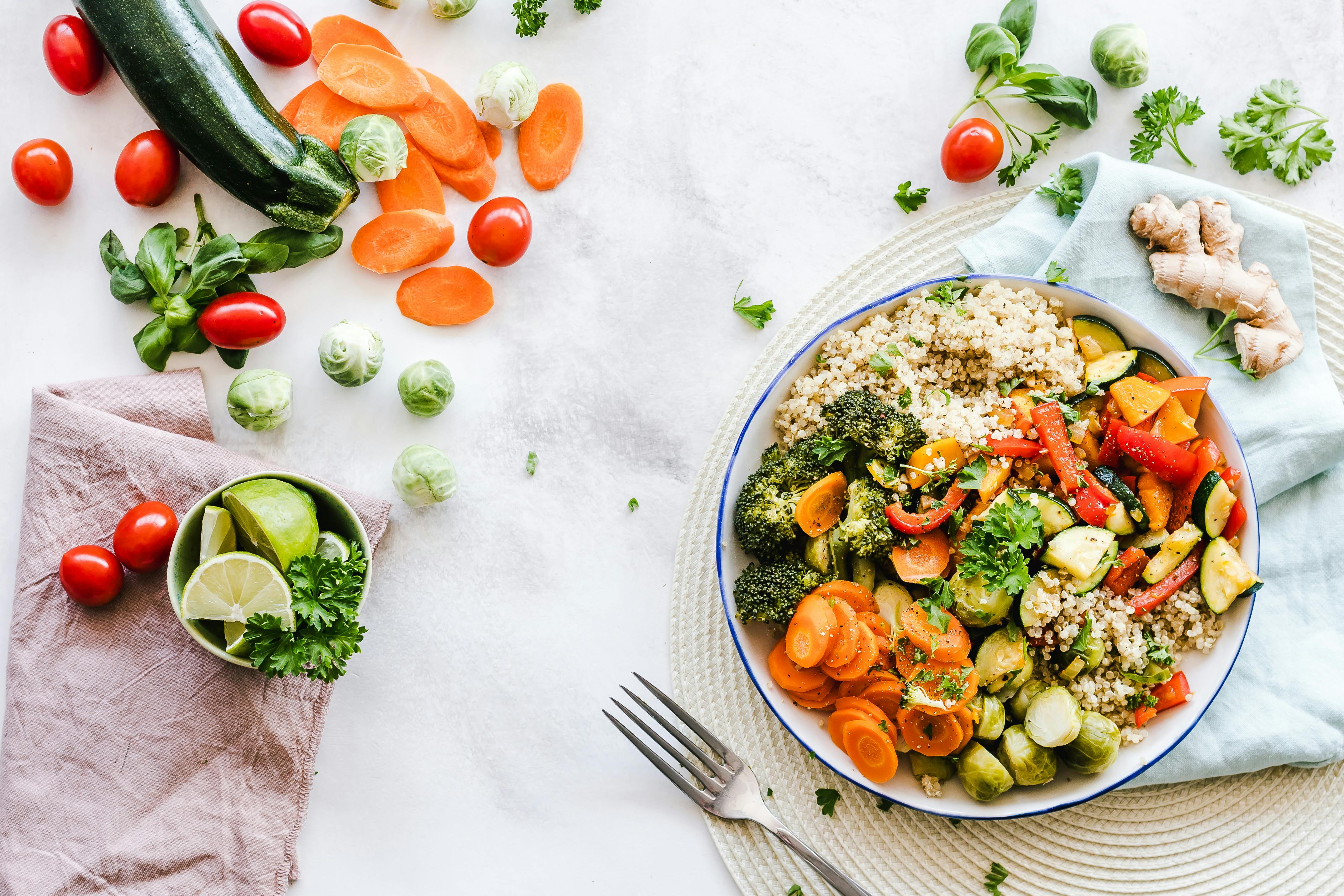
Over 2025 and into early 2026, Blue Zone content has become one of the dominant forces in nutrition and wellness. Documentaries and streaming series have turned once-obscure regions—Okinawa, Sardinia, Nicoya, Ikaria, and Loma Linda—into household names. Search pages and social feeds are filled with:
- “What I eat in a day for longevity” vlogs
- Deep dives into foods like sardines, extra-virgin olive oil, walnuts, and fermented veggies
- Side-by-side comparisons of typical Western diets vs. Blue Zone patterns
The magic? These aren’t fad diets. They’re gentle, flexible patterns centered on real food, shared meals, and lifestyle habits that have quietly supported long, healthy lives for generations.
In every Blue Zone, food is more than fuel; it’s a daily ritual of connection, comfort, and care—for ourselves and for each other.
The Blue Zone Plate: Core Longevity Eating Principles
Despite living oceans apart, Blue Zone communities share strikingly similar food patterns. Think of these as your “always reliable” guidelines whenever you plan a meal.
1. Plant-Centric, Not Necessarily 100% Plant-Based
Beans, lentils, chickpeas, whole grains, fruits, and vegetables form the heart of most Blue Zone meals. Legumes, in particular, show up daily: buttery cannellini beans in Sardinia, black beans in Nicoya, and soy in Okinawa.
- Taste & texture: Creamy beans, chewy whole grains, and crisp-tender vegetables create layers of satisfaction.
- Nutrition: High fiber, plant protein, and a spectrum of vitamins and minerals keep blood sugar steady and hunger satisfied.
2. Minimal Ultra-Processed Foods
Packaged snacks, sugary drinks, and fast food are rare. Instead, there’s a rhythm of home cooking: pots of beans simmering, vegetables sautéed in olive oil, simple breads and porridges.
3. Modest Animal Products
Meat isn’t the main event. Many Blue Zone families enjoy fish, eggs, or small portions of meat only a few times per week, more as flavor than centerpiece.
If you eat animal products, imagine them as a garnish—a sprinkle of tangy sheep’s cheese, a few pieces of slow-cooked lamb, or a fillet of oily fish rich in omega-3s.
4. Healthy Fats, Generously but Mindfully
Extra-virgin olive oil, nuts, and seeds give Blue Zone dishes their lush mouthfeel and satisfying richness without relying on heavy cream or deep frying.
- Olive oil drizzled over beans or vegetables
- Walnuts or almonds scattered on salads or breakfast bowls
- Occasional fatty fish, like sardines, mackerel, or salmon
5. Natural Eating Rhythms
Longevity eating is as much about how you eat as what you eat. In many Blue Zones:
- Portions are modest, with more food earlier in the day.
- There’s less late-night snacking and overeating.
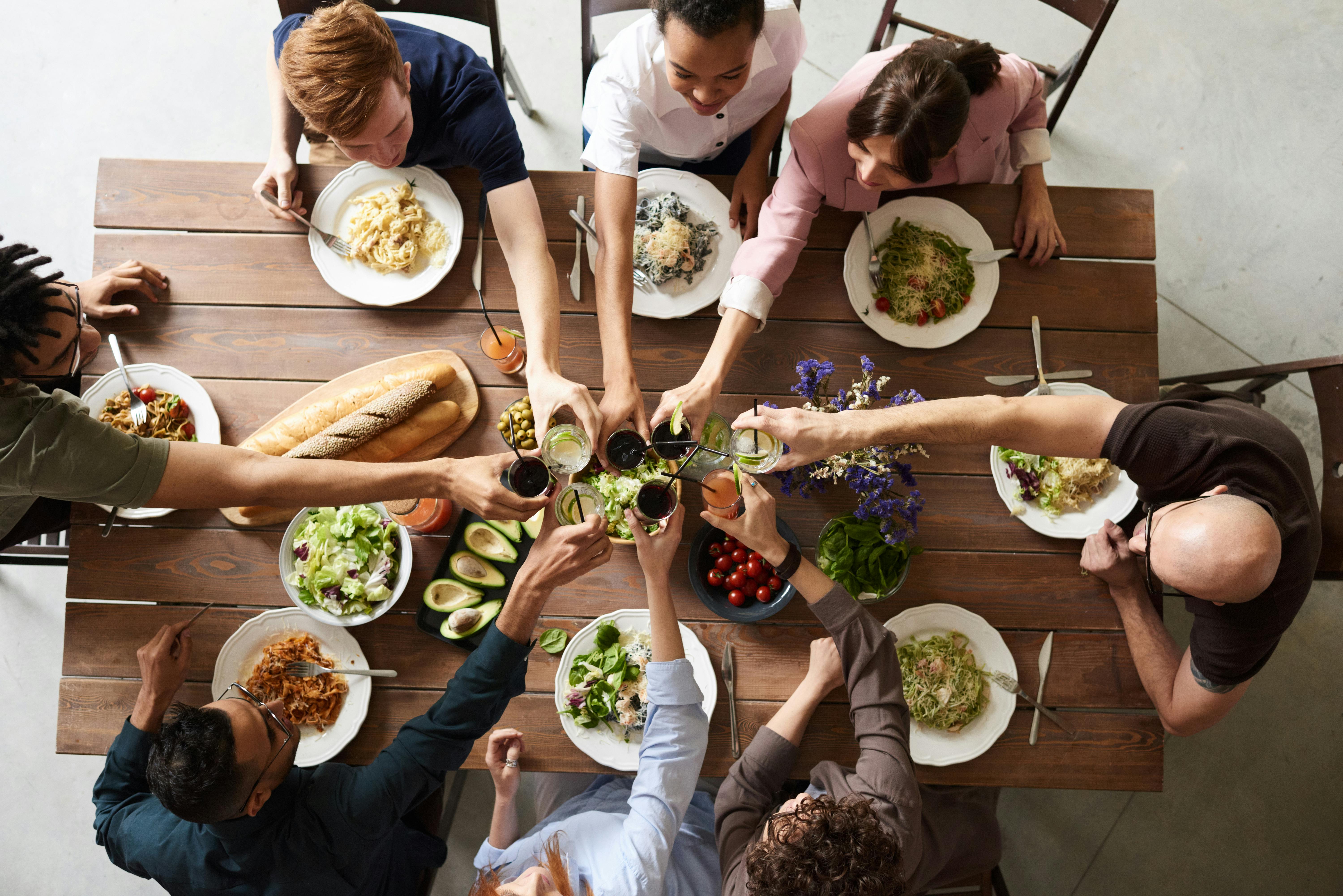
- Meals are eaten slowly, often with company, creating natural pauses and fullness cues.
How Longevity Diets Support Metabolic Health & “Cellular Nutrition”
A huge part of the modern excitement around Blue Zones is how clearly their menus support metabolic health. High-fiber, minimally processed foods are a gentle gift to your blood sugar, digestion, and long-term energy.
Fiber: Your Quiet Superpower
Beans, whole grains, vegetables, and fruits slow the release of glucose into your bloodstream, so you skip the spike-and-crash roller coaster. Over time, this supports:
- More stable energy throughout the day
- Better insulin sensitivity
- Improved gut health and regular digestion
Nutrient Density & “Feeding Your Cells”
Longevity creators often talk about “cellular nutrition”—the idea of feeding your mitochondria (your cells’ tiny power plants) what they need to thrive. Colorful plants bring antioxidants and polyphenols that may help reduce chronic inflammation and support healthy aging.
In practice, that looks like:
- Deep greens (spinach, kale, wild herbs)
- Dark berries and purple foods (blueberries, black beans, red cabbage)
- Orange and red vegetables (sweet potatoes, tomatoes, peppers)

Beyond the Plate: Movement, Sleep & Social Connection
The most thoughtful Blue Zone and longevity content creators consistently point out: food is just one pillar. What makes these communities extraordinary is how naturally they weave together:
- Regular, gentle movement—walking, gardening, climbing hills, household tasks.
- Strong social ties—shared meals, community gatherings, multi-generational homes.
- Restorative sleep and daytime rhythms that honor pauses and breaks.
- Stress management—rituals like afternoon naps, prayer, or quiet tea time.
When you bring these habits together with nourishing food, you get a sustainable, health-span–oriented lifestyle—not just another short-term diet.
Recipe: Blue Zone-Inspired Longevity Bean & Greens Stew
This cozy, plant-forward stew borrows from Sardinian minestrone, Okinawan vegetable soups, and Greek village cooking. It’s built on humble pantry ingredients—beans, greens, whole grains, and good olive oil—yet the flavor is deeply satisfying: tender beans, silky greens, and a broth kissed with garlic and herbs.
The aroma as it simmers—garlic softening in olive oil, tomatoes melting into a savory base, herbs releasing their perfume—turns your kitchen into a little Blue Zone of its own.
Prep time: 15 minutes
Cook time: 35 minutes
Total time: 50 minutes
Servings: 4
Difficulty: Easy home cook

Ingredients & Equipment for Longevity Stew
Ingredients (serves 4)
- 2 tbsp extra-virgin olive oil
- 1 medium yellow onion, finely chopped
- 2 medium carrots, diced
- 2 celery stalks, diced
- 3 cloves garlic, minced
- 1 tsp dried oregano (or thyme)
- 1 tsp dried rosemary, lightly crushed
- 1/2 tsp smoked paprika (optional but adds depth)
- 1 cup canned crushed tomatoes (or passata)
- 4 cups low-sodium vegetable broth (or water + 1 bouillon cube)
- 2 cups cooked beans (such as cannellini, chickpeas, or black beans), drained and rinsed
- 1/2 cup small whole grains (farro, barley, brown rice, or millet), rinsed
- 4 packed cups chopped leafy greens (kale, chard, spinach, or a mix)
- 1 bay leaf
- 1–1.5 tsp sea salt, to taste
- Freshly ground black pepper, to taste
- Juice of 1/2 lemon (or 1–2 tsp apple cider vinegar), to finish
- 2–3 tbsp chopped fresh parsley or basil, for serving
- Extra-virgin olive oil, for drizzling at the end
Equipment You’ll Need
- Large, heavy-bottomed pot or Dutch oven (at least 4–5 quarts)
- Cutting board and sharp knife
- Wooden spoon or heat-safe spatula
- Measuring cups and spoons
- Ladle for serving
How to Make Blue Zone-Inspired Longevity Stew
- Warm the olive oil. In a large pot over medium heat, add 2 tbsp olive oil. Let it warm until it shimmers slightly but doesn’t smoke.
- Sauté the aromatics. Add the onion, carrots, and celery. Cook, stirring occasionally, for 6–8 minutes, until the vegetables are soft and starting to turn golden at the edges. You should smell a gentle sweetness.
- Add garlic & spices. Stir in the garlic, oregano, rosemary, and smoked paprika (if using). Cook for 30–60 seconds, just until fragrant—this keeps the garlic sweet instead of bitter.
- Build the broth base. Pour in the crushed tomatoes and cook for 2–3 minutes, stirring, to let the flavors meld. Then add the vegetable broth, bay leaf, and whole grains. Stir well and bring to a gentle boil.
- Simmer until grains are tender. Reduce the heat to low, cover the pot partially (leave a small gap), and simmer for 15–20 minutes, or until the grains are mostly cooked but still a bit firm in the center.
- Add beans & greens. Stir in the cooked beans and chopped greens. Season with 1 tsp salt and a few grinds of black pepper. Simmer gently for another 8–10 minutes, until the greens are tender and the grains are fully cooked.
- Taste & brighten. Remove the bay leaf. Taste the stew and adjust: add more salt if needed, and stir in the lemon juice or vinegar for brightness. The acidity should wake up the flavors without making the stew sour.
- Serve with Blue Zone flair. Ladle into warm bowls. Finish with a drizzle of extra-virgin olive oil, a sprinkle of fresh herbs, and, if you’d like, a spoonful of cooked whole grains on top for extra texture.
Variations, Swaps & Dietary Adaptations
One of the joys of Blue Zone–style cooking is how forgiving it is. You’re invited to adapt based on what’s in your pantry, what’s in season, and how you like to eat.
Make It Gluten-Free
- Use brown rice, millet, or quinoa instead of farro or barley.
- Always double-check broth and bouillon for gluten-free labeling.
Boost Protein & Fiber Even More
- Add an extra 1/2–1 cup of beans or lentils.
- Stir in 2–3 tbsp hemp seeds or ground flax seeds at the end (off the heat).
Mediterranean-Okinawan Fusion Twist
- Swap some beans for cubed firm tofu or edamame.
- Add a small piece of kombu seaweed while simmering (remove before serving).
- Finish with a splash of soy sauce or tamari instead of, or in addition to, salt.
Optional Fish Garnish (Pescatarian)
If you enjoy fish and want to echo some coastal Blue Zones:
- Top each bowl with 1–2 tbsp flaked canned sardines or mackerel packed in olive oil.
- Keep portions small—think of it as a savory, omega-3–rich garnish, not the main component.
Storage, Reheating & Meal Prep Tips
Like many bean stews, this longevity pot actually tastes better the next day as the flavors deepen and mingle.
Storage
- Cool completely, then store in airtight containers in the fridge for up to 4 days.
- For longer storage, freeze in single-portion containers for up to 3 months.
Reheating
- Stovetop: Reheat gently over low–medium heat, adding a splash of water or broth if it has thickened.
- Microwave: Heat in 60–90 second bursts, stirring in between, until steaming hot throughout.
Meal-Prep Ideas
- Cook a big batch on Sunday and portion into containers with a side of cooked whole grains or a slice of whole-grain bread.
- Keep washed salad greens in the fridge so you can pair a bowl of stew with a quick olive-oil-lemon salad.
Serving Suggestions & Complementary Longevity Dishes
Turn your stew into a full Blue Zone–inspired meal by adding one or two simple sides. Think color, crunch, and contrast.
- Fresh salad: Mixed greens, tomato, cucumber, red onion, olives, and a lemon–olive oil dressing.
- Whole-grain bread: A small slice of dense, whole-grain or sourdough bread for dipping into the broth.
- Simple fermented side: A spoonful of sauerkraut, kimchi, or pickled vegetables to add tang and live cultures.
- Fruit finish: A bowl of seasonal fruit—orange slices, berries, or sliced apple with walnuts—for a light, naturally sweet dessert.
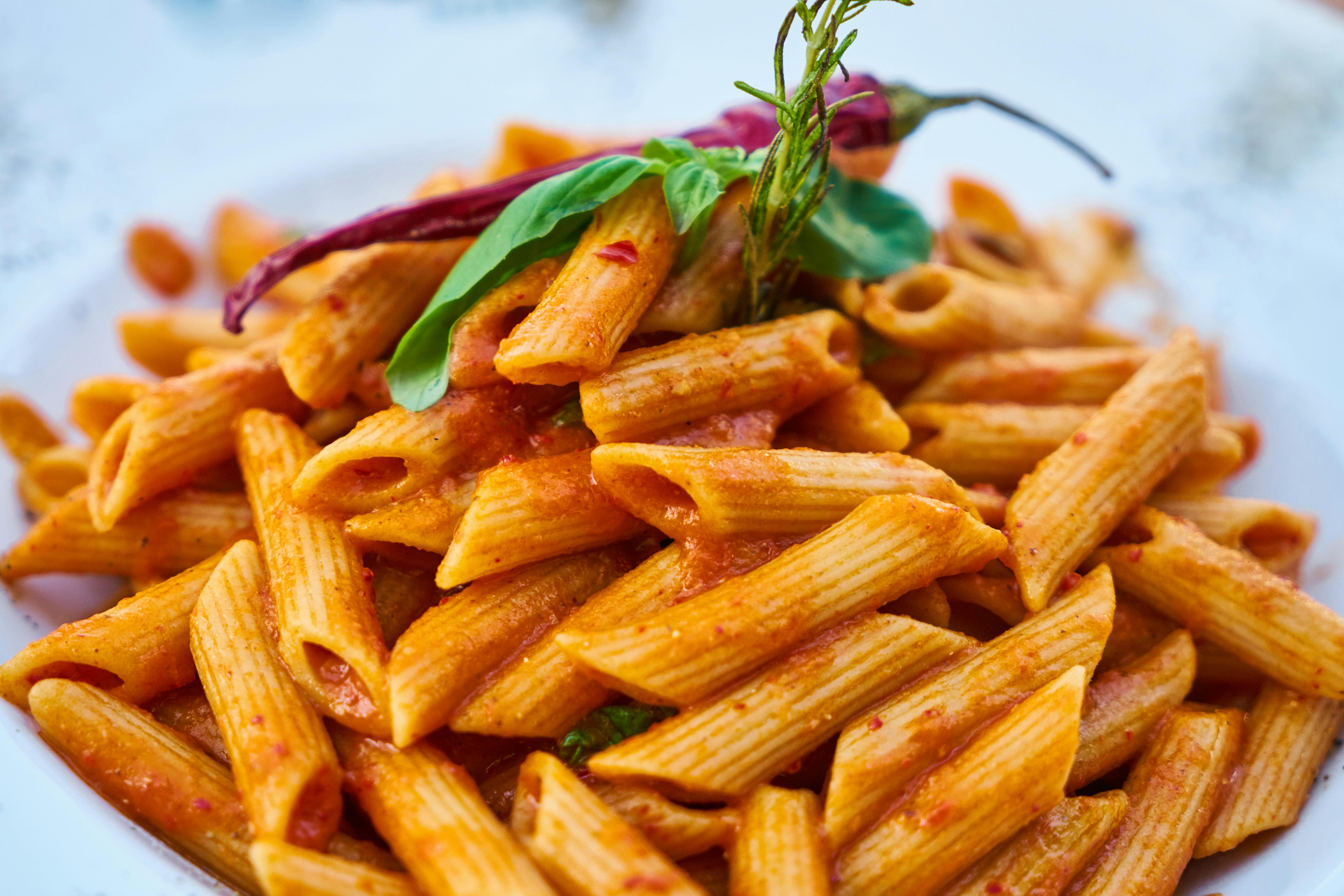
Most of all, if you can, share it. Invite a friend, a neighbor, or a family member, and linger at the table. That shared time is as much a part of “eating for 100” as the beans and greens in your bowl.
Bringing Blue Zone Wisdom Into Your Everyday Kitchen
You don’t need to move to a different country—or overhaul your entire diet overnight—to benefit from Blue Zone and longevity principles. Each pot of bean stew, each extra handful of greens, each shared, unhurried meal is a small, powerful investment in your future self.
Start with this longevity stew once this week. Notice how you feel after eating it—comfortably full, steady energy, no heavy crash. Then, little by little, let those feelings guide you toward more plant-forward, minimally processed, joyful meals.
Your kitchen can absolutely become your own mini Blue Zone—one lovingly cooked bowl at a time.
