
Julio Iglesias Faces Sexual Assault Allegations: What the New Case Could Mean for a Global Icon
Julio Iglesias Allegations Put a Global Music Legacy Under New Scrutiny
Spanish prosecutors are now formally studying sexual assault allegations against Grammy-winning singer Julio Iglesias, brought by two former employees who say the abuse took place at his homes in the Dominican Republic and the Bahamas. The case touches on far more than one artist’s reputation: it sits at the intersection of #MeToo-era accountability, cross‑border justice, and the complicated way we reassess entertainment icons whose songs helped define entire generations.
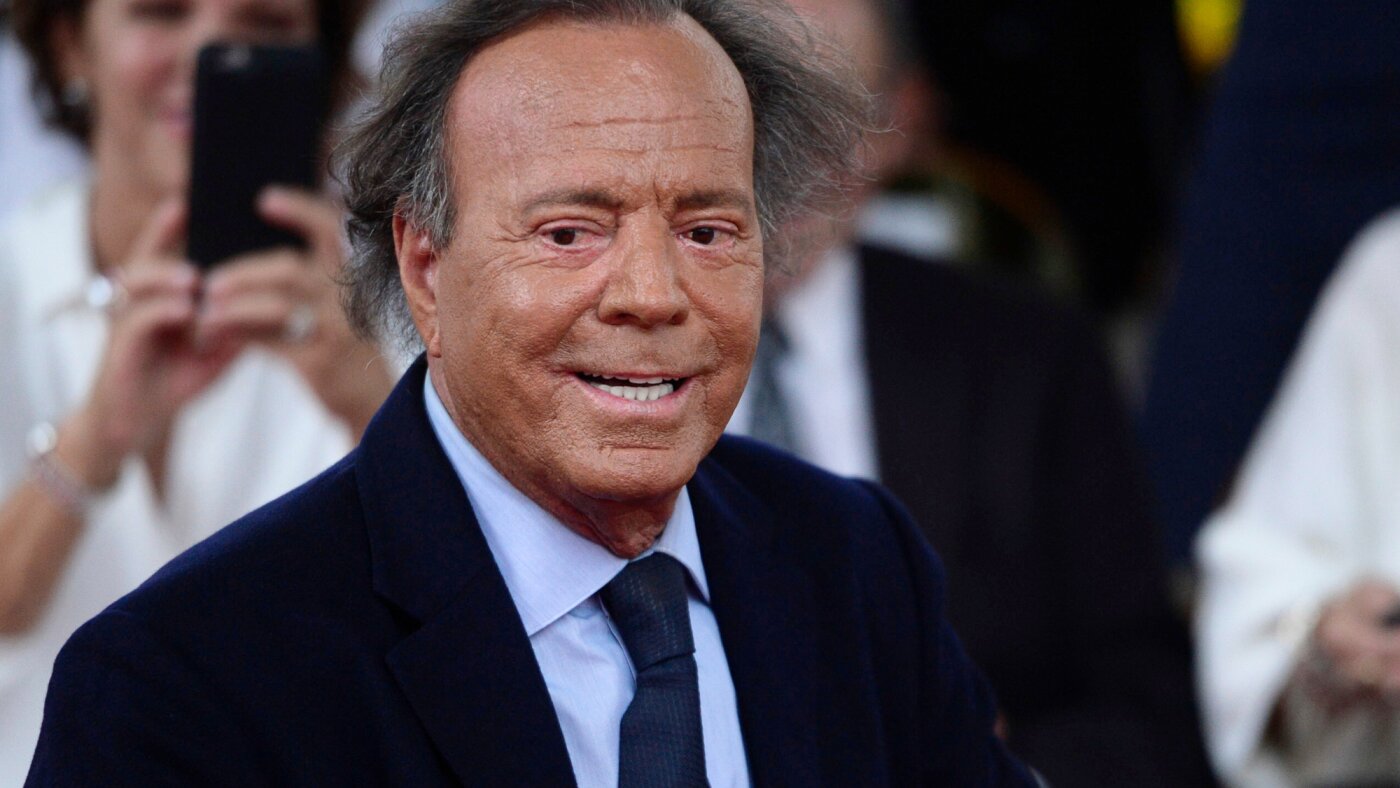
As investigators in Spain review the complaint, the entertainment industry once again finds itself navigating a now-familiar dilemma: how do we confront allegations against a beloved star whose music, persona, and brand have been woven into pop culture for decades, while still respecting due process and the presumption of innocence?
Who Is Julio Iglesias in the Landscape of Global Pop?
Long before reggaeton and Latin trap stormed global charts, Julio Iglesias was one of the first Spanish-language superstars to cross over into mainstream international pop. A former Real Madrid youth goalkeeper turned crooner after a car accident, he built a career on romantic ballads, tuxedoed elegance, and a carefully crafted gentlemanly mystique.
His catalog spans Spanish, English, French, Italian, and Portuguese, with hits like “To All the Girls I’ve Loved Before” and “Hey!” soundtracking everything from wedding playlists to late-night radio for decades. By industry estimates, he has sold hundreds of millions of records worldwide, putting him in the same commercial league as legacy acts like Elton John or Billy Joel—albeit with a distinctly Latin romantic brand.
“Julio Iglesias is one of the most successful Latin artists in history, whose smooth vocals and romantic ballads made him an international superstar.”
This carefully maintained persona is precisely what makes the current allegations so culturally jarring. The same image that sold millions of records now sits uneasily beside accounts that, if proven, would recast the power dynamics behind that glossy façade.
What Spanish Prosecutors Are Reviewing – and Why It Matters
According to reports, two former employees have accused Iglesias of sexual assault at his residences in the Dominican Republic and the Bahamas. Spanish prosecutors are now examining those allegations to determine whether they can, and should, move forward with a formal case. At this stage, they are assessing available evidence and legal jurisdiction—an especially complex issue when alleged incidents occur outside Spain.
In legal terms, this is a preliminary phase, not a conviction. Authorities will weigh:
- Whether Spanish courts have jurisdiction based on nationality and location of the alleged crimes.
- Available testimony, documentation, and any corroborating material from the complainants.
- Potential cooperation from authorities in the Dominican Republic and the Bahamas.
For a global audience used to consuming celebrity news in headline form, it’s worth underscoring: allegations under review do not equal guilt. The process is designed—at its best—to protect both alleged victims and the accused while facts are examined.
The #MeToo Era, Latin Icons, and a Shifting Culture of Accountability
The Julio Iglesias case arrives years after #MeToo first rattled Hollywood, but the cultural wave has been slower and more uneven across Latin music and Spanish-language media. There have been public reckonings—accusations against artists and TV personalities in Mexico, Spain, and across Latin America—but not quite the same sweeping, industry-wide housecleaning seen in U.S. film and television.

Iglesias also belongs to an older generation of male performers whose public image leaned heavily on seduction and exaggerated machismo—think lounge-lizard charm packaged as harmless romance. In the ’70s and ’80s, that persona was marketed as aspirational. In 2026, audiences are far more likely to question what power imbalances fueled that fantasy.
Critics have increasingly argued that the industry must re-examine the conditions that allowed alleged abuse to flourish, from permissive touring cultures to insular compounds where staff depended on a star’s goodwill for both livelihood and immigration security.
“We’re not just reassessing individual men; we’re reassessing an entire ecosystem that made certain behaviors feel untouchable for decades.”
Can You Separate the Artist from the Allegations?
Whenever a legacy artist faces serious accusations, the same questions come up: can you still play the records? Program the songs on radio? Stream the greatest hits without feeling complicit? With Julio Iglesias, those questions have particular weight for fans in Spain, Latin America, and older diaspora communities for whom his music is part family history.

Different stakeholders tend to draw different lines:
- Fans may keep listening privately but feel uneasy about public celebration.
- Radio and streaming curators often wait for legal clarity before altering playlists, but they can quietly de‑emphasize an artist.
- Labels and rights holders typically default to silence, weighing royalty flows against reputational risk.
None of this is tidy. The conversation around Iglesias doesn’t demand instant cancellation, but it does invite a more honest look at how power, gender, and celebrity functioned in the glossy world his romantic ballads helped to sell.
How Media and Industry Might Respond Next
As prosecutors continue their examination, media coverage will likely walk a tightrope between public interest and legal caution. Reputable outlets tend to:
- Emphasize that allegations are under investigation, not proven facts.
- Offer space for both complainants’ accounts and formal statements from Iglesias’s legal team.
- Avoid sensational details that could prejudice any future trial.

Within the music business, the likely short‑term playbook is discreet caution rather than public declarations—fewer new compilations or splashy re‑issues, more behind-the-scenes monitoring of public sentiment. Legacy management teams have watched what happened with other artists facing allegations and learned that overreacting or underreacting can both backfire.
Looking Ahead: What This Case Signals for Global Entertainment
However prosecutors ultimately rule on the Julio Iglesias allegations, the mere fact that such a towering figure can face this level of legal scrutiny reflects a profound cultural shift. The old logic—that some stars were simply too big, too beloved, or too entrenched to be seriously challenged—is steadily eroding.

For audiences, the path forward is less about instant moral verdicts and more about staying informed, listening carefully to those who come forward, and insisting that due process and empathy can coexist. For the industry, it’s another reminder that the era of unchecked star power is over—even, it seems, for the crooners who once soundtracked the world’s slow dances.
As Spanish authorities continue their review, the story of Julio Iglesias is no longer just about chart-topping ballads; it’s about what kind of accountability system global entertainment is willing—and finally able—to build.
Sources and Further Reading
- NPR – Entertainment and Music News
- Julio Iglesias – IMDb Profile
- Julio Iglesias – Grammy.com Artist Page
Note: All individuals are presumed innocent until proven guilty in a court of law. This article summarizes publicly reported information and does not assert the truth or falsity of any allegation.
