
Jay Leno, Caregiving, and the Parasocial Line: When Fans Go Too Far
Jay Leno, Parasocial Fans, and the Awkward Question No Caregiver Deserves
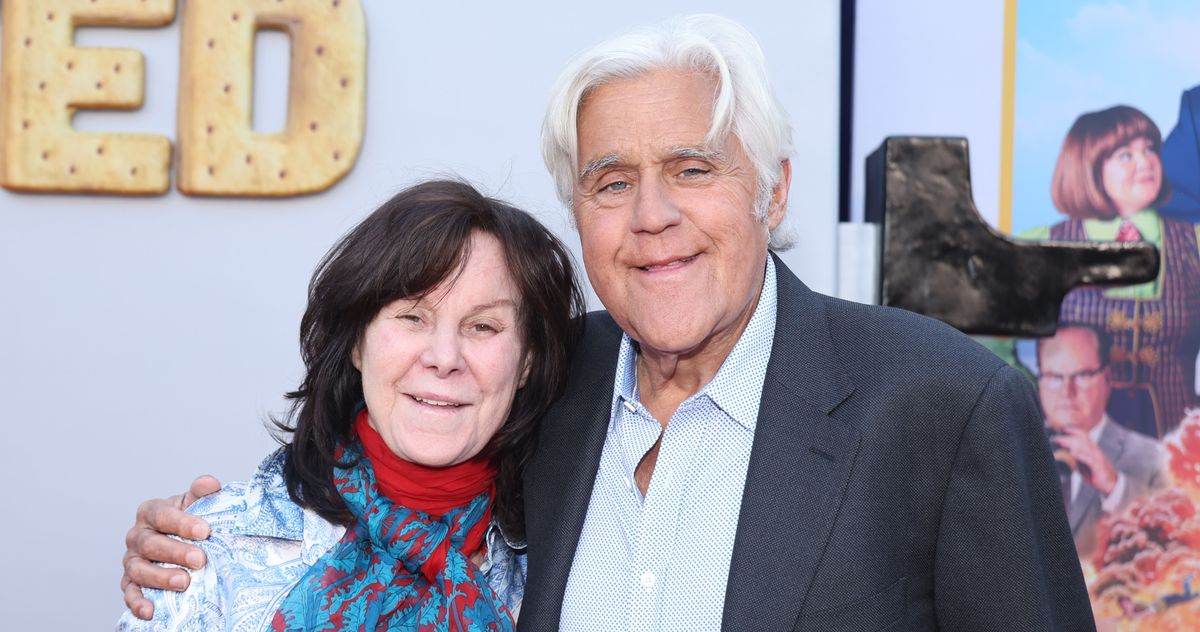
Jay Leno has spent decades in America’s living rooms as the affable, denim-clad host of The Tonight Show. Now, at 74, he’s in a very different role: full-time caregiver to his wife of 45 years, Mavis, who is living with dementia. In a recent story covered by Vulture, Leno recalled that someone actually asked if he was going to “get a girlfriend” now that his wife is ill— a moment that says a lot about parasocial fandom, the way we talk about dementia, and what long marriages in Hollywood really look like.
From Late-Night Legend to Full-Time Caregiver
For most of his career, Jay Leno has been defined by work ethic and stability. While late-night hosts often trade in chaos and scandal, Leno’s brand was “normal guy with an abnormal number of cars.” The one constant beneath the monologues and headlines? His marriage to Mavis.
When reports confirmed that Mavis is living with dementia, it added a new, sobering chapter to Leno’s public story. He became, very visibly, part of a growing generation of celebrity caregivers—alongside figures like Seth Rogen, who has advocated around Alzheimer’s in honor of his mother-in-law, and Carey Mulligan, who has spoken about her grandmother’s dementia.
Dementia has quietly reshaped countless families; seeing it intersect with the life of a household-name comedian pulls the condition out of medical abstracts and right into the heart of pop culture.

“Going to Get a Girlfriend?” – When Parasocial Becomes Parasocially Awkward
The detail that set social media buzzing, and Vulture’s headline spinning, was Leno’s recounting of a question someone asked him: now that his wife has dementia, was he planning to “get a girlfriend”? Even in a celebrity-obsessed culture, that’s jarringly crass.
Parasocial? More parasocially awkward.
The exchange is a neat, if uncomfortable, case study in parasocial relationships—the one-way bonds fans feel toward public figures. Viewers who have watched Leno for decades often talk to him in their heads; some eventually talk to him in person as if that imagined friendship were mutual. That intimacy can be sweet, but it can also override basic empathy and boundaries.
- Dehumanization by familiarity: Treating a real spouse like a plot point in Jay’s “character arc.”
- Entertainment logic applied to real illness: As if his life needs a new romantic “storyline” to keep things interesting.
- Casual cruelty: Implying that a partner with dementia is effectively gone and therefore replaceable.
Dementia, Marriage, and Hollywood’s Uneasy Relationship with Aging
Dementia has long struggled against stigma and silence. Even in a media landscape that now talks openly about depression and anxiety, cognitive decline often remains hidden until it’s impossible to ignore. That’s partly why stories like Leno and Mavis’s matter: they give a recognizable face to an illness that many only whisper about.
In Hollywood, where youth is a currency and relationships can feel refreshingly—or depressingly— short-term, a 45-year marriage is already unusual. Add a degenerative condition, and the relationship suddenly gets framed through a very different lens: loyalty, duty, and the complicated ethics of love when memory itself is unstable.

We’ve seen more nuanced portrayals of dementia on screen in the past decade:
- Still Alice (2014) brought early-onset Alzheimer’s into the mainstream, with Julianne Moore’s Oscar-winning performance.
- The Father (2020) used disorienting structure to mimic the subjective experience of dementia.
- Television—from This Is Us to certain British dramas—has woven dementia into multi-season family arcs.
Leno and Mavis’s story sits adjacent to those narratives: not scripted, not stylized, but unfolding in public as a reminder that behind every glossy couples’ red-carpet photo, time is still doing what time does.
The Ethics of Asking: Why That “Girlfriend” Question Hits a Nerve
It’s tempting to dismiss the “girlfriend” question as one random person’s bad manners, but it taps into a larger cultural script: the idea that once a partner becomes ill—especially mentally ill—they’re somehow already gone, morally freeing the other person to move on.
Caregiving experts often talk about “ambiguous loss,” the grief that comes from losing someone who is still physically present. That’s a profound, slow-burning emotional reality; collapsing it into a punchline about finding a new partner echoes a broader discomfort with long-term care and aging.
Long marriages in Hollywood are often treated like curiosities. Add dementia to the mix, and they become litmus tests for how we really think about vows, aging, and personhood.
None of that means caregivers are morally obligated to martyrdom or that dating is inherently off-limits in every situation. But the timing and framing matter. Asking a husband actively caring for his wife if he’s shopping for a replacement isn’t edgy; it’s just misreading the room—and the humanity of everyone involved.

Late-Night Culture, Public Personae, and Real-Life Vulnerability
Leno’s situation also lands in the long shadow of late-night culture. For years, late-night hosts were expected to be unflappable: they joked, we laughed, and real vulnerability was carefully rationed into occasional “very special” monologues.
The newer generation—hosts like Stephen Colbert, Jimmy Kimmel, and even former host Conan O’Brien on his podcast—have normalized emotional candor. They cry on air about family illness, political frustration, or national tragedy. Leno, by contrast, came from an era where keeping it light was the job description.
That’s part of what makes this moment interesting from a cultural standpoint:
- We’re watching an “old-school” star navigate a very contemporary expectation: public openness about private pain.
- The public is still learning how to respond, often stumbling between empathy and over-familiar intrusion.
- Entertainment press, like the Vulture piece that highlighted the “girlfriend” moment, amplifies these awkward interactions into cultural talking points.

How to Talk About Celebrities, Illness, and Long-Term Love Without Being Gross
If this whole episode feels like a cautionary tale, that’s because it is. As audiences, we’re not just passive consumers of celebrity news; we also set the tone for how illness and caregiving are discussed in public.
A few simple, humane guidelines when talking about stories like Leno and Mavis’s:
- Lead with the person, not the condition. “Mavis, who lives with dementia,” not “a dementia case.”
- Respect existing commitments. Assume that long-term partners know their own relationship better than you do.
- Don’t script someone else’s love life. Speculating about “moving on” is rarely helpful, especially to their face.
- Remember the limits of access. Knowing public facts about someone’s illness doesn’t entitle anyone to private details or personal judgment calls.
Beyond the Punchline: What Jay Leno’s Story Reveals About Us
Jay Leno’s anecdote about being asked if he’ll “get a girlfriend” is more than a moment of social clumsiness; it’s a snapshot of how fame, aging, and illness intersect in 2020s pop culture. Here is a man who spent his career turning everyday absurdities into jokes, now confronting a reality that defies easy punchlines.
As stories about Leno and Mavis continue to surface in outlets like Vulture and beyond, the real test isn’t whether we treat him as a hero or a relic. It’s whether we can talk about dementia, caregiving, and long-term commitment with enough nuance to recognize that behind every celebrity headline is a family having very private, very human conversations about love, memory, and what it means to stay.
If anything good comes from this “parasocially awkward” moment, let it be this: the next time we feel entitled to ask a celebrity an intimate question, we pause long enough to remember that their lives aren’t plotlines, and their partners aren’t props.
