Japandi Joyride: How to Turn Your Home into a Calm, Natural Retreat (Without Falling Asleep)
Home
If your living room currently looks like “storage unit, but make it emotional,” it might be time for a design intervention. Enter Japandi—the love child of Japanese calm and Scandinavian cozy—that’s quietly taking over home decor feeds, search results, and everyone’s Pinterest boards.
Japandi and its sidekick obsession, natural materials, are today’s answer to “How do I make my space feel like a retreat and not my email’s hostage situation?” Think low, comfy furniture, clean lines, warm woods, linen everything, and decor that whispers instead of screams. Minimalist, but not cold. Cozy, but not cluttered. Like your home just finished a meditation app trial and actually stuck with it.
In this guide, we’ll walk through how to bring Japandi into your living room, bedroom, and walls, plus realistic DIY upgrades using natural materials that won’t require a power tool degree. Expect humor, metaphors, and very practical tips you can actually use this weekend—no perfection required, wabi-sabi approved.
What on Earth Is Japandi (and Why Is Everyone Obsessed)?
Japandi is the intentional mashup of Japanese design and Scandinavian decor. Imagine:
- Japan brings wabi-sabi: beauty in imperfection, simplicity, and calm.
- Scandinavia brings hygge: warmth, coziness, and “I own 14 candles and no regrets.”
Together, they create a style that’s minimalist but warm, functional but inviting, and deeply rooted in natural materials. It’s trending hard across searches like “Japandi living room,” “Japandi bedroom ideas,” and “Scandi Japanese interior” because it solves a modern problem: we want our homes to look good and feel like a sanctuary, not a showroom or a storage problem.
Japandi is less “Don’t touch anything, this room is for guests” and more “Sit down, breathe, here’s tea.”
Core Japandi Ingredients (No, You Can’t Skip the Storage)
Before you panic and list your entire home on a marketplace, let’s break down the main components of a Japandi-inspired space. You can layer these slowly—no full reno required.
1. Low, Clean-Lined Furniture
Japandi furniture loves to stay close to the ground: low sofas, platform beds, futon-style seating, and coffee tables with rounded corners. This creates a grounded, calm feeling (and fewer bruises when you walk into them at 2 a.m.—those corners are kindly).
2. Natural Materials, Everywhere
If it looks like it could have existed 200 years ago, Japandi probably approves. Think:
- Light to medium woods: oak, ash, birch
- Bamboo accents and slats
- Textiles: linen, cotton, wool
- Ceramics and matte finishes
Plastics and shiny chrome are kept to a minimum—think quiet, tactile surfaces instead of reflective, “I can see my pores” gloss.
3. Restrained, Calm Color Palette
Japandi color schemes are the interior design equivalent of a deep breath:
- Off-whites, beiges, and warm greys
- Muted earthy tones: sand, clay, olive, charcoal
- Black as an accent, not a mood
Designing a Japandi Living Room: Calm, Not Clinical
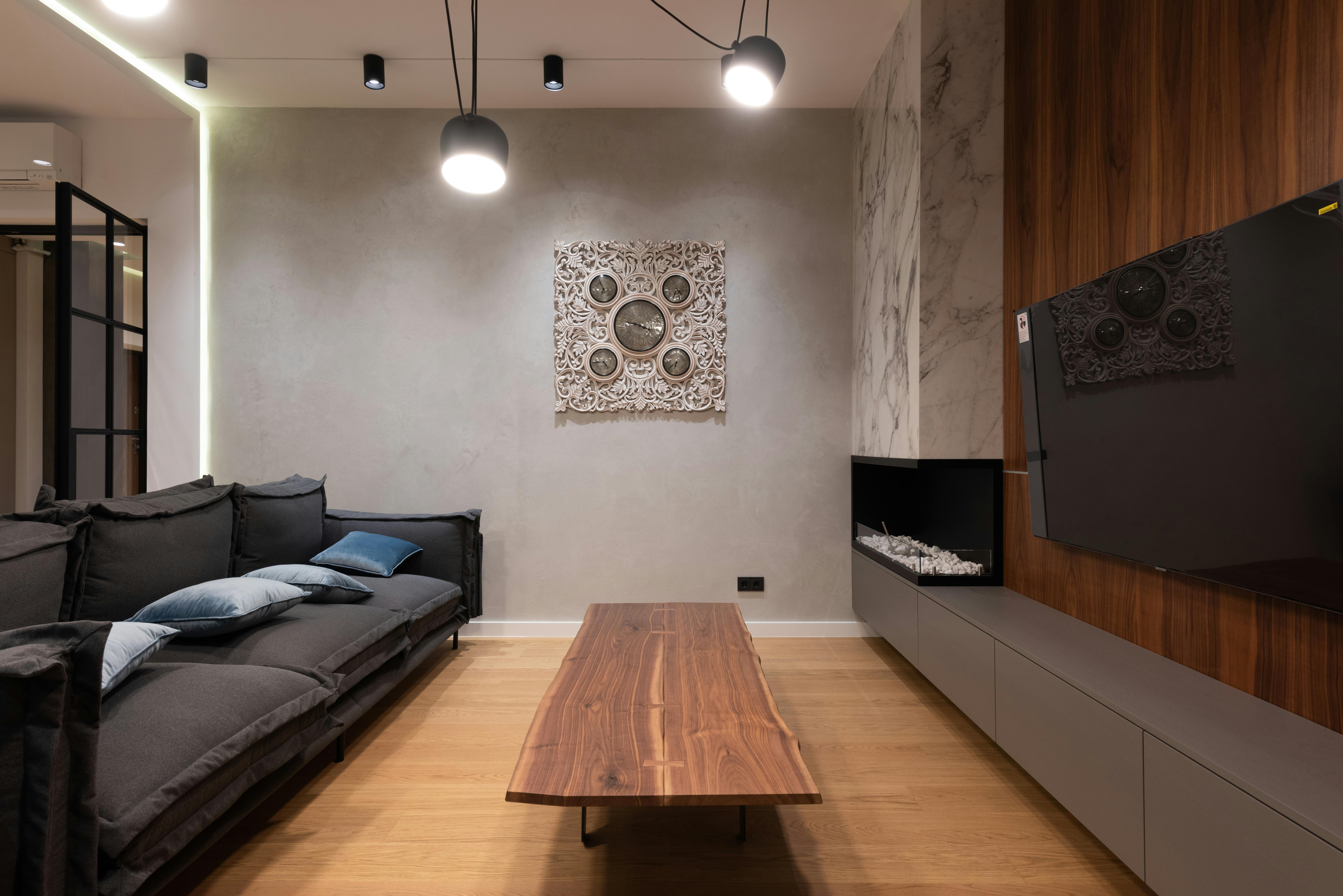
Your living room is usually where clutter goes to retire. Japandi gently tells it to find a new career path.
Step 1: Edit, Then Add Warmth
Start by removing anything that doesn’t serve a purpose or spark a full-body “yes.” That doesn’t mean “own nothing”; it means owning fewer, better pieces. Clear floors, clear surfaces, and suddenly you can see your coffee table again. Hi, old friend.
Then, reintroduce warmth strategically:
- A low-profile sofa in a neutral woven fabric
- A solid wood coffee table with soft edges
- One or two wool, jute, or cotton rugs in solid or super subtle patterns
Step 2: Less Decor, More Intention
Instead of shelves full of “random things I bought when I was bored,” go for:
- A single ceramic vase with a branch or one stem
- A small stack of books you actually like
- A simple tea set or tray
Your living room should feel like it’s ready for conversation, not constantly screaming, “Dust me!” from 80 different trinkets.
Japandi Bedroom: Turn Sleep Mode On (For You, Not Just Your Phone)
The bedroom is where Japandi absolutely shines. The goal: a space that whispers, “Log off,” not “Answer just one more email.”
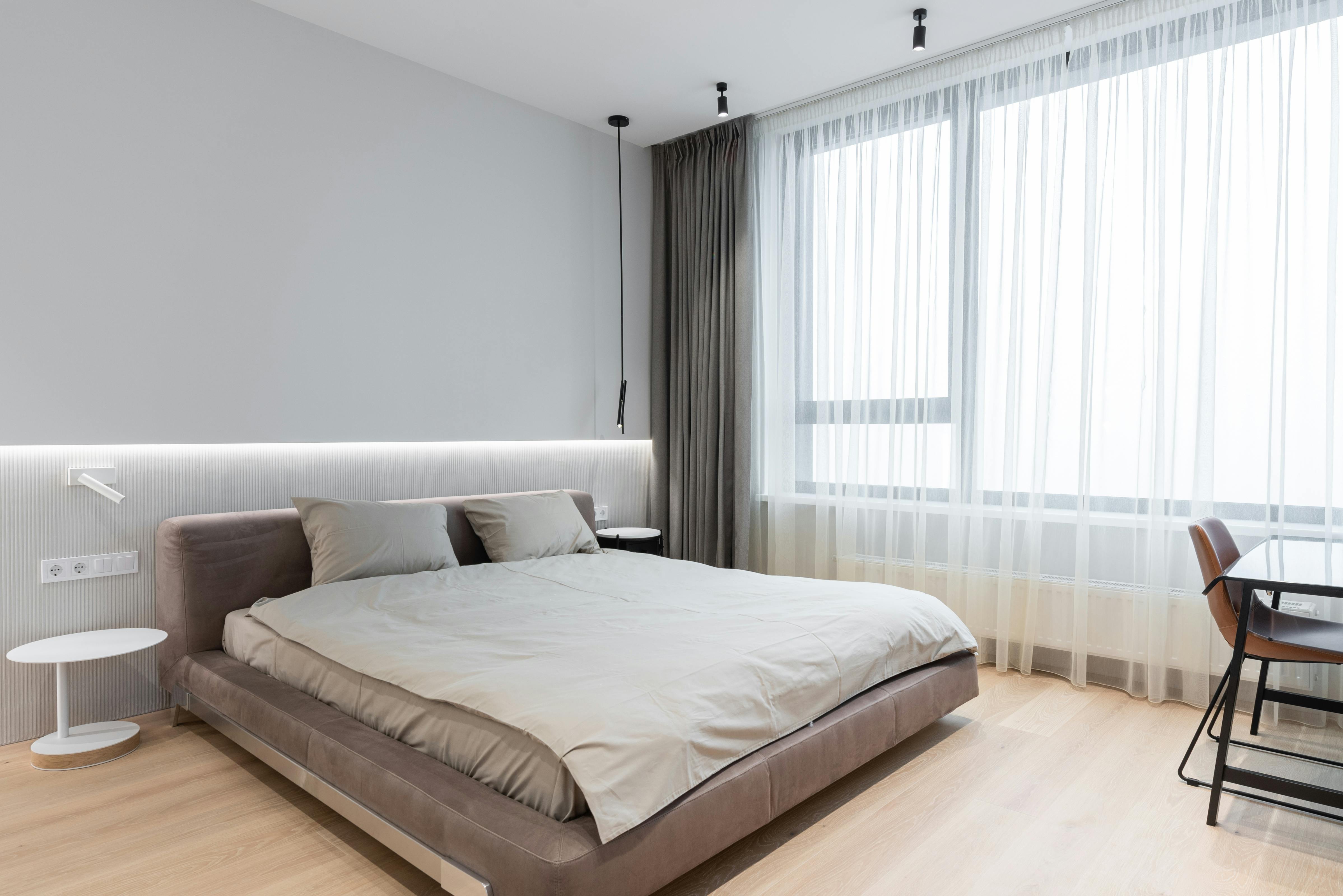
1. Go Low and Simple with the Bed
Swap bulky headboards and tall frames for a platform bed or futon-inspired frame. Bonus points for visible wood grain and simple lines. If you’re not ready to buy new, just remove a bulky box spring and lower your existing frame—it instantly feels more Japandi and less hotel room.
2. Neutral Bedding, Real Texture
Keep bedding colors in the off-white, beige, taupe, or muted earth family, but layer texture so it doesn’t feel flat:
- Linen duvet cover with visible weave
- Cotton percale sheets (crisp, breathable)
- One wool or cotton throw in a deeper earthy tone
Think “cloud with structure,” not “hotel bed that took three people and a PhD to make.”
3. Nightstands That Mind Their Business
Choose small, simple nightstands with at least one drawer or basket. On top, keep it minimal:
- One paper or fabric-shade lamp for soft, diffused light
- A book or two, not your entire to-read guilt pile
- Maybe a tiny ceramic dish or a single stem in a bud vase
Underneath or inside: store the chaos. Japandi loves hidden clutter; it just doesn’t want to see it.
Japandi Walls: Quiet, Not Empty
Japandi walls aren’t a gallery explosion, but they’re not blank and sad either. The trick is editing and scale.
- Choose one larger piece of art instead of many tiny ones.
- Look for abstract or nature-inspired art in muted tones.
- Consider simple wood or bamboo wall hangings or a fabric scroll.
Another trending move: limewashed walls. This paint technique creates a soft, cloudy texture that looks like your walls got a spa treatment. It’s especially beautiful behind beds and sofas, adding depth without shouting for attention.
Plants, but Make Them Introverts
Japandi doesn’t do “indoor jungle.” It prefers a few well-chosen, well-placed plants over 27 tiny pots gasping for water.
Choose one or two statement plants in simple, neutral pots—ceramic, concrete, or matte finishes. Place them where they can breathe:
- Next to a low sofa
- Beside a TV unit to soften the electronics
- Near a window in the bedroom
The vibe is “serene green companion,” not “I live in a botanical lab.”
DIY Japandi: Small Projects, Big Calm
You don’t need a full renovation crew to tap into this trend. These DIY-friendly upgrades are all over home improvement feeds and are surprisingly doable:
1. Build a Simple Platform Bed
With basic lumber, a drill, and an afternoon, you can build a low platform bed that instantly shifts your bedroom into Japandi territory. Keep the lines simple, edges slightly rounded, and wood lightly finished so the grain shows through.
2. Wood Slat Headboard or Wall Panel
Wood slat walls are having a full-blown moment. Use evenly spaced wood slats behind your bed or TV unit to create a bamboo-inspired, architectural backdrop. It adds height, texture, and instant “I know what I’m doing” energy.
3. Limewash or Textured Paint
Instead of bright white walls that feel a bit “rental beige,” try a limewash-style finish in warm white, stone, or greige. It softens light and pairs perfectly with wood and linen.
4. Upgrade Lighting the Japandi Way
Swap harsh overhead lights for:
- Paper lanterns or fabric-shade pendants
- Table lamps with wood bases and warm bulbs
- Wall sconces with simple, rounded forms
Your goal: a soft, diffused glow that makes evenings feel like a slow exhale instead of a dental exam.
5. Japandi-ify Your IKEA (Hack Edition)
A huge part of the current Japandi buzz is upcycling affordable furniture. You can:
- Add wood dowels or slats to plain cabinet fronts.
- Swap shiny handles for wood or matte black pulls.
- Repaint in warm neutral tones instead of stark white.
The result: pieces that look custom and calm, not straight out of a catalog.
Japandi, But Make It Sustainable
One of the reasons Japandi and natural materials are trending so hard is that they play nicely with sustainable living. Instead of buying lots of disposable decor, Japandi nudges you toward:
- Fewer pieces, better quality
- Durable natural materials that age well
- Classic forms that don’t go “so last year” in six months
It’s decor as a long-term relationship, not a fling that ends when the next trend shows up on your feed.
How to Start Japandi-ifying Your Home This Weekend
To keep this from becoming another “I saved 200 ideas and did none of them” situation, here’s a simple, realistic action plan:
- Pick one room—living room or bedroom is best.
- Clear surfaces and remove obvious visual noise.
- Group decor into “love,” “maybe,” and “donate” piles.
- Swap one thing: a lamp, a rug, or bedding, into a more Japandi, natural material version.
- Add one plant in a simple neutral pot.
- Plan one DIY (slat headboard, limewash wall, or a small furniture hack) for next weekend.
Progress beats perfection, and Japandi is very into the idea that your home can evolve—wabi-sabi, remember?
Your Home, But Softer: Final Thoughts
Japandi isn’t about living in a beige box with one sad plant. It’s about choosing calm over chaos, natural over synthetic, and intentional over impulsive. It’s the design trend that doubles as a lifestyle nudge: slow down, simplify, and surround yourself with things that feel good to touch, see, and live with.
Start small, be playful, and remember: if your home feels a little more like a retreat and a little less like a to-do list, you’re doing Japandi right—no perfection required.
Suggested Images (Strictly Relevant)
Below are carefully selected, royalty-free image suggestions that directly support key parts of this blog. Each image is realistic, content-aware, and designed to visually reinforce the described Japandi concepts.
Image 1: Japandi Living Room with Natural Materials
Placement location: Directly after the section titled “Designing a Japandi Living Room: Calm, Not Clinical.”
Image description: A realistic photo of a Japandi-style living room featuring a low-profile neutral fabric sofa, a light oak or ash wood coffee table with rounded corners, and a large jute or wool rug in a muted color. The room includes a single ceramic vase with a simple branch, a small stack of books on the table, and one medium-sized plant in a matte ceramic pot. Walls are light, and decor is minimal; no bright colors, no clutter, no people.
Supported sentence/keyword: “In living rooms, this often means a low sofa or futon‑style seating, a simple wood coffee table with rounded corners, and a minimal number of decor items: a single ceramic vase, a small stack of books, or a tea set.”
SEO-optimized alt text: “Japandi living room with low neutral sofa, rounded oak coffee table, jute rug, and minimal ceramic decor using natural materials.”
Example image URL: https://images.pexels.com/photos/6588582/pexels-photo-6588582.jpeg
Image 2: Japandi Bedroom with Platform Bed and Neutral Textiles
Placement location: After the subsection “Japandi Bedroom: Turn Sleep Mode On (For You, Not Just Your Phone)” and the paragraph describing platform beds and neutral bedding.
Image description: A realistic photo of a Japandi-inspired bedroom with a low wooden platform bed, off-white and beige linen bedding, a simple wood slat headboard or wall panel, and small minimalist nightstands with paper-shade lamps. The color palette is neutral and soft, with one textured throw in a muted earthy tone. A single plant or branch in a vase may be present, but no clutter or bold colors, and no people.
Supported sentence/keyword: “Bedrooms in Japandi style focus on restfulness: platform beds or futon‑inspired frames, neutral bedding in off‑white, beige, or muted earthy tones, and minimal furniture.”
SEO-optimized alt text: “Japandi bedroom with low wooden platform bed, neutral linen bedding, wood slat headboard, and minimalist nightstands.”
Example image URL: https://images.pexels.com/photos/12878361/pexels-photo-12878361.jpeg
Image 3: Wood Slat Wall and Natural Materials Detail
Placement location: After the “Wood Slat Headboard or Wall Panel” subsection in the DIY Japandi section.
Image description: A realistic close or mid-range photo showing a wood slat accent wall behind a simple piece of furniture (such as a bench or console) styled with a ceramic vase, neutral books, and a small plant. The slats are evenly spaced, in a light or medium wood. No people, no bright colors, and the overall space clearly reflects Japandi aesthetics.
Supported sentence/keyword: “Use evenly spaced wood slats behind your bed or TV unit to create a bamboo-inspired, architectural backdrop.”
SEO-optimized alt text: “Japandi interior with light wood slat feature wall, ceramic decor, and natural materials accent.”
Example image URL: https://images.pexels.com/photos/6585763/pexels-photo-6585763.jpeg