
Inside the ‘Clean Girl’ & Longevity Diet Craze: What Celebrity Wellness Gets Right (and What It Misses)
Celebrity‑Driven “Clean Girl” & Longevity Diets: Hype, Reality, and How to Eat Well in Real Life
Updated: 26 January 2026 | Evidence‑informed overview of celebrity clean eating and longevity diets
Celebrity and influencer “clean girl” and longevity diets are everywhere right now—filling TikTok feeds with colorful salads, matcha lattes, grain bowls, and glossy morning routines that promise clear skin, steady energy, and ageless vitality. These wellness‑branded lifestyles mix whole foods, time‑restricted eating, supplements, and biohacking tools into aspirational daily rituals that many fans try to copy meal‑for‑meal.
Underneath the aesthetics, though, are some genuinely helpful nutrition habits—and a few pitfalls. Let’s gently separate the nourishing from the noisy so you can build a way of eating that feels both health‑supportive and sustainable, even without celebrity budgets or a perfect white marble kitchen.
Snapshot: What Are “Clean Girl” and Longevity Diets?
While each influencer has their own spin, most of these celebrity wellness diets fall into two overlapping buckets:
- “Clean girl” aesthetic eating: Minimalist, polished, and Instagram‑ready—think jewel‑toned salads, avocado toast, chia puddings, green juices, and matcha. Lots of fresh produce, lean protein, and healthy fats, often with little or no gluten and dairy.
- Longevity‑focused eating: Inspired by Blue Zones, Mediterranean patterns, and anti‑aging science—emphasizing plants, olive oil, fish or plant proteins, time‑restricted eating, and targeted supplements to support long‑term health and “biological youth.”
The result is a lifestyle where what you eat is not just fuel, but a public signal of discipline, self‑care, and success—smoothie bowls as status symbols.
The Look of “Clean”: Bowls, Matcha, and Fridge Tours
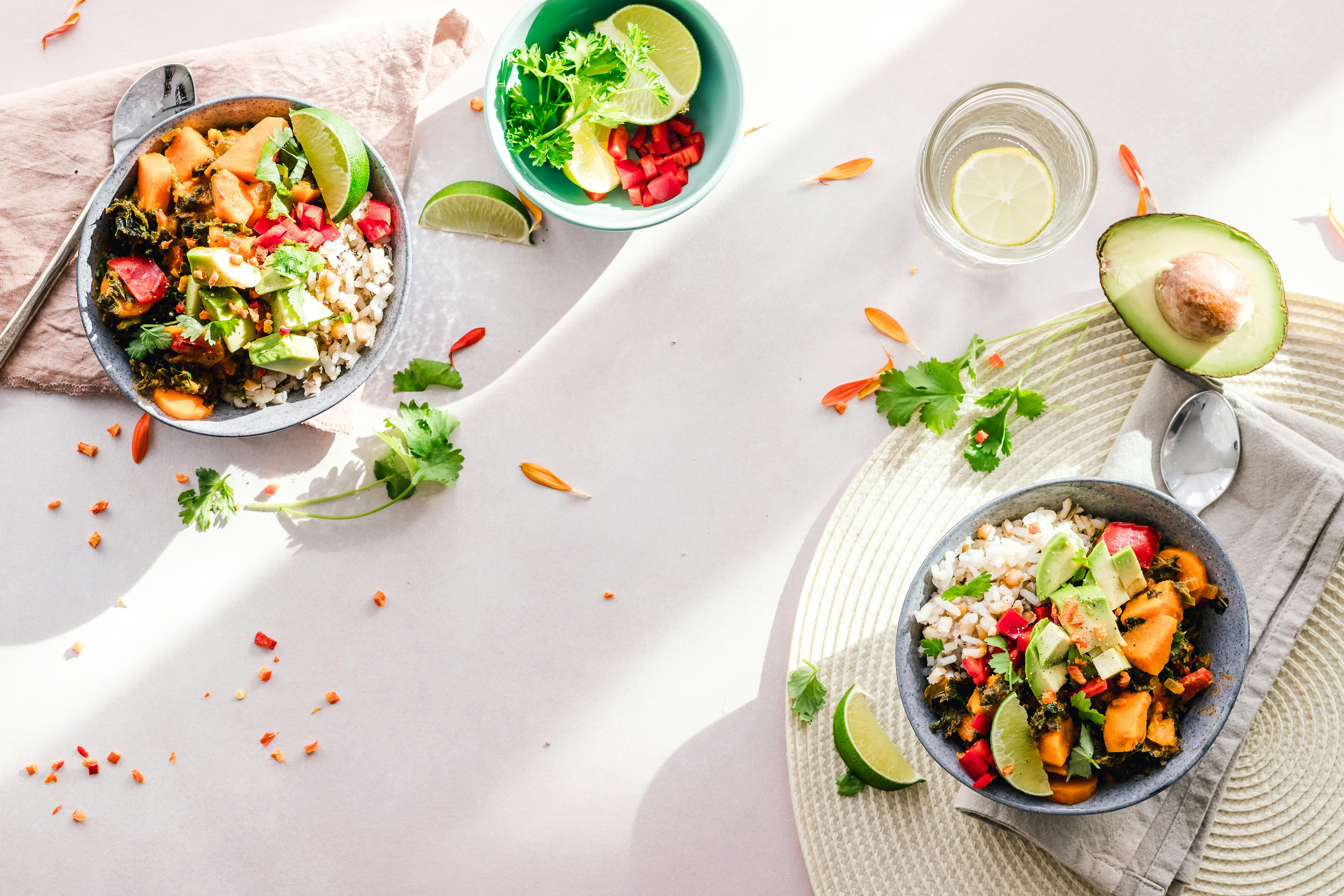
Scroll through TikTok or Instagram and you’ll spot the pattern instantly. Meals in this aesthetic are:
- Highly visual: Rainbow vegetables, drizzle of olive oil, a sprinkle of seeds—everything styled and color‑coordinated.
- Minimalist but curated: Clear jars of oats and chia, spotless fridges lined with pre‑cut fruit and labeled containers.
- Routine‑based: Repeating “what I eat in a day” formats—same matcha, same bowl, same supplements, every morning.
The food is often genuinely nutrient‑dense—but the way it’s presented can make it feel like if your breakfast isn’t photogenic, it’s not healthy enough. That simply isn’t true.

What These Celebrity Diets Usually Include
While details vary, most celebrity “clean” and longevity diets share a few core themes:
- Time‑restricted eating or intermittent fasting
Many follow a 14–16 hour overnight fast, often with:- Early time‑restricted feeding (finishing dinner earlier in the evening).
- “Clean” fasts with water, black coffee, or plain tea until the eating window opens.
- Plant‑forward, Mediterranean‑style patterns
Plates are built around:- Vegetables and fruits in multiple colors.
- Legumes like lentils, chickpeas, and beans.
- Whole grains such as quinoa, oats, and brown rice.
- Nuts, seeds, and extra‑virgin olive oil.
- Moderate to high protein intake
Often from:- Eggs, Greek‑style yogurt, cottage cheese (when dairy is included).
- Fish and seafood, especially salmon and sardines.
- Plant proteins: tofu, tempeh, edamame, lentils, and protein‑fortified smoothies.
- Limiting ultra‑processed foods and added sugars
Fast food, sugary drinks, and packaged sweets are usually minimized, replaced with home‑prepped snacks and desserts. - Strategic supplements and “longevity compounds”
Common mentions include:- Omega‑3 fatty acids
- Vitamin D and magnesium
- Creatine, especially among fitness‑oriented influencers
- More experimental compounds marketed for “anti‑aging” or metabolic support
Why “What I Eat in a Day” Videos Go Viral
These diets don’t spread just because of science—they spread because of storytelling and aesthetics. The most powerful formats are:
- “What I eat in a day” vlogs: Viewers feel like they’re peeking into a friend’s kitchen and can copy each meal exactly. There’s a comforting rhythm: same smoothie, same salad, same evening tea.
- Grocery hauls and fridge tours: Perfectly organized fridges stacked with berries, greens, and glass containers signal control, order, and “being on top of life.”
- Morning and evening routines: Matcha, journaling, low‑intensity movement, cold plunges, red‑light therapy—the food becomes one piece of a total “optimized” life narrative.
There’s a strong aspirational pull: eat like this, live like this, and maybe your skin, body, and success will follow.
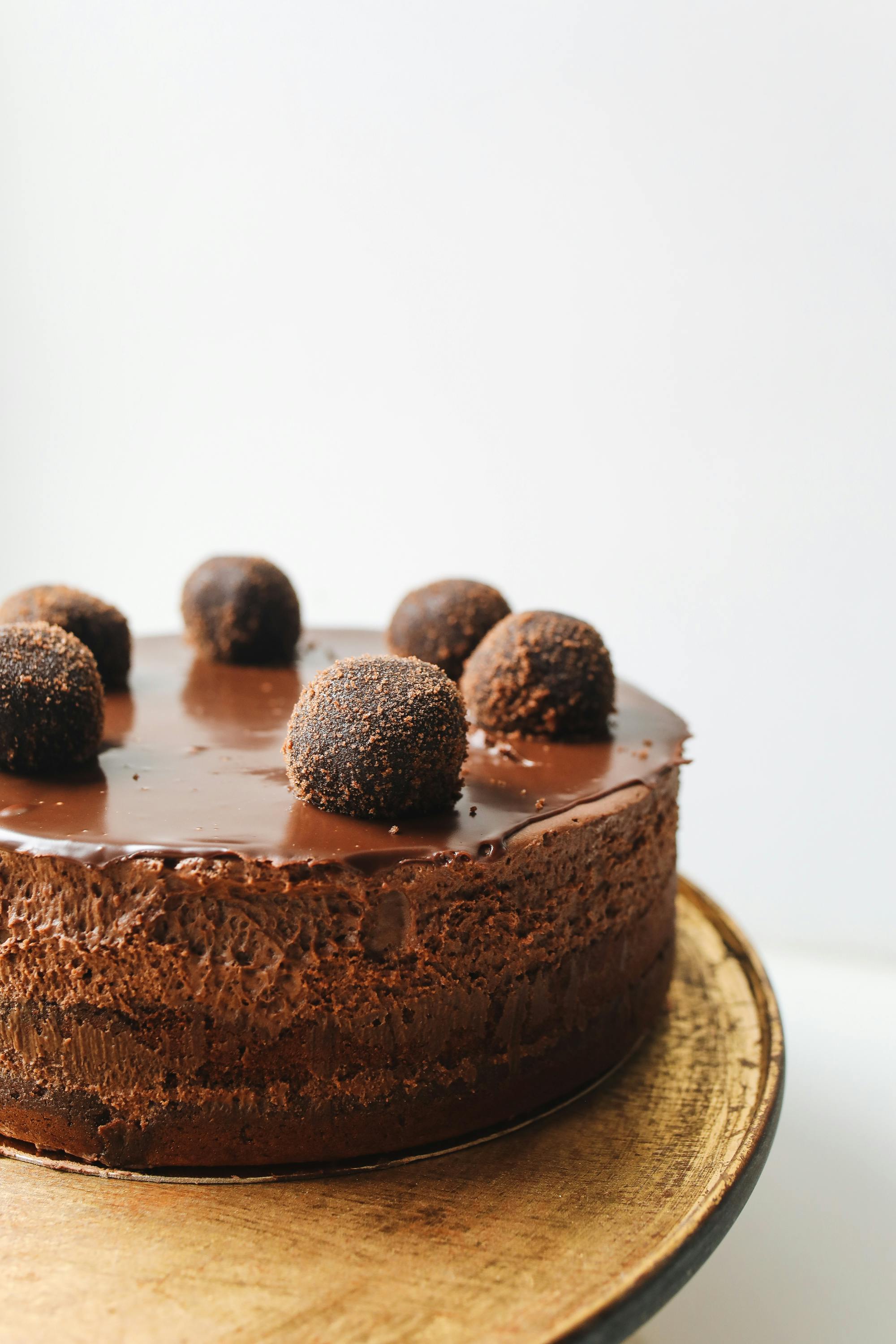
What These Trends Get Right About Healthy Eating
Beneath the filters and product placements, many celebrity longevity and clean‑eating routines echo what nutrition research has repeatedly supported. Positive patterns include:
- More home‑cooked, whole‑food meals
Cooking at home typically means less added sugar, salt, and unhealthy fats compared to frequent takeout or ultra‑processed snacks. - High intake of plants and healthy fats
Diets rich in vegetables, fruits, legumes, whole grains, nuts, and olive oil are consistently linked with lower risk of chronic diseases and better long‑term health. - Regular eating patterns and structure
Having some consistency—like a reliable high‑protein breakfast or a habitual veggie‑heavy lunch—can stabilize energy and help with appetite regulation. - Awareness of ingredients
Reading labels, limiting ultra‑processed foods, and paying attention to how food affects digestion, mood, and skin can be empowering.
Where Celebrity Longevity Diets Can Go Wrong
Health professionals are increasingly vocal about the downsides that can hide inside polished wellness content. Common concerns include:
- Over‑restriction masked as “discipline”
Very narrow food rules—especially when praised online—can normalize under‑eating, fear of carbs or fats, and rigid perfectionism around food. - One‑size‑fits‑all fasting
Time‑restricted eating may help some people, but for others it can worsen energy, mood, or disordered eating patterns. Hormonal needs, job schedules, and medical conditions matter. - Supplement overload
Large stacks of pricey pills and powders are common on camera but rarely individually assessed for need, safety, or interactions with medications. - Privilege and access issues
Organic berries year‑round, specialty adaptogens, and boutique fitness classes are unrealistic for many people. Without context, this can make “health” feel out of reach. - Aesthetic pressure
When health is visually tied to one body type, one skin texture, and one style of kitchen, it can be quietly harmful to body image and self‑worth.
Eating for health should expand your life—more energy, more flexibility, more joy at the table—not shrink it down to what looks good on camera.

What Current Research Actually Says (as of 2026)
Nutrition and longevity science is evolving, but several patterns show fairly consistent support:
- Plant‑rich, Mediterranean and Blue Zones–style diets are associated with lower rates of heart disease, type 2 diabetes, and certain cancers, and with longer healthspan.
- Time‑restricted eating can improve metabolic markers for some adults, especially when it results in earlier dinners and less late‑night snacking. Outcomes depend heavily on total diet quality, sleep, and activity.
- Protein intake that’s adequate (not extreme) supports healthy muscle, especially when paired with resistance training—a key pillar of aging well.
- Supplements like vitamin D and omega‑3s show benefits when there’s a deficiency or limited dietary intake; “longevity” compounds marketed aggressively online often have much thinner evidence or mostly animal/early‑stage data.
Researchers also emphasize context: social connection, stress levels, sleep quality, and physical activity are all part of the longevity picture. Food matters deeply—but it’s one star in an ensemble cast.
How to Borrow the Best Ideas Without Going Extreme
You can absolutely enjoy elements of the clean girl or longevity aesthetic—if they genuinely serve you. Think of celebrity routines as inspiration, not instruction manuals. Practical, flexible ways to adapt the trend include:
- Prioritize plants in a realistic way
Frozen vegetables, canned beans, and bagged salad greens are just as valid as farmers’ market produce. Convenience can be your ally. - Build balanced plates, not perfect ones
Aim for:- ½ plate vegetables and/or fruit
- ¼ plate protein (plant or animal)
- ¼ plate whole grains or starchy vegetables
- A serving of healthy fats (olive oil, avocado, nuts, seeds)
- Experiment gently with meal timing
If you’re curious about fasting, start small: finish dinner a bit earlier and allow for a 12‑hour overnight pause, adjusting based on how your energy, mood, and sleep respond. - Keep supplements simple and targeted
Start with basics (if needed) and base them on lab work or professional advice. More pills do not automatically mean more health. - Protect your relationship with food
If certain content makes you feel guilty or obsessive, it may be time to mute, unfollow, or diversify your feed with more inclusive, flexible nutrition voices.

Making “Longevity Eating” Work on a Real‑World Budget
The good news: the most evidence‑backed parts of longevity‑style eating—plants, legumes, and simple whole foods—can be quite affordable. Consider:
- Beans and lentils as budget protein and fiber powerhouses for soups, stews, and grain bowls.
- Frozen vegetables and fruit for smoothies, stir‑fries, and roasting; they’re often cheaper and just as nutritious as fresh.
- Oats, brown rice, and whole‑grain pasta as filling, versatile bases that store well.
- Seasonal produce to keep costs lower and flavors at their best.
Beyond the Plate: Culture, Privilege, and Access
More people are recognizing that wellness aesthetics often leave out critical realities:
- Time and labor: Not everyone can spend hours on meal prep, elaborate coffee rituals, or boutique fitness classes between meetings.
- Food deserts and affordability: In many communities, fresh produce and high‑quality groceries are costly or hard to find.
- Cultural foods: Traditional dishes—rice, stews, flatbreads, braises—can be deeply nourishing and compatible with longevity patterns, even if they don’t match a minimalist “clean” aesthetic.
A truly modern, healthy way of eating respects cultural heritage, personal preferences, and lived realities. Longevity isn’t just what’s on the plate; it’s also about sustainability—financial, emotional, and social.

Practical “Longevity‑Inspired” Meal Ideas You Can Try
If you’d like to weave some of these concepts into your week, here are flexible, flavor‑forward ideas that echo the trend without requiring a total lifestyle overhaul:
- Vibrant grain bowl lunch:
Base of cooked quinoa or brown rice, topped with roasted vegetables, chickpeas or grilled tofu/chicken, a spoonful of hummus, crunchy seeds, and a lemon‑olive oil dressing. - High‑protein, plant‑forward breakfast:
Greek‑style yogurt or soy yogurt with oats, berries, nuts, and a drizzle of honey—or a tofu scramble with spinach, peppers, and whole‑grain toast. - Simple longevity‑style dinner:
Baked salmon or beans simmered with tomatoes and herbs, served with garlicky greens and roasted sweet potatoes. - Low‑effort snack plate:
A small handful of nuts, a piece of fruit, and a piece of cheese or a few spoonfuls of hummus with carrots and crackers.
Meal Prep, Storage, and Keeping It Doable
You don’t need a picture‑perfect fridge to have a supportive food routine. A few low‑stress habits can make longevity‑style eating much easier:
- Batch‑cook basics: Make a pot of grains, roast a tray of vegetables, and cook a big batch of beans or lentils once or twice a week.
- Use clear containers with labels: Not for aesthetics, but to actually see what you have and reduce food waste.
- Safe storage: Cool leftovers quickly, store in the fridge within two hours, and eat within 3–4 days (or freeze for longer).
- Gentle reheating: Reheat on the stove or in the microwave until piping hot (at least 74°C / 165°F in the center) to keep food both safe and tasty.
Bottom Line: Let Celebrity Diets Inspire, Not Define, Your Plate
Celebrity‑driven clean girl and longevity diets have undeniably reshaped what many people picture when they think of a “healthy” modern meal: colorful, curated, and often a little bit aspirational. While the aesthetics can be fun and motivating, your health doesn’t depend on matching anyone’s feed.
The heart of most longevity‑supportive patterns is simple: enjoy plenty of plants, include enough protein, favor minimally processed foods and healthy fats, move your body, sleep well, and stay connected—to others and to your own hunger and fullness cues.
You’re allowed to take what serves you from these trends and gently leave the rest. Your most nourishing way of eating won’t be a copy‑paste of a celebrity routine—it will be the one that fits your body, your culture, your budget, and your real life.
