
Hybrid Work, Hidden Bossware, and the Real Productivity Question
This article unpacks how office strategies, monitoring technologies, and AI productivity tools are reshaping power, trust, and performance at work—and what leaders and workers can do to build a healthier, more evidence‑based future of work.
The post‑COVID workplace is no longer a temporary experiment. Hybrid schedules, fully remote teams, and contested return‑to‑office (RTO) mandates now coexist in a constantly shifting ecosystem. At the same time, an explosion of “bossware” and analytics tools quietly tracks employee activity, while AI‑enhanced platforms promise to summarize meetings, write documents, and optimize calendars. All of this has turned the future of work into a live‑fire test of trust, autonomy, and measurable productivity.
Tech‑focused outlets such as The Verge, Wired, and The Next Web now treat workplace policy shifts the way they once treated product launches and IPOs. Internal RTO memos leak onto X (Twitter) and LinkedIn, collaboration‑suite feature updates trend on Hacker News, and employees crowdsource resistance strategies on Reddit and TikTok.
“The future of work is no longer about where we sit—it’s about who controls the data, the schedule, and the definition of ‘productive.’”
Against this backdrop, understanding the mission, technologies, and social stakes of the new workplace is essential for leaders, policymakers, and workers alike.
Mission Overview: What Is the Future‑of‑Work Debate Really About?
The modern future‑of‑work debate is often described as a clash between office traditionalists and remote‑work enthusiasts, but that framing is too simple. At its core, the conversation centers on four overlapping missions:
- Redefining where work happens – office‑centric, remote‑first, or hybrid by default.
- Redesigning how work is coordinated – synchronous meetings vs. asynchronous collaboration and documentation‑first cultures.
- Re‑negotiating power and surveillance – who owns data about work behavior, and how it is used for evaluation, promotion, or layoffs.
- Re‑measuring productivity – moving from visible busyness and “butts in seats” to outcomes, impact, and sustainable performance.
These missions intersect with broader economic and social pressures: talent shortages in critical fields, rising commercial real‑estate vacancies, shifting geographic mobility, and growing awareness of burnout and mental health. Governments from the EU to the US are also stepping in, debating “right to disconnect” laws, algorithmic‑management rules, and data‑protection standards for workplace analytics.
For tech readers, this is not a distant policy story—it is about the platforms, AI models, and metrics that will define daily work for the next decade.
Hybrid Offices: From Emergency Patch to Long‑Term Architecture
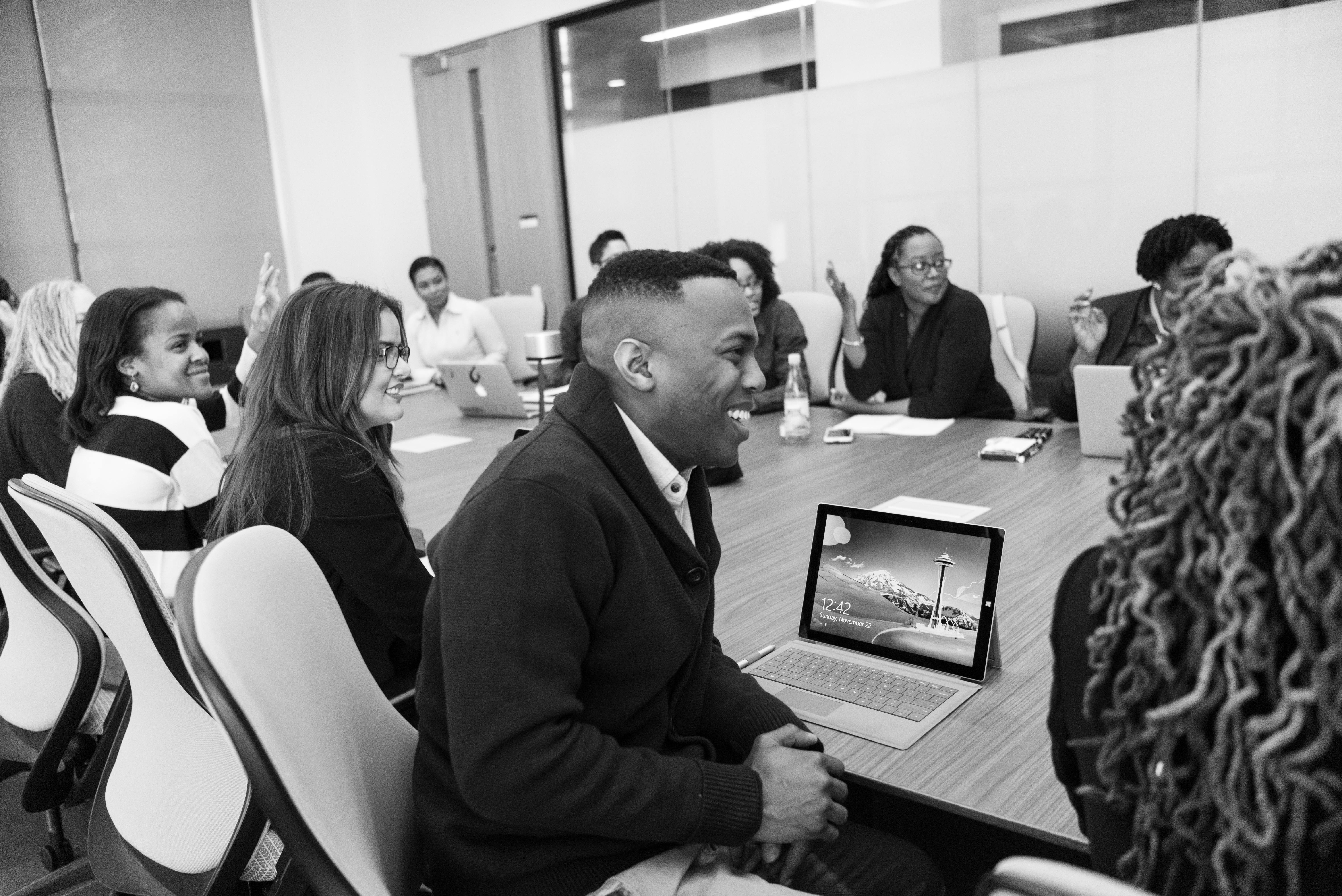
Hybrid work—some days in the office, some days remote—has become the de facto compromise model across much of tech, finance, and professional services. Initially introduced as a health measure, it is now a structural feature of how teams operate globally.
Why Hybrid Took Hold
Multiple large‑scale surveys from 2022–2025 (including work by WFH Research and Harvard Business Review) suggest:
- Employees strongly prefer 2–3 days of remote work per week on average.
- Self‑reported productivity is typically flat or higher in hybrid settings compared with fully in‑office models for knowledge work.
- Retention tends to improve when employees have location and schedule flexibility.
Major firms—including Microsoft, Google, and many global banks—have converged on policies in the range of 2–4 mandatory office days per week, often tied to specific roles or teams.
Designing Hybrid Work Intentionally
Effective hybrid models are rarely accidental. Common patterns among organizations with stable hybrid cultures include:
- Anchor days – designated in‑office days for key teams, used for workshops, onboarding, and social connection.
- Meeting architecture – limiting recurring meetings, enforcing “one remote, all remote” etiquette, and weighting asynchronous updates over status calls.
- Documentation‑first habits – shared decision logs, design docs, and project wikis that reduce reliance on physical presence.
- Space redesign – fewer individual desks, more collaboration rooms and focus pods, better video‑conferencing setups.
Microsoft’s WorkLab notes, “Physical offices are becoming collaboration centers, not default destinations. The value of a commute must be visible on the calendar.”
Return‑to‑Office Mandates and Backlash
From late 2022 onward, high‑profile RTO mandates at companies like Meta, Amazon, and major banks triggered waves of internal dissent—and external coverage by outlets such as The Verge’s work and labor section. Common sources of friction include:
- Employees who relocated based on earlier remote‑work promises.
- Inconsistent application of rules across levels or geographies.
- Weak or anecdotal evidence that in‑office presence alone drives better performance.
The emerging lesson: blanket mandates without transparent, data‑backed reasoning tend to erode trust and can push top talent toward remote‑first competitors.
Technology: Collaboration Platforms, AI Assistants, and the New Work Stack
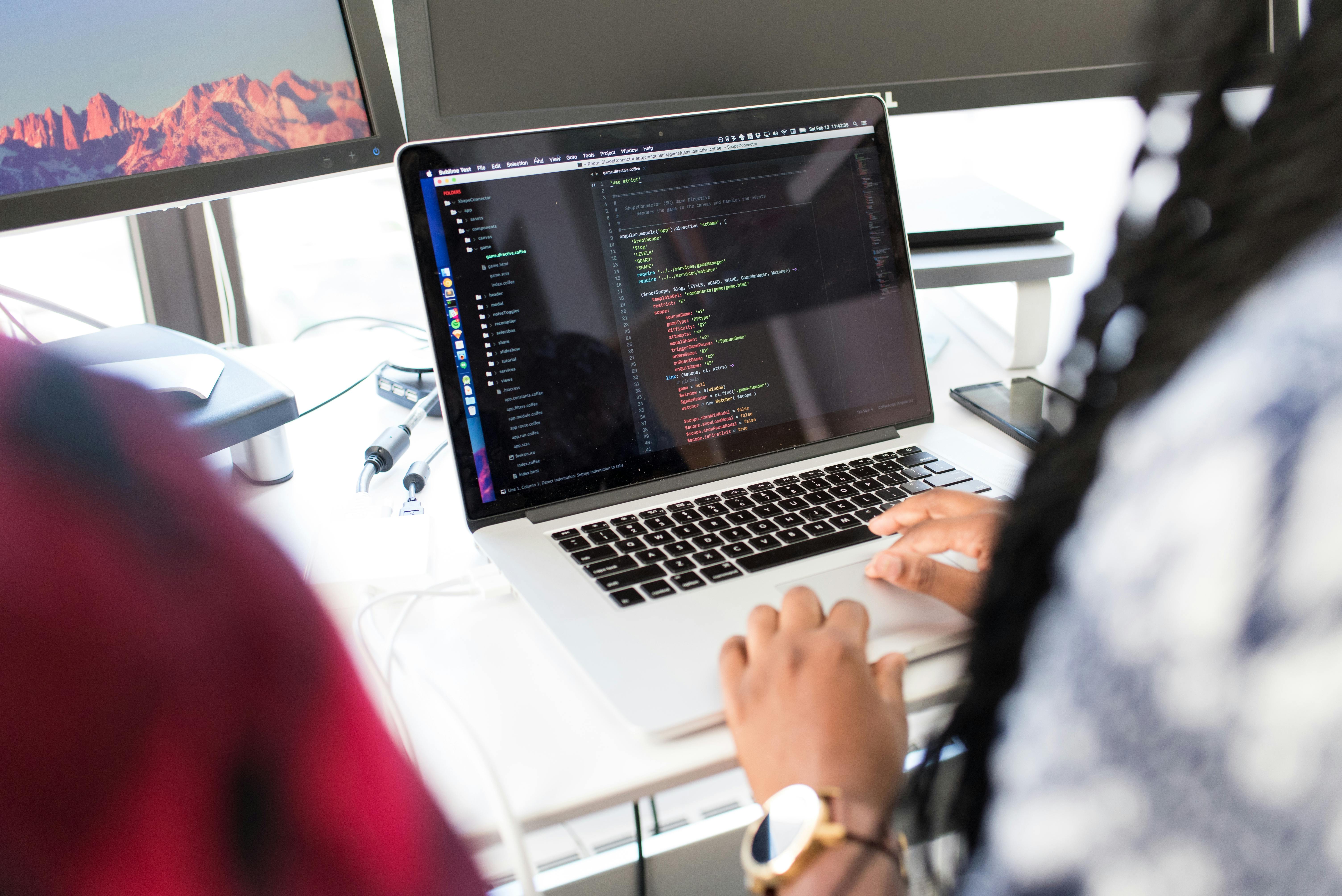
The post‑pandemic years have turned everyday tools—Slack, Microsoft Teams, Zoom, Notion, Google Workspace—into AI‑infused operating systems for knowledge work. Feature updates that once focused on emojis and integrations now center on generative AI, automation, and analytics.
AI in Collaboration Suites
Key platforms now embed AI in ways that directly affect how teams work:
- Microsoft 365 Copilot in Teams, Outlook, and Word can summarize meetings, draft follow‑up emails, and create first‑pass documents from prompts and existing files.
- Google Duet AI (folded into Gemini for Workspace) assists with slide creation, email replies, and document drafting, promising “zero‑drafts” for knowledge work.
- Slack AI offers channel and thread summaries, semantic search across workspaces, and conversational queries into company knowledge.
- Notion AI integrates writing, summarization, translation, and database querying within team workspaces.
On platforms like Hacker News and Ars Technica, debates rage about whether these features meaningfully boost productivity or merely move cognitive load around.
From Tools to Workflows
The biggest gains tend to come not from individual tools but from workflow redesign, for example:
- Replacing status meetings with auto‑generated AI summaries from project updates and pull requests.
- Using AI to triage inboxes and chat streams, reducing notification overload.
- Automating routine reporting (e.g., weekly dashboards) so humans focus on interpreting, not compiling, data.
- Standardizing templates for meetings, design reviews, and post‑mortems that AI tools can populate and summarize.
As one Wired columnist put it, “AI will not magically fix bad meetings or unclear goals. At best, it will help you document and summarize dysfunction more efficiently—unless you’re willing to redesign the work itself.”
Home‑Office and Personal Productivity Tech
On the individual side, the hardware stack of remote and hybrid workers has also evolved. In the US, popular setups often include:
- High‑resolution webcams and microphones for clear video calls.
- Ergonomic chairs and adjustable desks to support long‑term health.
- Noise‑cancelling headphones to create focus zones in shared spaces.
For example, many knowledge workers favor the Logitech C920x HD Pro Webcam for sharp video during hybrid meetings, and productivity‑focused chairs such as the Herman Miller Aeron ergonomic office chair to reduce strain during long workdays.
Workplace Surveillance and Analytics: When Productivity Becomes a Data Problem
Alongside collaboration tools, a booming industry of monitoring software—often dubbed “bossware”—has emerged. Products in this category promise employers detailed visibility into how remote and hybrid employees spend their time.

What Modern Bossware Can Track
Contemporary monitoring suites can capture:
- Keystrokes and mouse activity to infer “active time.”
- Application and website usage, sometimes classifying sites as “productive” or “unproductive.”
- Periodic screenshots or screen‑recording for audit trails.
- Webcam‑based presence detection (e.g., whether someone is physically at their desk).
- Location data and IP information for device verification.
Investigations in Wired and Recode‑style reporting have highlighted extreme cases, including software that flags “idle” workers for manager review, even when those workers are engaged in non‑keyboard tasks such as thinking, reading, or phone calls.
Ethical, Legal, and Psychological Concerns
Critics argue that such surveillance:
- Encourages performative busyness over genuine, deep work.
- Blurs lines between legitimate security monitoring and invasive tracking.
- Risks biased or context‑blind evaluations when metrics are misinterpreted.
- Can exacerbate anxiety, burnout, and distrust, especially when deployed secretly.
The Electronic Frontier Foundation has warned, “When every click, scroll, and pause can be scored, workers are pushed toward algorithm‑friendly behavior, not necessarily effective or healthy performance.”
Toward Responsible Analytics
A more sustainable approach treats analytics as a tool for team‑level insight and process improvement, not micro‑policing individual workers. Better practices include:
- Transparency – clearly explaining what is collected, why, and how long it is retained.
- Consent and participation – involving workers and, where applicable, unions or works councils in tool selection and policy design.
- Aggregate‑first metrics – focusing on trends across teams rather than minute‑by‑minute individual tracking.
- Outcome‑aligned KPIs – linking analytics to business results (shipping features, resolving tickets, customer satisfaction) rather than raw activity counts.
Policymakers are beginning to respond. The EU’s AI Act and data‑protection frameworks (building on GDPR) explicitly address high‑risk uses of AI and algorithmic management, while regulators in North America increasingly scrutinize opaque monitoring in sensitive sectors.
The Productivity Debate: What Do We Actually Know?
Amid RTO mandates and remote‑work evangelism, a central question persists: What has all of this done to productivity? The answer is nuanced and depends heavily on the time frame, sector, and metrics used.
Macro‑Level Signals
At the national and global level, economists track labor productivity (output per hour worked). Between 2020 and 2023, data in the US and parts of Europe showed:
- Initial productivity spikes in some knowledge‑intensive sectors as commutes disappeared and discretionary travel collapsed.
- Subsequent slowdowns and volatility, influenced by supply‑chain shocks, sectoral shifts, and broader macroeconomic forces.
This makes it hard to isolate remote work as a single explanatory variable. Studies summarized by the National Bureau of Economic Research suggest that, for many knowledge roles, remote or hybrid setups are at least productivity‑neutral, with upside when organizations invest in good tooling and management.
Team‑Level and Firm‑Level Findings
At the micro level, randomized or quasi‑experimental studies during and after the pandemic have reported:
- Hybrid models (1–3 days in office) tend to balance collaboration benefits with focus time, often improving self‑reported productivity and satisfaction.
- Fully remote can outperform in individual, concentration‑heavy work but may hinder onboarding and cross‑team innovation if not carefully managed.
- Organizational maturity—clear objectives, robust documentation, and psychological safety—has more impact than physical location alone.
Stanford economist Nicholas Bloom, a leading researcher on remote work, summarizes: “Hybrid is likely to be the dominant model going forward—combining 2–3 days a week in the office with the rest at home delivers the best of both worlds for most knowledge jobs.”
Redefining Productivity Beyond “Green Dots”
Modern teams increasingly reject simplistic metrics—online status lights, keystroke counts—in favor of:
- Outcome metrics – shipped value, resolved incidents, customer NPS, revenue per customer, publication volume and impact.
- Flow metrics – cycle time, lead time, deployment frequency, and recovery time in software teams (popularized by the DORA framework).
- Health indicators – burnout surveys, attrition rates, and psychological safety scores as leading indicators of future performance.
Tools like Jira, GitHub, Linear, and customer‑analytics platforms provide richer, less intrusive data than raw activity monitoring—and align more closely with the actual value organizations are trying to create.
Burnout, Mental Health, and the Always‑On Culture
Even when output metrics look healthy, many workers report feeling exhausted. The same tools that enable flexible, distributed work also facilitate an “always‑on” expectation—emails at midnight, pings across time zones, and blurred lines between personal and professional time.

Drivers of Burnout in Hybrid and Remote Work
Research and reporting from The Verge, Wired, and mental‑health organizations highlight recurring themes:
- Boundary erosion – no clear separation between home and office leads to work leaking into evenings and weekends.
- Notification overload – constant Slack, Teams, and email interruptions fragment attention.
- Meeting creep – calendar bloat as leaders try to compensate for reduced hallway conversations with more scheduled calls.
- Social isolation – remote employees, particularly new hires, can feel disconnected from colleagues and career paths.
Strategies for Sustainable Performance
Effective organizations are experimenting with:
- Right‑to‑disconnect norms – setting clear expectations around response times and offline hours; some EU jurisdictions are codifying this in law.
- Asynchronous‑first practices – using written updates, recorded videos, and shared docs to reduce live meetings.
- Meeting budgets – explicit time caps for recurring meetings and “no‑meeting” blocks for deep work.
- Mental‑health support – expanded access to counseling, peer‑support programs, and manager training on psychological safety.
On LinkedIn, organizational psychologist Adam Grant has argued, “The real flexibility people need isn’t just about where they work, but when they are expected to be available.”
Geography, Pay, and Inequality in a Distributed World
Remote work has decoupled many knowledge jobs from traditional tech hubs, but it has not eliminated geography as a factor in compensation and opportunity. Instead, it has created new patterns of mobility and inequality.
Location‑Based Pay Policies
Some major firms pay differently depending on where employees live, arguing that salaries should reflect local cost of living and talent markets. Others, including certain remote‑first startups, have moved toward location‑agnostic pay bands to simplify compensation and compete for global talent.
Recode‑style analysis and discussions on Hacker News frequently examine consequences such as:
- Migration to lower‑cost regions by high‑earning remote workers, with mixed impacts on local housing markets.
- Access to high‑paying roles for workers outside traditional tech hubs.
- Potential global wage arbitrage, as companies source talent from lower‑income regions while maintaining premium pricing.
Cities, Real Estate, and the Office Market
Remote and hybrid work have contributed to rising office vacancies in major city centers, spurring debates about:
- Converting underused office buildings into residential or mixed‑use spaces.
- Redesigning urban cores to support flexible, multi‑purpose work and community environments.
- Rebalancing public transit and infrastructure for more distributed commuting patterns.
Economic researchers and urban planners are closely tracking how these shifts will affect tax bases, service provision, and long‑term city resilience.
Key Milestones in the Post‑Pandemic Future‑of‑Work Journey
The evolution of modern work since 2020 can be mapped through several notable milestones:
1. Emergency Remote Shift (2020)
Almost overnight, millions of workers moved from offices to homes. VPNs, Zoom licenses, and hastily configured laptops became lifelines. Productivity remained surprisingly resilient, debunking long‑held myths that remote work was inherently unserious or impossible at scale.
2. Hybrid Normalization (2021–2022)
As vaccines rolled out, many firms adopted hybrid arrangements. Tools matured, policies stabilized, and early data suggested that, for many knowledge roles, hybrid could be equally or more effective than “five days in the office.”
3. AI‑Infused Workflows (2023–2025)
The explosion of generative AI models—popularized by tools like ChatGPT and integrated assistants from Microsoft and Google—shifted the conversation from “where work happens” to “how work is automated and augmented.” Meeting summaries, document drafting, and code generation changed daily workflows.
4. Regulatory Attention and Worker Pushback (Ongoing)
Governments and labor organizations responded to concerns about surveillance, algorithmic management, and burnout. Worker pushback against RTO mandates and intrusive monitoring gained visibility through social media, investigative journalism, and collective action.
Challenges and Open Questions
Despite rapid progress, the future of work remains unsettled. Several thorny challenges continue to dominate research agendas and executive discussions.
1. Measuring the Right Things
Many organizations still rely on legacy metrics—hours online, meeting counts—that poorly capture modern knowledge work. Designing fair, outcome‑oriented, and privacy‑respecting metrics remains a work in progress.
2. Inclusion and Career Equity
Early evidence suggests that workers who are rarely in the office may miss out on informal networks, sponsorship, and promotion opportunities. Organizations must ensure that hybrid models do not become two‑tier systems where in‑office employees accumulate unspoken advantages.
3. Security and Compliance
Distributed workforces create a larger attack surface for cyber threats and raise questions about data residency, device management, and secure access. Zero‑trust architectures, strong identity controls, and secure collaboration tools are now foundational requirements rather than “nice‑to‑haves.”
4. Long‑Term Cultural Cohesion
Building and sustaining strong cultures with partially distributed teams is possible—but requires deliberate investment in rituals, storytelling, and shared artifacts beyond the office. Leaders must learn to communicate vision and values in written, asynchronous, and multimedia formats, not just town‑hall speeches.
5. Ethical Use of AI and Analytics
As AI models increasingly influence hiring, performance reviews, and promotion decisions, ensuring fairness, transparency, and contestability is critical. Workers should have visibility into when and how algorithms shape decisions that affect their careers.
Conclusion: Building a Trust‑First, Evidence‑Based Future of Work
The future of work is not a binary contest between “office” and “remote,” nor a simple story of AI replacing or rescuing humans. It is an ongoing negotiation between flexibility and cohesion, autonomy and accountability, data and dignity.
Organizations that will thrive in this environment are likely to share several traits:
- Trust‑first management that assumes professionalism and designs systems to support, not spy on, workers.
- Evidence‑based policies that are regularly revisited using real data on outcomes, not nostalgia for pre‑2020 norms.
- Human‑centered technology choices that reduce cognitive load, respect privacy, and elevate meaningful work.
- Inclusive hybrid practices that allow diverse talent to contribute fully, regardless of zip code.
For individual workers, mastering this landscape means cultivating strong written communication, time‑management, and digital‑collaboration skills, along with a clear sense of personal boundaries. For leaders, it means learning to manage by outcomes, not attendance, and to wield analytics and AI as instruments of empowerment rather than control.
The decisions companies make in the next few years—about RTO, monitoring, AI, and flexibility—will shape not only balance sheets, but also how millions of people experience their daily lives. Treating the future of work as a design challenge, not a reversion to old habits, is the opportunity in front of us.
Further Resources and Practical Next Steps
To dive deeper and make more informed decisions about workplace strategy, consider the following high‑quality resources:
- WFH Research – Ongoing academic research on remote and hybrid work trends.
- Microsoft WorkLab – Data‑driven reports on productivity, collaboration, and AI at work.
- Harvard Business Review: Future of Work – Essays and case studies from management scholars and practitioners.
- Stanford Graduate School of Business YouTube Channel – Talks and interviews on remote work, management, and organizational behavior.
- EFF: Privacy in the Workplace – Advocacy and guidance on digital rights for workers.
Teams looking to improve their hybrid practice can start with three low‑cost experiments:
- Run a one‑month “meeting diet” – audit existing meetings, cancel or shorten the lowest‑value ones, and shift updates into written or recorded form.
- Adopt a documentation standard – create simple templates for decisions, project briefs, and retrospectives so distributed teams share context efficiently.
- Publish a “team charter” – document norms around response times, core hours, camera use, and notification settings to clarify expectations.
These small steps, combined with thoughtful use of AI and analytics, can significantly improve both performance and wellbeing—regardless of where your team sits.
References / Sources
Selected articles, research, and reports informing this overview:
- WFH Research – Global surveys and papers on working from home and hybrid work
- Microsoft WorkLab – Reports on hybrid work, AI, and collaboration
- Stanford GSB – Nicholas Bloom on why hybrid work is the future
- Wired – Remote work and workplace surveillance coverage
- The Verge – Work and labor technology coverage
- Electronic Frontier Foundation – Privacy in the workplace
- The Next Web – Future of work articles
