
How Uganda Dramatically Reduced New Orphans — And What The World Can Learn From Its HIV/AIDS Response
Over the past few decades in southern Uganda, something quietly extraordinary has happened. The number of children who’ve lost a parent has fallen from nearly one in four in the early 2000s to about 6% today. Behind every percentage point are real families: fewer children attending funerals, fewer grandparents suddenly raising toddlers, fewer teens dropping out of school to survive.
This hopeful trend isn’t an accident. A new study highlighted by NPR shows that a mix of effective HIV treatment, prevention programs, and community support has dramatically reduced deaths of parents from HIV/AIDS. At the same time, looming cuts in U.S. aid cast a long shadow over what has been, until now, a public health success story.
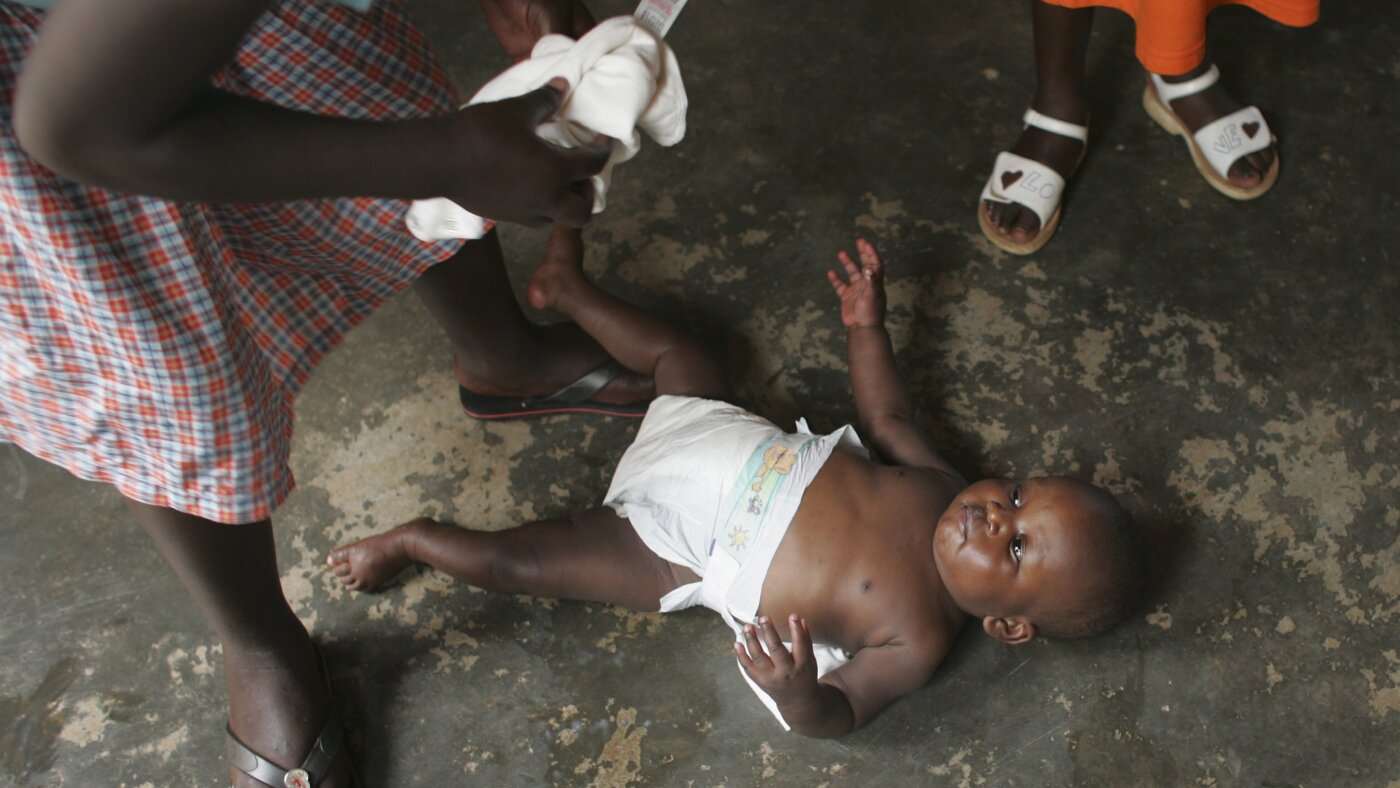
A quiet revolution in child wellbeing
In this article, we’ll unpack:
- What’s really behind Uganda’s dramatic drop in new orphans
- How HIV treatment and prevention changed families’ futures
- The fragile role of U.S. and global aid in sustaining these gains
- What other countries — and donors — can learn from this experience
From crisis to turning point: The orphan problem in Uganda
In the late 1990s and early 2000s, Uganda — like much of eastern and southern Africa — was in the grip of the HIV/AIDS crisis. Adult mortality soared. In some districts, nearly one in four children had lost at least one parent, mostly to AIDS-related illnesses. The consequences were everywhere:
- Classrooms filled with children who were grieving or suddenly living with relatives
- Grandparents, often very poor themselves, trying to care for multiple grandchildren
- Teenagers leaving school early to work, marry, or care for younger siblings
- Communities stretched thin by repeated funerals and hospital visits
“In the early years of the epidemic, AIDS wiped out a generation of parents in some communities. Children bore the brunt of a global failure to deliver treatment in time.”
— Adapted from UNAIDS historical reports on the HIV epidemic
The latest study from Uganda, however, shows a different picture. As antiretroviral therapy (ART) became widely available and prevention programs expanded, deaths among parents plummeted. Fewer parents dying means fewer children becoming new orphans year after year.
What’s behind the drop in new orphans?
Researchers and health workers in Uganda point to several overlapping drivers of this positive trend. No single intervention “fixed” the problem; instead, multiple layers of response changed the course of the epidemic for parents and children.
1. Widespread access to antiretroviral therapy (ART)
The biggest factor has been life-saving antiretroviral therapy. Once ART became more available through programs like PEPFAR (the U.S. President’s Emergency Plan for AIDS Relief) and the Global Fund, HIV shifted from a near-certain death sentence to a manageable chronic condition for many adults.
- Earlier diagnosis: More people learned they were HIV-positive before severe illness.
- Treatment scale-up: Clinics in rural and urban areas began offering free or low-cost ART.
- Viral suppression: Adults on consistent treatment could live longer, healthier lives — and keep parenting.
Evidence from Uganda and across sub-Saharan Africa consistently shows that when adults with HIV start and stay on ART, their risk of dying from AIDS-related causes drops dramatically. The ripple effect is simple but powerful: fewer parents dying means fewer children becoming orphans.
2. Prevention of mother-to-child transmission (PMTCT)
Uganda also invested heavily in preventing mother-to-child transmission of HIV. Pregnant women were offered:
- Routine HIV testing in antenatal care
- Immediate ART if they tested positive
- Support to ensure their babies received preventive medication and early testing
These steps did two things:
- Protected babies from acquiring HIV at birth or during breastfeeding
- Connected mothers to long-term treatment and care, helping them stay alive and present as parents
3. Community health workers and local support
In many Ugandan districts, community health workers, peer educators, and local faith groups played a crucial role. They:
- Educated families about HIV prevention and treatment
- Helped people start and stay on ART
- Reduced stigma, making it safer to seek care
- Identified struggling households early, including those with sick parents and at-risk children
“When treatment came to the village, people stopped waiting to die. Parents who thought they had no future started planning again for their children’s schooling.”
— Composite account based on interviews from Ugandan HIV program evaluations
4. Broader social and economic changes
Over time, improvements in general healthcare, more girls staying in school, and better access to information about sexual health also contributed to fewer new HIV infections. A lower rate of new infections among adults means fewer parents getting sick in the first place.
The shadow of U.S. aid cuts: Why progress is fragile
The NPR coverage of the new Uganda study highlights a hard truth: much of this progress has depended on sustained international funding, especially from the United States through PEPFAR and other programs. When that funding is cut or delayed, clinics feel it almost immediately.
Potential consequences of reduced funding include:
- Fewer HIV tests available in rural clinics
- Stockouts of antiretroviral medications
- Reduced outreach by community health workers
- Cuts to programs specifically supporting orphans and vulnerable children
None of these changes immediately erase the gains made over the past two decades — but they can slowly increase the risk that more parents will die prematurely, especially in the most marginalized communities. In public health, progress is rarely permanent; it has to be maintained.
A composite family story: What the statistics feel like in real life
To understand the human side of these numbers, imagine a composite family drawn from multiple accounts in Uganda’s HIV programs.
In 2003, a young mother in southern Uganda tested positive for HIV during pregnancy. At that time, treatment was scarce in her district, and she feared she wouldn’t live to see her baby start school. Her community had already watched several neighbors die of AIDS, leaving children with grandparents or alone.
Over the next few years, a clinic supported by U.S. and global aid opened closer to her village. She started ART, joined a support group, and received regular follow-up from a community health worker. Her child — who tested HIV-negative — grew up with a mother who was occasionally tired but very much alive, going to parents’ meetings at school and planning for secondary education.
In the early 2000s, that same child would have had a much higher chance of becoming an orphan by age ten. Today, because treatment arrived in time, they are part of the growing majority who still have at least one living parent.
While this story is composite to protect privacy, it reflects patterns documented in multiple evaluations of HIV programs in Uganda and neighboring countries.
What can other countries and donors learn from Uganda?
Uganda’s experience offers several evidence-based lessons for reducing orphanhood and improving child wellbeing in the context of HIV and other chronic diseases.
1. Treating parents is one of the best investments in children
Programs often focus on children only after they become orphans. Uganda’s data show that keeping parents alive through timely treatment and care is one of the most effective “orphan prevention” strategies.
- Scale up testing so parents know their HIV status early.
- Ensure easy, stigma-free access to ART and follow-up.
- Integrate HIV care with maternal, child health, and primary care services.
2. Community-based care keeps families connected to services
Clinic-based care alone isn’t enough. Community health workers, peer groups, and local organizations help:
- Follow up with patients who miss appointments
- Offer emotional and practical support at home
- Address stigma that can push people away from care
3. Stable, long-term funding is critical
HIV treatment is lifelong. Short-term projects cannot sustainably protect children from losing parents. Donors and governments need:
- Multi-year commitments to HIV treatment and prevention programs
- Plans to gradually increase domestic financing without sudden cuts
- Policies that protect essential drugs and staff from political swings
4. Track child outcomes, not just clinical indicators
The new Uganda study stands out because it doesn’t stop at viral loads and infection rates. It asks: Are fewer children losing parents? Are households more stable? Other countries can benefit from:
- Monitoring orphanhood and household composition over time
- Linking health data with education and social services data where feasible and ethical
- Using this information to adjust policies and programs

Common obstacles — and how programs can respond
Even in Uganda’s more hopeful context, families and health systems face recurring challenges that can undermine progress. Understanding these obstacles is essential for anyone designing, funding, or supporting programs.
- Stigma and fear: Some parents still avoid testing or treatment because of fear of being judged.
Response: Normalize HIV testing as a routine health practice and involve trusted community leaders in anti-stigma campaigns. - Distance to care: Rural families may have to travel long distances to reach clinics.
Response: Decentralize services, offer multi-month prescriptions, and use mobile clinics where possible. - Economic hardship: Even when treatment is free, transport costs and lost work time can be barriers.
Response: Integrate economic support — such as transport vouchers or cash transfers — for the most vulnerable households. - Program instability: When donor priorities shift, programs can lose staff or services.
Response: Advocate for predictable funding and build strong local ownership of programs.
Before and after: How the landscape for children has changed
While exact figures vary by district, the broad shift in southern Uganda can be summarized as follows:
Early 2000s
- Nearly 1 in 4 children had lost at least one parent.
- HIV treatment scarce outside major towns.
- High funeral costs and repeated bereavement in communities.
- Schools struggling to support large numbers of orphans.
Recent years
- Roughly 6% of children have lost a parent in the study areas.
- ART widely available, including in many rural clinics.
- Fewer AIDS-related deaths among parents.
- More children able to remain with at least one living parent.
These gains are not uniform, and they are not guaranteed to last. But they show what is possible when treatment, prevention, and social support come together — and when the world is willing to invest for the long haul.
A hopeful trajectory worth protecting
Uganda’s dramatic drop in the number of new orphans is one of the quiet success stories of global health. It reminds us that:
- Evidence-based HIV treatment and prevention save parents’ lives.
- When parents live longer, children are more likely to stay in school, stay housed, and stay connected to family.
- These gains depend on stable, long-term commitments — from local governments, communities, and international partners.
The shadow in this story is the threat of funding cuts. Pulling back now risks not only new HIV infections, but also a slow rise in the number of children losing parents again. For policymakers, donors, and advocates, the message is clear: protecting parents is one of the most powerful ways to protect children.
If you care about global child wellbeing, this is a moment to stay engaged:
- Follow updates from credible sources such as NPR’s global health coverage, UNAIDS, and the Global Fund.
- Support organizations that provide long-term HIV care, not just short-term projects.
- Use your voice — with elected officials, on boards, and in communities — to advocate for sustained HIV funding and family-centered care.
The story unfolding in southern Uganda shows what’s possible when the world acts with urgency and compassion. The next chapter — whether orphanhood continues to decline or begins to creep back up — will depend on the choices we make now.
