
How to Turn Thrift Store ‘Maybes’ into Streetwear Must-Haves
Thrift flips and upcycled streetwear are basically fashion’s version of a glow-up montage: a sad, oversized blazer walks into a thrift store, and ten minutes (and a few darts) later, it struts out as a cropped power-jacket that could sit front row at Fashion Week. We’re living in the golden age of DIY upcycling—where your “I should probably donate this” pile is secretly a designer collection waiting for scissors, thread, and a little bit of delusion… I mean, vision.
With prices climbing on everything from rent to oat milk, more style lovers are raiding thrift stores, online resale platforms, and the backs of their parents’ closets, then transforming the finds into streetwear and athleisure that look luxury but cost latte money. Bonus: you’re keeping clothes out of landfills and into your outfit rotation. Sustainablefashion, budgetfashion, and designerfashion all shook hands and decided to share one wardrobe.
Consider this your playful, practical guide to turning old clothes into designer-level pieces—without needing a fashion degree or a haunted sewing machine. We’ll cover what to buy, what to flip, how to style it, and how to keep it all feeling like you—not a Pinterest board with commitment issues.
Why Thrift Flips and Upcycled Streetwear Are Suddenly Everywhere
Three big reasons your feed is 90% “before/after” clothing transformations right now:
- Cost of living is high; your budget is not.
New clothes are pricey, but a men’s blazer for $7 and a little tailoring? That’s budgetfashion hero behavior. - Sustainability finally got cute.
Upcycling keeps garments out of landfills and reduces demand for new production. Ethicalfashion advocates love thrift flipping because it’s something you can actually do today, with the sewing skills of a distracted goldfish. - Social media loves a makeover moment.
A 30-second TikTok where a dated blazer becomes a cropped co-ord racks up views, saves, and “OMG teach me” comments. On TikTok & Instagram Reels, fast transformations dominate, while YouTube goes deep with full tutorials and stylingguides.
The best part? As more people learn basic sewing and DIY tricks, we’re seeing micro‑brands born out of thrift flips—today’s bedroom upcycler is tomorrow’s limited‑run designer.
How to Shop Thrift Stores Like a Future Designer
When you’re flipping, you’re not shopping for outfits—you’re shopping for potential. Think less “Would I wear this as-is?” and more “Could this survive a glow-up?” Here’s how to spot the good stuff:
1. Look for quality fabrics, not trendy cuts
Silhouettes can be changed. Fabric can’t. Prioritize:
- Sturdy denim (perfect for reworked cargos, maxi skirts, or panelled jeans).
- Wool or wool-blend blazers and trousers (tailor well, look expensive).
- Thick cotton sweatshirts and hoodies (ideal for athleisure flips and cropping).
- Vintage jerseys and tees with interesting graphics (great for corsets, patchwork, or panel tops).
2. Shop oversized on purpose
For streetwear flips, size up—especially for:
- Men’s blazers (crop them, nip the waist, or turn into skirt-and-top sets).
- Baggy sweatshirts (crop and add elastic, or turn into a shrug-style bolero).
- Denim jeans (rework into wide-legs, cargos, or long skirts).
3. Check the “boring” sections
The real treasures are usually hiding in:
- Men’s suiting: Cropped blazers, pleated mini skirts, and tailored shorts all start here.
- Old office wear: Button-downs can become backless tops, wrap skirts, or corset-style pieces.
- Ties & scraps: Perfect for belts, bag straps, trim, bucket hats, and accessories.
Pro tip: If you can imagine at least two different ways you’d alter a piece, it’s a good flip candidate. If you can only imagine shoving it back on the rack, walk away.
Easy Thrift Flips for Streetwear and Athleisure Newbies
You don’t need advanced couture skills to start. Think “medium-effort, maximum drama.” Here are some entry-level projects that still look runway-ready.
1. The Cropped Power Blazer Set
Take an oversized men’s suit and turn it into a streetwear co-ord:
- Crop the blazer at your natural waist or just above your hip bone.
- Use the excess fabric or matching trousers to create a mini skirt or tailored shorts.
- Add darts or take in the side seams so it snatches your waist instead of swallowing you whole.
Style it with a graphic tee, sneakers, or chunky boots for that “I have meetings, but also a DJ set at 9” energy.
2. Graphic Tee Patchwork Long-Sleeve
Got a pile of tees you’re emotionally attached to but never wear? Turn them into a patchwork top:
- Cut out your favorite graphics, logos, and patterns into panels.
- Arrange them like a puzzle and sew them together into a long-sleeve or baby tee.
- Use visible seams or contrast stitching to make it look intentionally deconstructed and streetwear-edgy.
This is an easy way to lean into aestheticstreetstyle vibes while repping your favorite bands, brands, or questionable phases.
3. Reworked Denim: Cargo Skirts and Wide-Leg Jeans
Old jeans are basically fashion clay—dense, stubborn, and full of potential:
- Cargo maxi skirt: Open the inner leg seams, add extra denim panels for flare, and sew on pocket pieces as cargo pockets.
- Wide-leg from straight-leg: Split the side seams and insert triangular panels of denim or contrasting fabric to widen the leg and add movement.
Distress and overdye to hide imperfections and give that “I paid $250 for these” finish.
4. Athleisure Flips: Sweatshirt & Track Pant Glow-Ups
Athleisure is where comfort goes to the gym and never leaves. Some easy flips:
- Cropped sweatshirt with elastic hem: Cut, fold, and thread elastic through the bottom hem channel. Instant waist definition, still couch-friendly.
- Track pants to flares: Take in the thighs slightly, then insert panels at the hem to create a flared silhouette that looks sleek with sneakers.
- Sports jersey corset: Use the jersey front as your main panel, add side panels, boning channels, and a lace-up back or grommets.
5. Accessories from Scraps
Never underestimate what you can do with leftovers:
- Ties as belts, bag straps, or trim on skirts and tops.
- Denim scraps turned into bucket hats, wristbands, or patchwork tote bags.
- Leftover knit or jersey strips braided into headbands.
Accessories are perfect bite-size projects if you’re low on fabric, time, or patience.
Tools, Skills, and “Fake It Till You Make It” Techniques
You do not need a couture studio. You need a small starter kit and a willingness to unpick seams when things go wrong. (They will. It’s fine. Seam rippers are therapy.)
Starter toolkit
- A basic sewing machine (nothing fancy, just one that straight-stitches and zigzags).
- Hand sewing needles and strong thread in black, white, and one neutral.
- Fabric scissors (hide them from anyone who might cut paper with them).
- Measuring tape, pins or clips, chalk or washable marker.
- Seam ripper—the real MVP of every thrift flip.
Beginner-friendly skills
Focus on these basics first:
- Hemming: For cropped pieces, mini skirts, and tidy edges.
- Taking in seams: Making oversized pieces fitted at the waist or shoulders.
- Adding darts: Subtle shaping that makes a blazer or top suddenly look custom.
When you’re ready to get a little wild:
- Fabric painting & screen printing: Custom graphics on blanks or thrifted tees.
- Heat-press vinyl: Crisp logos or typography with minimal mess.
- Bleach and dye: For tie-dye, overdyeing faded garments, or creating grunge bleach patterns.
If you’re nervous, practice on the pieces you like the least. Worst-case scenario: you’ve created a very stylish cleaning rag.
From Closet Chaos to Capsule: Styling Your Flipped Pieces
A great thrift flip is only doing half its job if it never leaves your bedroom. The secret is styling your pieces into outfits that actually fit your life (and your calendar’s mood swings).
1. Build around a few hero pieces
Choose 3–5 upcycled items to be the stars of your wardrobe—for example:
- A cropped blazer set.
- A pair of reworked wide-leg jeans.
- A patchwork graphic long-sleeve.
- A flipped sweatshirt (cropped with an elastic hem).
Then add simple basics: plain tanks, fitted long-sleeves, solid hoodies, neutral sneakers. Let the flipped pieces do the loud talking; everything else can harmonize quietly in the back.
2. Lean into streetwear & athleisure balance
Most thrift flips lean naturally into streetwear or athleisure—relaxed silhouettes, bold details, and a “yes, I’m comfy” core. Use contrast to make them feel styled, not sloppy:
- Pair a sharp cropped blazer with relaxed cargo jeans and sneakers.
- Style a jersey corset with baggy track pants and sleek trainers.
- Wear a distressed patchwork tee with tailored trousers and clean, minimal shoes.
Think of it as “business above the keyboard, party below the Wi-Fi.”
3. Accessorize like a micro‑designer
Accessories are how you make a flipped piece look intentional, not accidental:
- Use upcycled ties as belts on jeans or skirts to echo the tailoring vibe.
- Repeat colors from your patchwork pieces in your bag, hat, or shoes.
- Add one structured element (a sleek bag, a sharp belt) to balance anything super slouchy.
This is also where you can sneak in designerfashion inspiration—metal hardware, interesting buckles, or unexpected textures that elevate your look.
Going Viral in Your Living Room: Content Ideas for Your Flips
If you want to share your creations (or quietly become the next big upcycling brand), each platform has its sweet spot:
- TikTok & Instagram Reels: Focus on visually satisfying before/after clips, quick cutting, and trending sounds. Show the “thrift haul,” then the transformation, then styling three ways.
- YouTube: Longer, detailed tutorials, sewing tips, and full stylingguides. Think “Turn 3 Thrifted Blazers into a Capsule Wardrobe” or “I Recreated Designer Pants from $10 Jeans.”
- Pinterest: Mood boards of upcycled outfits, pattern inspiration, and flat-lay photos of your pieces. Great for sending traffic back to a shop or portfolio.
Consistency beats perfection—your first flip doesn’t have to be flawless. Viewers love seeing your skill level grow over time, and your “fails” are often the most relatable (and shareable) content.
Confidence, Chaos, and the Joy of Wearing Your Experiments
Upcycled streetwear isn’t about looking like everyone else on the explore page—it’s about wearing something only you could have made from that weird blazer in the corner of the store. Every slightly crooked seam or improvised detail is proof you tried, learned, and created.
The more you flip, the more intentional your wardrobe becomes: fewer impulse buys, more custom fits, and pieces that feel like you down to the last stitch. Your closet shifts from “things I bought” to “things I built.”
So the next time you look at a pile of old clothes and think, “I have nothing to wear,” remember: you might just be one cut, one dart, and one slightly chaotic sewing session away from your new favorite outfit.
And if anyone asks where you got it, feel free to say, “Oh, it’s limited edition.” Because it is.
Relevant Image Suggestions
Below are carefully selected, royalty-free, high-quality image suggestions that directly reinforce key sections of this blog. Each image adds clear informational value and visually explains specific concepts discussed above.
Image 1: Thrift Store Sourcing for Flips
Placement: After the paragraph “When you’re flipping, you’re not shopping for outfits—you’re shopping for potential.” in the section “How to Shop Thrift Stores Like a Future Designer”.
Image description: A realistic photo of a well-lit thrift store clothing rack featuring men’s blazers, denim jeans, and sweatshirts on hangers. The focus is on the garments (no visible faces), with clear textures of wool, denim, and thick cotton. Tags show low prices to reinforce the budgetfashion angle. Background is slightly blurred to keep attention on the clothes.
Supports sentence/keyword: “When you’re flipping, you’re not shopping for outfits—you’re shopping for potential.” and the list describing quality fabrics like denim, wool blazers, and sweatshirts.
Public image URL: https://images.pexels.com/photos/3965545/pexels-photo-3965545.jpeg
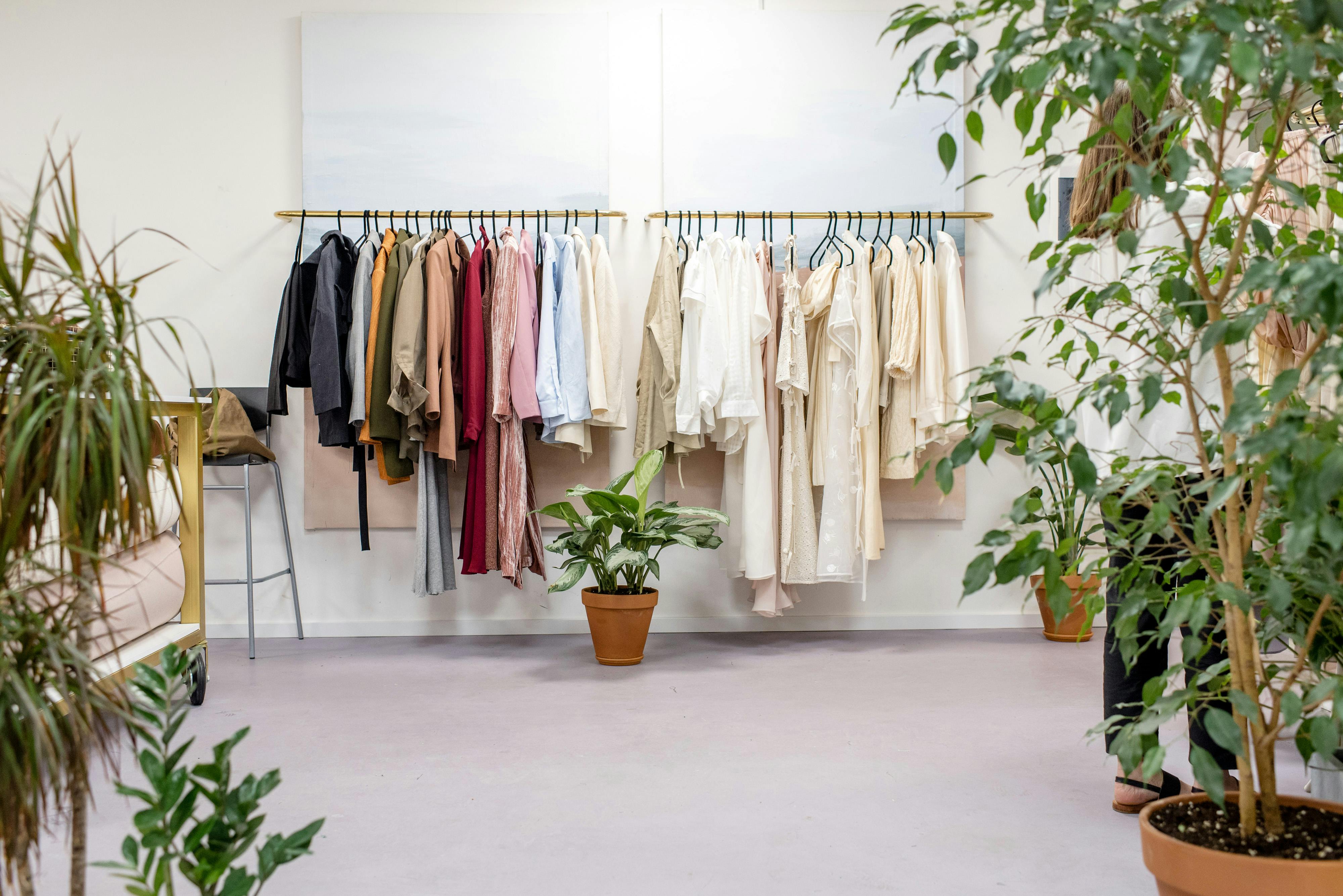
Image 2: Cropped Blazer Thrift Flip Result
Placement: After the bulleted list under “1. The Cropped Power Blazer Set”.
Image description: A realistic flat-lay or dress-form shot of a cropped blazer and matching skirt or shorts made from a men’s suit. The set is arranged neatly against a plain background, showing the cropped hem, tailored waist, and coordinating bottom. No faces or full body models; focus is on the garment construction and silhouette.
Supports sentence/keyword: “Take an oversized men’s suit and turn it into a streetwear co-ord:” and the bullet points describing a cropped blazer and matching bottom.
Public image URL: https://images.pexels.com/photos/7671166/pexels-photo-7671166.jpeg
Image 3: Sewing Tools for Upcycling
Placement: After the “Starter toolkit” list in the “Tools, Skills, and ‘Fake It Till You Make It’ Techniques” section.
Image description: A realistic overhead view of a sewing workspace showing a basic sewing machine, fabric scissors, thread spools, measuring tape, pins, and a seam ripper neatly arranged on a table. No people are visible; the focus is on the tools themselves as a practical starter kit.
Supports sentence/keyword: “Starter toolkit” and the bullet list describing a sewing machine, scissors, measuring tape, thread, pins, and seam ripper.
Public image URL: https://images.pexels.com/photos/3738086/pexels-photo-3738086.jpeg

