
How to Protect Your Family This Flu Season After Ohio’s First Pediatric Death
Ohio has reported its first pediatric flu death of the season in Greene County—a heartbreaking reminder that influenza is not “just a bad cold,” especially for children. For many parents, news like this brings a wave of worry: Is my child safe? Are we doing enough?
Flu season in Ohio usually starts ramping up in November and peaks between December and February. Each year, the state typically reports between one and seven flu-related pediatric deaths. Every one of those numbers is a child, a family, and a community forever changed.
This page will walk you through what this early pediatric death means, what we know about flu risk in kids, and the most practical, science-based steps you can take right now to lower your family’s risk—without panic, but with clear-eyed preparation.
Why This Pediatric Flu Death Matters for Every Ohio Family
A single pediatric flu death doesn’t mean every child is in immediate danger—but it does signal that influenza is circulating and can be severe. Historically, Ohio sees:
- Flu activity starting to increase in November
- Peak flu season between December and February
- Typically 1–7 pediatric flu-related deaths each season statewide
Most children with flu recover at home with rest and fluids. But some—including previously healthy kids—can become very sick, very quickly. That’s why prevention and early recognition of warning signs are so important.
“Pediatric flu deaths are rare, but when they happen, they are almost always sudden and devastating. Our goal is not to cause fear, but to use these tragedies to double down on prevention and early treatment for all children.”
— Board-certified Pediatric Infectious Disease Specialist
How Flu Spreads in Schools and Homes
Understanding how the flu virus spreads makes prevention less mysterious and more manageable. Influenza usually spreads through:
- Respiratory droplets: When an infected person coughs, sneezes, talks, or laughs.
- Close contact: Being within about 6 feet of someone who’s sick, especially indoors.
- Contaminated surfaces: Touching a surface with flu virus on it, then touching your eyes, nose, or mouth.
Schools, daycare centers, buses, and crowded indoor events make it easier for flu to spread—especially in peak season between December and February.
Evidence-Based Ways to Reduce Your Child’s Flu Risk
No strategy is perfect, but combining several proven steps can significantly lower the chance of severe illness from flu. Here’s what leading health organizations like the CDC and American Academy of Pediatrics consistently recommend.
1. Annual Flu Vaccine (for Most Children 6 Months and Older)
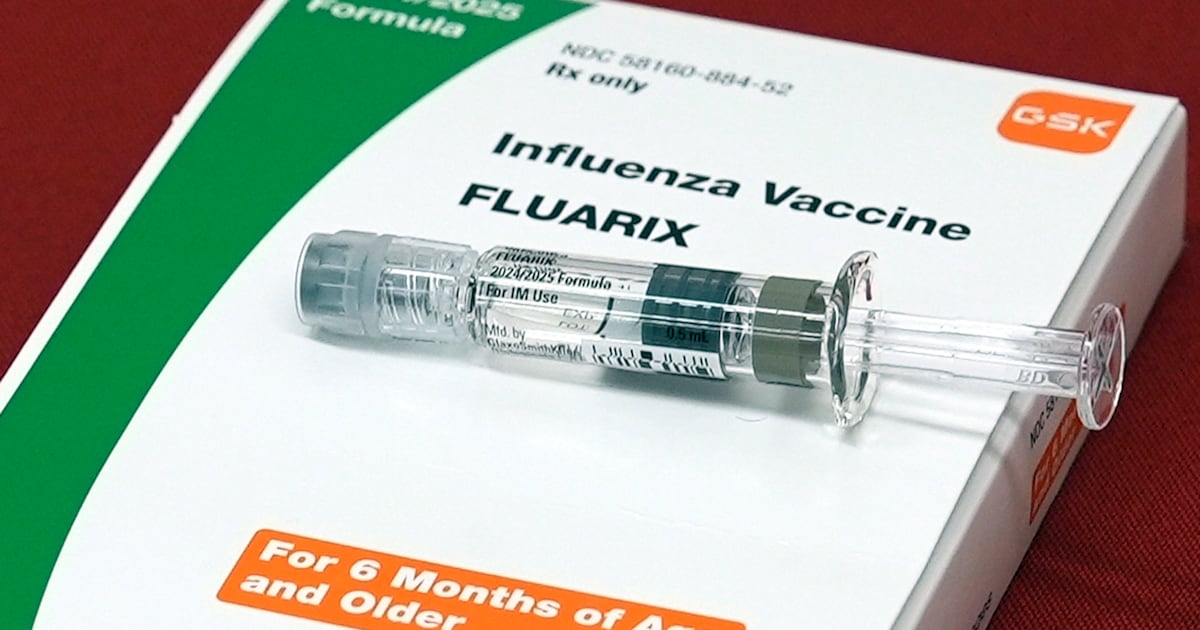
The flu vaccine doesn’t guarantee your child won’t get sick, but it reduces the risk of severe illness, hospitalization, and death. Multiple studies have shown that vaccinated children who do get the flu tend to have milder symptoms and fewer complications.
- Recommended for: Most children aged 6 months and older (unless your doctor advises otherwise).
- Timing: Ideally by late October, but vaccination still helps even later in the season.
- Options: Shot for most kids; nasal spray may be an option for some healthy children.
2. Keep Sick Children Home
It can be hard to miss work or school, but sending a child with fever, body aches, or a new cough to school increases risks for them and others—especially vulnerable classmates.
- Keep children home until they are fever-free for at least 24 hours without fever-reducing medicine.
- Encourage rest, fluids, and light foods while they recover.
3. Hand Hygiene and “Cough Etiquette”
Proper handwashing and cough/sneeze habits sound basic, but they truly help:
- Wash hands with soap and water for at least 20 seconds, especially before eating and after blowing the nose or coughing.
- Use an alcohol-based sanitizer (at least 60% alcohol) when soap and water aren’t available.
- Teach kids to cough or sneeze into their elbow or a tissue, then wash hands.
4. Support Overall Immune Health
While no food or supplement can “boost” immunity to prevent flu entirely, basic health habits help the body respond better:
- Regular sleep routines appropriate for your child’s age.
- Balanced meals with fruits, vegetables, whole grains, and protein.
- Regular physical activity and outdoor time when possible.
Flu Symptoms in Kids and When to Seek Emergency Care
Typical flu symptoms in children come on suddenly and may include:
- High fever or chills
- Cough and sore throat
- Body aches or headaches
- Extreme tiredness
- Sometimes vomiting and diarrhea (more common in children than adults)
Emergency Warning Signs: Call 911 or Go to the ER
Seek immediate medical care if your child has:
- Fast, troubled, or labored breathing
- Bluish or gray lips or face
- Chest pain or severe muscle pain
- Seizures
- Is difficult to wake up or does not interact
- Fever with a widespread rash
- Symptoms that improve but then return with worse cough or fever
For children with chronic conditions like asthma, diabetes, or heart disease, contact their doctor early if flu is suspected—even if symptoms seem mild at first.

Treatment Options: What Really Helps and What Doesn’t
Once your child has the flu, the focus is on relieving symptoms, preventing complications, and protecting others.
Antiviral Medications
Prescription antiviral drugs (such as oseltamivir/Tamiflu) can shorten the duration of flu and reduce the risk of complications, especially when started within 48 hours of symptom onset.
- Often recommended for children at higher risk of severe flu (for example, those with asthma, heart disease, or weakened immune systems).
- May also be used in otherwise healthy children, depending on severity and timing—your pediatrician can advise.
Home Care for Mild to Moderate Flu
- Fluids: Offer water, oral rehydration solutions, broths, or popsicles to avoid dehydration.
- Fever and pain: Acetaminophen or ibuprofen (never aspirin in children) as directed by your child’s provider.
- Rest: Allow extra sleep and quiet activities.
- Comfort measures: Cool compresses, saline nasal drops, and humidifiers may ease symptoms.
“For most children, the combination of rest, fluids, and careful monitoring is enough. The key is knowing when things are no longer ‘typical flu’ and need urgent attention.”
— Pediatric Hospitalist, Children’s Hospital
Real-Life Barriers Parents Face—and How to Navigate Them
Many families know what they “should” do but run into real obstacles—time, access, money, or conflicting information. You’re not alone in that.
“I Can’t Afford to Miss Work if My Child Is Sick”
- Ask your employer in advance about sick leave or emergency time-off policies during flu season.
- If possible, coordinate with another caregiver (partner, relative, trusted friend) to share responsibilities.
- Some communities and school districts have parent support networks or emergency backup care options—ask your school or local health department.
“We Don’t Have a Regular Doctor”
- Check with your county health department for low-cost or sliding-scale clinics.
- Many pharmacies and community clinics offer flu vaccines without a prior appointment.
- If your child is uninsured, ask about state or local programs that help cover vaccines for children.

A Simple Flu-Season Action Plan for Ohio Families
You don’t have to overhaul your life to make a meaningful difference. Here’s a realistic checklist you can start this week:
- Check vaccination status for everyone in your household, especially children 6 months and older.
- Stock your “sick day kit”: fever reducer for kids, oral rehydration solution, tissues, a working thermometer, and saline nasal drops.
- Review emergency signs with all caregivers (grandparents, babysitters, older siblings).
- Talk with your child’s school or daycare about their illness and return policies.
- Set expectations at home: when you’ll keep kids home, how you’ll handle work, who you’ll call if they get worse.

Moving Forward with Care, Not Fear
The loss of a child to flu in Greene County is a sobering reminder of why flu prevention and early care matter. It’s natural to feel anxious when you hear this kind of news—but fear alone doesn’t protect kids. Thoughtful, consistent action does.
You can’t control everything this flu season, but you can:
- Lower your child’s risk of severe flu with vaccination and everyday precautions.
- Prepare your home and support network before anyone gets sick.
- Recognize warning signs early and seek help when something doesn’t feel right.
If you have questions about your child’s risk or the flu vaccine, reach out to your pediatrician or local health department this week. A 10-minute conversation now could make a real difference later in the season.
