How to Fake Designer Energy with Thrift Store Prices (And a Conscience)
Thrifted Designer Dupes: Champagne Vibes on Sparkling Water Money
Luxury fashion is having a moment. So is rent. If your bank account politely whispers “no” every time you scroll past a runway look, welcome to the golden age of thrifted and upcycled designer dupe culture—where we chase designer energy, not designer price tags.
Across TikTok and YouTube, creators are turning thrift stores, resale apps, and grandma’s closet into low-key ateliers. They’re recreating runway and celebrity outfits using thrifted, vintage, and budget pieces, then tweaking hemlines, swapping buttons, and styling with surgical precision until the “look for less” feels like “look for genius.”
This isn’t about counterfeits or sketchy fast-fashion knockoffs. It’s about understanding silhouettes, fabrics, and styling tricks so you can build outfits that look expensive, stay sustainable, and still leave room in your budget for snacks. Let’s break down how to play the game—ethically, creatively, and with maximum main-character energy.
1. Think Like a Stylist, Shop Like a Detective
The secret sauce of sustainable designer dupes? You’re not hunting for labels—you’re hunting for shapes. Stylists don’t ask, “Is this blazer Gucci?” They ask, “Does this blazer give structure, length, and drama?”
Before you ever set foot in a thrift store (or scroll a resale app), pick one designer outfit you love—runway, red carpet, or Instagram flex. Then break it down:
- Silhouette: Is it oversized, fitted, cropped, A-line, bodycon, boxy?
- Proportion: Big blazer + tiny top + wide leg? Fitted top + voluminous skirt?
- Fabric vibe: Sleek (satin, suiting), textured (tweed, boucle), casual (denim, jersey)?
- Color story: Monochrome? Neutrals? A bold accent? Metallics?
Once you know those four things, you can recreate the energy without copying the logo. That’s the core of modern budget fashion: shape and styling over brand name.
Style cheat code: When in doubt, ask, “What feeling does this designer look give?” Power? Romance? Effortless cool? Then thrift for that feeling, not that exact blazer.
2. Thrift Store Strategy: Runway Eyes, Secondhand Prices
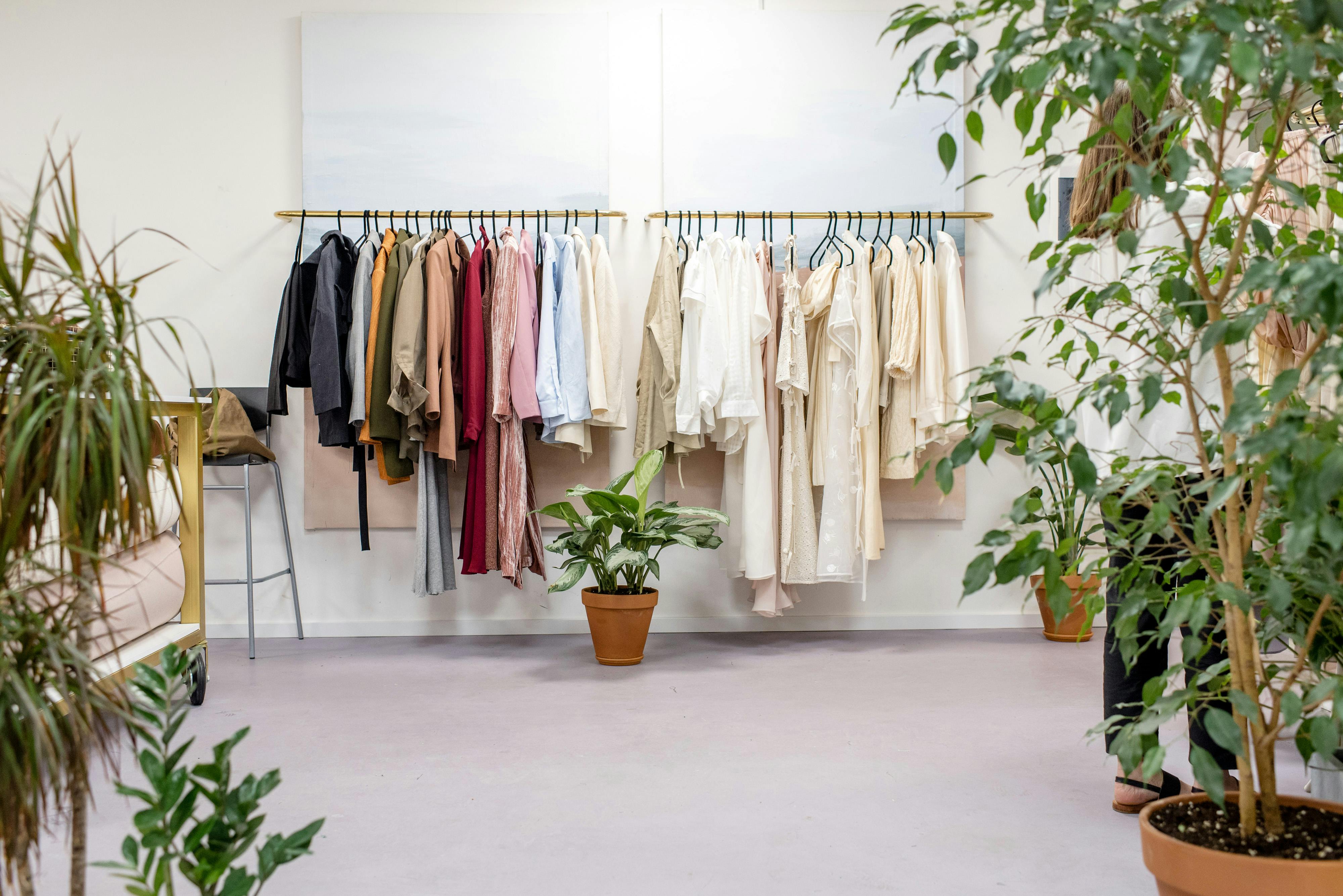
Thrift stores can feel like chaotic clothing jungles, but they’re secretly stocked with runway potential. Here’s how creators are turning them into DIY fashion week:
- Start in the men’s section. Men’s blazers, button-ups, and trousers are perfect for the oversized, relaxed tailoring that dominates modern aesthetic street style.
- Look for quality first, trend second. Natural fibers—cotton, wool, linen, silk—are your designer dupe besties. They drape better, age better, and tailor better.
- Ignore the size tag. You’re shopping for potential, not a perfect fit off the rack. Oversized pieces can be belted, cropped, or cinched. Tailors are the unsung co-designers of your wardrobe.
- Search by color + fabric on resale apps. Want that “cream wool maxi coat” from your favorite luxury brand? Type exactly that into your resale search bar—no brand name needed.
Think of yourself as a casting director. The thrift store is full of unknown extras. Your job is to spot the future stars and give them a leading role in your closet.
3. DIY Tailoring: Tiny Tweaks, Massive “Designer” Energy
Scroll “thrift flip luxury” on TikTok and you’ll see the same magic trick: small alterations that completely change the vibe of a piece. You don’t need couture-level sewing skills—just a few simple moves:
- Hemlines = instant modern. Cropping an oversized blazer or shortening a skirt can take something from “mother-of-the-bride 2009” to “runway 2026” instantly.
- Buttons are tiny ambassadors. Swap cheap plastic buttons for metal, horn, or covered buttons and watch your jacket or coat suddenly look triple the price.
- Darts & seams = waist magic. Add darts at the back of a blazer or dress to create shape. Tailoring is the difference between “I found this” and “I designed this.”
- Distressing & dyeing. Want that lived-in designer denim look? Strategic sanding, ripping, or over-dyeing an old pair of jeans or a jacket can mimic runway finishes.
If you’re not into DIY, build a relationship with a local tailor. Show them your inspo photo and your thrift find. Tailors are incredibly good at reverse-engineering silhouettes without copying logos.
Ethical bonus: sustainable fashion isn’t just about what you buy—it’s about how long you keep it in rotation. A five-dollar blazer that you tailor and wear for five years is peak responsible fashion.
4. Luxury for Every Body: Plus-Size & Menswear Dupes That Actually Work
High fashion has a long history of pretending only one body type exists. Fortunately, plus-size fashion and mens fashion creators are rewriting that script—and doing it with thrifted dupes.
Some of the smartest inclusive dupe tricks:
- Transform the silhouette, keep the mood. Instead of a barely-there designer cut-out dress, creators design a more supportive two-piece set inspired by the same color, fabric, and vibe.
- Relaxed tailoring for menswear dupes. A narrow-cut runway suit becomes a wide-leg thrifted suit with nipped-in waist, altered sleeves, and better drape—far more wearable, just as sharp.
- Layering for comfort and confidence. Slightly sheer or body-hugging designer looks are reinterpreted with mesh tops, structured blazers, or longline vests for coverage without losing edge.
The point of an outfit isn’t to cosplay the model—it’s to translate the idea so it loves your body back. When you stop chasing exact replicas and start chasing adaptations, everything gets easier (and better looking).
5. Accessory Alchemy: How to “Sell” the Designer Illusion
If clothes are the script, accessories are the delivery. In most viral runway dupe videos, the transformation happens the moment the accessories come out. This is where fashion accessories quietly run the show.
Pieces that instantly elevate a thrifted base:
- Structured bags: Boxy, clean-lined bags in neutral colors scream “designer” even if they cost less than lunch.
- Belts with presence: A good belt can turn a shapeless blazer into a cinched runway moment or help an oversized dress read intentional, not accidental.
- Scarves & silk squares: Tied at the neck, on a bag handle, or as a headband—they add color and “I tried” energy with about ten seconds of effort.
- Statement jewelry: One strong piece (chunky cuff, sculptural earrings, bold ring) looks far more luxe than a cluster of tiny, timid pieces.
The trick is proportion. A simple thrifted outfit + one or two sharp accessories can feel incredibly polished. Think “editor off duty” rather than “pile on everything I own.”
6. Ethics Check: Chic Without the Guilt Trip
Modern ethical fashion and sustainable fashion communities care about what’s behind the seams: labor conditions, environmental impact, and waste. Thrifted designer dupes live in a sweet spot:
- No counterfeits. You’re not copying logos or faking brand names—you’re inspired by shapes and styling.
- Less textile waste. Every thrifted and upcycled piece is one less item heading to landfill.
- Reduced fast-fashion reliance. Instead of buying a new “dupe” dress you’ll wear once, you’re upgrading a secondhand piece you can restyle endlessly.
If you want to go further, prioritize:
- Natural or recycled fibers when possible.
- Local tailors and alterations shops (supporting small businesses).
- Resale platforms with clear authenticity and sustainability policies.
Looking expensive is fun. Looking expensive and being able to sleep at night because your outfit isn’t built on exploitation? That’s the real flex.
7. Build a “Designer Dupe” Capsule Wardrobe
You don’t need a bursting closet to serve luxe energy. You need a small, strategic rotation of thrift fashion workhorses that can cosplay half your Pinterest board.
Consider building around:
- One great blazer: Slightly oversized, in black, navy, gray, or camel. Tailored enough to dress up jeans; relaxed enough to throw over a slip dress.
- Wide-leg trousers: High-waisted, fluid fabric. They instantly give that fashion-editor silhouette when paired with anything fitted on top.
- Crisp button-up shirt: In cotton or linen. Wear open, tied at the waist, half-tucked, under a vest, or layered over a slip.
- Denim that fits like a dream: Straight or wide leg in classic blue or black. The cleaner the wash, the more designer-adjacent it feels.
- Statement outerwear: A long coat or trench in a strong silhouette—nothing says “I know things” quite like a good coat.
- Two or three “hero” accessories: Your signature belt, structured bag, and jewelry piece that tie everything together.
From there, sprinkle in trendier thrift scores—metallic skirts, bold-colored tops, unexpected textures. Your base stays timeless; your accents do the trend dance.
8. Style Formulas for Instant Runway Vibes
When you’re rushing out the door but still want to look like you accidentally walked off a fashion week street-style slideshow, use these easy formulas:
- The Runway Coffee Run:
Oversized blazer + fitted tank or tee + wide-leg jeans + structured bag + sunglasses.
Works on all genders, all sizes, all levels of caffeine dependency. - The Gallery Opening (Even If You’re Just Going to Dinner):
Monochrome base (all black, cream, or gray) + one textured piece (tweed jacket, knit vest, or satin skirt) + bold earrings or cuff. - The “I Got a Promotion” Outfit You Can Wear Before the Promotion Arrives:
Tailored trousers + crisp button-up (half-tucked) + belt + long coat or trench + low heels or polished sneakers.
Screenshot these combos, then recreate them using only thrifted and vintage pieces. Bonus points if you film the before-and-after for your own “look for less” reel.
9. Your Closet, Your Rules (Runway Optional)
The rise of thrifted and upcycled designer dupe culture isn’t just about saving money. It’s about shifting power. Instead of waiting for a brand to decide what’s “in,” you take the inspo, filter it through your lifestyle, your body, your ethics, and your budget—and make something smarter.
So the next time you fall in love with a luxury look, don’t ask, “Can I afford this?” Ask:
- What’s the silhouette?
- What’s the fabric and color story?
- How can I thrift or upcycle my way to this vibe?
- Which accessories will sell the fantasy?
Then go forth and style like the resourceful, runway-level genius you are—one thrift flip at a time.
Image Suggestions (For Editor Use)
Below are strictly relevant, royalty-free image suggestions that visually reinforce key sections of the blog.
Image 1
- Placement: After the section “2. Thrift Store Strategy: Runway Eyes, Secondhand Prices.”
- Image description: A realistic photo of a well-organized thrift store clothing rack. The rack should show men’s and women’s blazers, trousers, shirts, and coats in neutral tones (black, navy, camel, gray, white) with some visible fabric textures (wool, denim, cotton). The store should look clean and bright, with clothes on hangers grouped by color. No people visible in the frame.
- Supported sentence/keyword: “Thrift stores can feel like chaotic clothing jungles, but they’re secretly stocked with runway potential.”
- Example image URL (royalty-free): https://images.pexels.com/photos/3965545/pexels-photo-3965545.jpeg
- SEO-optimized alt text: “Clothing racks in a tidy thrift store with neutral blazers, shirts, and trousers organized by color.”
Image 2
- Placement: After the section “3. DIY Tailoring: Tiny Tweaks, Massive ‘Designer’ Energy.”
- Image description: A close-up, realistic overhead shot of a tailoring or sewing workspace: a blazer or pair of trousers laid flat, with visible sewing tools such as fabric scissors, measuring tape, pins, extra buttons, and chalk. The focus is on the garment and tools; no hands or faces are necessary, but if hands are present they should be neutral and non-identifiable.
- Supported sentence/keyword: “You don’t need couture-level sewing skills—just a few simple moves.”
- Example image URL (royalty-free): https://images.pexels.com/photos/3738085/pexels-photo-3738085.jpeg
- SEO-optimized alt text: “Tailoring tools and a blazer on a worktable showing DIY clothing alterations in progress.”
Image 3
- Placement: After the section “5. Accessory Alchemy: How to ‘Sell’ the Designer Illusion.”
- Image description: A flat-lay image on a neutral background featuring key accessories mentioned in the blog: a structured bag, a belt with a bold buckle, a silk scarf, and one or two pieces of statement jewelry (such as a cuff bracelet and sculptural earrings). No branding or logos should be visible. The items are neatly arranged to show how they can be combined.
- Supported sentence/keyword: “Pieces that instantly elevate a thrifted base: structured bags, belts, scarves, and statement jewelry.”
- Example image URL (royalty-free): https://images.pexels.com/photos/845434/pexels-photo-845434.jpeg
- SEO-optimized alt text: “Flat-lay of a structured handbag, belt, silk scarf, and statement jewelry on a neutral background.”